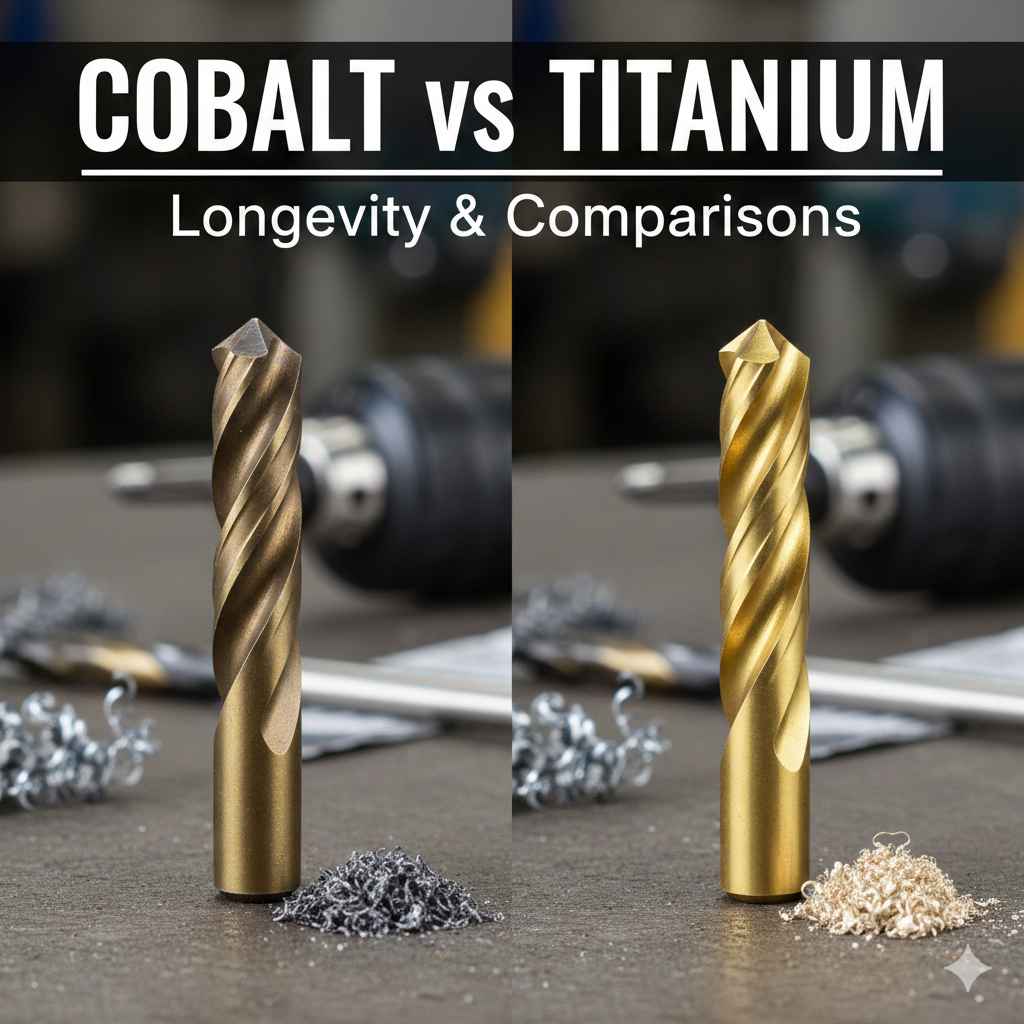
Cobalt vs Titanium Drill Bits: Which Actually Lasts Longer?
Cobalt drill bits outlast titanium-coated bits on hardened steel and stainless steel, because the cobalt alloy (M35 or M42 grade) runs through the entire bit rather than sitting as a surface layer, so it never wears off. Pick wrong and a titanium bit can burn out mid-hole on 3/16-inch stainless while a cobalt bit keeps cutting. This guide covers construction differences, M35 vs M42 grades, sharpenability, and when titanium is actually the smarter buy.
Disclosure: This post may contain affiliate links. As an Amazon Associate we earn from qualifying purchases.
What Are Drill Bits, and Why Does the Material Matter?
Best Longevity Pick
BOSCH CO14B 14-Pc M42 Cobalt Drill Bit Set
M42 cobalt (8%) set with a three-flat shank for grip in a drill chuck — built for stainless steel, cast iron, and other hardened metal.
- Best for: stainless steel, cast iron, and daily hard-metal drilling
- Why we picked it: M42-grade cobalt holds hardness at temperatures that strip a titanium coating
- Main drawback: costs more per bit than a titanium set, and overkill for wood or plastic
Compare more cobalt and titanium options
 Option 1 — Titanium DEWALT 21-Pc Titanium Nitride Drill Bit Set
|
 Option 2 — Cobalt DEWALT Cobalt Pilot Point Drill Bit Set, 14-Pc
|
 Option 3 — Titanium Makita Impact Gold 14-Pc Titanium Drill Bit Set
|
As an Amazon Associate we earn from qualifying purchases.
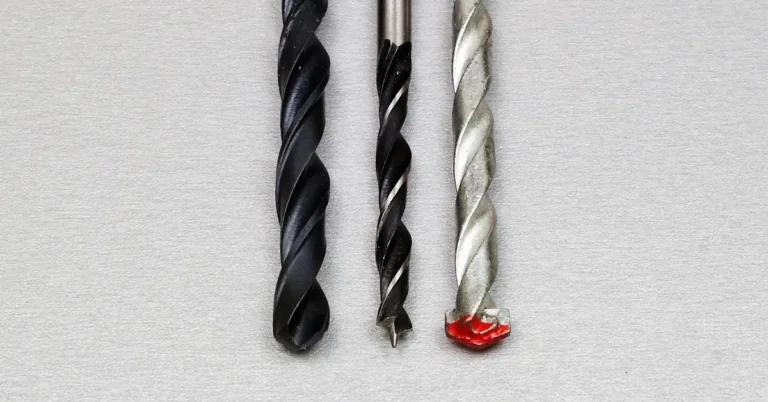
A drill bit is a cutting tool with a pointed tip that removes material as it spins, usually shaped with spiral flutes that carry the debris out of the hole as it cuts. The material a bit is made from — and any coating or alloy added to it — decides how hard a surface it can cut, how much heat it can take before it dulls, and how many holes it drills before it needs replacing or sharpening.
The Basics of Drill Bit Construction
Bits start as forged or machined steel, then go through heat treatment (hardening and tempering) to build wear resistance, and finally get any surface coating — black oxide, titanium nitride, or none at all. Cobalt bits skip the coating step for a different reason: the cobalt is already alloyed into the steel before the bit is shaped, so there’s no separate layer to add or to wear through.
- Steel grade: high-speed steel (HSS) is the base for nearly every metal-drilling bit; cobalt and titanium both start from HSS and diverge from there.
- Flute design: the spiral grooves clear chips from the hole — a clogged flute is a common cause of overheating on both bit types.
- Point angle: 118° points are faster on softer material; 135° split points center better and hold up on harder metal.
- Shank design: round, hex, or reduced shanks change how securely the bit locks into the chuck, independent of the cutting material.
What Actually Shortens a Drill Bit’s Life
Material hardness, drilling speed, cooling, and feed rate all interact to determine how long a bit lasts, and a mistake in any one of them can undo an otherwise good bit choice.
- Material hardness: harder stock (stainless, cast iron) stresses the cutting edge faster than soft stock (wood, aluminum).
- Drilling speed: too fast generates heat that softens the cutting edge before it’s worn out mechanically.
- Cooling: cutting fluid on metal pulls heat away from the tip and meaningfully extends bit life on both cobalt and titanium bits.
- Feed rate: forcing the bit stresses the cutting edge and is a common cause of snapped bits in a hand drill.
Cobalt Drill Bits: What They’re Made Of and Where They Win
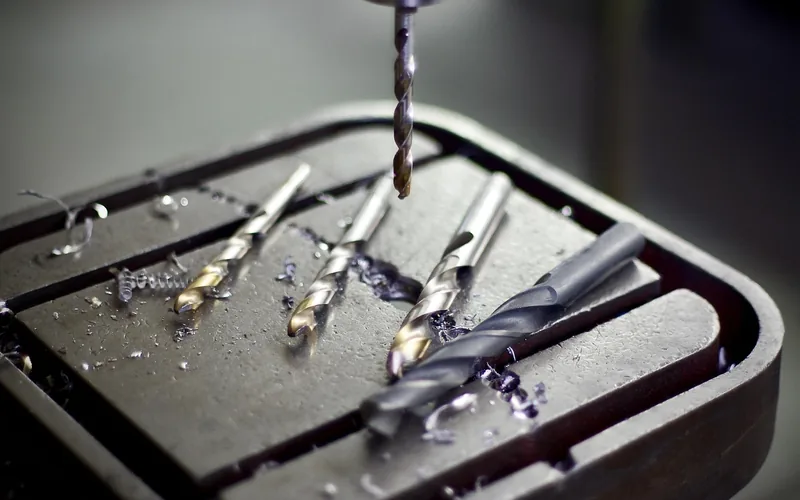
Cobalt drill bits are high-speed steel alloyed with 5-8% cobalt, which raises the bit’s “red hardness” — its ability to hold a cutting edge at high temperature. That’s the specific property that matters when drilling stainless steel, cast iron, and other hard, heat-generating metals: the bit doesn’t have to be replaced as soon as it gets hot.
Cobalt Composition and the M35 vs M42 Grades
Cobalt bits come in two common grades, and the difference is worth knowing before you buy. M35 cobalt bits run about 5% cobalt content and cost less; M42 bits run about 8% cobalt, hold up to more heat, and cost more per bit. For occasional stainless steel work, M35 is usually enough. For daily production drilling in hardened steel, the extra cobalt in M42 pays for itself in fewer bit changes.
- M35 (5% cobalt): good general-purpose upgrade over standard HSS for occasional stainless or cast iron work.
- M42 (8% cobalt): the harder, more heat-resistant grade for daily use on tough metal, at a higher price per bit.
- Surface treatment: some cobalt bits still get a black oxide finish on top of the alloy, mainly to reduce friction during chip clearing — it’s a bonus, not the source of the bit’s hardness.
Where Cobalt Bits Actually Get Used
Cobalt bits show up wherever the material fights back: automotive mechanics drilling into engine blocks and frame steel, fabricators drilling bolt and rivet holes in structural metal, and contractors drilling metal studs or beams. In every case, the material — not the job title — is what earns cobalt its higher price.
Titanium Drill Bits: What They’re Made Of and Where They Win
Titanium drill bits are standard HSS bits with a titanium nitride (TiN) coating baked onto the surface. The coating — not the base metal — is what’s actually titanium. It reduces friction, adds surface hardness, and gives the bit its recognizable gold color, but it’s a thin shell around ordinary steel rather than a change to the steel itself.
The TiN Coating’s Real Advantage
Reduced friction is the coating’s main job: it lets the bit cut more cleanly, run cooler for a given speed, and resist corrosion better than bare steel. That makes titanium bits a genuinely good all-rounder for wood, plastic, aluminum, and mild steel — materials that don’t push the bit anywhere near cobalt’s heat-resistance advantage.
- Reduced friction: cleaner holes and less heat buildup than an uncoated HSS bit.
- Increased surface hardness: the coating itself resists wear better than bare steel.
- Corrosion resistance: the coating protects the HSS underneath from rust in storage.
- One-time protection: once the coating wears through at the tip, the bit performs like plain HSS underneath — see the sharpening question below.
Where Titanium Bits Actually Get Used
Titanium bits are the practical default for general woodworking, plastic fabrication, and drilling into aluminum, brass, and other soft metals — home repair and light construction work where the material doesn’t demand cobalt’s heat tolerance, but a plain uncoated bit would dull too fast to be worth the savings.
Can You Sharpen a Titanium Drill Bit? (The Gap Most Comparisons Skip)
Yes, but not the way you’d sharpen a cobalt bit. Because titanium nitride is a coating and not an alloy, grinding the tip on a bench grinder or sharpening jig removes the coating right along with the dull edge. The bit still cuts afterward — it just cuts like an uncoated HSS bit, without the reduced friction and extra wear resistance that made it a “titanium” bit in the first place. There’s no way to recoat a bit at home.
A cobalt bit sharpens differently because the cobalt is mixed through the entire bit, not sitting on top of it. Run a drill bit sharpening jig or bench grinder over a dull cobalt tip and the freshly exposed steel is exactly the same cobalt alloy as before — full hardness restored, no coating to lose. That’s a real practical advantage for anyone who drills metal often enough to own a sharpener: a cobalt set stays a cobalt set for its whole working life, while a titanium set gradually becomes a plain HSS set every time it gets touched up.
Comparing Cobalt and Titanium Drill Bits: Head-to-Head
Both are legitimate upgrades over plain HSS — the right one depends on what you’re drilling and how often you sharpen. Cobalt is built for demanding metal work; titanium is built for everyday versatility at a lower price.
| Feature | Cobalt Drill Bits (M35/M42) | Titanium Drill Bits (TiN-Coated) |
|---|---|---|
| Construction | Cobalt alloyed throughout the HSS (5-8%) | Standard HSS with a titanium nitride surface coating |
| Heat resistance | Excellent — holds hardness at high temperature | Good at moderate heat, coating degrades faster under sustained heat |
| Best materials | Stainless steel, cast iron, hardened metal | Wood, plastic, aluminum, mild steel |
| Sharpenability | Full hardness restored every time — alloy goes all the way through | Coating is lost when sharpened — becomes a plain HSS bit |
| Typical cost | Higher per bit | Moderate, better value for general use |
Performance in Challenging Materials
On stainless steel and cast iron, cobalt bits maintain their edge at temperatures that would soften a titanium coating within a few holes. Titanium bits can handle mild steel acceptably, but they wear down faster than cobalt on anything that work-hardens as it heats — stainless being the clearest example.
- Stainless steel: cobalt is almost always the right call — heat resistance is the deciding factor.
- Cast iron: cobalt again, for the same reason — it holds hardness at temperature.
- Mild steel: titanium is acceptable and cheaper; cobalt will simply outlast it if you’re drilling a lot of holes.
How to Tell Cobalt and Titanium Bits Apart
Color alone isn’t reliable — titanium coating produces a bright brass-gold sheen, while cobalt’s natural alloy color tends toward a duller straw-gold or bronze, but lighting and photos make the two easy to mix up. The reliable check is the shank stamp: cobalt bits are marked M35 or M42 near the shank, and the packaging states the cobalt percentage. If neither is marked, assume it’s a coated bit, not an alloy bit. The same shank-stamp check works for telling a metal-rated bit from a wood-only bit — see how to tell if a drill bit is for metal for the full rundown.
Cost, Lifespan, and Overall Value
Cobalt bits cost more upfront, but the value case is about how the job is repeated, not the sticker price. If you’re drilling hardened metal regularly, cobalt’s longer working life before it needs sharpening or replacing usually wins on cost per hole. If your projects are mostly wood, plastic, and the occasional mild steel bracket, a titanium set covers it for less money and there’s no real advantage to paying for cobalt you won’t need.
Best Practices and Tips for Getting the Most Out of Either Type
The material decides the ceiling on a bit’s lifespan; technique decides whether you actually reach it. These habits apply whether you’re running cobalt or titanium.
For guidance on choosing the drill itself — not just the bit — see our woodworking tools & saws guide.
Techniques for Maximizing Drill Bit Life
- Match the bit to the material — the single biggest factor in how long it lasts.
- Use proper speed and feed: slower speeds on harder materials, steady pressure, never forcing the bit.
- Apply cutting fluid on metal to pull heat away from the cutting edge.
- Start with a pilot hole so the larger bit doesn’t wander or overheat starting the cut.
- Clear debris regularly so clogged flutes don’t trap heat in the hole.
- Store bits dry — a drill bit organizer keeps them from rusting or knocking together in a drawer.
Safe Drilling Practices
- Wear safety glasses — metal drilling throws hot chips.
- Secure the workpiece in a vise or clamp rather than holding it by hand.
- Wear gloves, a dust mask, and hearing protection where the job calls for it.
- If the bit or material gets hot to the touch, stop and let it cool before continuing.
- Know your drill’s speed settings and clutch before starting a hard-metal hole.
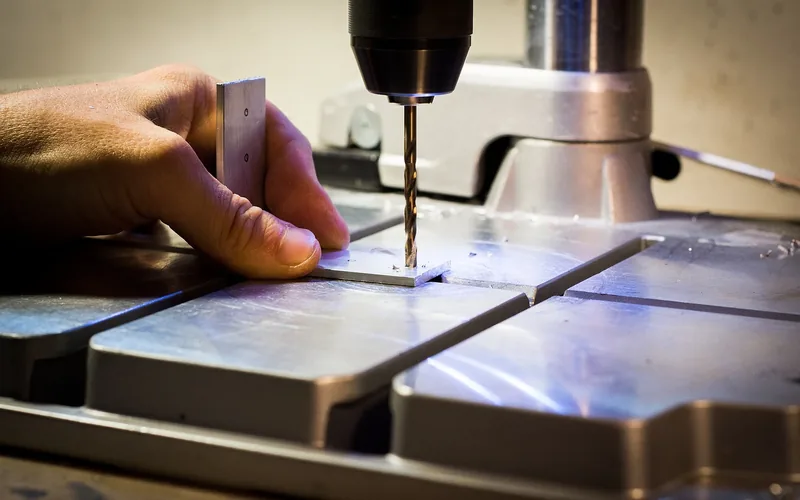
“In the shop, titanium-coated bits cover almost everything we drill day to day — pilot holes for hinge screws, cabinet hardware, brass inserts. We only reach for the cobalt set when a job involves an actual steel bracket or a masonry anchor, since that’s the one place the extra cost is worth it.”
Frequently Asked Questions
Are cobalt drill bits actually better than titanium drill bits?
Not universally — it depends on the material. Cobalt bits are the better tool for stainless steel, cast iron, and other hardened metal because the cobalt alloy resists heat all the way through the bit. Titanium-coated bits are the better tool for wood, plastic, aluminum, and mild steel, where they cut cleanly at a lower price.
Can you sharpen a titanium-coated drill bit?
Yes, but the sharpened edge loses its titanium nitride coating. The coating is a thin surface layer, not something mixed into the steel, so grinding the tip on a bench grinder or sharpening jig exposes bare HSS underneath. The bit still cuts, just without the reduced friction and extra wear resistance the coating provided.
Cobalt or titanium: which is better for stainless steel?
Cobalt. Stainless steel work-hardens as it heats up, and a titanium coating can wear through in a few holes at that temperature, leaving bare HSS that dulls fast. Cobalt’s heat resistance runs through the entire bit, so it keeps cutting well past the point where a titanium bit would need replacing.
How can I tell if a drill bit is cobalt or titanium just by looking at it?
Color is a rough clue, not a guarantee. Titanium-coated bits usually have a bright, uniform brass-gold sheen from the coating. Cobalt bits tend to run a duller straw-gold or bronze color from the alloy itself. Because both can look gold, check the shank stamp — cobalt bits are marked M35 or M42, and the packaging usually states the cobalt percentage.
Can I use a cobalt drill bit on wood?
Yes, but it is not the practical choice. Cobalt bits are ground for hard metal and cost more per bit; a titanium or even a standard HSS bit drills wood just as cleanly for less money. Save the cobalt set for steel, cast iron, and other jobs it’s actually built for.
How do I know when a drill bit is dull?
A dull bit needs noticeably more downward pressure to bite, produces fine dust or stringy shavings instead of clean spiral chips, and generates more heat and squealing than usual. On metal, a dull bit also tends to skate across the surface instead of starting a hole cleanly.
Final Thoughts
Cobalt and titanium solve different problems. Cobalt bits earn their higher price on stainless steel, cast iron, and other hardened metal, and they keep that full hardness every time they’re sharpened. Titanium bits earn their keep on wood, plastic, aluminum, and mild steel, where their lower cost and clean cutting matter more than heat resistance you won’t need.
If you regularly drill hard metal, buy the cobalt set — M42 if it’s a daily task, M35 if it’s occasional. If your projects are mostly wood and light metal, a titanium set covers it for less money. Match the bit to the material, follow the speed and cooling guidelines above, and either type will outlast a plain HSS bit by a wide margin.
Sponsored / affiliate links. As an Amazon Associate I earn from qualifying purchases. I may earn additional commission from eligible campaigns.