Are Cobalt Drill Bits Worth It? M35 vs M42 Explained
Cobalt drill bits (HSS-Co, grades M35 or M42) are worth it for stainless steel, cast iron, and hardened steel — but titanium-coated HSS is the better buy if you only drill mild steel a few times a year. The M42 grade’s 8% cobalt content resists heat better than M35’s 5%, so it lasts longer under sustained industrial use. This guide covers what separates M35 from M42, when each pays off, and how to avoid the brittleness that ruins a good bit.
What Exactly Are Cobalt Drill Bits?
Best M42 Cobalt Drill Bit Set Pick
BOSCH CO14B 14-Piece M42 Cobalt Drill Bit Set
Full M42 (8% cobalt) set with a three-flat shank so it won’t spin in the chuck under load — the mid-range pick for regular hard-metal drilling.
- Best for: Stainless steel, cast iron, and hardened bolts on a regular basis
- Why we picked it: True M42 grade at a reasonable price, with the anti-spin shank the guide’s speed/pressure advice assumes
- Main drawback: Costs more upfront than an M35 starter set
Compare more cobalt drill bit set options
 Budget M35 Pick DEWALT 14-Pc Cobalt Set (DWA1240)
|
 Pro / Comprehensive Pick Drill America 29-Pc M42 Set
|
 Lowest-Cost Entry 13-Pc M35 Cobalt Set (1/16″–1/4″)
|
As an Amazon Associate we earn from qualifying purchases.
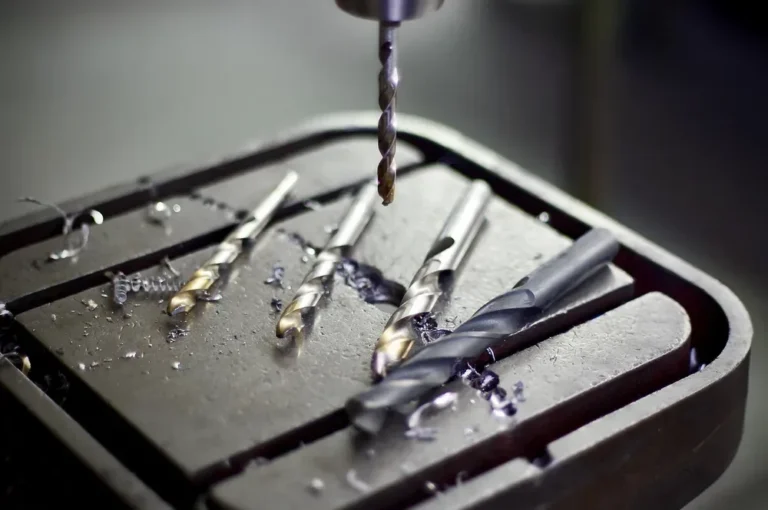
When we talk about “cobalt drill bits,” we’re usually referring to bits made from a high-speed steel (HSS) alloy with 5% to 8% cobalt added — known in the industry as M35 (5%) and M42 (8%) grade. This cobalt infusion dramatically changes the properties of the steel, making the drill bits far superior for specific tasks. These bits are often seen in distinctive bronze or gold colors, which is a neat way to spot them in your toolbox.
The science behind it is straightforward: cobalt, when blended with steel, forms harder carbides within the metal’s structure. These carbides resist wear and tear much better than standard steel. This increased hardness is the key to their ability to cut through materials that would quickly dull or even melt regular drill bits. It’s this enhanced durability that solidifies their reputation in workshops everywhere.
M35 vs. M42: Which Cobalt Grade Should You Buy?
Not all cobalt bits are the same, and this is the detail most buying guides skip entirely: the grade stamped on the packaging (M35 or M42) determines how much heat and abuse the bit can actually take before it dulls.
| Grade | Cobalt Content | Best For | Typical Price (14-pc set) |
|---|---|---|---|
| M35 | 5% cobalt | Occasional stainless steel or cast iron drilling, home workshop use | $12–$35 |
| M42 | 8% cobalt | Daily or professional use on hardened steel, high-volume production drilling | $30–$75 |
Practical rule: if you’re an occasional DIYer drilling a stainless bracket once or twice a year, an M35 set saves money and will outlast a standard HSS bit several times over. If you drill hardened steel weekly — automotive brackets, tool steel, industrial fabrication — the extra heat resistance of M42 pays for itself in fewer bit changes and less downtime.
Why the Extra Cobalt Makes a Difference
The addition of cobalt isn’t just for show; it brings serious, practical benefits, especially when you’re drilling through challenging materials. Let’s break down the main advantages:
- Extreme Hardness: Cobalt alloys are significantly harder than standard high-speed steel. This means they can cut through stainless steel, cast iron, titanium, and other hardened metals without losing their sharp edge.
- Superior Heat Resistance: Drilling creates friction, and friction creates heat. Cobalt allows the drill bit to maintain its hardness at higher temperatures that would normally make regular steel bits soft and prone to breaking. This matters most for deep holes, where heat build-up is inevitable.
- Extended Bit Life: Because cobalt bits are harder and more heat-resistant, they last much longer than standard HSS bits when used for their intended purpose. For anyone who drills metal frequently, this longevity translates directly into cost savings and fewer interruptions.
- Improved Performance in Hard Materials: If you’re working with materials too hard for a regular drill bit, a cobalt bit is often your best bet, reducing the chance of the bit skidding or binding.
- Precision Drilling: The ability of cobalt bits to maintain their shape and sharpness allows for more precise holes — important for automotive repair, machinery, or any application requiring tight tolerances.
When Should You Use Cobalt Drill Bits?
Knowing when to reach for your cobalt bits is just as important as knowing what they are. While they are fantastic for tough jobs, they aren’t always the best choice for every drilling task. Here’s a guide:
Best For:
- Hard Metals: This is their prime territory — stainless steel appliances, cast iron pipes, hardened steel bolts, tool steel, and even some hard plastics that would melt standard bits.
- High Volume Drilling: If you have many holes to drill in hard materials, the extended life of cobalt bits makes them a more economical choice in the long run, despite a higher initial cost.
- Professional and Industrial Applications: Machinists and professionals who regularly work with tough metals rely on cobalt bits for their consistency and durability.
- Deep Hole Drilling: The heat resistance is a lifesaver when drilling deep into metal, as it prevents the bit from overheating and losing its temper.
When to Consider Other Options:
Cobalt bits are harder, and this can sometimes make them more brittle than standard HSS bits. This means they might not be the first choice for:
- Soft Metals: For aluminum, brass, copper, or mild steel, standard or TiN-coated HSS bits are usually sufficient and more cost-effective.
- Wood and Plastics (Generally): A cobalt bit can drill wood or plastic, but it’s usually overkill and generates more heat, which can melt softer plastics. For wood, use bits designed for cleaner cuts — see our full drilling guide hub for wood-specific bit picks.
- Applications Requiring Extreme Flexibility: In rare cases where a bit needs to endure significant bending, the increased hardness of cobalt can make it more susceptible to snapping under stress.
Types of Cobalt Drill Bits
When you start looking for cobalt drill bits, you’ll notice a few different types and coatings:
- 135-Degree Split Point Cobalt Bits: The workhorses for most metalworkers. The 135-degree angle is ideal for hard metals, and the split point stops the bit from “walking” when starting a hole.
- Cobalt Nitride (Co-N) Coated Bits: A coating of cobalt nitride applied over the HSS-cobalt alloy adds another layer of hardness and lubricity, extending bit life in demanding applications.
- Black Oxide Coated Cobalt Bits: Black oxide coatings add corrosion resistance and lubricity, offering a good balance of performance and value for general metal drilling.
- Solid Cobalt Bits: Made entirely from a cobalt alloy. Maximum hardness and heat resistance, but more expensive and potentially more brittle if mishandled.
How to Use Cobalt Drill Bits for Maximum Effectiveness
Using cobalt drill bits correctly is key to unlocking their full potential and ensuring they last.
Preparation is Key:
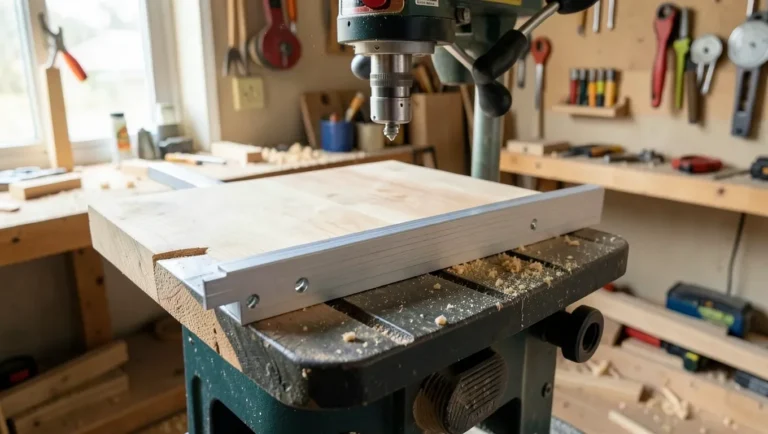
- Secure Your Workpiece: Always clamp your material firmly. This prevents it from spinning or moving, which is dangerous and can damage the bit and your workpiece.
- Mark Your Spot: Use a center punch (or a strong nail) to create a small indentation where you want to drill. This gives the bit a place to start and prevents it from sliding.
- Choose the Right Speed: This is crucial for metal. A good rule of thumb: aim for 50–100 surface feet per minute (sfm) for HSS, and slower for cobalt in very hard materials. Drilling 1/4-inch steel might run 700–1000 RPM, while 1/2-inch steel needs 300–500 RPM.
During Drilling:
- Apply Steady, Firm Pressure: Let the drill bit do the work. Apply consistent downward pressure — don’t force it, but don’t be timid either.
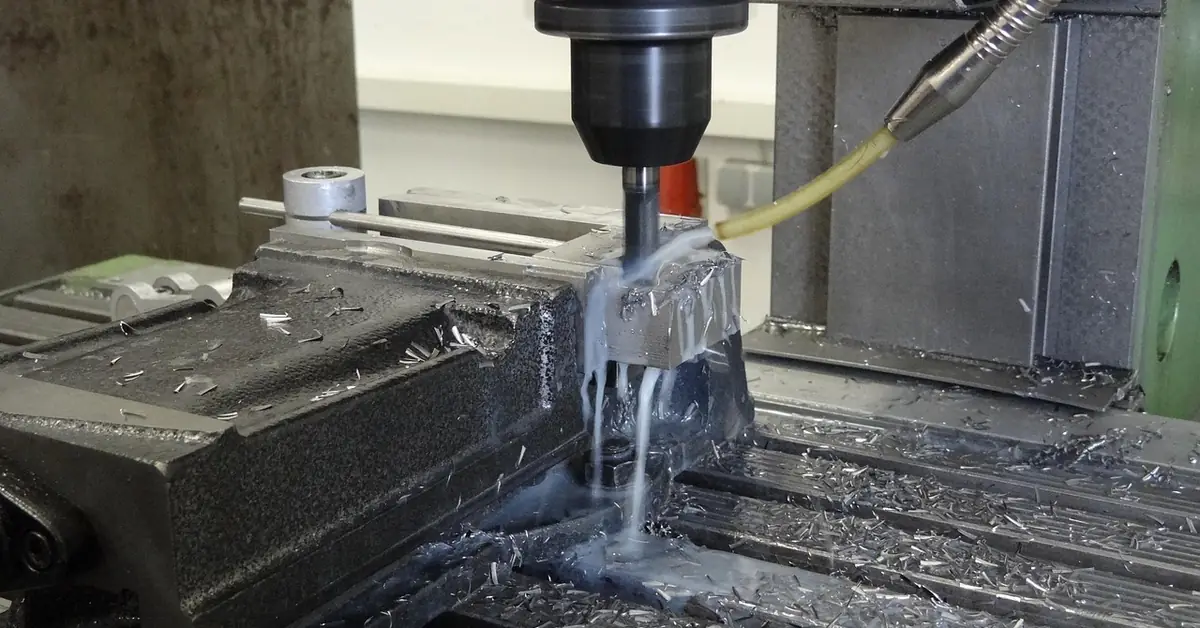
- Use Cutting Fluid or Lubricant: Non-negotiable when drilling hard metals. Cutting fluid reduces friction and heat and helps flush out metal shavings. Periodically withdraw the bit slightly and reapply.
- Clear Swarf Regularly: As you drill, metal shavings (swarf) build up in the flutes. Periodically pull the bit out while it’s still spinning slowly to clear it — packed swarf causes binding and overheating.
- Cool the Bit: On a deep hole, pause to let the bit and workpiece cool. Immerse the bit in water or let it air-cool if it’s too hot to touch.
The Mistake That Snaps Cobalt Bits (and How to Avoid It):
Cobalt’s one real weakness is brittleness under shock — not gradual wear. In practice, that means bits don’t dull and fail slowly like standard HSS; they snap suddenly, usually from one of three habits: dropping a bit onto a concrete floor, prying a stuck bit sideways instead of backing it straight out, or letting a drill press chuck run out-of-true so the bit wobbles under load. None of these show up as a warning sign beforehand — the bit just breaks. Store bits in a case (not loose in a drawer where they knock together), back a stuck bit straight out with the drill in reverse at low speed, and check chuck runout on a press before starting a hard-metal job. That single habit change accounts for most of the “cobalt bits are too brittle” complaints you’ll see in tool reviews — the alloy isn’t the problem, the handling is.
After Drilling:
- Clean Your Bits: Clean off remaining metal shavings and lubricant with a stiff brush.
- Store Them Properly: Store your bits in a drill bit organizer to protect the sharp edges and prevent damage. See our guide on sharpening a drill bit by hand once the edge starts to dull.
Cobalt Drill Bits vs. Other Types: A Quick Comparison
To truly appreciate the value of cobalt bits, let’s see how they stack up against other common drill bit types. For a deeper side-by-side, see our dedicated cobalt vs. titanium drill bits comparison.
| Drill Bit Type | Material | Hardness | Heat Resistance | Best For | Pros | Cons |
|---|---|---|---|---|---|---|
| High-Speed Steel (HSS) | Molybdenum and Tungsten steel alloy | Good | Moderate | Wood, plastics, soft metals (aluminum, brass), mild steel | Affordable, versatile, good for general use | Dulls quickly in hard metals, prone to overheating |
| TiN Coated HSS (Titanium Nitride) | HSS with a Titanium Nitride coating | Very Good | Good | Same as HSS, but with better performance in mild to medium-hard steel | Cuts faster, lasts longer than plain HSS, good for steel | Coating can wear off, still struggles with extremely hard metals |
| Cobalt (HSS-Co) | HSS with 5-8% Cobalt added (M35/M42) | Excellent | Excellent | Hard metals (stainless steel, cast iron, hardened steel), high volume drilling | Drills very hard materials, extreme durability, long life, high heat resistance | More expensive, can be slightly more brittle than regular HSS if abused |
| Carbide (Tungsten Carbide) | Tungsten Carbide particles bonded with metal | Exceptional | Exceptional | Extremely hard materials, concrete, masonry, very hard metals | Cuts through almost anything, very long life in appropriate applications | Very brittle, prone to chipping if dropped, expensive, requires high drill power |
Cobalt bits fill a crucial gap. They are designed for applications where standard HSS bits simply cannot perform. While carbide bits are even harder, their brittleness and intended use for materials like concrete make cobalt the premier choice for drilling into tough metals within typical workshop or DIY contexts.
The Proven Value of Cobalt Drill Bits
So, are cobalt drill bits good? The evidence overwhelmingly says yes for hard metal work. Their value comes from tackling difficult drilling jobs effectively and efficiently, saving time, frustration, and ultimately, money.
Think about the time saved by a bit that doesn’t constantly break or dull. Consider the cost of ruined projects from off-center holes or damaged materials caused by inadequate tools. For the DIY homeowner who occasionally needs to drill through a stainless steel appliance bracket or a cast iron pipe, the investment in a good M35 set means the job gets done smoothly, without calling a professional.
For those who work with metal more regularly — auto hobbyists, metalworkers, serious DIYers — cobalt drill bits aren’t just a good investment, they’re essential. They provide a level of performance and longevity that justifies their cost many times over.
Cobalt Drill Bits: A Cost-Benefit Analysis for the DIYer
Let’s break down the costs and benefits in a more practical sense:
Costs:
- Higher Initial Purchase Price: Cobalt drill bits cost more than standard HSS bits — a single cobalt bit can run several times more than an equivalent HSS bit, and a full M42 set often runs $30–$75 versus $12–$35 for an M35 set.
- Potential for Brittleness: While robust, if subjected to impact or improper use (see the handling section above), they can be more prone to snapping than softer steel bits.
Benefits:
- Extended Lifespan: They last significantly longer when used for their intended purpose, meaning fewer bits bought over time.
- Reduced Project Time: Faster drilling means less time spent on each hole in hard materials.
- Fewer Tools Needed: One or two cobalt bits can complete a job that would burn through multiple standard bits.
- Reduced Material Waste: Precise drilling with a sharp, capable bit reduces the chance of missed holes or damaged workpieces.
- Safety: A bit that performs predictably and doesn’t bind or break unexpectedly contributes to a safer work environment.
For the homeowner who only drills metal occasionally, a small M35 set in the most common sizes (1/8″, 3/16″, 1/4″, 5/16″) is a wise move. For professionals or serious hobbyists who frequently drill hard metals, a comprehensive M42 set is closer to a necessity. See our full drill bit pricing breakdown for how cobalt compares to other bit types dollar-for-dollar.
Frequently Asked Questions About Cobalt Drill Bits
Do I need a special drill for cobalt drill bits?
No, you can use them with any standard drill (corded or cordless). Make sure your drill has variable speed control so you can run the slower speeds recommended for hard metals.
How do I know if a drill bit is cobalt?
Cobalt drill bits are usually bronze/gold to a darker, almost blackish hue, compared to the silver or metallic grey of standard HSS bits. Most are stamped “Cobalt,” “Co,” “M35,” or “M42” in the part number. Check the packaging if you’re unsure.
Can I use cobalt drill bits on wood or plastic?
Yes, but it’s usually not recommended. They work, but they’re overkill and can generate more heat, potentially melting softer plastics. Standard HSS bits are better suited and more economical for wood and other soft materials.
Are cobalt drill bits better than titanium drill bits?
For hard metals like stainless steel and cast iron, yes — cobalt’s heat resistance holds up longer under sustained hard-metal drilling. For general DIY use on mild steel, wood, and plastic, titanium-coated HSS bits are cheaper and perform nearly as well, so cobalt’s extra cost isn’t always justified.
How long do cobalt drill bits last?
With proper use (correct speed, cutting fluid, and clamped work), an M42 cobalt bit can drill hundreds of holes in stainless steel or cast iron before it needs sharpening — several times the life of a standard HSS bit in the same material. Lifespan drops sharply if the bit overheats from running too fast or dry.
Sponsored / affiliate links. As an Amazon Associate I earn from qualifying purchases. I may earn additional commission from eligible campaigns.