How Does An Impact Drill Work? (Beginner Guide)
Ever looked at a power drill and wondered what the extra button or setting does? Or maybe you’ve heard terms like “impact driver” and “impact drill” and felt a bit lost. It’s okay!
These tools are super handy, but understanding how they tick can feel like a puzzle. We’re here to break it all down, nice and simple. No jargon, just clear talk about how an impact drill works, so you can use it with confidence.
Let’s dive in.
An impact drill works by combining a spinning action with a hammering force. This powerful, percussive action helps it drive screws and drill through tough materials much easier than a regular drill. Its unique mechanism makes tough jobs feel simpler.
What is an Impact Drill and How Does It Work?
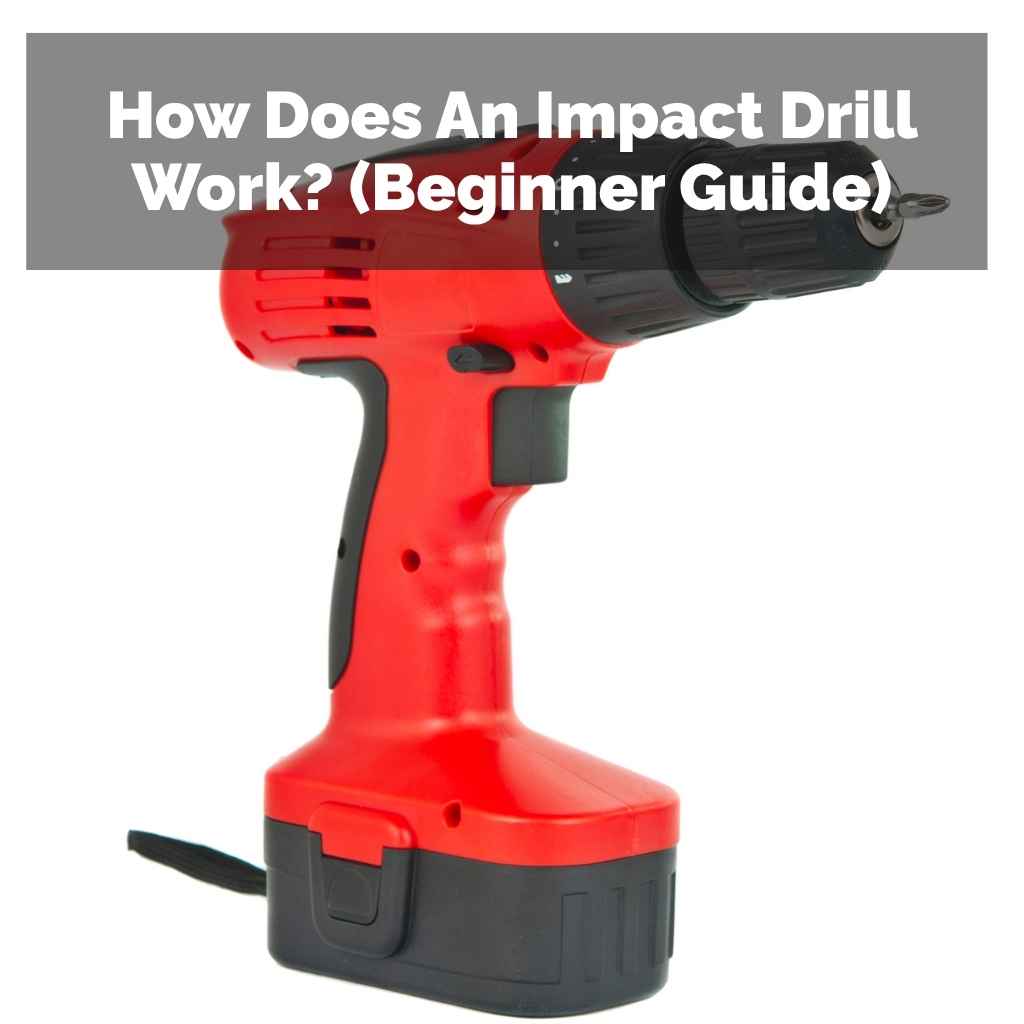
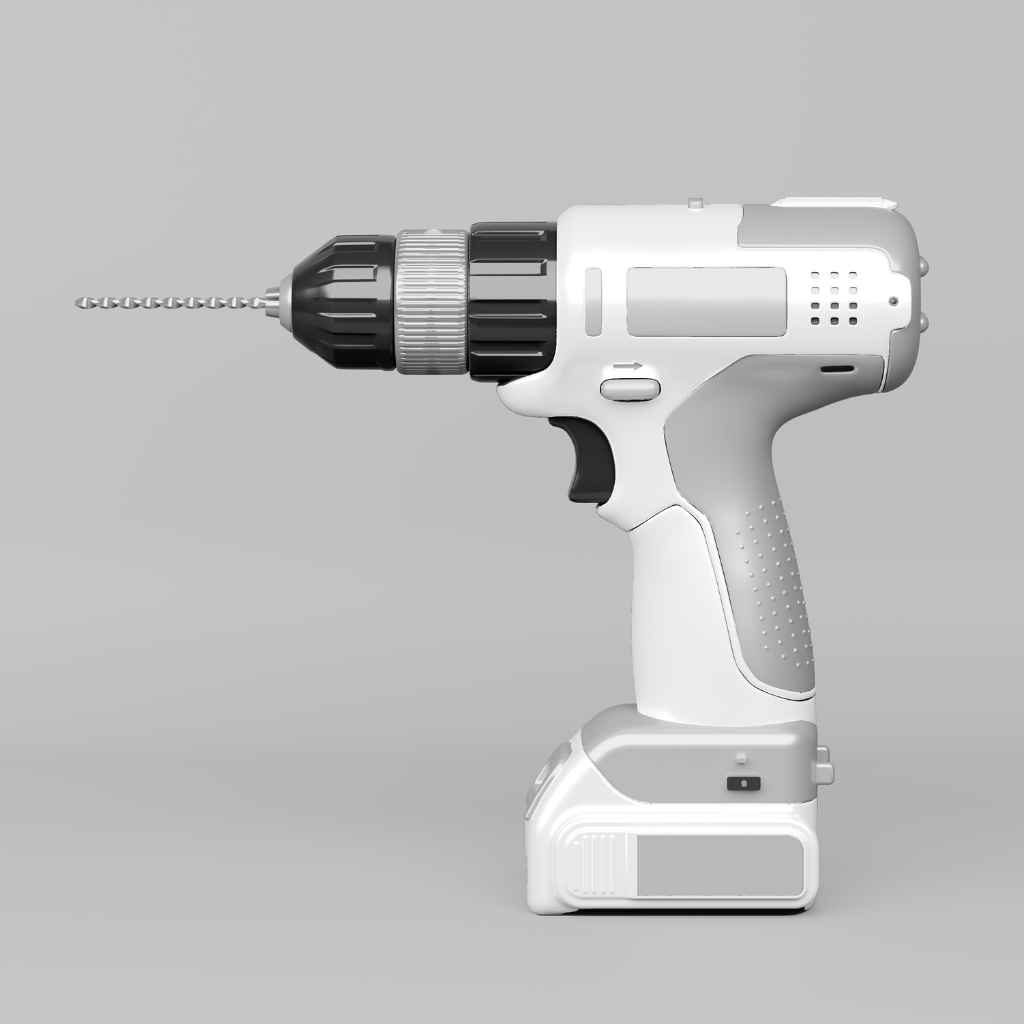
An impact drill is a power tool designed for driving screws and drilling holes. It’s a bit like a super-powered drill. What makes it special is its ability to deliver a strong, hammering blow while it spins.
This is called “impact action.” It’s not a continuous hammering like a hammer drill, though. Instead, it’s a series of quick, powerful twists and bangs.
Think about trying to screw a long screw into hard wood by hand. It’s tough, right? You have to push hard and twist until your arm aches.
A regular drill helps a lot. But an impact drill makes it feel almost effortless. The impact action gives it extra power.
It’s like a tiny, controlled hammer hitting the screw head repeatedly as it turns. This helps the screw bite into the material and go in deeper with less effort from you.
So, how does this magic happen? It’s all about a clever internal mechanism. Most impact drills have a motor that turns a set of gears.
These gears are connected to a special clutch. When you pull the trigger, the motor spins. If the drill is set to impact mode, the clutch engages.
This engagement allows the spinning gears to hit against each other in a specific way. It’s this hitting action that creates the rapid hammering or “impact” you feel and hear.
This impact force is delivered along the axis of the drill bit. That means it’s pushing straight forward as the bit turns. This is different from a hammer drill.
A hammer drill also hammers, but its hammering action is often more continuous and perpendicular to the bit. Impact drills are tuned for rotational power with percussive bursts. This makes them great for driving fasteners.
The strength of the impact can often be adjusted. You might have different speed settings or torque settings. Higher settings mean more powerful impacts.
Lower settings are for delicate work or when you don’t want to over-drive a screw. Understanding these settings is key to using your impact drill safely and effectively.
The core idea is to add a strong, short burst of force. This force helps overcome resistance. It’s like giving the screw or drill bit a little shove forward with each turn.
This prevents the bit from slipping. It also helps it cut through tough materials faster. This is why impact drills are favorites for many tasks, from building decks to putting up drywall.
My Own Experience: That Time I Almost Gave Up on Deck Screws
I remember building my first deck. It was a hot summer day, and I was so excited to get started. I had a brand-new regular drill.
I’d used it for small home repairs before, and it was fine. But when I started driving the long, thick screws into the deck joists, my arms felt like they were going to fall off. I’d twist and twist, and the screw would only go in a little bit.
Then, the drill bit would slip. I’d strip the screw head. It was so frustrating!
Sweat was dripping into my eyes. I was starting to think maybe I wasn’t cut out for this kind of work. I felt a wave of annoyance, then doubt.
Was this project too big for me? I stared at the half-driven screw, then at my trusty but failing drill. I had about fifty more of those screws to go.
Fifty!
That’s when my neighbor, a seasoned DIYer, walked over. He saw my struggle. With a chuckle, he pulled out his own drill.
It looked a little different – bulkier, with a distinct shape. He called it an impact driver. He showed me how he used it.
He put the screw in, squeezed the trigger, and that screw just vanished into the wood. No slipping, no straining. Just a fast, powerful drive.
He explained how it worked with a quick, rhythmic hammering action. I was amazed. It was like watching magic.
He let me try it. The moment I squeezed the trigger, I understood. The drill didn’t just spin; it also buzzed and vibrated with a powerful force.
It felt like the tool was doing all the hard work for me. That day, my whole perspective on DIY power tools changed. I learned that having the right tool for the job makes all the difference.
And an impact drill was definitely the right tool for those stubborn deck screws.
That experience taught me a valuable lesson about tool power and design. It’s not just about speed or torque. It’s about how the tool delivers that power.
The impact action was the key. It solved a problem I thought was beyond my skill or strength. It showed me that sometimes, the most impressive solutions are the ones that combine simple actions in smart ways.
I’ve been an impact drill fan ever since.
Key Parts of an Impact Drill
Motor: This is the heart of the tool. It powers the rotation and the impact mechanism.
Gearbox: It adjusts the speed and torque from the motor. It also works with the clutch.
Impact Clutch/Mechanism: This is the special part. It creates the hammering action. It’s a set of cams or hammers that strike a drive shaft.
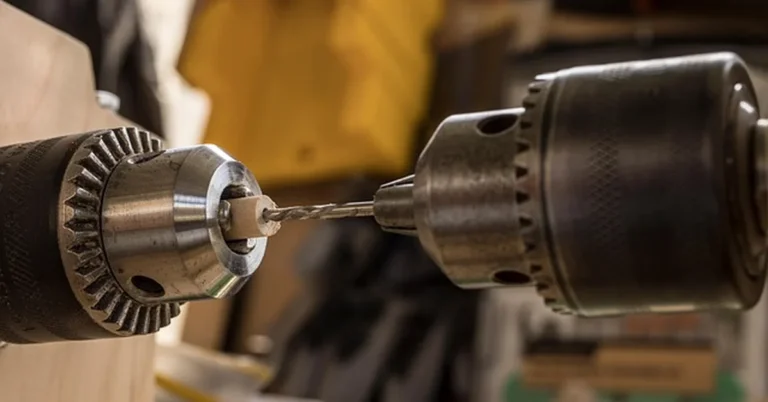
Chuck: This holds the drill bit or screw bit securely in place. Impact drill chucks are often designed to handle higher forces.
Trigger: Controls the speed and power. Variable speed triggers let you control how fast it spins.
Forward/Reverse Switch: Lets you change the direction the tool spins.
Speed/Torque Settings: Knobs or buttons to adjust how much power and impact the tool delivers.
The Science Behind the Smash: How the Impact Mechanism Works
Let’s get a bit more technical, but still keep it simple. The core of an impact drill’s power lies in its internal impact mechanism. Most of these use a system of rotating hammers or cams.
When you pull the trigger, the motor spins a drive shaft. This shaft has lobes or cams on it.
These cams engage with a separate hammer mechanism. As the drive shaft spins, the cams push against the hammers. This forces the hammers to rotate and then spring back.
When the hammers spring back, they strike the end of the output shaft. This output shaft is what turns the chuck and your drill bit.
Imagine a tiny, spinning pinwheel. As it spins, it keeps bumping into another small piece. Each bump is quick and strong.
This repeated bumping is the impact. It’s not a constant, grinding force. It’s a series of sharp, percussive blows.
These blows are delivered very rapidly, often thousands of times per minute.
The clutch system is crucial. It decides when these impacts happen. In a regular drill, the motor just spins the output shaft directly.
In an impact drill, there’s a clutch that allows the hammering part to engage. When resistance increases, or when you’re in impact mode, the clutch allows the hammers to strike. This means the tool only hammers when it needs to.
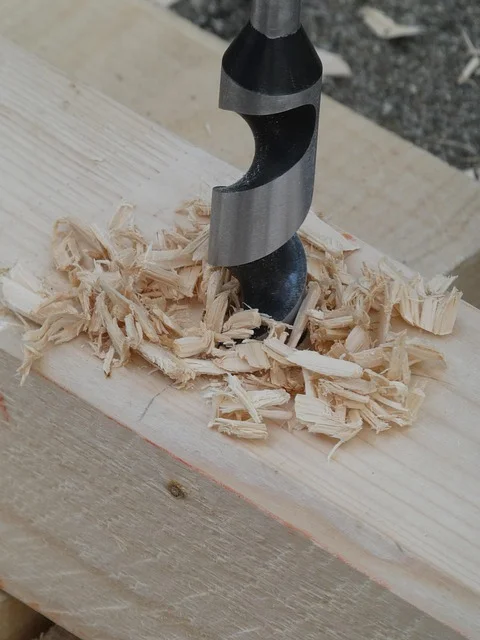
This percussive action helps in two main ways. First, it breaks through tough materials. When you’re drilling into concrete or dense wood, the impacts help chip away at the material.
This makes it easier for the drill bit to advance. Second, when driving screws, the impacts help the screw threads grip better.
They effectively push the screw in with force. This reduces the chance of the screw camming out or stripping the head. The forward force of the impacts helps keep the bit engaged.
It’s a powerful combination of rotational force and sudden thrust. This is why an impact drill can drive screws that a regular drill would struggle with.
The forces involved are quite high. That’s why impact drills are built to be robust. The chuck, gears, and internal parts are all made to withstand these repeated shocks.
You can often feel the vibration in your hand when the impact action is active. It’s a sign that the tool is working hard to get the job done. And it’s doing it with a very specific, powerful kind of force.
Impact Drill vs. Hammer Drill: What’s the Difference?
- Impact Drill: Delivers rotational impacts (twisting hammer blows) for driving screws and drilling. Great for fasteners and tough materials.
- Hammer Drill: Delivers linear impacts (perpendicular hammering) combined with rotation. Best for drilling into masonry like concrete and brick.
For the full side-by-side breakdown — torque behavior, best use cases, and which one to buy first — see our impact drill vs hammer drill comparison guide.
Common Misunderstandings About Impact Drills
Many people mix up impact drills with regular drills. Or they think they’re the same as hammer drills. This is where confusion starts.
A regular drill just spins. It has torque, but no hammering action. It’s fine for light tasks and drilling softer materials.
But it struggles with really hard jobs.
A hammer drill, as we touched on, hammers in and out, like a jackhammer. This is perfect for making holes in concrete or stone. It breaks up the hard material.
An impact drill, on the other hand, hammers sideways or rotationally. It’s designed to add extra twisting force to a screw or drill bit. It’s less about breaking rock and more about forcing a fastener in.
The direction and type of impact are key differences.
Another common thought is that impact drills are only for professionals. This used to be more true. But now, they are much more accessible.
They come in corded and cordless versions. Many DIYers find them invaluable. They make tasks easier and faster.
They can save your arms from fatigue. So, they are for anyone who tackles tough DIY projects.
Some people worry about over-driving screws with an impact drill. Because they are so powerful, it’s easy to strip a screw head or sink it too deep. This is a valid concern.
However, most modern impact drills have variable speed triggers. They also have adjustable torque settings. You can learn to feather the trigger.
You can use lower torque settings for delicate work. With a little practice, you can control the depth precisely.
It’s also a misunderstanding to think that impact drills only drive screws. While that’s a primary use, they are also excellent for drilling. They can drill holes in wood and metal much faster than a regular drill, especially in thicker materials.
The impacts can help clear out debris from the hole too.
Finally, some believe the noise is a problem. Yes, impact drills are louder than regular drills. The hammering action creates a distinct rattling sound.
However, this is part of its effectiveness. It’s a trade-off for the power it delivers. Safety glasses and ear protection are always a good idea when using any power tool, including impact drills.
Impact Drill vs. Regular Drill vs. Hammer Drill
| Tool Type | Primary Action | Best For |
|---|---|---|
| Regular Drill | Rotation only | Light drilling, simple screw driving |
| Impact Drill | Rotation + Rotational impacts | Driving long screws, tough materials, wood/metal drilling |
| Hammer Drill | Rotation + Linear impacts | Drilling into masonry (concrete, brick) |
The Anatomy of an Impact Driver (Often Confused with Drill)
It’s important to clarify that the term “impact drill” is sometimes used loosely. Many people are actually thinking of an impact driver. While they both have impact mechanisms, they are different tools.
Impact drivers are specialized for driving screws. They have a unique chuck system. This system is designed to handle the high torque and impact forces specific to fasteners.
An impact driver typically has a 1/4-inch hex collet. This is where you insert hex-shank bits. These bits are very strong.
The collet is a spring-loaded sleeve. You push the bit in, and it snaps into place. This makes bit changes quick and easy.
You don’t need a chuck key.
The motor in an impact driver is designed for bursts of high torque. The impact mechanism delivers those rotational blows directly to the hex shank of the bit. This means very little energy is lost.
Almost all the power goes into turning and hammering the screw.
Impact drivers are generally more compact and lighter than impact drills. They are built for rapid screw driving. They are not typically designed for drilling larger holes in hard materials like concrete.
For that, you’d want a hammer drill or a dedicated rotary hammer.
Some “impact drills” on the market are actually combination tools. They can function as a regular drill, a hammer drill, and sometimes even have an impact driver mode. However, a dedicated impact driver is usually more powerful and efficient for its specific task.
Understanding the tool’s primary design helps you use it best.
So, when we talk about how an impact drill works, we’re often describing the mechanism that’s also found in an impact driver. The core principle of combining rotation with percussive, twisting force is the same. It’s the application and the specific tool design that differ.
For the home DIYer, the lines can blur, but the function remains about added force.
When to Use an Impact Driver (or Impact Drill for Screwing)
- Driving long screws: Decks, fences, framing.
- Driving screws into hard wood: Oak, maple, or pressure-treated lumber.
- Quickly fastening many screws: Drywall, subflooring.
- Removing stubborn screws: The impact can help break them free.
- Working in tight spaces: Their compact size helps.
Choosing the Right Bit for Your Impact Tool
Using the right bit with your impact tool is super important. It’s not just about the shape of the tip. It’s also about the strength of the bit itself.
Regular drill bits or screwdriver bits are not designed for the forces of an impact tool.
Impact drivers and drills require special bits. These are often called “impact-rated” or “impact-resistant” bits. They are made from stronger steel.
They have a more robust design. This allows them to withstand the repetitive shocks and high torque without breaking. A regular bit can shatter or deform under impact.
This is dangerous and can ruin the fastener head.
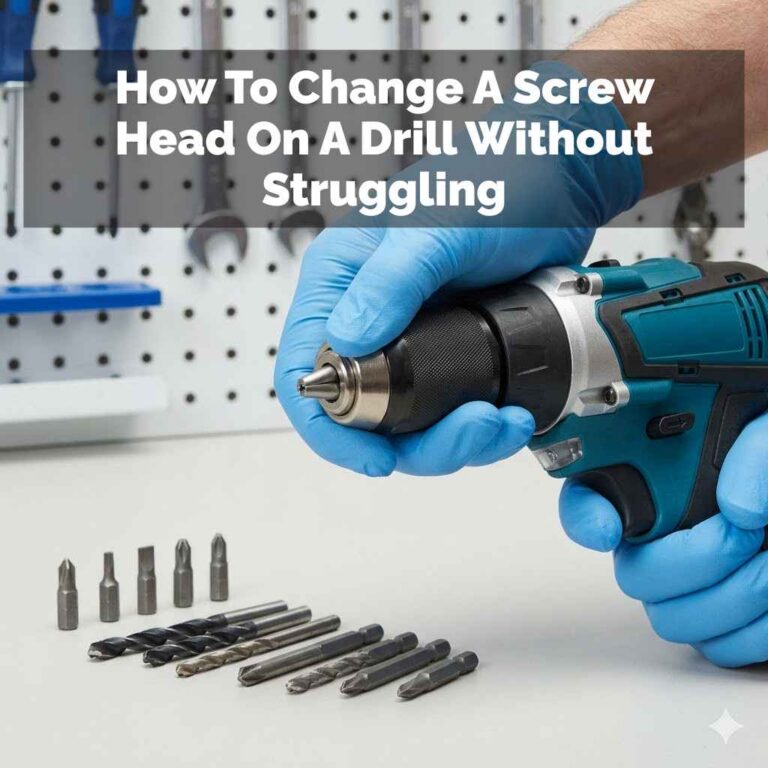
For driving screws, you’ll use screwdriver bits like Phillips, Torx, or square drive bits. Make sure the bit fits snugly into the screw head. A loose fit will cause the bit to slip and damage the screw.
Many impact bits have a bit of flexibility built into them. This flex zone absorbs some of the shock.
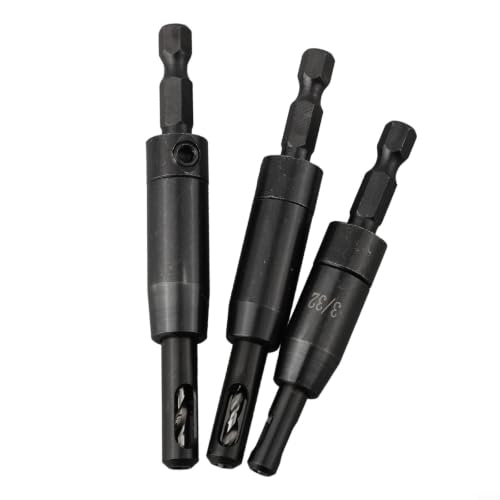
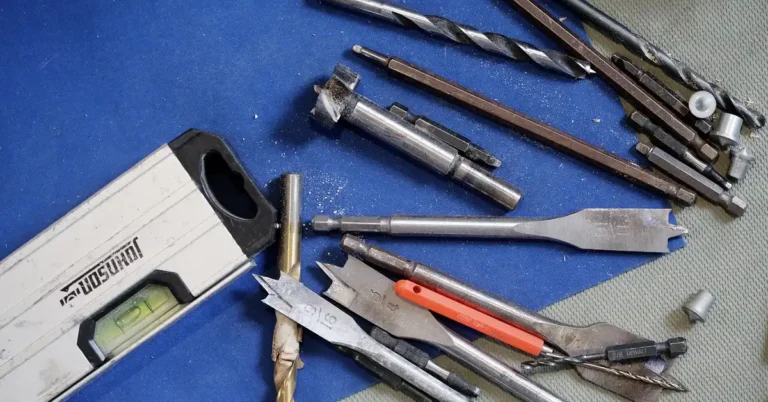
For drilling, you’ll need drill bits. For wood, standard twist bits or spade bits work. For metal, you’ll want cobalt or titanium-coated bits.
For masonry, you need a masonry bit. Always ensure the bit you choose is rated for impact use if your tool has that function engaged. Some bits are specifically labeled as “impact duty.”
The type of chuck on your tool matters too. An impact driver has a hex collet. You can only use hex-shank bits in it.
An impact drill might have a standard three-jaw chuck, like a regular drill. This allows you to use a wider variety of bits. However, you still need to ensure the bits themselves are strong enough for impact use.
Always check the tool’s manual and the bit manufacturer’s recommendations.
Using the wrong bit is a common mistake. It leads to frustration, damaged fasteners, and potentially broken tools or bits. Investing in a good set of impact-rated bits is a smart move for anyone who uses an impact tool regularly.
They are designed to work in harmony with the tool’s mechanism.
Quick Bit Selection Guide
- Screw Driving: Use impact-rated screwdriver bits (Phillips, Torx, Square). Ensure a good fit.
- Wood Drilling: Use impact-rated wood bits (twist bits, brad-point bits).
- Metal Drilling: Use impact-rated cobalt or titanium bits.
- Masonry Drilling: Use impact-rated masonry bits (carbide-tipped).
- Always check: Tool and bit manufacturer guidelines for compatibility.
Power Sources: Corded vs. Cordless Impact Drills
Like most power tools, impact drills come in two main types based on their power source: corded and cordless.
Corded Impact Drills: These plug into a standard wall outlet. They offer consistent, unlimited power. You never have to worry about batteries dying mid-job.
They are often more affordable upfront. The downside is the cord itself. It can get in the way.
It limits your range of movement. You need to be mindful of tripping hazards and extension cords.
Cordless Impact Drills: These run on rechargeable batteries. This is where most of the innovation is happening. Modern cordless tools are incredibly powerful.
They offer great freedom and portability. You can take them anywhere. They are perfect for jobs outside or far from an outlet.
Battery technology has improved a lot. Run times are longer. Charging is faster.
The main consideration for cordless tools is battery life and compatibility. Most brands use a battery system. If you own other tools from the same brand, you can often share batteries.
This can save money. When choosing a cordless impact drill, look at the battery voltage (e.g., 18V, 20V Max) and its amp-hour (Ah) rating. Higher voltage and Ah usually mean more power and longer run time.
But they also mean heavier batteries.
For heavy-duty, continuous work, a corded tool might still be preferred. But for most home users and even many professionals, the convenience of cordless tools is hard to beat. The advancements in battery technology have closed the power gap significantly.
Many cordless impact drills now rival their corded counterparts in performance.
When you’re looking at impact drills, think about where you’ll be using it most. If you’re always near an outlet, corded might be fine. If you’re building a deck in the backyard or working on a remote site, cordless is likely the better choice.
Battery management is key for cordless users. Keeping spare batteries charged ensures you can keep working.
Corded vs. Cordless: Key Differences
- Corded: Unlimited power, consistent, generally cheaper upfront. Limited mobility, cord hassle.
- Cordless: Great freedom, portable, modern power. Battery life dependent, requires charging, can be more expensive initially (tool + batteries).
Real-World Scenarios Where Impact Drills Shine
Impact drills are incredibly versatile. They make certain tasks much easier. Think about building furniture.
You’re often driving long screws into particle board or hardwood. An impact drill can sink those screws quickly and without stripping the heads. This saves time and frustration.
It leads to a sturdier final product.
When it comes to home improvement projects, they are invaluable. Installing new cabinets? Driving screws into studs for shelves?
Putting together a shed? An impact drill handles these tasks with ease. It gives you the power to get the job done right the first time.
No more struggling with screws that won’t go in all the way.
Outdoor projects are another big area. Building a deck, as I mentioned, is a classic example. Fencing installation involves driving long screws or lag bolts into posts and railings.
Outdoor furniture assembly is also made much simpler. The forces involved in these projects can be significant, and an impact drill is up to the challenge.
Even simple tasks can benefit. Hanging heavy items on the wall, like a large mirror or a TV mount, often requires driving substantial screws into wall studs. An impact drill ensures those screws go in securely.
This provides peace of mind knowing the item is safely attached. It’s about having the confidence that your fasteners are holding strong.
Consider automotive repairs. While not always the first tool for precision work, an impact driver (which is very similar in function) is great for removing stubborn bolts or screws. The rapid impacts can help break rusted or seized fasteners loose.
This is a task that can be incredibly difficult with a regular drill or by hand.
The key is that impact tools deliver a concentrated burst of force. This is perfect for overcoming static friction. It’s also useful for breaking the initial resistance of a material.
This makes them ideal for applications where you need more than just simple rotation. They provide that extra punch when you need it most.
Common Projects for Impact Drills
- Deck Building: Driving deck screws into joists.
- Fence Installation: Fastening pickets and rails.
- Furniture Assembly: Especially with long screws.
- Cabinet Installation: Securing cabinets to studs.
- Shed Construction: Assembling frame and siding.
- Hanging Heavy Items: Ensuring secure mounting.
What This Means for Your DIY Projects: When is it Worth It?
If you find yourself struggling with screws, or if your regular drill feels underpowered for common tasks, then an impact drill is likely worth considering. It’s not just about having a tool that’s more powerful; it’s about having a tool that makes tasks easier, faster, and more enjoyable.
For anyone who does more than just occasional light repairs, an impact drill can be a game-changer. It reduces user fatigue significantly. Driving dozens or hundreds of screws by hand or with a regular drill can be exhausting.
An impact drill takes much of that strain away. This means you can work longer and more comfortably.
It also means better results. When screws are driven properly and securely, your projects are stronger and look more professional. There’s less chance of screws backing out over time.
There’s less risk of damaging the material you’re working with due to over-tightening or bit slippage.
Think about the cost. While an impact drill might be a bit more expensive than a basic drill, the time and effort it saves can quickly justify the investment. Plus, modern impact drills are very reliable.
They are built to last.
When is it not worth it? If you only ever need to hang a picture frame or tighten a loose cabinet handle, a regular drill might be sufficient. If you plan on drilling a lot of holes in concrete, a dedicated hammer drill or rotary hammer is a better choice.
An impact drill excels at driving fasteners and drilling in wood and metal.
Ultimately, it comes down to your typical projects. If you’re building shelves, assembling furniture, working on outdoor structures, or just want to make screw-driving easier, an impact drill is a fantastic addition to your toolbox. It’s a tool that delivers noticeable benefits for a wide range of common DIY tasks.
When to Seriously Consider an Impact Drill
- You strip screw heads often.
- Your arms get tired quickly when driving screws.
- You’re working with long or large screws.
- You’re building something significant (deck, fence, furniture).
- Your current drill feels underpowered for basic tasks.
Quick Tips for Using Your Impact Drill Safely and Effectively
Using an impact drill is generally straightforward, but a few tips can help you get the most out of it and stay safe. First, always wear safety glasses. The impacts can sometimes cause small debris to fly.
Ear protection is also recommended, as they can be loud.
Second, start slow. When driving a new screw or drilling into a new material, begin with a lower speed and lighter trigger pull. Once the bit is engaged and the screw is biting, you can increase speed.
For screws, ease up on the trigger as the screw gets close to the desired depth to avoid over-driving.
Third, use the right bit and ensure it’s seated properly. A loose bit is dangerous and ineffective. For impact drivers with a hex collet, push the bit in until it clicks.
For impact drills with a standard chuck, tighten it firmly around the bit.
Fourth, maintain a firm grip. Impact tools can be powerful. They can sometimes twist unexpectedly, especially when starting a screw or hitting an obstruction.
Keep a solid hold on the tool. Brace yourself if necessary.
Fifth, understand your tool’s settings. If it has variable speed, use it to your advantage. If it has torque settings, start low and increase as needed.
Some tools have specific settings for driving or drilling. Learn what each setting does.
Finally, keep your tool clean and maintained. Brush away dust and debris. Check the chuck for damage.
If you have a cordless tool, keep your batteries charged and store them properly. Regular maintenance ensures your tool works well and lasts a long time.
Frequently Asked Questions About Impact Drills
Can I use an impact drill to drill holes in concrete?
While an impact drill has hammering action, it’s designed for rotational impacts. For drilling into concrete or masonry, a hammer drill or a rotary hammer is much more effective. Their hammering action is linear, designed to break apart hard materials.
Will an impact drill strip screws?
Yes, it’s possible to strip screws, especially if you’re not careful. Because impact drills are so powerful, it’s easy to over-drive a screw or drive it too deep. Using variable speed triggers, lower torque settings, and easing up on the trigger as the screw goes in can prevent this.
What’s the difference between an impact drill and an impact driver?
An impact driver is a specialized tool primarily for driving screws. It has a 1/4-inch hex collet. An impact drill is more versatile, often having a standard chuck.
It can drill and drive screws with its impact mechanism. Many people use the terms interchangeably, but a dedicated impact driver is often more powerful for screw driving.
How do I know if my drill has an impact function?
Look for a setting or mode switch on your drill. It might be a symbol that looks like a hammer or a series of lines. It might also be a separate button.
If your drill has a mode for drilling and a mode for hammer drilling, it’s a hammer drill. If it has a mode for driving screws with impacts, it’s an impact drill or driver.
Are impact drill bits different from regular drill bits?
Yes, impact drill bits are specially made to withstand the high torque and shock of impact tools. They are made from stronger steel. Regular drill bits or screwdriver bits can break or deform when used with an impact tool.
Always use bits labeled as “impact-rated” or “impact-resistant” for safety and best performance.
How loud are impact drills?
Impact drills are generally louder than regular drills. The hammering action creates a distinct, repetitive sound. It’s recommended to wear hearing protection when using them for extended periods.
Conclusion: Powering Through Your Projects
Understanding how an impact drill works reveals a clever combination of rotation and percussive force. This unique mechanism makes driving screws and drilling tough materials much easier. Whether you’re a seasoned DIYer or just starting out, an impact drill can be a valuable tool.
It simplifies challenging tasks, reduces fatigue, and helps you achieve better results. Consider your projects and see if this powerful tool is the right fit for your toolbox.
Sponsored / affiliate links. As an Amazon Associate I earn from qualifying purchases. I may earn additional commission from eligible campaigns.