Deck Stain for Pressure Treated Wood: Best Picks & Tips
For pressure treated wood, use a high-quality deck stain to protect and enhance the wood. Deck stains like Timber Oil Deep Penetrating Stain are ideal for new and aged pressure treated pine wood, offering deep penetration and long-lasting protection.
When it comes to protecting and enhancing the natural beauty of pressure treated wood, choosing the right deck stain is crucial. With various options available in the market, selecting the best deck stain for pressure treated wood can be a daunting task.
In this guide, we will explore the features to look for in a deck stain, the benefits of using a deck stain for pressure treated wood, and some top recommendations to help you make an informed decision.
Choosing The Right Stain
Choosing the right stain for your pressure-treated wood deck is crucial. Consider using Timber Oil, a deep-penetrating stain that works well on both new and aged pressure-treated pine wood. Make sure to clean and brighten the wood before staining to achieve optimal results.
Factors To Consider
When it comes to choosing the right stain for your pressure treated wood deck, there are several factors to consider. Taking the time to evaluate these factors will ensure that you select a stain that not only enhances the natural beauty of the wood but also provides long-lasting protection against the elements.
Stain Type Varieties
There are different types of stains available in the market, each with its own unique features and benefits. Understanding the different stain type varieties will help you make an informed decision and choose the best one for your specific needs.
Here are some popular stain types to consider for your pressure treated wood deck:
- Semi-Transparent Stain: This type of stain allows the natural grain and texture of the wood to show through while providing moderate protection against UV rays and moisture.
- Transparent Stain: Transparent stains offer minimal pigment and allow the wood’s natural color to shine through. They provide minimal protection against UV rays and moisture.
- Solid Stain: Solid stains have a higher pigment content and offer more color options. They provide excellent protection against UV rays and moisture, making them ideal for heavily trafficked areas.
- Semi-Solid Stain: Semi-solid stains offer a balance between transparency and opacity. They provide good color coverage while still allowing some of the wood’s natural characteristics to show through.
By considering these factors and understanding the different stain type varieties, you can make an informed decision when choosing the right stain for your pressure treated wood deck. Remember to consider your personal preferences, the level of protection needed, and the overall aesthetic you want to achieve. With the right stain, you can enhance the beauty and longevity of your deck for years to come.
Prepping Pressure Treated Wood
Before applying deck stain to pressure treated wood, it is crucial to properly prepare the surface. This preparation process involves cleaning and brightening the wood, as well as considering whether sanding is necessary. By following these steps, you can ensure that your deck stain adheres well and provides long-lasting protection.
Cleaning And Brightening
Cleaning the pressure treated wood is the first step in prepping. This removes dirt, grime, mildew, and any previous stain or sealant. You can use a deck cleaner specifically formulated for pressure treated wood, or a mixture of water and mild detergent. Apply the cleaner with a scrub brush or a pressure washer, and make sure to thoroughly rinse the wood afterwards.
Brightening the wood is an optional but recommended step. This process helps to neutralize any remaining cleaner and brightens the wood’s natural color. Use a deck brightener product and follow the instructions carefully. Apply the brightener evenly and allow it to sit for the recommended amount of time before rinsing off.
Sanding: Is It Necessary?
Sanding pressure treated wood is not always necessary, but it can be beneficial in certain cases. If the wood has rough or splintered surfaces, sanding can help create a smoother finish. Additionally, if there are any previous coatings or stains that were not completely removed during the cleaning process, sanding can help to remove them.
When sanding pressure treated wood, it’s important to use a medium-grit sandpaper and sand in the direction of the wood grain. Be sure to wear protective eyewear and a dust mask. After sanding, thoroughly clean the wood to remove any dust or debris.
Keep in mind that sanding can remove some of the wood’s natural protective chemicals, so it’s crucial to apply a deck stain or sealant afterwards to protect the wood from moisture and UV damage.
By properly prepping pressure treated wood before applying deck stain, you can ensure a beautiful and long-lasting finish that enhances the natural beauty of the wood while providing protection against the elements.
Staining Steps
When it comes to staining pressure treated wood, it’s essential to follow the right steps to ensure a successful and long-lasting finish. Here are the key staining steps to achieve the best results:
Application Techniques
Proper application techniques are crucial to achieving a uniform and durable deck stain for pressure treated wood. Here are some essential techniques to keep in mind:
- Clean the surface thoroughly to remove any dirt, debris, and previous coatings.
- Apply the stain using a brush, roller, or sprayer for even coverage.
- Work in small sections to avoid uneven drying and lap marks.
- Follow the wood grain to ensure the stain penetrates evenly.
- Apply multiple thin coats for better protection and longevity.
Tools For The Job
Having the right tools can make the staining process more efficient and effective. Here are the essential tools for staining pressure treated wood:
| Tools | Benefits |
|---|---|
| Stiff-bristled brush | Effective for cleaning and prepping the wood surface. |
| Roller or sprayer | Ensures even application and coverage of the stain. |
| Paint tray or bucket | Convenient for dipping the brush or roller for consistent staining. |
| Protective gear | Includes gloves, goggles, and a mask for safety during the staining process. |
Best Stains For Pressure Treated Wood
When it comes to finding the best deck stain for pressure treated wood, Timber Oil deep penetrating stain is a top choice. It is ideal for both new and aged pressure treated pine wood, providing deep penetration and long-lasting protection.
Make sure to clean and brighten the wood before applying the stain for best results.
When it comes to protecting your deck or other outdoor wood structures, pressure treated wood is a popular choice due to its durability and resistance to rot and insects. However, even pressure treated wood needs to be protected from the elements, and a good deck stain is the best way to do it. But with so many options on the market, how do you know which one is right for you? Here are our top picks for the best stains for pressure treated wood.
Oil-based Options
Oil-based stains are a popular choice for pressure treated wood because they penetrate deep into the wood fibers, providing long-lasting protection against water and UV rays. Here are our top oil-based picks:
| Brand | Price | Features |
|---|---|---|
| Lowe’s | $189.00 | Pick up today, attractive, easy to use, good coverage, good weather resistance |
| Amazon.com | $167.80 | Free shipping, stain wood |
| The Stain Depot | $99.95 | Free shipping |
Water-based Wonders
Water-based stains are a newer option on the market, but they are quickly gaining popularity due to their low VOC content and ease of use. Here are our top water-based picks:
- Woodrich Brand Wood Stain Deck – $149.00
- Global Industrial Wood Stain Deck – $53.95
- Amazon.com Wood Stain 1 gallon Clear Surface Coating – $66.98 (5% off, 2 sizes, free shipping)
No matter which type of stain you choose, make sure to follow the manufacturer’s instructions carefully and apply the stain in the proper weather conditions for best results. With the right deck stain, your pressure treated wood will look great and last for years to come.
Color Selection
For a pressure treated wood deck, choosing the right color for deck stain is crucial. Opt for a color that complements the natural wood tones and provides protection against the elements. Consider a penetrating stain like Timber Oil for both new and aged pressure treated wood, ensuring to clean and brighten the surface before application.
Trending Stain Colors
When it comes to selecting a deck stain color for your pressure treated wood, it’s important to consider the latest trends. In 2021, muted and earthy tones are in demand, such as gray, brown, and beige. These colors not only look stylish, but also blend well with natural surroundings. For those looking for a bolder option, navy blue and forest green are also popular choices.
Matching Stain With Wood
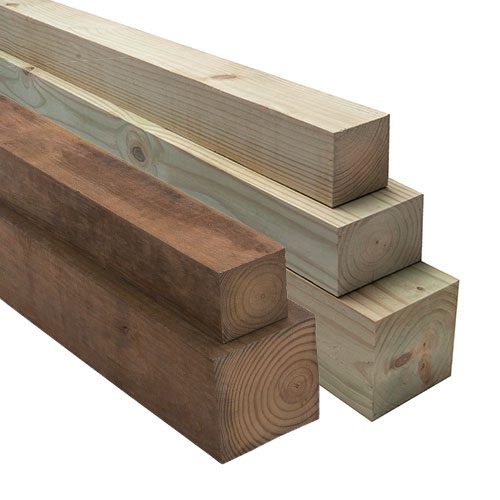
Matching the stain color with your pressure treated wood is crucial for a cohesive and polished look. While the natural color of pressure treated wood is green, it fades to a grayish hue over time. To combat this, opt for a stain that is a shade or two darker than the wood’s natural color. This will not only help to preserve the wood’s natural beauty, but also provide protection against weathering and UV rays.
Top Deck Stain Brands And Colors
| Brand | Price (per gallon) | Where to Buy | Popular Colors |
|---|---|---|---|
| Sherwin-Williams | $189.00 | In-store or online | Naval, Rockwood Redwood, Driftwood |
| Olympic | $99.95 | Online | Honey Gold, Cedar Naturaltone, Kona Brown |
| Cabot | $149.00 | In-store or online | Dark Slate, Redwood, Natural |
When selecting a deck stain, it’s important to choose a high-quality brand that offers a wide variety of colors. Sherwin-Williams, Olympic, and Cabot are some of the most popular and trusted brands on the market. Some of their best-selling colors include Naval, Honey Gold, and Dark Slate.
In conclusion, selecting the right color for your deck stain on pressure treated wood is essential for a beautiful and long-lasting finish. Keep in mind the latest trends, match the stain with the wood’s natural color, and choose a reputable brand for the best results.
Timing Your Stain Application
When it comes to timing your stain application for a deck made of pressure treated wood, it is important to consider the age of the wood. For new pressure treated pine wood, it is recommended to clean and brighten it before applying Timber Oil deep penetrating stain, which is a great choice for both new and aged wood.
The Brown Sugar color is a popular option.
When To Stain
Staining your pressure-treated wood deck helps in protecting it from harsh weather conditions and extending its lifespan. But timing your stain application is crucial to ensure maximum effectiveness. So, when is the best time to apply deck stain? The short answer is – wait at least 6 months after the installation of the pressure-treated wood. This allows the wood to dry out and reach the ideal moisture content level of around 15-20%. Staining the wood before it dries out completely can result in the stain not penetrating the wood, leading to peeling or flaking.
Weather And Season Considerations
The weather and season are crucial factors to consider when timing your stain application. The ideal temperature for staining is between 50-90°F, with low humidity and no rain in the forecast for 24-48 hours. Staining in high humidity or rainy conditions can result in uneven absorption and poor adhesion.
Summer is the best season for staining your deck as it provides the ideal weather conditions. However, if you plan to stain during the spring or fall, make sure to check the weather forecast and avoid staining during rainy or damp conditions.
In conclusion, timing your stain application is crucial to ensure maximum effectiveness. Wait at least 6 months after installation and choose a day with ideal weather conditions to get the best results.
Maintenance Tips
To maintain your pressure-treated wood deck stain, start by cleaning and brightening the wood before applying a deep-penetrating stain like Timber Oil. This will help protect the wood from weathering and UV damage, ensuring a longer-lasting and attractive finish. Regular maintenance and reapplication of the stain as needed will help preserve the wood’s appearance and integrity.
Regular Upkeep
To ensure your pressure-treated wood deck remains in good condition, it is essential to perform regular upkeep. This includes cleaning the deck surface with a gentle cleaner and a brush or pressure washer. It is recommended to use a cleaner that is specifically designed for deck surfaces and to follow the manufacturer’s instructions carefully. Additionally, you should regularly inspect the deck for any signs of damage, such as cracks or splintering, and address them promptly to prevent further deterioration.
Dealing With Wear And Tear
Despite regular upkeep, your pressure-treated wood deck may still show signs of wear and tear over time. To address this, you can consider applying a deck stain, which not only enhances the appearance of the wood but also offers protection against UV rays, water damage, and mildew growth. When selecting a deck stain, be sure to choose one that is specifically formulated for pressure-treated wood and follow the manufacturer’s instructions for application and maintenance.
Additional Tips
Here are some additional tips for maintaining your pressure-treated wood deck:
- Remove any debris, such as leaves and twigs, from the deck surface regularly to prevent mold and mildew growth.
- Avoid using harsh chemicals or power tools that can damage the wood surface.
- Apply a water repellent to the deck surface after cleaning to help prevent water damage.
- Consider applying a deck brightener to restore the natural color of the wood before applying a deck stain.
By following these maintenance tips, you can help ensure that your pressure-treated wood deck remains in great condition for years to come.
Sealer Vs. Stain
When it comes to protecting your pressure treated wood, choosing between a sealer and a stain can be a tough decision. Both options have their own set of pros and cons, and understanding the differences can help you make the right choice for your project.
Pros And Cons
Before diving into the debate of sealer versus stain, let’s take a closer look at the pros and cons of each:
| Sealer | Stain |
|---|---|
| Provides excellent water repellency | Enhances the natural beauty of the wood |
| Protects against UV rays | Offers color options to match your preferences |
| Preserves the natural look of the wood | Helps prevent cracking and warping |
| Requires more frequent reapplication | May hide imperfections in the wood |
Combining Stain And Sealer
If you’re looking for the best of both worlds, you can opt for a combined stain and sealer product. This option provides the protective benefits of a sealer while adding the aesthetic enhancements of a stain. It’s a convenient choice for those who want to streamline the wood protection process.

Frequently Asked Questions
What Is The Best Stain For Pressure Treated Wood Deck?
The best stain for a pressure treated wood deck is Timber Oil deep penetrating stain. It works well for new and aged pressure treated pine wood. For best results, clean and brighten new pine before staining. The Brown Sugar or Amaretto colors are recommended for pressure treated pine.
How Long Do You Have To Wait To Stain Pressure Treated Wood?
You should wait for approximately 4-6 weeks before staining pressure treated wood. This allows the wood to dry and properly acclimate to its surroundings, ensuring better absorption of the stain. Staining helps protect the wood from weathering and adds an aesthetic appeal to your deck or outdoor furniture.
Is It Better To Stain Or Seal Pressure Treated Wood?
It’s better to stain pressure treated wood for enhanced protection and color, while sealing helps to lock in the stain and provide additional waterproofing.
Do I Need To Sand Pressure Treated Wood Before Staining?
No, you do not need to sand pressure treated wood before staining. However, it is recommended to clean and brighten the wood before staining. Timber Oil deep penetrating stain is a popular choice for pressure treated wood decks. The Brown Sugar or Amaretto colors usually look best on pressure treated pine.
Conclusion
To protect your pressure treated wood deck, choosing the right deck stain is crucial. Timber Oil deep penetrating stain, such as the Woodrich Brand Deep Penetrating Timber Oil Wood Stain, is highly recommended for both new and aged pressure treated pine wood.
It is important to clean and brighten new pine before staining. The Brown Sugar or Amaretto colors tend to look best on pressure treated pine. Whether you want to maximize the natural look or add warmth to your deck, a quality deck stain will provide the necessary protection and enhance the beauty of your pressure treated wood.