Difference between Engineered Hardwood And Laminate: A Comparative Guide
Are you planning to revamp your floors but feeling stuck between choosing engineered hardwood and laminate? You’re not alone.
This decision can be daunting because both options offer unique benefits and challenges. You want a floor that not only looks stunning but also fits your lifestyle and budget. Understanding the differences between these two popular flooring choices is crucial.
Imagine knowing exactly what each option offers and how it aligns with your needs. We’ll break down the essential differences, making it easier for you to make a confident decision. Let’s dive in and explore which flooring is truly the perfect fit for your home.
Material Composition
Credit: cleanmyspace.com
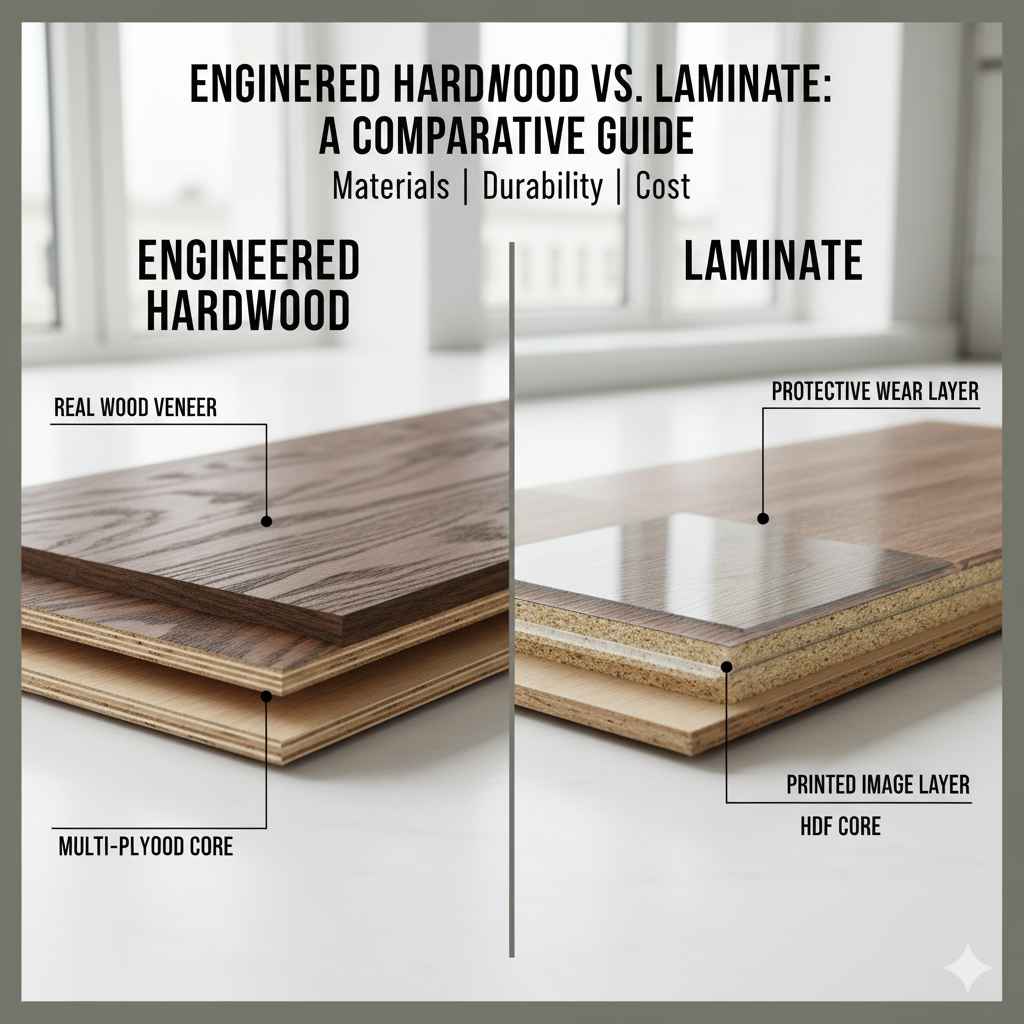
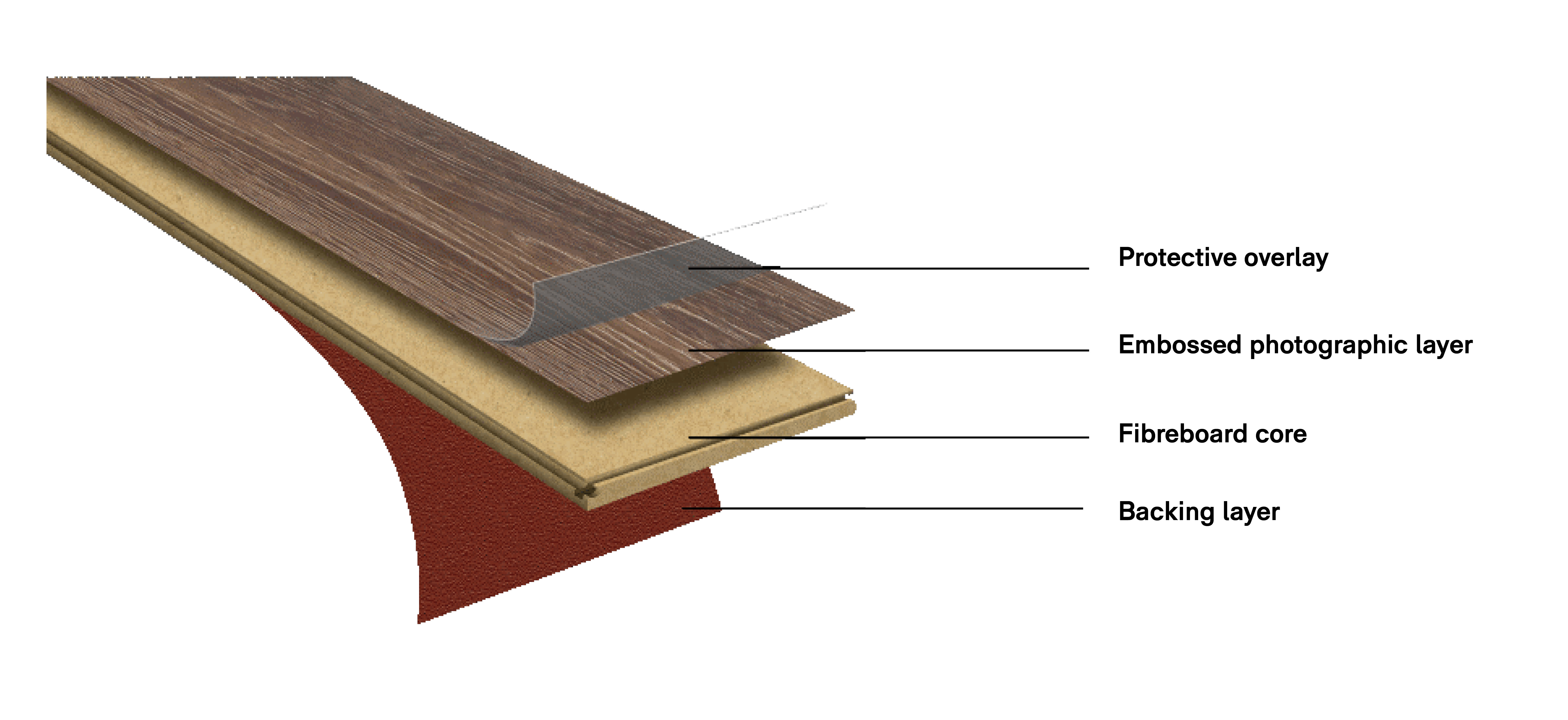
Engineered hardwood has layers of real wood. The core is plywood or high-density fiberboard. It is strong and stable. Laminate has a different core. It is made of fiberboard. This makes it less expensive. But it is not real wood.
The surface of engineered hardwood is real wood veneer. It looks natural and feels warm. It can be sanded. Laminate has a printed surface. It mimics wood but is not real. It cannot be sanded. Scratches remain permanent.
Appearance And Design
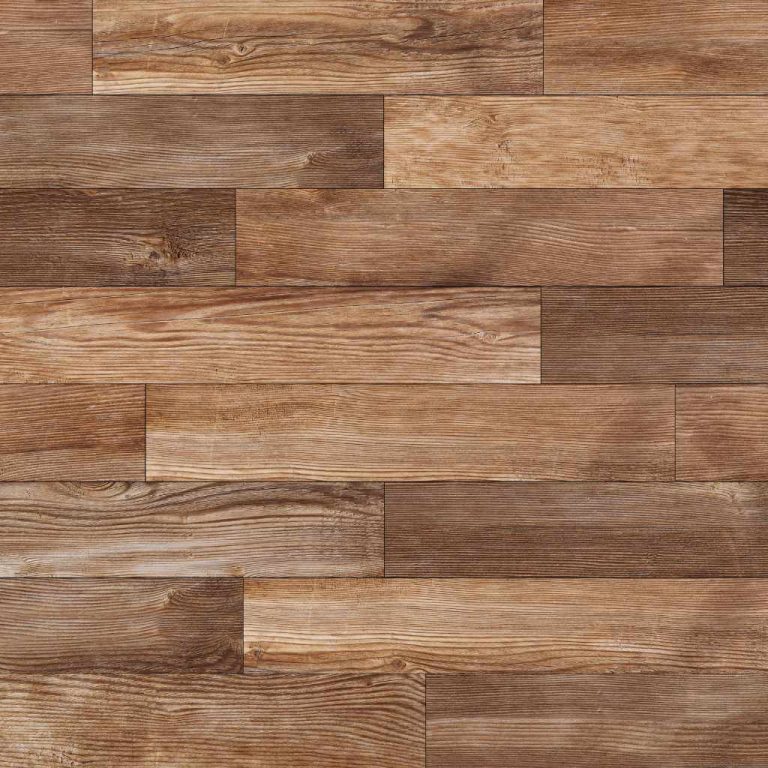
Engineered hardwood offers a natural wood look. Its top layer is real wood. This gives it a rich appearance. Laminate, on the other hand, has a photographic layer. It mimics wood but is not real. Some people find it less authentic.
Both options come in many colors and styles. Engineered hardwood has unique grain patterns. These patterns add character. Laminate can show repeated designs. Some notice this repetition. For a more genuine look, engineered wood is preferred.
Customization options are more with laminate. It can mimic stone or tile too. Engineered wood is mostly available in wood styles only. This limits its design choices.
Durability And Lifespan
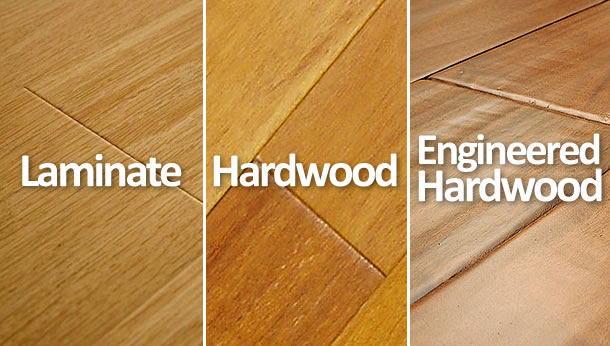
:max_bytes(150000):strip_icc()/laminate-vs-engineered-wood-flooring-comparison-1822247_hardwood_engineered_0595-6f81f6d0a100460188bed0508ac0558d.jpg)
Credit: www.thespruce.com
Engineered hardwoodis tough. It handles scratches well. Good for busy homes. Laminateis strong too. Made to resist wear. Great for pets and kids. Surface layers protect it. Both options are durable. But engineered hardwood lasts longer.
Engineered hardwoodhas a long life. It can last decades. Often, it can be refinished. This brings back its beauty. Laminatelasts around 10 to 20 years. It cannot be refinished. Once worn, replacement is needed. Choosing the right flooring matters. Think about your home’s needs.
Installation Process
Engineered hardwood often requires professional installation due to its complex process. Laminate is easier for DIY enthusiasts, with a simple click-and-lock method. Both materials offer unique benefits and challenges during installation.
Ease Of Installation
Engineered hardwoodis easy to install. It can be glued or nailed. The planks fit together well. This makes the job faster. It needs some skill and care. You need to cut pieces to fit. A professional might do it better.
Laminateis even simpler. It often uses a click-and-lock system. This means no glue or nails. The pieces snap together. It’s like a puzzle. Anyone can do it with little help. No special tools are needed.
Required Tools
| Engineered Hardwood | Laminate |
|---|---|
| Hammer | Tape measure |
| Glue | Saw |
| Nail gun | Rubber mallet |
Maintenance And Care
Engineered hardwood and laminate differ in maintenance. Engineered hardwood needs periodic refinishing for long-term care. Laminate resists scratches and stains but requires gentle cleaning to avoid damage.
Cleaning Techniques
Engineered hardwood needs gentle care. Sweep or vacuum regularly to remove dust. Use a damp mop for deeper cleaning. Avoid excess water. It can damage the floor. Laminate is easier to clean. Use a microfiber cloth or vacuum for dirt. For sticky spots, a damp mop works well. Avoid harsh cleaners. They can harm the surface.
Repair Needs
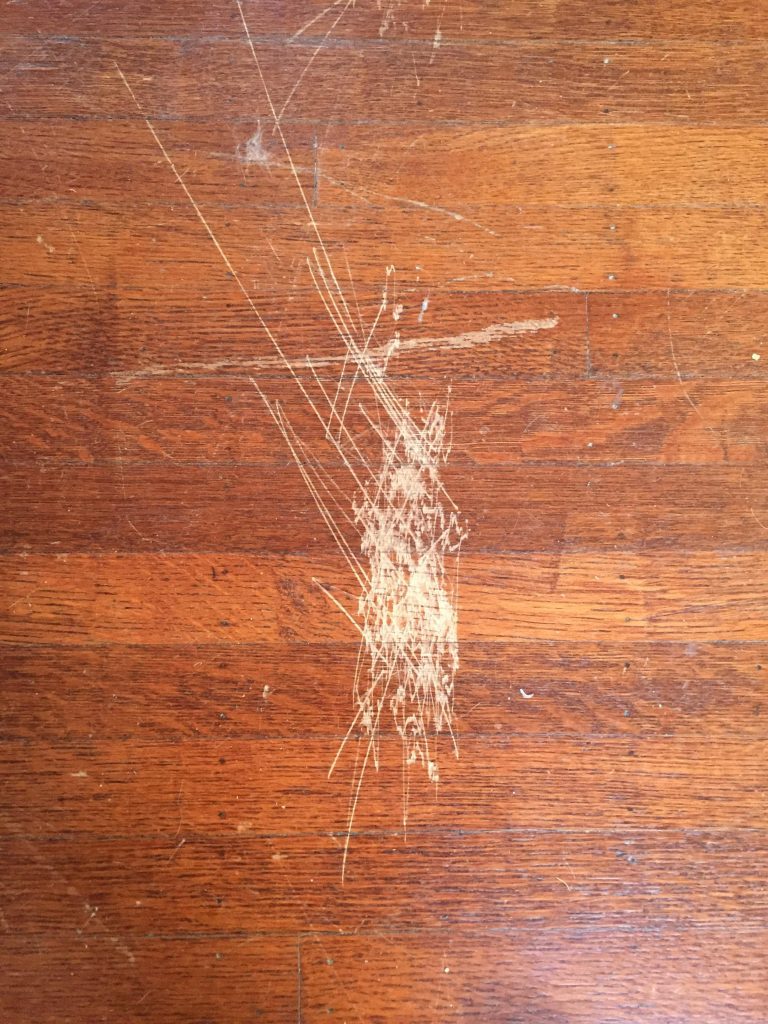
Engineered hardwood can be repaired. Sanding and refinishing are options. This helps remove scratches. Laminate is different. It can’t be sanded. Scratches stay on the surface. Damaged pieces need replacement. Keep extra planks for this. Engineered hardwood lasts longer. Laminate may need more frequent repairs.
Cost Factors
Engineered hardwoodusually costs more upfront. Its higher price is due to real wood layers. These layers give it a natural look. Laminate flooringis often cheaper. It uses synthetic materials, which cost less. People on tight budgets often choose laminate.
Engineered hardwood can last for many years. Its durability adds value over time. It can be sanded and refinished. This extends its life even more. Laminateis less durable. Scratches and wear show faster. Replacing laminate may be needed sooner. Engineered hardwood often boosts home resale value.
Environmental Impact
Engineered hardwood and laminate differ in their environmental impact. Engineered wood uses real wood veneers, making it more sustainable. Laminate, made from synthetic materials, often lacks eco-friendly attributes.
Sustainability
Engineered hardwood is made from real wood. It uses fewer trees than solid wood. This means less deforestation. Laminate is made from synthetic materials. It uses recycled materials, which is good. But it is not biodegradable. Engineered hardwood can last many years. This makes it a sustainable choice.
Eco-friendly Options
Engineered hardwood is available in eco-friendly options. You can choose wood from sustainable forests. Laminate flooring offers some eco-friendly options. Some brands use less harmful chemicals. Both choices have pros and cons. Engineered wood has a more natural look. Laminate is often cheaper and easier to install. It’s good to check labels for green certifications. Green labels show the product is better for the environment.
Suitability For Areas
Engineered hardwood handles some moisture. But not too much. It is better than solid wood. Laminate flooring is more resistant to water. It can be in bathrooms and kitchens. But avoid too much water. Both types need care. Always clean spills fast. This keeps floors looking nice.
Laminate flooring is great for busy areas. It does not scratch easily. It stays looking new for a long time. Engineered hardwood can also be used. But it may scratch. It needs more care. Use mats and rugs in busy places. This helps protect the floor.
Credit: forte.co.nz
Frequently Asked Questions
What Is Better, Laminate Or Engineered Hardwood?
Choosing between laminate and engineered hardwood depends on needs. Engineered hardwood offers durability and natural beauty. Laminate is budget-friendly and resists scratches. Consider lifestyle, budget, and aesthetics when deciding.
What Are The Cons Of Engineered Wood Flooring?
Engineered wood flooring can be prone to scratches and dents. It may also warp in high moisture areas. Refinishing options are limited compared to solid wood. Some lower-quality products may contain harmful VOCs. Lifespan is generally shorter than that of solid hardwood flooring.
What Is The Downside To Laminate Flooring?
Laminate flooring can be prone to scratches and dents. It may not withstand moisture well, causing warping. Limited repair options exist, often requiring full replacement. It can also feel less natural compared to hardwood. Noise levels might be higher, especially without proper underlayment.
Which Is Better, Luxury Vinyl Plank Or Engineered Hardwood?
Luxury vinyl plank offers durability and water resistance, ideal for moisture-prone areas. Engineered hardwood provides authentic wood look and warmth, perfect for dry spaces. Consider budget, installation, and maintenance needs. Both options have unique advantages, so choose based on personal preference and room conditions.
Conclusion
Choosing between engineered hardwood and laminate depends on your needs. Engineered hardwood offers a natural wood feel. It’s durable and can be refinished. Laminate is budget-friendly and easy to install. It resists scratches and stains well. Both have their strengths and weaknesses.
Consider your lifestyle, budget, and home environment. If you prefer authenticity, choose engineered hardwood. For low maintenance, laminate is a good pick. Think about long-term value and your personal taste. Both options can enhance your home beautifully. Make an informed decision for your flooring needs.