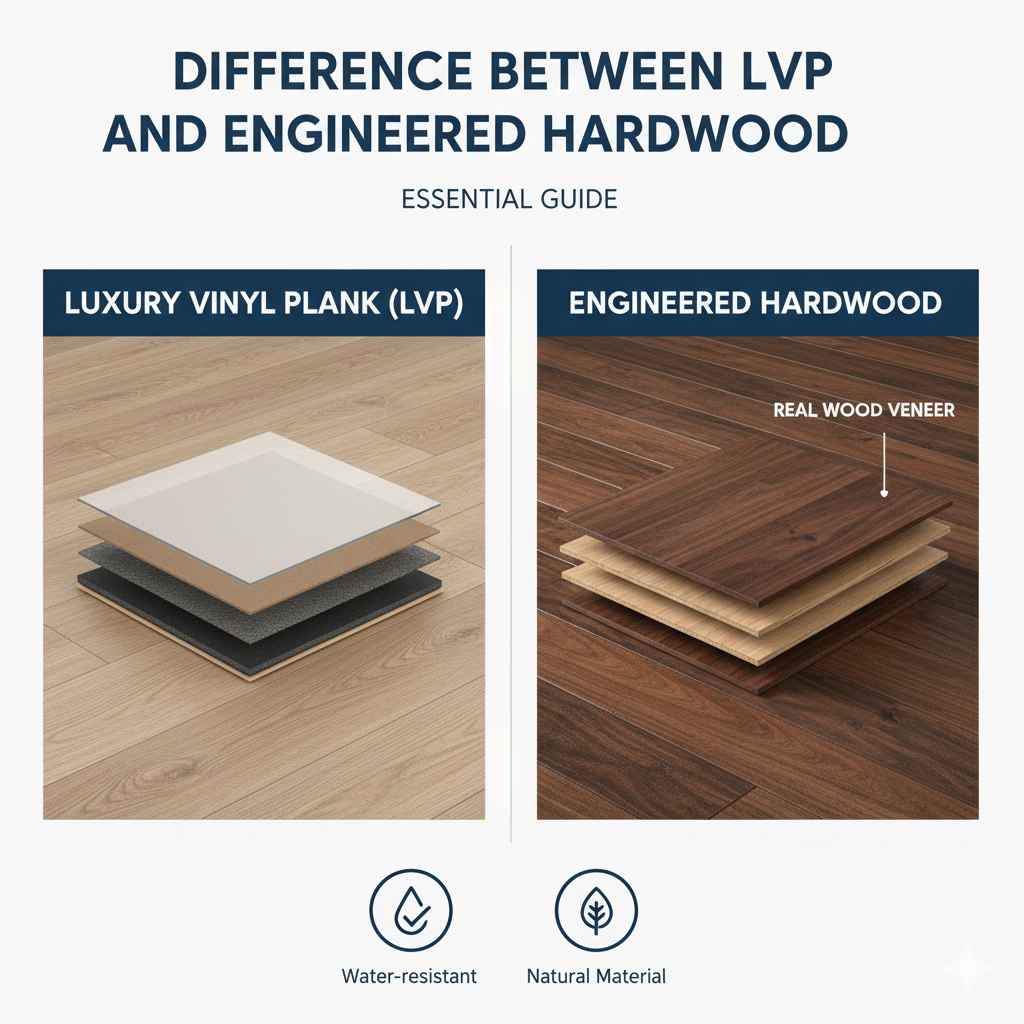
Difference Between LVP and Engineered Hardwood: Essential Guide
LVP (Luxury Vinyl Plank) is a synthetic, waterproof flooring mimicking wood with a durable wear layer, ideal for high-moisture areas and busy homes. Engineered hardwood has a real wood veneer top layer over plywood, offering genuine wood aesthetics and warmth, best for drier, less trafficked spaces.
Choosing new flooring can feel like a big decision, and when you start looking, two popular options often pop up: Luxury Vinyl Plank (LVP) and Engineered Hardwood. It’s easy to get them mixed up because they can look so similar, especially to the untrained eye. But don’t worry, that’s exactly why we’re here! I’ve spent countless hours in my workshop, and I know how important it is to pick the right material for your project and your home. We’ll break down what makes LVP and engineered hardwood different, so you can feel confident about your choice. Let’s dive in and make this an easy process for you!
LVP vs. Engineered Hardwood: Understanding the Core Differences
At first glance, both LVP and engineered hardwood can offer beautiful wood-like finishes for your floors. However, their construction, durability, and best uses are quite distinct. Understanding these differences is key to selecting the flooring that will best suit your lifestyle, budget, and the specific room you’re working on. Think of it like choosing the right wood for a cutting board versus a decorative shelf – different jobs call for different materials!
What is Luxury Vinyl Plank (LVP) Flooring?
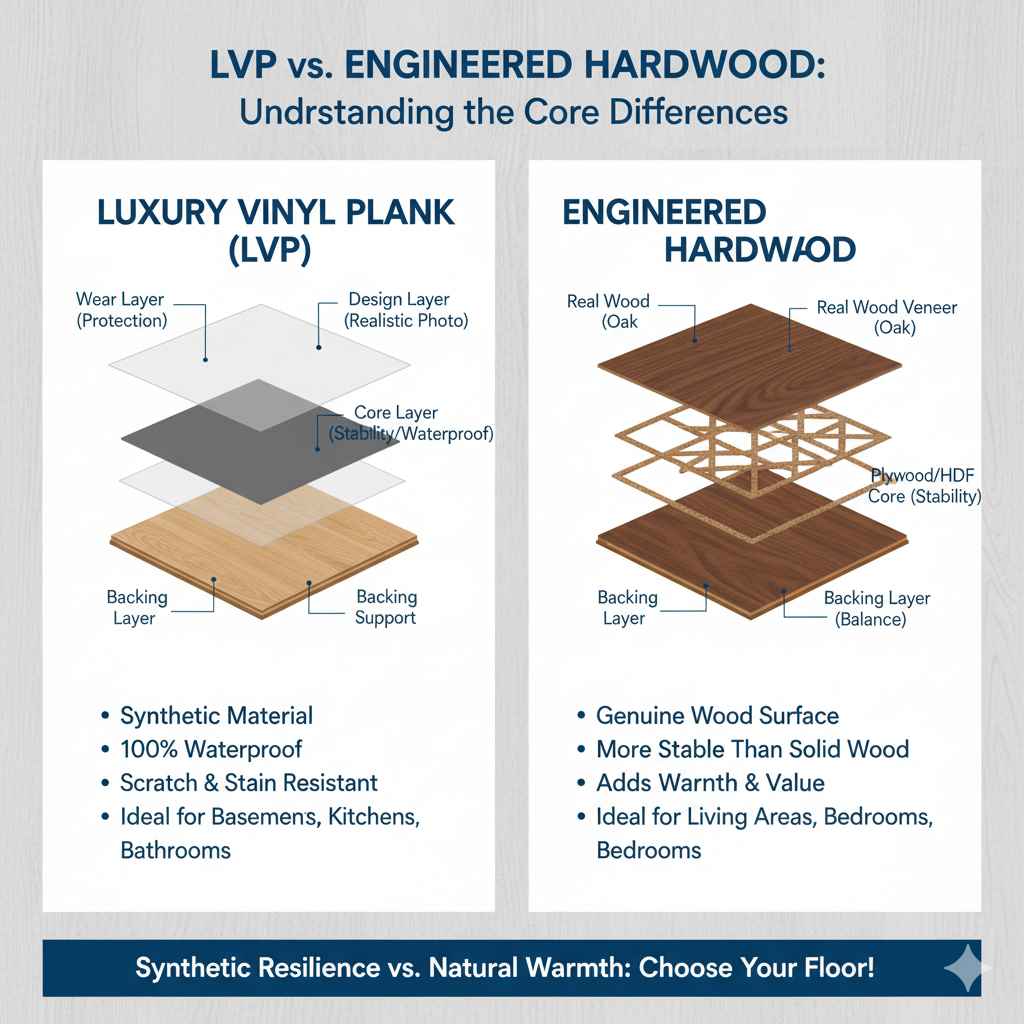
Luxury Vinyl Plank, or LVP, is a high-quality, synthetic flooring material designed to look like real wood or stone. Despite its name, it contains no actual wood. Its construction is typically layered:
- Wear Layer: This is the transparent top coat that protects the plank from scratches, scuffs, and stains. A thicker wear layer generally means better durability.
- Design Layer: This is a high-resolution photographic layer that gives LVP its realistic wood or stone appearance.
- Core Layer: This is the main body of the plank, usually made of PVC (polyvinylchloride) or a composite material. This layer provides stability and often contributes to water resistance.
- Backing Layer: This provides extra support and can sometimes include an attached underlayment for sound dampening and cushioning.
The beauty of LVP lies in its versatility and resilience. It’s designed to mimic the aesthetics of natural materials without their inherent drawbacks, making it a practical choice for many homes.
What is Engineered Hardwood Flooring?
Engineered hardwood flooring is a type of real wood floor. It’s constructed by combining a thin layer of genuine hardwood veneer (like oak, maple, or walnut) on top of multiple layers of plywood or high-density fiberboard (HDF). This cross-ply construction makes engineered hardwood more stable than solid hardwood, meaning it’s less likely to warp or expand with changes in humidity and temperature.
Here’s a typical breakdown of its layers:
- Real Wood Veneer: This is the top layer you see and feel, providing the authentic look and texture of hardwood.
- Core Layers: These are usually made of cross-grained plywood or HDF, stacked and glued together. This layered structure offers strength and stability.
- Backing Layer: This bottom layer adds structural integrity and balance to the plank.
Because it features a real wood top layer, engineered hardwood offers the genuine warmth and character that many homeowners love. However, this real wood surface means it requires more careful handling and is not the best fit for every environment.
Key Differences at a Glance
To help you visualize the contrasts, let’s break down some of the most important differences between LVP and engineered hardwood. This comparison will highlight where each flooring type shines and where it might fall short for your specific needs.
| FeatureLuxury Vinyl Plank (LVP)Engineered Hardwood | ||
|---|---|---|
| Material Makeup | Synthetic (PVC, composite core) with printed design layer. | Real hardwood veneer on top of plywood or HDF core. |
| Water Resistance | Excellent; often fully waterproof. Ideal for kitchens, bathrooms, basements. | Fair to Moderate; susceptible to water damage. Best for dry areas. |
| Durability & Scratch Resistance | High; wear layer protects well against scratches, dents, and stains. Very forgiving. | Moderate; real wood veneer can scratch, dent, or fade over time, especially with heavy traffic or direct sunlight. |
| Appearance & Feel | Mimics wood very convincingly, but can sometimes feel less natural or warm underfoot. | Genuine, authentic wood look and feel. Natural variation in grain and color. |
| Installation | Often DIY-friendly; click-lock systems are common. Can often be installed over existing floors. | Can be DIY but may require more precise tools and skills. Can be glued, nailed, or floated. |
| Maintenance | Very easy; sweep, mop with mild cleaner. Low maintenance. | Requires more care; avoid excessive moisture, harsh chemicals. Routine dusting and occasional damp mopping. |
| Cost | Generally more affordable overall. | Typically more expensive than LVP, especially for premium wood species. |
| Lifespan | Varies by quality, but can last 15-25+ years with good care. Wear layer is key. | Varies by veneer thickness and wear, 20-50+ years is common. Real wood has potential for refinishing (depending on veneer thickness). |
| Environmental Impact | Production can involve chemicals; recycling options are growing. | Uses a real, renewable resource (wood), but adhesive use is a factor. Look for sustainable sourcing. |
Water Resistance: Who Wins?
This is a big one! If your floor is going into a bathroom, laundry room, or a basement, water resistance is paramount. LVP is the clear winner here. Most LVP flooring is designed to be waterproof or highly water-resistant. Spills and splashes? No problem. You can clean them up without worrying about the planks swelling or getting damaged. For areas prone to moisture, LVP is a much safer bet.
Engineered hardwood, while more stable than solid hardwood, is still a wood product. It can absorb moisture, leading to warping, cupping, or even mold growth if left wet. While you can take precautions and clean up spills quickly, it’s generally not recommended for areas where standing water or high humidity is a frequent occurrence. For tips on protecting wood floors from moisture in general, check out resources from the Wood Floor Business.
Durability and Everyday Wear
Both LVP and engineered hardwood are designed for residential use, but they handle daily life differently. LVP’s robust wear layer is tough. It’s engineered to resist scratches, dents, and stains quite effectively. This makes it an excellent choice for homes with active children, pets, or high foot traffic. Think of it as a good suit of armor for your floor!
Engineered hardwood, with its real wood surface, is beautiful but also more delicate. While a thicker veneer can offer some resistance, it will eventually show signs of wear. Scratches from pet nails, dents from dropped items, or fading from sunlight are all possibilities. It’s like wearing your favorite sweater – you love it, so you’re careful with it.
Aesthetics and Authenticity
This is where personal preference plays a huge role. Engineered hardwood offers the undeniable look and feel of genuine wood. Each plank has its own unique grain pattern and natural variations, contributing to a rich, warm, and authentic ambiance. If you love the classic beauty of real wood, this is your go-to.
LVP has come a long way in mimicking wood. Modern printing technology allows for incredibly realistic visuals, often indistinguishable from real wood at first glance. You can find LVP in a vast array of styles, colors, and wood species. However, while it looks like wood, it typically doesn’t feel as warm or natural underfoot. Some people find it has a slightly more uniform or plastic-like feel compared to the organic character of real wood.
Installation Simplicity: DIY vs. Pro
For the DIYer, LVP often holds an edge in ease of installation. Many LVP products feature click-lock systems, allowing planks to snap together easily without glue or nails. This floating floor method is forgiving and can often be installed directly over existing subfloors or even old flooring, saving time and labor costs. It’s a project many homeowners tackle successfully on their own.
Engineered hardwood installation can also be done by DIYers, but it often requires a bit more effort and precision. Depending on the product, it can be installed using glue-down, nail-down, or floating methods. Floating an engineered floor can be similar to LVP, but adhesives or nailing require specific tools and techniques. If you’re new to flooring installation, you might find LVP more forgiving. For detailed installation guides, the BuilderOnline website offers good insights into various methods.
Pros and Cons of LVP
Let’s summarize the good and not-so-good points of LVP:
Pros:
- 100% Waterproof: Superior resistance to moisture, perfect for kitchens, bathrooms, laundry rooms, and basements.
- High Durability: Excellent scratch, dent, and stain resistance, making it great for busy households with pets and kids.
- Low Maintenance: Easy to clean with a broom and damp mop and a mild detergent.
- Affordability: Generally more budget-friendly than engineered hardwood.
- Versatile Styles: Available in a wide array of realistic wood and stone looks.
- Easy Installation: Many options are DIY-friendly with click-lock systems.
- Comfort Underfoot: Often has some padding or can be installed with an underlayment for added comfort and sound reduction.
Cons:
- Synthetic Material: Lacks the natural warmth and unique character of real wood.
- Potential for Fading: Extreme direct sunlight over long periods can still cause some discoloration in lower-quality products.
- Difficulty in Refinishing: Unlike true hardwood, LVP cannot be sanded and refinished to repair deep scratches or change the look.
- Environmental Concerns: Production involves plastics and chemicals; recycling options are improving but not as widespread as for natural materials.
Pros and Cons of Engineered Hardwood
Now, let’s look at the advantages and disadvantages of engineered hardwood:
Pros:
- Authentic Wood Beauty: Offers the real look, feel, and warmth of natural hardwood.
- Enhanced Stability: More resistant to expansion and contraction than solid hardwood due to its layered construction.
- Increased Versatility: Can be installed in more places than solid hardwood, including some basements (with proper moisture barriers).
- Refinishing Potential: Depending on the thickness of the veneer, it can be sanded and refinished one or more times to refresh its look and repair damage.
- Increases Home Value: Real wood flooring is often seen as a premium feature that can boost a home’s resale value.
- Variety of Species and Styles: Available in numerous wood types, finishes, and plank widths.
Cons:
- Susceptible to Water Damage: Not waterproof and can be damaged by standing water or excessive humidity.
- Can Scratch and Dent: The real wood veneer can be damaged by sharp objects, pet claws, or heavy furniture.
- Higher Cost: Generally more expensive than LVP, both for material and installation.
- More Demanding Maintenance: Requires careful cleaning to preserve the wood finish and avoid moisture issues.
- Limited Refinishing: Very thin veneers cannot be sanded, limiting the ability to repair significant damage or change the surface.
Where to Use Each Flooring Type
Knowing the strengths and weaknesses helps us decide where each flooring type is best suited. Think about the room’s function and typical conditions when making your choice.
Best Rooms for LVP:
- Kitchens: Spills and splashes are common, and LVP handles them with ease.
- Bathrooms and Powder Rooms: Water and humidity are constants. LVP is a perfect fit here.
- Laundry Rooms: Any potential for leaks or splashes is managed well by LVP.
- Basements: Basements are prone to moisture and can flood. LVP is a much safer and more durable option than wood.
- Entryways: Handles dirt, mud, and moisture tracked in from outside.
- High-Traffic Areas: Its durability stands up well to constant foot traffic.
Best Rooms for Engineered Hardwood:
- Living Rooms and Family Rooms: Provides a warm, inviting, and classic look.
- Bedrooms: Offers a cozy and natural feel underfoot.
- Dining Rooms: Enhances the elegance of a dining space.
- Hallways (away from direct water entry): Can be used where moisture is less of a concern than in entryways from garages or outside.
- Home Offices: Creates a sophisticated and comfortable work environment.
For areas like hallways that might connect a garage to the main living space, you might consider engineered hardwood as the primary flooring but perhaps use a large rug or doormat at the entry point to protect it from tracked-in moisture and debris. For a comprehensive guide to flooring in different home areas, the CNET flooring guide is a great resource.
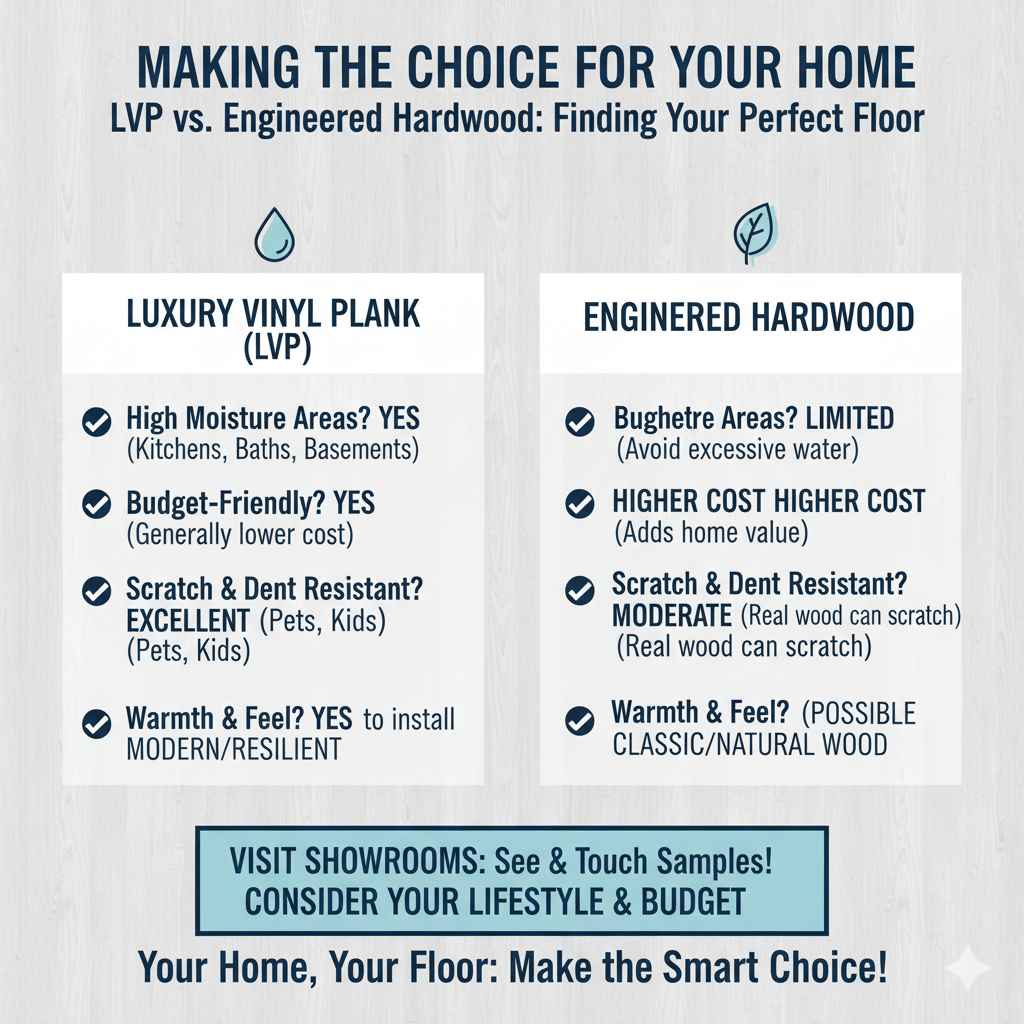
Making the Choice for Your Home
When it comes down to deciding between LVP and engineered hardwood, it’s a balance of your priorities. Ask yourself:
- How much moisture will the floor encounter? If it’s high, lean towards LVP.
- What’s your budget? LVP is often kinder to the wallet.
- How important is the authentic feel of real wood? If it’s very important, engineered hardwood is the choice.
- Do you have pets or young children? LVP’s superior scratch and stain resistance might be a lifesaver.
- Are you a DIYer? LVP is often more forgiving for first-time installers.
Consider visiting local flooring showrooms to see and touch different samples. Sometimes, feeling the texture and seeing the true colors in person can make all the difference in your decision.
Frequently Asked Questions (FAQ)
Q1: Can LVP get damaged by water?
A: While most LVP is waterproof, extreme prolonged submersion or damage to the click-lock system could potentially allow water to seep through to the subfloor. However, for typical spills and everyday moisture, it’s highly resistant and durable.
Q2: Can engineered hardwood be refinished?
A: Yes, but it depends on the thickness of the real wood veneer on top. If the veneer is thick enough (typically 2mm or more), it can be sanded down and refinished one or more times. Thinner veneers cannot be refinished.
Q3: Which is better for pets, LVP or engineered hardwood?
A: LVP is generally better for pets. Its wear layer is highly resistant to scratches from claws, and it’s waterproof, so accidents are easier to clean up without permanent damage.
Q4: Does LVP feel cold or hard like plastic?
A: Modern LVP can feel quite comfortable. Many products have an attached underlayment or can be installed with one, providing cushioning and warmth. While it doesn’t have the exact same ‘natural’ feel as wood, it’s far from the cold, hard feel of tile or old-school vinyl sheets.
Q5: Which will increase my home’s value more?
A: Engineered hardwood, being a real wood product, typically adds more perceived value to a home than LVP, especially in main living areas. However, high-quality, well-installed LVP in areas like kitchens and bathrooms can also be a strong selling point due to its practicality.