DIY Refinish Hardwood Floors: A Straightforward Approach
Thinking about tackling DIY Refinish Hardwood Floors: Step-by-Step Guide? It’s a common project, but it can seem hard if you’ve never done it before. People worry about messing up their floors. Don’t sweat it! Refinishing floors isn’t as tough as it looks. This guide breaks down the process, making it easy to follow. Get ready to learn the ropes. We’ll show you exactly how to do it, step by step.
Getting Ready for Your DIY Refinish Hardwood Floors
Before you even think about touching your floors, some prep work is needed. This ensures you get great results and keep yourself safe. You’ll need to gather supplies, clear the room, and get it ready. This stage is key because it sets the stage for everything that follows. Take your time, do it right, and you’ll prevent problems later on. This includes choosing the right materials, such as sandpaper and finish. Consider the type of wood and the amount of traffic your floors get.
Gathering Your Supplies
The right tools and materials are essential for any successful DIY Refinish Hardwood Floors: Step-by-Step Guide project. Make a list of everything you’ll need. This means more than just sandpaper and stain. Consider safety gear, like dust masks and eye protection. You’ll also need a sander, a vacuum cleaner, and a good quality finish. Choosing the right products will make the job much easier. Don’t skimp on quality, especially when it comes to the finish. Good quality materials result in a better look and last longer.
-
- Sander: A drum sander or orbital sander will be your workhorse. Drum sanders remove material quickly, while orbital sanders are better for finer work. A random orbital sander is often a good starting choice for beginners.
Drum sanders are effective for large areas and removing old finishes. However, they demand more practice to avoid uneven sanding or gouges. Orbital sanders are gentler, making them ideal for detailed work and getting a smooth finish. Random orbital sanders, in particular, move in both circular and orbital patterns, lessening the chance of swirl marks.
-
- Sandpaper: You’ll need sandpaper in different grits, starting coarse and working your way to fine. This smooths out the floor. Start with a low grit to remove the old finish, then progressively use higher grits to polish the wood.
The grit of sandpaper determines its abrasiveness. Coarse grits (e.g., 24-grit) are used to remove old finishes and level imperfections. Medium grits (e.g., 80-grit) even out the surface after the initial sanding. Fine grits (e.g., 120-grit) create a smooth surface ready for finishing. Using the correct grits and changing them when necessary prevents gouges and leads to a quality finish.
-
- Safety Gear: Protect yourself with a dust mask, eye protection, and gloves. Sanding creates a lot of dust. This is essential for preventing health problems.
Dust masks protect your lungs, while eye protection shields your eyes from flying debris. Gloves protect your hands from chemicals in the finish. Wearing safety gear is an important practice for health and ensures the project is safe to complete. Invest in good quality masks and safety glasses to make sure they are effective.
-
- Finish: Choose a finish that suits your needs. There are oil-based, water-based, and other options. Oil-based finishes are durable and offer rich looks. Water-based finishes dry quickly and have fewer odors.
The type of finish you choose affects the look and durability of your floors. Oil-based finishes give a warm, amber tone and are resistant to wear. Water-based finishes dry fast, are less yellow, and have less noticeable odor. Consider your lifestyle and how much use the floor gets. Also, think about the look you want. Always read the manufacturer’s instructions before using any finish.
-
- Other Supplies: Don’t forget things like a vacuum cleaner, tack cloths, a putty knife, wood filler, and applicators for the finish. These small items are important.
A vacuum cleaner gets rid of dust after sanding. Tack cloths remove any remaining dust before finishing. A putty knife is used to apply wood filler, while wood filler fixes small imperfections in the wood. Applicators, such as brushes or pads, are used to apply the finish. Not having these can impact the final look and make the job more difficult.
Clearing the Room
Before you do anything else, empty the room. Move all furniture, rugs, and anything else off the floors. Protect your walls and any other items you can’t move. Clear space is necessary for safe and easy sanding. This allows you to move freely and sand every area of the floor evenly. It will also help you prevent damaging your belongings.
-
- Move Furniture: Take everything out. This includes large items and smaller things like plants and décor. Put the items in a space that is out of the way.
Moving furniture prevents scratches and damage. It also provides the needed room to work. Consider storing furniture in another room or covering it with protective coverings if no other room is available.
-
- Protect Walls and Trim: Cover walls with plastic sheeting. Use painter’s tape to protect trim. This will protect them from dust and any spilled finish.
Protecting the walls and trim prevents accidental damage or staining. Good preparation saves you from cleanup and extra work. Make sure the tape is applied smoothly to create clean lines.
-
- Clean the Floors: Sweep or vacuum to remove loose debris. This prepares the surface for sanding. A clean floor is important for getting the best results.
Cleaning removes dirt and debris that can scratch the wood during sanding. A clean floor helps the sandpaper perform at its best. Vacuuming also removes tiny particles that might cause imperfections in the finish.
Sanding Your Hardwood Floors: The Key Step
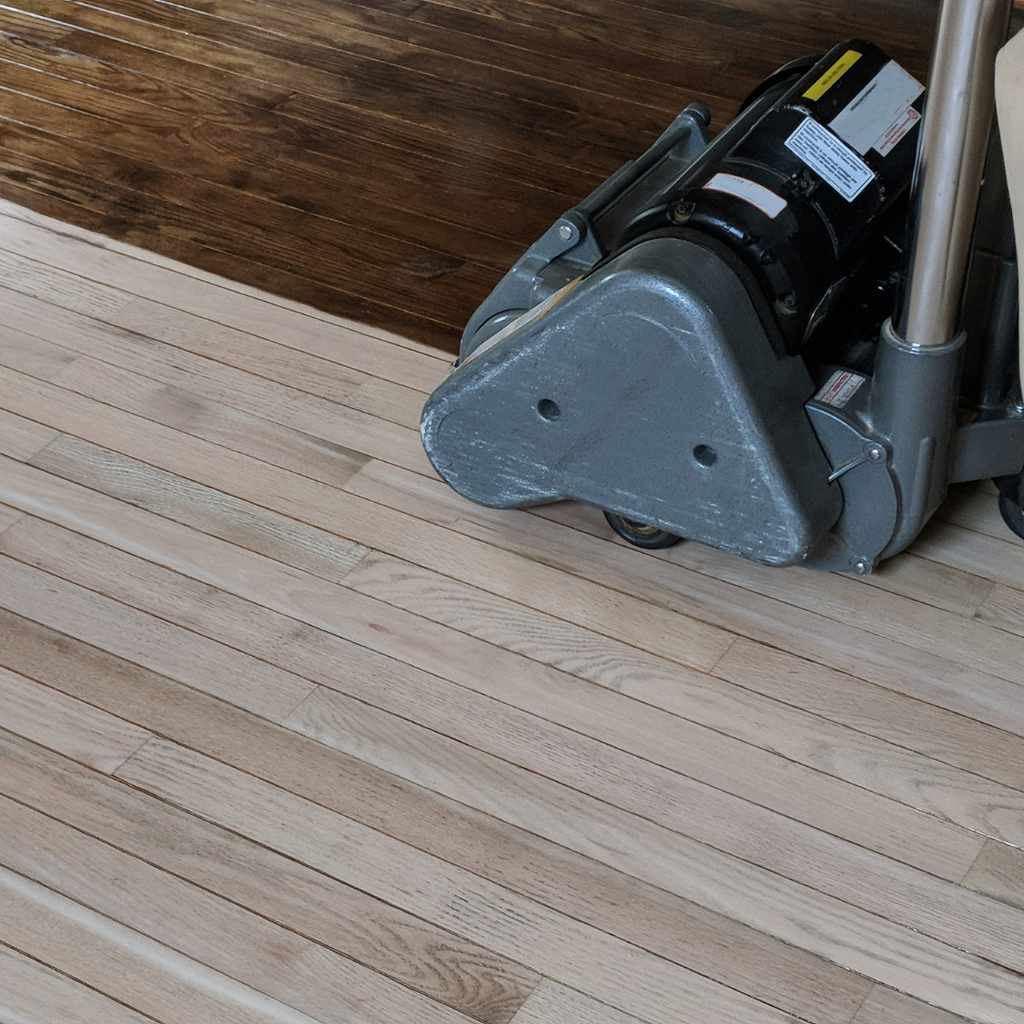
Sanding is where the real work happens. This is where you remove the old finish and any imperfections in the wood. It is the most important step in the DIY Refinish Hardwood Floors: Step-by-Step Guide. You have to do it right. The goal is to get the floor perfectly smooth. This step can seem complex, but by taking things step-by-step and using the right techniques, you can achieve a great look. Be patient and take your time.
Sanding Techniques
Using the right techniques when sanding will save you time and energy. It will also help prevent mistakes. Sanding involves using different grits of sandpaper and overlapping passes. The goal is to get a smooth and even surface. It is important to know how to use the sander and what to do in case of problems.
-
- Start with Coarse Grit: Begin with coarse-grit sandpaper to remove the old finish. Use a drum sander or a belt sander for this part.
Coarse sandpaper efficiently removes the old finish and levels any major imperfections. Move the sander slowly and carefully, being sure to overlap each pass slightly. This ensures all areas are sanded evenly. Keep the sander moving to prevent dents.
-
- Use Medium Grit: After the first pass, switch to medium-grit sandpaper. This will make the surface smoother. This will remove any scratches from the coarse sandpaper.
Medium-grit sandpaper refines the surface. It smooths out scratches left by the coarse grit. Overlap your passes again for an even finish. This step preps the floor for the finer grits.
-
- Finish with Fine Grit: The last pass is with fine-grit sandpaper. This gives the floor a smooth, polished look. This step prepares the wood for the finish.
Fine-grit sandpaper is the key to getting a smooth surface that allows the finish to bond properly. The goal is to polish the floor so that it feels very smooth to the touch. This step gets the floor ready for staining (if you want to stain) and the final coat.
-
- Overlap Passes: When sanding, overlap each pass by a few inches. This ensures even sanding. It also prevents any gaps.
Overlapping passes guarantees complete coverage. It prevents uneven areas. This simple trick ensures the entire floor is sanded evenly. Overlapping also reduces the chance of leaving unsanded lines on the floor.
-
- Avoid Dwell Times: Never stop or “dwell” in one place with the sander. This can create dips and grooves. Always keep the sander moving.
Dwell times create uneven areas on the floor. Keeping the sander moving ensures a uniform finish. The goal is to avoid creating any low spots. This will make the final floor look better.
Dealing With Problems
It’s easy to make mistakes when you’re sanding, especially if you’re new to the job. Here are some solutions to fix the most common issues you might find. Do not get discouraged if you run into problems. By paying attention to what you are doing and taking it slowly, you will get great results. Having the right tools and the right process for fixing mistakes is essential.
-
- Gouges: If you notice gouges or deep scratches, you may need to go back a step and sand again. Then fill the gouges with wood filler.
Gouges are usually caused by using too much pressure or stopping the sander in one place. Fix these before you stain or apply the finish. Sand the area with a medium grit. Then apply wood filler. Let it dry completely. Then sand it again to make it level.
-
- Uneven Sanding: If some areas are sanded more than others, try to sand those areas again. Then, use more sandpaper to even things out.
Uneven sanding can happen if the sander isn’t held level or if the pressure isn’t even. The best way to fix it is by sanding the high areas again until they match the lower ones. Inspect the floor as you work. This will help you identify issues early on.
-
- Swirl Marks: If you see swirl marks, especially with drum sanders, try sanding in the direction of the wood grain. Using an orbital sander is another method.
Swirl marks are often caused by the drum sander’s circular motion. Sanding with the grain will help to remove the marks. Try using a random orbital sander for the final pass. This can help prevent these marks from forming. Always use a light touch with the sander.
-
- Missed Spots: If you miss any spots, go back and sand them. You may have to sand by hand if a machine cannot reach them.
Missed spots might show up after you have finished sanding. Make sure you examine the floor closely. Sand by hand to take care of the hard-to-reach areas. This will get rid of any missed spots.
Staining and Finishing Your Refinished Floors
After you have sanded, it’s time to stain and finish the floors. Staining gives the wood color, while the finish protects it. Proper prep work is very important for the final look. The stain and finish you choose will impact the final look of your floors. This part is about creating the final look. Following these steps and taking your time will make a great difference in the look of your floors.
Staining Your Floors (Optional)
Staining is a good way to change the color of your floors. If you like the natural color of the wood, you can skip this step. Staining can change the look of your floors in many ways. You’ll need to choose the color and apply it evenly. Do a test on a small area first to make sure you like the color. Make sure the floor is very clean, or the stain will look uneven. Let the stain dry completely before adding a finish.
-
- Choose Your Stain: Pick a stain color that complements your space and style. Consider the existing decor and the amount of light in the room.
The stain color has a big impact on the final look. Think about the style of your home. Lighter stains make a room feel bigger. Darker stains can make the room feel cozy. Test several colors on a spare piece of wood or a hidden area of the floor. This lets you see how it will look.
-
- Apply the Stain: Use a brush, pad, or rag to apply the stain. Follow the wood grain. Make sure the stain is even.
Apply the stain in thin, even coats, always moving in the direction of the wood grain. Be sure to wipe away excess stain. This will prevent a sticky finish. Work in small sections to ensure consistent coverage.
-
- Wipe Away Excess: After a few minutes, wipe away the extra stain with a clean rag. This helps the stain absorb into the wood. This also prevents a thick, sticky finish.
Wiping away the extra stain ensures that the stain color is consistent. This is a very important step. Remove the excess stain within the time specified on the can. Not wiping can lead to a darker, uneven finish. The wipe time will depend on the stain type.
-
- Let it Dry: Allow the stain to dry completely. The drying time varies depending on the stain type. It is usually indicated on the stain’s can.
Complete drying is important for the finish to adhere properly. The floor needs to be completely dry. Be sure to check the instructions on the stain can for drying times. Don’t rush this step. Rushing can cause problems with the final finish.
Applying the Finish
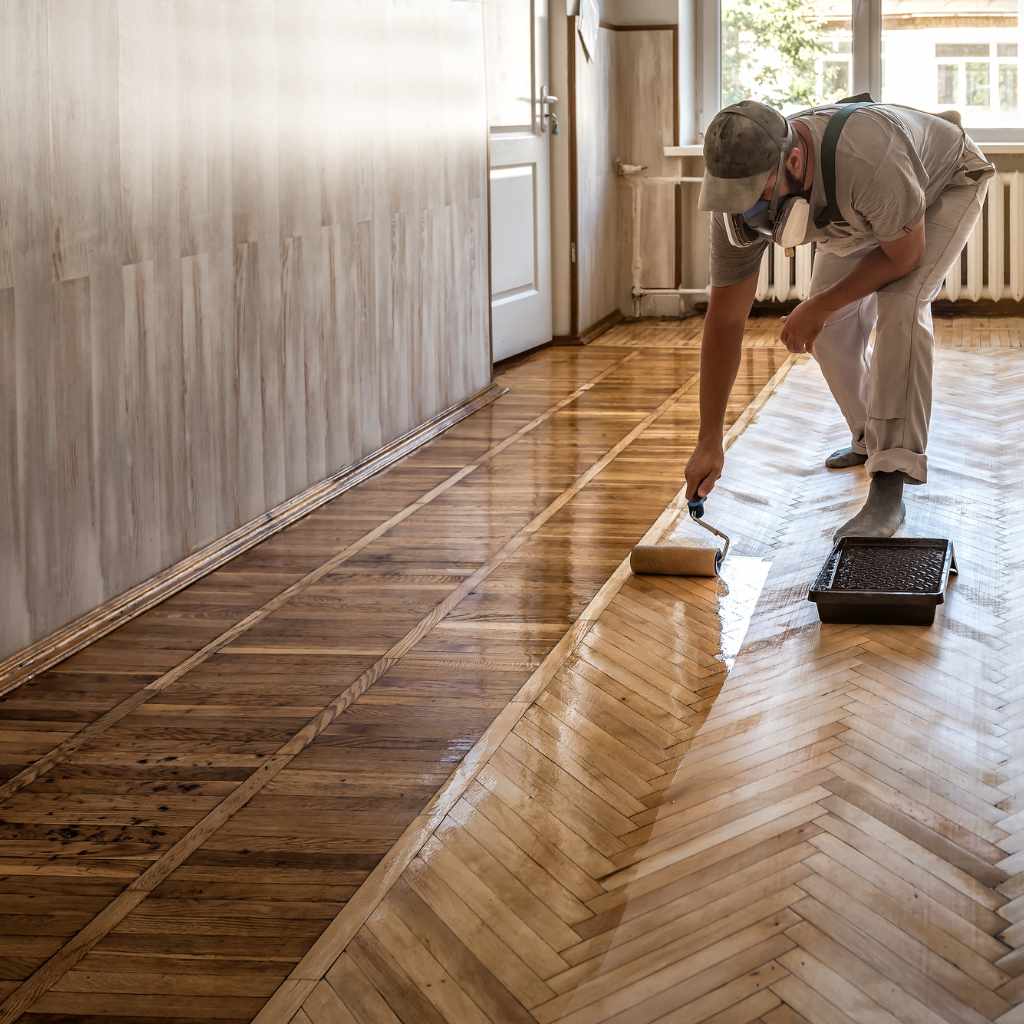
The finish protects your floors and gives them their final look. You can select from various finishes, such as oil-based or water-based polyurethane. Application is key to the final look. Take your time. Apply several thin coats, allowing each coat to dry. The finish should be hard and durable. The finish protects the wood from water, scratches, and wear. Following these steps is very important for your floor’s longevity.
-
- Choose Your Finish: Decide whether to use oil-based or water-based polyurethane. Each type has its own pros and cons. Think about what you need for your space.
Oil-based finishes are durable and offer a warm look. They have a stronger smell and dry slowly. Water-based finishes dry fast, have less odor, and have a more clear look. Consider the amount of traffic your floors will get and your tolerance for smells. Many people prefer the water-based product for its quick drying time.
-
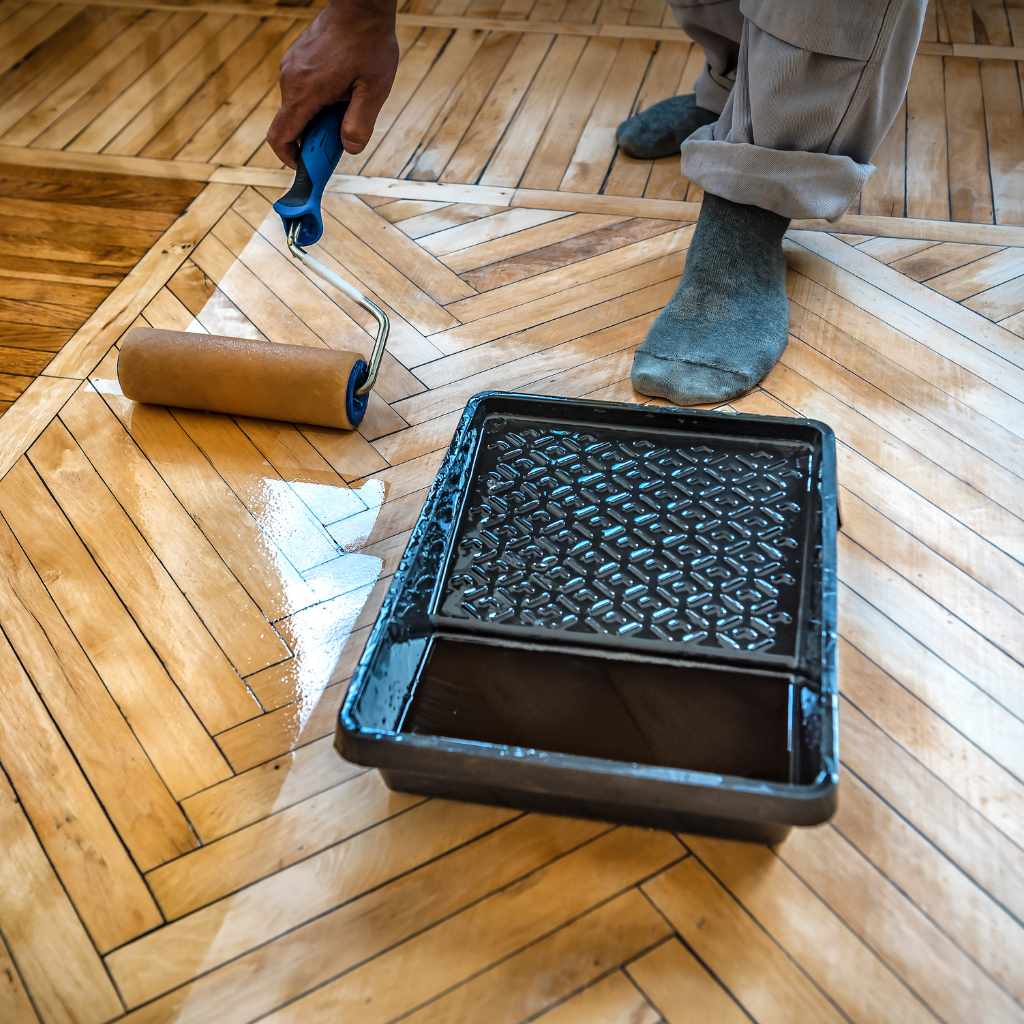
- Apply the First Coat: Use a brush, roller, or pad applicator to apply the first coat of finish. Make sure to follow the grain of the wood. This will help the floor look nice.
Applying the first coat smoothly is very important. Work in the direction of the wood grain. This helps even out the finish. Avoid bubbles. Avoid using too much finish to make the best possible look.
-
- Let it Dry: Allow the first coat to dry completely. Follow the drying time on the finish can. Be patient and don’t rush this step.
Drying times can vary. Be sure to check the manufacturer’s instructions for exact times. Drying times are very important for the finish to perform well. The finish must be dry before you apply another coat.
-
- Lightly Sand Between Coats: After the first coat dries, lightly sand the floor with fine-grit sandpaper. This creates a smooth surface for the next coat. Then, clean up all the dust.
Sanding in between the coats is very important for the final look. Use fine-grit sandpaper to remove any imperfections. After sanding, clean up all the dust with a tack cloth or vacuum cleaner.
-
- Apply Additional Coats: Apply at least two more coats of finish, sanding and cleaning between each coat. This adds durability and the final look.
More coats means more protection and a better look. Follow the same steps for each coat, letting each coat dry thoroughly. The exact number of coats will depend on the type of finish you choose. Apply at least two additional coats. After you’re done, let the finish dry for the amount of time that’s on the container before you use the floor.
| Feature | Oil-Based Polyurethane | Water-Based Polyurethane |
|---|---|---|
| Appearance | Amber tone, warm | Clear, non-yellowing |
| Durability | High | High |
| Odor | Strong | Low |
| Drying Time | Slow | Fast |
| Ease of Use | More difficult to apply evenly | Easier to apply |
The average cost of refinishing hardwood floors can range from $3 to $8 per square foot, depending on location, materials, and labor.
According to the National Wood Flooring Association, hardwood flooring can increase a home’s value by 2.5% to 5%.
Frequently Asked Questions
Question: How often should I refinish my hardwood floors?
Answer: It depends on how much traffic your floors get. High-traffic areas might need refinishing every 5-7 years, while less-used rooms might last 10-15 years.
Question: What’s the best type of finish for floors with pets?
Answer: Oil-based polyurethane is a great choice. It’s durable and can withstand scratches. For a water-based option, look for one that is specifically rated for high-traffic and pet use.
Question: Can I refinish my hardwood floors myself?
Answer: Yes, with the right equipment and following instructions, DIY Refinish Hardwood Floors: Step-by-Step Guide is doable. But take your time, and don’t be afraid to ask for help if needed. Take a test spot if you are unsure.
Question: What do I do if I make a mistake while applying the finish?
Answer: If you notice a mistake early on, you might be able to lightly sand the area and reapply the finish. For more serious issues, let the finish fully dry. Then, you may need to sand down the affected area and start again.
Question: Do I need to remove all the old finish before refinishing?
Answer: Yes, you need to remove the old finish completely to ensure the new finish adheres properly. This is the goal of sanding. Skipping this will lead to a bad look, and the finish may not last long.
Final Thoughts
Refinishing your hardwood floors can change the look of your home. Following this DIY Refinish Hardwood Floors: Step-by-Step Guide, you’ve seen that it’s a manageable project. The key is in the preparation. Gather the right materials and know the steps. Sanding is the toughest part, but taking your time and using the right techniques makes a big difference. Remember to choose the right stain and finish that matches your style. Don’t rush the process, and you’ll be happy with the results. Get started! Your beautiful, refreshed hardwood floors are within reach.