Ready Seal vs Cabot Deck Stain Review
Choose Ready Seal if you want easier recoat maintenance without stripping on a moderately shaded deck; choose Cabot if you want longer color life and can accept more prep before recoating. Pick wrong and you can face peeling, blotchy color, and costly stripping before the next coat. This guide compares sun exposure, maintenance steps, and recoat planning for both stains.
Verdict
Based on the manufacturer details and published product guidance, Ready Seal is the simpler maintenance choice. Cabot is the better pick when longer color life matters more than easy future recoat work, especially on a deck that gets hard sun and you can accept a more demanding maintenance cycle.
| Decision factor | Ready Seal | Cabot Deck Stain | Winner |
|---|---|---|---|
| Application and cleanup | Paraffin oil-based transparent stain with easy application and simple maintenance. | Varies by line; cleanup and dry time differ across semi-transparent, semi-solid, and solid products. | Ready Seal |
| Color life on a full-sun deck | Poor UV protection on horizontal decks, so color fades sooner. | Semitransparent and solid lines generally hold color longer, with solids lasting longest. | Cabot Deck Stain |
| Future recoat and strip burden | Penetrating finish does not peel, so recoats are usually simpler. | Film-building products can scrape, crack, or peel and may need more prep before recoating. | Ready Seal |
| Best fit for pressure treated pine | Works on pressure treated pine and suits easy maintenance on common deck boards. | Works too, but thicker lines can make future maintenance more involved. | Ready Seal |
| Best fit for long-term coverage and hiding flaws | Transparent finish leaves more wood visible. | Solid deck stain gives opaque coverage and can hide imperfections. | Cabot Deck Stain |
Application and cleanup
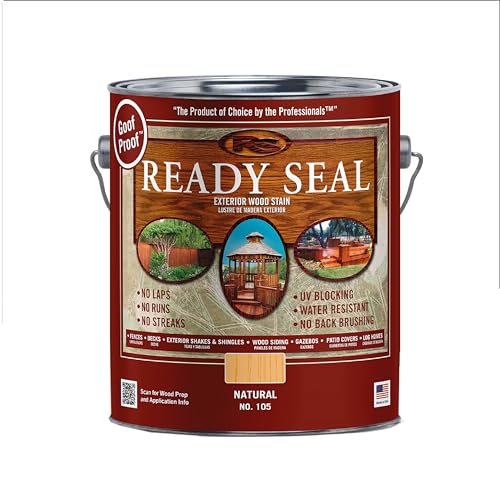
Ready Seal wins here because it is built around a penetrating, goof-proof workflow. The published product details describe rain tolerance within minutes, and the finish is designed so it does not need the same level of surface film management as a heavier coating.
Cabot is not one single workflow. Some lines are stain-and-sealer products, some are semi-transparent deck stains, and some are solid finishes that behave much closer to a coating you must manage carefully.
Color life and sun exposure
Cabot wins when sun load is the main problem. Consumer Reports says semi-transparent stains tend to last only two to three years on a deck, and solid stains usually last the longest, though they can peel and crack. (Consumerreports)
Ready Seal is the easier maintenance choice, but its UV protection is described as poor on full-sun horizontal decks. That matters most on deck floors, where boards take direct weather and fade faster than vertical boards.
Recoat burden and future stripping
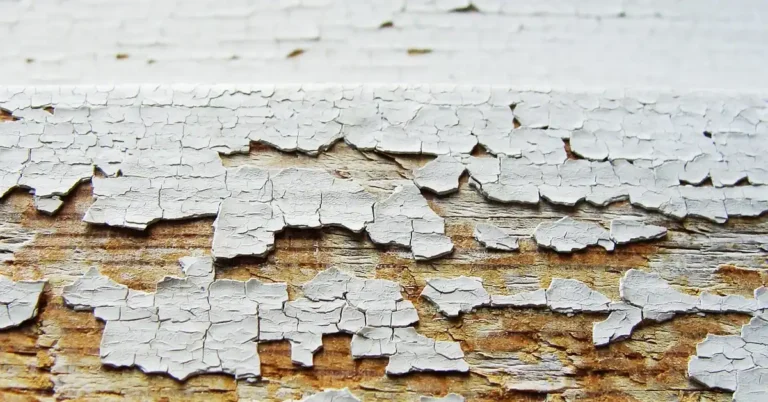
Ready Seal has the edge if you want to avoid stripping later. Because it penetrates wood instead of building a thick surface film, it does not peel in the same way as film-forming products.
Cabot can create more work later, especially in semi-solid and solid lines. Once a thicker finish starts to fail, you may be looking at scraping, sanding, or more aggressive removal before the next coat goes on.
Ready Seal vs Cabot Deck stain at a glance
The core trade-off is simple: Ready Seal makes the next maintenance cycle easier, while Cabot gives you more finish choices and usually better color retention on exposed decks. If you want the least fussy path, Ready Seal fits. If you want longer color life and can handle a tougher future recoat, Cabot is the stronger match.
| Factor | Ready Seal | Cabot Deck Stain | Winner |
|---|---|---|---|
| Product style | Paraffin oil-based transparent stain | Semi-transparent, semi-solid, and solid variants | Cabot Deck Stain |
| Maintenance style | Penetrating finish; no peel behavior | Can be penetrating or more film-like depending on line | Ready Seal |
| Color retention | Weak on full-sun horizontal decking | Usually better, especially in thicker lines | Cabot Deck Stain |
| Recoat burden | Usually easier to recoat without stripping | May require scraping or more prep on thicker finishes | Ready Seal |
| Best use case | Moderately shaded decks, easy maintenance | Sun-baked decks, longer color life, coverage | Tie |
What Ready Seal is best
Ready Seal fits the homeowner who wants a simpler deck maintenance cycle. It is a penetrating, transparent stain, so it works with the wood instead of building a thick layer on top.
That makes it a practical choice on pressure treated pine and cedar when easy recoating matters more than maximum color hold.
What Cabot is best
Cabot is broader and more flexible. Cabot Semi-Transparent Deck & Siding keeps the grain visible, while Cabot solid deck stain gives opaque coverage and can hide imperfections.
That flexibility helps when the deck is already weathered, the color needs to last longer, or you want a finish that covers more surface variation.
Which deck stain type fits your deck?
Pick the stain type around the deck’s exposure, not the label alone. On a full-sun horizontal deck, UV fade drives the decision. On cedar or a shaded deck, absorption behavior and mildew risk matter more, so the “best” finish changes with the wood and the weather pattern.
Pressure treated pine in full sun
Pressure treated pine is the common test surface because it is widely used and often sits in full sun on horizontal deck floors. That setup shortens the recoat interval and makes weak UV protection show up quickly.
For that case, Cabot usually makes more sense if you want the finish to hold its color longer. Ready Seal can still work, but it is the easier-maintenance choice, not the longest-lasting one.
Cedar and other absorbent woods
Cedar absorbs stain differently than pine, so color can read differently from board to board. Ready Seal is listed as suitable for cedar, which makes it a practical choice when you want a penetrating finish and easier upkeep.
Cabot can also work well on cedar, especially when you want a clearer color target or more visible grain control through a semi-transparent line.
Shaded or humid decks
Shaded and humid decks need mildew and algae resistance more than a deck in dry, open sun. That is where line-to-line differences inside Cabot matter, because some products are better suited to wetter, slower-drying conditions than a simple transparent finish.
Ready Seal can still fit a shaded deck if you want low-fuss recoating, but the mildew question should not be ignored. The damper the deck, the more you should focus on the specific product line rather than the brand name.
How do application and cleanup differ?
Ready Seal is the easier application story. It is described as paraffin oil-based, transparent, and rain-tolerant within minutes, which makes it friendlier when you want to stay out of the “perfect weather window” trap.
Ready Seal application and rain tolerance
Ready Seal is reported to have rain tolerance in 15 minutes after application. That does not mean you should rush bad weather, but it does show why many DIY homeowners view it as a simpler workflow.
It also has reported coverage of about 75 square feet per gallon in one field test, and it was tested on a 600 square foot pressure treated pine deck. Those figures matter because deck maintenance planning starts with coverage and repeat application, not just the stain label.
Cabot cleanup, dry time, and line-to-line differences
Cabot is less uniform. Cleanup and dry time change by product line, and the stain can behave more like a sealer or more like a coating depending on whether you buy semi-transparent, semi-solid, or solid.
That variation is useful, but it also means you need to read the specific product line instead of assuming every Cabot can be applied and recoated the same way.
What changes when you switch from penetrating to film-forming
If you move from Ready Seal to a film-forming Cabot product, future maintenance gets harder. Penetrating finishes sink into the wood, while thicker finishes sit more on top of it.
That shift can mean more scraping, more sanding, and a higher chance of visible edges or patchy wear when the finish starts to fail.
Which lasts longer on a deck?
Cabot usually lasts longer when the goal is keeping color on a horizontal deck floor. Ready Seal is not the long-life pick; its value is easier maintenance and simpler recoating.
UV exposure and fade resistance
UV exposure is the main reason deck stains fail on exposed boards. On a full-sun deck, horizontal surfaces take the hardest hit, and that is where Ready Seal’s weak UV protection becomes the key limitation.
Cabot’s stronger lines are the better answer when fade resistance matters more than easy recoat work.
Semi-transparent versus solid Cabot finishes
Cabot Semi-Transparent Deck & Siding belongs in the semi-transparent category, keeps wood grain visible, and typically lasts two to three years on a deck. That puts it in the normal deck-stain range, not the longest-coating category.
Cabot solid deck stain goes further. It is opaque, closer to paint than a penetrating stain, can hide imperfections, and is more difficult to remove later.
Why horizontal boards wear faster than vertical boards
Horizontal deck boards collect more sun, water, dirt, and foot traffic than vertical boards. That is why fence-style expectations do not translate well to a deck floor.
So if you are choosing between Ready Seal and Cabot for a deck, judge the product by floor wear, not by how it might look on siding or a pergola.
Ready Seal deck maintenance matrix
This matrix translates the maintenance workflow into deck-specific choices. The best pick changes with wood species, sun, and how much work you want to do later.
| Surface type | Sun exposure | Desired color life | Recoat effort | Stripping risk | Best pick |
|---|---|---|---|---|---|
| Pressure treated pine | Full sun | Moderate to long | Moderate | Higher with film-like finishes | Cabot Deck Stain |
| Cedar | Mixed sun and shade | Moderate | Low | Low with penetrating maintenance | Ready Seal |
| Shaded deck | Low sun | Moderate | Low | Low | Ready Seal |
| Full-sun deck | High sun | Long | Higher | Medium to high | Cabot Deck Stain |
| High-traffic deck | Any | Long and even | Medium | Higher with thicker finishes | Cabot Deck Stain |
Say your 14-by-20 pressure treated pine deck gets afternoon sun and sees weekly foot traffic. Ready Seal will be easier to refresh, but Cabot is the better match if you want the color to hold longer before the next full maintenance cycle.
Suppose your cedar deck sits under partial trees and you want fewer steps next spring. Ready Seal is the cleaner fit because it is designed for easier recoating and does not create the same peeling problem as a thicker finish.
What happens with recoats and stripping?
Ready Seal is the easier answer when you want to avoid stripping. Cabot can be manageable too, but the finish type matters: semi-transparent is simpler, semi-solid is more work, and solid can become a real removal job later.
Ready Seal recoat cycle
Ready Seal is said to need reapplication every 9 to 18 months. That is shorter than some Cabot options, but it buys you a simpler maintenance pattern because the finish penetrates instead of building a peel-prone layer.
It is also reported not to peel, which is the practical reason many DIY homeowners choose it for decks they want to refresh without major prep.
Cabot recoat behavior by finish type
Cabot Semi-Transparent Deck & Siding is the least complicated Cabot path for future maintenance. Semi-transparent stains are commonly reported to last about two to three years on a deck, while staying easier to manage than heavier finishes.
Cabot solid deck stain is the opposite end of the spectrum. It can last longer, but if it starts to fail, the next maintenance cycle may be more difficult because of peeling, cracking, and removal work.
Peeling, scraping, and film buildup risk
This is where the choice becomes practical, not theoretical. Ready Seal is the safer choice if you want to keep future cleanup light.
Cabot’s thicker lines can bring film buildup, and film buildup means more labor later. A common first-timer mistake is choosing a solid finish for maximum color, then discovering that the next recoat is really a removal project.
Choose Ready Seal if… / Choose Cabot Deck Stain if…
Choose Ready Seal if your deck is moderately shaded, you want the simplest recoat path, and you would rather avoid stripping later. It also fits pressure treated pine and cedar when easy maintenance matters more than long color retention.
Choose Cabot Deck Stain if your deck gets hard sun, you want longer color life, or you want a finish that can hide board imperfections. It is also the better pick when you are willing to trade easier future maintenance for stronger coverage and better fade resistance.
For many DIY homeowners, that means Ready Seal for low-hassle upkeep and Cabot for decks that need more protection from the sun. If you are planning for the next maintenance cycle now, that is the real decision.
Should you buy it?
Buy Ready Seal if your main priority is a deck stain you can refresh with less drama. The product details point to easy application, rain tolerance within minutes, and a penetrating finish that does not peel, which is a strong fit for routine maintenance on a deck you do not want to strip.
Buy Cabot if you need a broader set of finish choices and longer color life, especially on a sun-baked deck floor. Just be sure you are choosing the right Cabot line, because semi-transparent, semi-solid, and solid products do not behave the same way.
Frequently asked questions
Is cabot a good deck stain?
Yes, Cabot is a good deck stain family if you match the product line to the deck’s conditions. Semi-transparent lines are easier to live with, while solid stains usually last longer but can peel and crack. The brand matters less than the exact finish type you choose.
Ready seal vs cabot stain
Ready Seal is the easier maintenance choice, especially when you want a penetrating finish that is simpler to recoat. Cabot is the better choice when you want more finish options and longer color life. The right answer depends on whether you value easier upkeep or stronger sun protection.
Which lasts longer, Ready Seal or Cabot deck stain?
Cabot usually lasts longer on a deck, especially in semi-solid or solid lines. The same source says semi-transparent stains tend to last two to three years on a deck, while solid stains last the longest. Ready Seal is shorter-cycle but easier to maintain between coats.
Which is easier to apply on a deck, Ready Seal or Cabot?
Ready Seal is generally easier to apply because it is a paraffin oil-based transparent stain with a simple workflow and rain tolerance in minutes. Cabot can be easy too, but the process varies by line, and thicker finishes usually demand more careful prep and cleanup.
Does Cabot need separate sealer on a deck?
Not always. Cabot is sold in stain-and-sealer style products, and some lines are described as waterproofing, depending on the product. That means you need to check the specific line rather than assume every Cabot deck stain needs a separate sealer.
Which product is better for pressure treated pine: Ready Seal or Cabot?
Ready Seal is better if you want the simpler maintenance path on pressure treated pine. Cabot is better if that pine deck lives in full sun and you want longer color retention. On a common horizontal deck floor, the sun load often decides the winner more than the wood species does.
Which product handles sun and mildew better on a deck?
Cabot usually handles strong sun better, especially in lines designed for longer color life. Mildew and algae resistance matter most in humid or shaded conditions, and that is where the exact Cabot line matters. Ready Seal is the easier-maintenance option, but it is not the stronger UV choice.
Can you recoat Ready Seal without stripping?
Yes. That is one of its main strengths. Ready Seal is a penetrating finish that does not peel, so recoats are usually simpler and do not call for the same stripping work you may face with thicker film-forming finishes.
Does Cabot deck stain peel or form a film?
Some Cabot products can behave more like a film than a penetrating stain, especially the solid lines. Consumer guidance notes that solid wood stains typically last the longest but can peel and crack. That is why the specific product line matters before you buy.
What type of Cabot deck stain should I choose: semi-transparent, semi-solid, or solid?
Choose semi-transparent if you want visible grain and simpler upkeep. Choose semi-solid if you want more color and coverage without going all the way to an opaque finish. Choose solid if you want the most coverage and are willing to accept harder future removal.
Sponsored / affiliate links. As an Amazon Associate I earn from qualifying purchases. I may earn additional commission from eligible campaigns.