Epoxy vs Wood Glue for Structural Joints: When to Use Each
Use epoxy for damaged, loose, or gap-prone structural joints; use PVA wood glue for tight, wood-to-wood joints with a clean fit. Pick the wrong one and the load path slips, creep starts, or a repair pulls apart under stress. This guide shows how fit, moisture, and force direction decide the bond for repairs, rebuilds, and load-bearing joinery.
| Decision factor | Epoxy | Wood Glue for Structural Joints | Winner |
|---|---|---|---|
| Joint fit | Works with gaps, voids, and loose fits; can bridge missing material | Best when the joint closes tightly and wood fibers meet across the interface | Epoxy |
| Load path | Strong choice when the repair must rebuild a damaged path through compromised wood | Best when the structure can carry load through clean long-grain contact | Tie |
| Clamp dependence | Needs alignment, not heavy squeeze-out; reduced clamp pressure dependence | Depends on firm clamping for wood-to-wood contact and thin glue lines | Epoxy |
| Moisture and outdoor exposure | Better choice for damp, weather-exposed, or repair-prone conditions | Best in dry, controlled interiors with sound, well-fitted joints | Epoxy |
| Shop workflow | Mixing, timing, and cleanup take more steps | Faster assembly, simpler cleanup, and less setup | Wood Glue for Structural Joints |
Epoxy vs wood glue: what changes in a structural joint

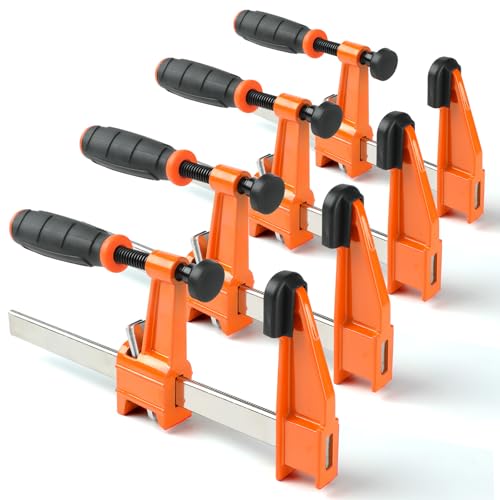
In a structural joint, the adhesive is only part of the system. The real question is whether the joint carries shear and tension through sound wood-to-wood contact, or whether the adhesive must rebuild damaged edges, gaps, or missing fibers. I look at that first on every repair.
Load path, fit, and failure mode
Long-grain joints are often a good case for wood glue because the bond reaches wood fibers in a tight glue line. End-grain and broken-out edges are a different problem, because the adhesive is not joining two clean faces and may instead need to stabilize damaged fibers or bridge gaps.
That is why raw bond strength alone is the wrong test. A strong adhesive cannot rescue a bad fit if the load path is weak, the wood is crushed, or the joint opens under service.
What each adhesive is actually doing
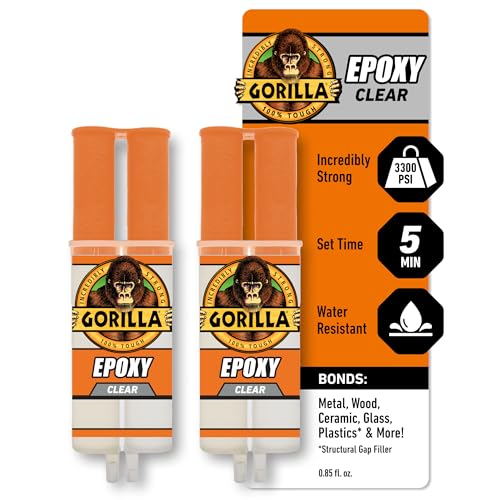
Epoxy is a two-part adhesive made from resin and hardener. In the cited guide, it typically uses a 1:1 mixing ratio, and its pot life can range from a few minutes to a couple of hours. Xometry describes epoxy resins as a thermosetting polymer with exceptional bonding capabilities, and Protolabs notes that epoxy does not soften once set.
PVA wood glue is a water-based adhesive that generally works best in tight joints where it can bond wood fibers. It depends on clamp pressure to keep the joint closed while the water leaves the glue line and the bond develops.
According to Epoxy: Everything you need to know about it – Loctite — Epoxy typically uses a 1:1 mixing ratio in the cited guide.
When should you use epoxy instead of wood glue?
Use epoxy when the joint is damaged, loose, moisture-exposed, or missing material. It is the better repair adhesive when the wood can no longer give you a clean, tight mating surface and the adhesive must bridge gaps, stabilize weak fibers, or rebuild part of the joint.
Loose joints, missing fibers, and voids
Gap-filling epoxy is the right tool when there are voids, ragged edges, or a fit that no longer closes under clamp pressure. Epoxy is described as a gap-filler suitable for reconstructions, which makes it useful when a structural repair has to bridge a gap rather than just wet wood fibers.
That does not mean it should replace good joinery. It means it can salvage a joint that would be unreliable with a thin-film wood glue bond.
Rotted wood, damaged edges, and rebuild work
For rotted wood repair, epoxy often works as both adhesive and consolidant. When the fibers are soft, missing, or crumbling, PVA wood glue has little sound material to grab, while epoxy can be packed into voids and shaped after cure.
Epoxy can be sanded, drilled, and painted after curing, so a repaired edge can be brought back to size. That matters in furniture restoration and trim repair where the joint must carry load again after the damaged section is rebuilt.
Moisture exposure and outdoor repairs
Wood moisture content matters because wet or unstable wood weakens bond reliability. For outdoor structural joints, epoxy is usually the safer choice when the repair will face weather, intermittent wetting, or industrial service where moisture control is poor.
PVA glue belongs in drier conditions. When the part is sound, dry, and well fitted, it gives a cleaner workflow and a stronger wood-fiber bond than a repair adhesive forced to compensate for bad material.
When is wood glue the better choice?
Wood glue is the better choice when the parts fit tightly, the load is carried through clean long-grain contact, and the assembly can be clamped properly. In that setting, it is simpler, faster, and more predictable than mixing epoxy for a joint that does not need gap filling.
Tight long-grain joinery
In a properly made mortise-and-tenon, dowel, or edge joint with excellent fit, PVA wood glue is usually the better structural option. The bond forms directly to wood fibers, and the glue line stays thin enough for the joint geometry to do the real work.
That is why furniture factories and many repair shops still reach for PVA first on clean joinery. The adhesive is not doing extra reconstruction work, so the load path stays simple.
Clamp-heavy assemblies
Wood glue often relies more on clamp pressure than epoxy does. The clamp keeps the parts seated, squeezes the joint closed, and prevents the glue line from becoming too thick for a sound bond.
Epoxy often benefits more from careful alignment than from minimizing squeeze-out. For a tight joint, that makes wood glue easier to apply in a repeatable way, provided the clamping setup is ready before the adhesive goes on.
Fast shop workflow and cleanup
PVA wood glue has the edge when speed matters. It mixes less, cleans up more easily, and does not force the same working-time decisions that epoxy does.
Epoxy pot life is helpful for repairs, but it also adds planning. Once the resin and hardener are mixed, the clock is running.
How do clamp pressure, fit, and cure time change the result?
Clamp pressure, joint fit, and cure schedule decide whether either adhesive reaches its structural potential. Wood glue needs firm clamping and tight surfaces; epoxy tolerates looser fits but still needs proper alignment, correct mixing, and enough cure time before load.
PVA clamp dependence versus epoxy alignment
With PVA, clamp pressure is part of the bond process. The joint should close fully, because the adhesive is meant to bond wood fibers across a narrow line rather than fill a wide defect.
With epoxy, clamp pressure is often about holding the repair in position while the adhesive cures. Heavy squeeze-out can actually starve the joint if the epoxy is forced out of the gap.
Pot life, set time, and full cure time
Epoxy pot life can range from a few minutes to a couple of hours, depending on the system. One epoxy wood glue product listed by WoodPlaneExpert has a 6-minute set time and a 1-3 hour cure time, while full cure for structural use is commonly longer than the point at which the part can be handled.
Temperature can change the timing of both epoxy and wood glue. Warmer conditions usually shorten working time and can speed cure; cooler conditions slow the schedule and can leave a repair vulnerable if load is applied too early.
Temperature and moisture effects
Moisture in the wood affects both adhesives, but epoxy is more forgiving in repair situations where the wood is not perfectly dry. PVA wants a cleaner, drier joint because it bonds best to wood fibers, not to contamination or unstable surfaces.
For a repair, the question is not only how strong the adhesive is after cure. It is whether the substrate stays stable long enough for the bond to develop properly.
Decision matrix: match the adhesive to the joint
This matrix is the fastest way to choose. Start with fit, then check load, moisture, and repair condition; the correct adhesive usually becomes obvious once those four factors are treated together.
| Joint fit | Load type | Moisture exposure | Repair condition | Recommended adhesive | Failure-case checklist |
|---|---|---|---|---|---|
| Tight, clean, long-grain | Shear-heavy, normal structural load | Dry interior | Sound wood, no missing fibers | Wood Glue for Structural Joints | Check for full clamp pressure, clean surfaces, and no starved glue line |
| Tight, but end-grain or mixed-grain | Moderate load, repair-sensitive | Dry to mildly exposed | Edges intact, limited damage | Epoxy | Check for proper wet-out, enough open time, and no reliance on end-grain alone |
| Loose or gapped | Structural load, possible tension | Dry or damp | Missing fibers, worn faces, voids | Epoxy | Check for void bridging, full mixing, and support until cure; do not clamp so hard that the gap disappears unevenly |
| Rotted, softened, or crumbling | Repair rebuild, load restoration | Outdoor or high risk of wetting | Damaged wood, material loss | Epoxy | Check for removal of unsound fibers, dry enough substrate, and a repair shape that restores the load path |
| Excellent fit, high clamp access | Fast assembly, furniture joinery | Indoor only | New or well-machined parts | Wood Glue for Structural Joints | Check for assembly speed, clamp readiness, and full wood-to-wood contact across the joint |
Failure-case checklist for epoxy branches
Epoxy is the wrong answer if the joint is actually clean, tight, and already well supported by wood-to-wood contact. It also fails when the user assumes gap-filling means unlimited tolerance; large voids, badly crushed fibers, or moving parts can still break the repair.
Other red flags are poor mixing, rushed cure time, and wet wood that keeps moving after assembly. Epoxy is strong, but it is not a cure for unstable structure.
Failure-case checklist for wood glue branches
Wood glue is the wrong answer when the fit is loose, the part is end-grain heavy, or the repair must bridge loss of material. It also struggles where clamp pressure cannot close the joint or where moisture threatens the bond before it sets.
If the joint depends on rebuilding a damaged load path, PVA is usually asking too much of a thin glue line.
Can epoxy replace wood glue in furniture joints?
Epoxy can replace wood glue in some furniture repairs, but it should not become the default for all furniture joints. It works best when a restoration needs gap filling, missing-corner rebuilds, or damaged edges brought back into service; it is a poor substitute for a tight, well-machined joint that already fits.
Where it works in restoration
In furniture restoration, epoxy is useful when the original joint is worn, the part is split out, or there is rot or missing material around the joint. It can rebuild a seat rail, leg shoulder, or corner block area where the structure needs new material before the bond can carry load again.
That is especially true when the repair must be sanded, drilled, or painted after cure.
Where it creates avoidable problems
Epoxy can create extra work in clean furniture joinery because it introduces mixing, timing, and cleanup without giving a structural benefit over a proper PVA bond. If the parts fit tightly and the clamp setup is ready, wood glue is usually faster and simpler.
Using epoxy where wood glue would have worked can also hide a joinery problem instead of fixing it. The joint should fit the design, not the adhesive.
End-grain and mixed-material cases
Does epoxy bond better to end grain than wood glue? In practical repair work, yes, because end grain gives wood glue less favorable fiber contact and often needs a material that can bridge and stabilize rather than simply soak in. Still, end grain alone is not a strong structural strategy; the joint should be designed so the adhesive is not carrying the whole load.
Mixed-grain repairs often point toward epoxy when the part is damaged or irregular. If the geometry is tight and clean, wood glue remains the better choice.
Frequently asked questions
Is epoxy stronger than wood glue for structural joints?
Not automatically. Epoxy can be the better choice when the joint is damaged, loose, or moisture-exposed, but wood glue can be the better structural adhesive for a tight, clean long-grain joint. The winner depends on fit, load path, and whether the adhesive is repairing damage or simply bonding good wood.
Does epoxy bond better to end grain than wood glue?
Usually yes, in repair work. End grain gives wood glue less favorable contact, while epoxy can wet the surface and bridge irregular fibers or gaps more effectively. Even so, end-grain joints should be designed carefully, because no adhesive turns end grain into the equal of a sound long-grain joint.
How long does epoxy take to cure for a structural repair?
Epoxy pot life can range from a few minutes to a couple of hours, and one cited wood epoxy product has a 6-minute set time with a 1-3 hour cure time. For structural repair, full strength usually takes longer than the point where the part feels firm, and temperature shifts the schedule.
Can you clamp epoxy like wood glue?
Yes, but the goal is different. Wood glue needs firm clamping to close the joint and create a thin glue line, while epoxy usually needs enough pressure to hold alignment without squeezing all the adhesive out. Heavy clamp pressure is not the same advantage with epoxy.
Is epoxy gap-filling enough for loose joints?
It can be, if the gap is modest and the joint is otherwise sound enough to hold the load path. Epoxy is described as a gap-filler suitable for reconstructions, but loose joints still need proper geometry, good surface prep, and enough cure time. Bad fit plus movement is still a weak repair.
What adhesive is best for rotted wood or missing material?
Epoxy is the better choice for rotted wood and missing material. It can bridge voids, rebuild edges, and later be sanded, drilled, or painted after cure. Wood glue needs healthy wood fibers and a tight fit, so it is the wrong tool when the structure itself has been eaten away or broken down.
Is wood glue or epoxy better for outdoor structural joints?
Epoxy is usually better for outdoor structural joints, especially where moisture exposure is hard to control or the repair is already damaged. PVA wood glue is better indoors, where the joint is tight, dry, and able to clamp well. Outdoor exposure shifts the decision toward epoxy when reliability matters.
Verdict: choose based on joint condition, not brand reputation
Choose epoxy when the joint is damaged, loose, gapped, rotted, or exposed to moisture, and when the repair must rebuild material as much as bond it. Choose PVA wood glue when the parts fit tightly, the load path depends on clean wood-to-wood contact, and the shop can apply firm clamping quickly.
That is the practical split. Epoxy wins repair work and compromised joints; wood glue wins clean structural joinery.
Sponsored / affiliate links. As an Amazon Associate I earn from qualifying purchases. I may earn additional commission from eligible campaigns.