How Do You Repair Rotted Wood Without Replacing It? Easy Fix
Yes, you can often repair rotted wood without replacing it entirely. Simple methods involve cleaning out the rot, applying a wood hardener, and then filling the damaged area with a wood filler or epoxy. This approach is effective for small to moderate rot damage.
Understanding Wood Rot
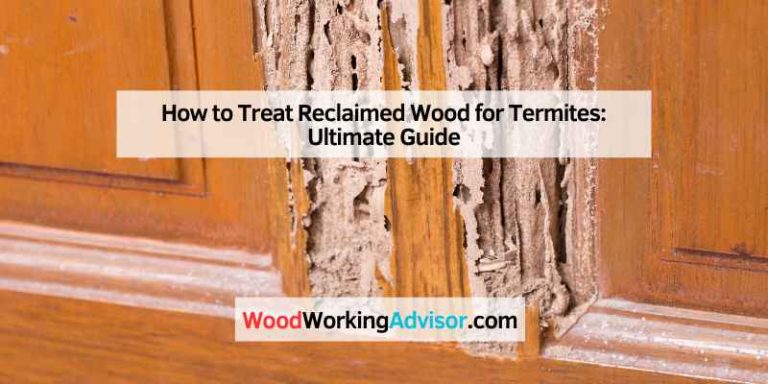
Wood rot happens when fungi attack the wood. These fungi eat the wood’s structure. This makes the wood soft, weak, and crumbly.
Several things can cause wood rot. Moisture is the biggest culprit. Poor ventilation and lack of sunlight also play a big role.
Different types of rot exist. Brown rot breaks down cellulose. White rot breaks down both cellulose and lignin.
Wet rot needs a lot of water. Dry rot can spread from damp areas to dry ones.
Spotting rot early is key. Look for signs like dark spots. You might see a spongy texture when you touch the wood.
Peeling paint can hide rot underneath. Sometimes, you’ll see mushroom-like growths. These are signs the fungi are active.
The smell can also be a clue. It might smell musty or earthy.
My Deck Disaster: A Rotty Reality
I remember one sweltering summer day. I was getting ready to host a backyard barbecue. My deck looked okay from a distance.
But as I walked across it, one plank felt a bit soft underfoot. I knelt down to look. To my horror, a large section of the wood was black and crumbly.
It looked like it was turning to dust. My stomach dropped. I pictured having to buy new lumber, rent tools, and spend days fixing it.
Panic set in. That night, I couldn’t sleep, picturing my guests falling through the deck! It felt like a huge, costly problem.
The next morning, I called a contractor. He took one look and said, “Yep, gotta replace it all.” My heart sank. But then, I remembered reading about wood repair kits.
I decided to do more research before saying yes. I found out that for this kind of damage, I might not need to replace everything. It was a huge relief.
I decided to try the repair route first. It saved me so much money and stress.
How to Assess the Damage
Before you can fix rotted wood, you must know how bad it is. Use a screwdriver or a probing tool. Gently poke the suspect wood.
If the tool goes in easily, it’s likely rotted. Check the surrounding areas too. Rot can spread.
Look for changes in color. Is the wood darker than normal? Does it feel soft or spongy?
Smell the wood. A damp, earthy smell is a bad sign. Even if the surface looks okay, rot can hide deeper inside.
Consider the location of the rot. Is it a small spot on a deck board? Or is it a major support beam?
Structural parts need extra care. For small, non-structural bits, repair is usually a good option. If the rot is extensive or affects a critical support, replacement might be safer.
Always err on the side of caution for safety-critical areas.
Rot Identification Checklist
- Softness Test: Probe with a screwdriver. Easy penetration means rot.
- Color Change: Look for dark or blackish areas.
- Texture: Is the wood crumbly, spongy, or mushy?
- Smell: A musty or damp odor is a warning sign.
- Surface Issues: Check for peeling paint or visible decay.
- Moisture: Is the area often wet or poorly ventilated?
Step 1: Cleaning Out the Rot
This is a crucial first step. You must remove all the decayed wood. Use a chisel, a putty knife, or even a stiff brush.
Dig out every bit of the soft, crumbly material. Get down to the solid wood underneath. The goal is to expose healthy wood.
This gives the new filler something firm to grip. Be thorough here. Leaving any rot behind means the problem will return.
Clean the area well afterwards.
You want a clean, dry surface. After you’ve chiseled out the rot, brush away all dust and debris. You can even use a vacuum cleaner for this.
Make sure the area is completely dry before you move on. Damp wood won’t let the hardener or filler stick properly. If the area is still damp, use a fan or a hairdryer to speed up drying.
Cleaning Tools You Might Need
- Chisel: For digging out larger areas of rot.
- Putty Knife: Good for scraping and smaller areas.
- Stiff Brush: For removing dust and loose particles.
- Vacuum Cleaner: To suck up fine dust.
- Dry Cloths: For wiping the area clean.
Step 2: Applying a Wood Hardener
Once the area is clean and dry, it’s time for a wood hardener. This is a liquid product that soaks into the remaining wood fibers. It acts like a glue.
It hardens the wood and makes it stronger. This is especially important for wood that was slightly soft but not fully crumbly. It also seals the wood against future moisture.
Wood hardeners are usually plastic-based. You apply them with a brush. Follow the product instructions carefully.
Let it soak in for the time recommended. You might need to apply more than one coat. This step is vital.
It creates a solid base for the filler. It stops the rot from spreading further into the wood.
Wood Hardener Tips
Purpose: Strengthens and seals wood.
Application: Use a brush; follow product directions.
Drying Time: Allow proper drying between coats.
Safety: Work in a well-ventilated area.
Step 3: Filling the Gap
Now you’re ready to fill the void. You have a few choices for filler. Standard wood filler works for small fixes.
For larger gaps or areas that need more strength, consider an epoxy filler. Epoxies are very durable and waterproof. They are a great choice for outdoor repairs.
Choose a filler that can be sanded and painted or stained.
Mix the filler if needed. Follow the package directions. Apply the filler using a putty knife.
Press it firmly into the cleaned-out area. Make sure it fills the entire void. Slightly overfill the area.
This is because the filler might shrink a little as it dries. Smooth the surface as best you can. Try to match the surrounding wood’s level.
Let the filler cure completely. This can take several hours or even a full day. Do not rush this step.
Trying to sand or paint wet filler will cause problems. Check the product’s recommended drying time. Once dry, it should be hard and stable.
Filler Options Comparison
Wood Filler:
- Best for: Small interior or exterior cracks and holes.
- Pros: Easy to use, sands well.
- Cons: Can shrink, less durable than epoxy.
Epoxy Filler:
- Best for: Larger gaps, structural repairs, high-moisture areas.
- Pros: Very strong, waterproof, minimal shrinkage.
- Cons: Can be harder to mix and apply, sometimes costs more.
Step 4: Sanding and Finishing
Once the filler is fully cured and hard, it’s time to sand. Use sandpaper to smooth the repaired area. Start with a medium-grit sandpaper.
Then move to a finer grit. The goal is to make the filled area flush with the surrounding wood. It should feel smooth to the touch.
Sand carefully. You don’t want to create a noticeable bump or dip.
After sanding, clean off all the dust. Then you can paint or stain the repaired section. Choose a finish that matches the rest of the wood.
This will make the repair almost invisible. For outdoor items, use a good quality exterior paint or sealant. This will protect the repaired area from the elements.
Finishing Touches
Sanding: Start with medium grit, finish with fine grit for a smooth surface.
Cleaning: Remove all dust before painting or staining.
Matching: Use paint or stain that blends with existing color.
Protection: Apply exterior sealant for outdoor repairs.
When Repair Isn’t Enough: Knowing When to Replace
While repairing rotted wood is often possible, there are times when replacement is the only safe and effective option. If the rot has spread deeply into a structural beam or post, it’s too risky to repair. This is especially true for decks, staircases, or porch supports.
These areas bear weight and any failure could cause serious injury. You should also consider replacement if the rotted area is very large.
If the wood is severely compromised, meaning it’s mushy throughout and holds no strength, repair won’t work. For critical structural elements, it’s always best to consult with a professional. They can assess the damage and tell you if repair is safe or if full
Signs You Need to Replace, Not Repair
- Structural Integrity: Rotting main support beams, posts, or joists.
- Extensive Damage: Large areas of severe decay throughout the wood.
- Deep Penetration: Rot has spread far into the wood’s core.
- Loss of Strength: The wood is completely soft and lacks any firmness.
- Safety Concerns: If the area supports significant weight or is critical for safety.
Preventing Future Wood Rot
The best way to deal with wood rot is to prevent it. Keep wood surfaces dry. Ensure good air circulation around wooden structures.
Trim trees and bushes away from your house and decks. This helps sunlight and air reach the wood. Regularly inspect wooden areas for any signs of damage or moisture buildup.
Fix small leaks quickly.
Use good quality sealants and paints. These act as a barrier against moisture. Reapply them as needed.
For ground-level wood, consider using pressure-treated lumber or composite materials. These are more resistant to rot and insects. Proper maintenance will save you a lot of headaches and money in the long run.
Key Prevention Strategies
Keep Dry: Fix leaks, ensure good drainage.
Ventilate: Allow air to circulate around wood.
Trim Vegetation: Keep plants away from wood surfaces.
Inspect Regularly: Check for early signs of rot or moisture.
Seal and Paint: Maintain protective coatings on wood.
Common Places for Wood Rot
Wood rot loves damp, dark places. You’ll often find it on the exterior of homes. Window frames and door frames are common spots.
Especially the lower parts. Decks and porches are also prime candidates. Railings, steps, and deck boards can suffer.
Siding, particularly if it’s wood, can rot if it gets water behind it.
Beneath sinks or around bathtubs in bathrooms can also develop rot. Leaky pipes are the usual cause. In the garden, wooden garden beds or fences can get rot.
Even attics or crawl spaces can have rot if there are moisture issues. Anywhere water can sit or collect is a potential problem area.
Hotspots for Wood Rot
Windows & Doors: Bottom edges, frames.
Decks & Porches: Boards, railings, posts, stairs.
Siding: Areas where water gets trapped.
Bathrooms: Around tubs, sinks, under pipes.
Outdoor Structures: Fences, garden beds.
What if the Rot is on a Structural Part?
If you discover rot on a main structural support, like a deck joist, a porch column, or a house framing member, you must be extremely cautious. For minor rot on the surface of a structural member, a strong epoxy filler might be an option. However, this requires careful assessment.
You need to ensure the core of the wood is still sound.
In most cases of rot on structural components, replacement is the safest choice. You cannot compromise the structural integrity of your home or deck. A professional contractor or structural engineer should evaluate this type of damage.
They can determine the extent of the rot and recommend the best course of action. Trying to patch up major structural rot can lead to serious safety hazards down the line.
Structural Rot: The Rules
Assess Severity: Understand how deep and wide the rot goes.
Consider Replacement: Often the safest and most durable solution.
Consult Professionals: Get expert advice for structural members.
Use Strong Fillers: If repairing, epoxy is usually required.
Prioritize Safety: Never risk structural stability.
Can You Use Just Wood Filler for All Rot?
No, you cannot use just any wood filler for all types of rot. Regular wood filler is best for cosmetic repairs. It’s good for small holes or gouges.
It’s not designed to fill large voids or to provide structural strength. For true rot repair, especially in areas that need to be strong or are exposed to moisture, a specialized wood hardener and a more robust filler like epoxy are necessary.
Standard wood fillers can shrink significantly as they dry. They can also crack over time. They are often not waterproof.
This means they won’t stand up to the elements. Using them on rotted wood that needs structural support or weather resistance will likely lead to failure. Always choose the right product for the job.
Wood Filler vs. Epoxy Filler
Wood Filler:
- Use: Small cosmetic fixes, nail holes, minor dents.
- Pros: Easy to sand and paint, widely available.
- Cons: Shrinks, not waterproof, lacks structural strength.
Epoxy Filler:
- Use: Rot repair, filling large voids, structural reinforcement.
- Pros: Very strong, waterproof, minimal shrinkage, durable.
- Cons: Requires mixing, can be harder to work with, more expensive.
My Experience with an Epoxy Repair
A few years ago, the bottom of my garage door frame started to look rough. It was a classic case of water splashing up from the driveway. I poked it, and the wood was soft.
It wasn’t completely gone, but it was definitely decaying. I remembered the deck repair and decided to tackle this myself.
I scraped out all the mushy wood. It was gross. I felt like I was digging into a sponge.
I then applied a wood hardener. It soaked in nicely. The real magic happened with the epoxy filler.
I mixed the two parts, and it felt like I was working with a strong putty. I pressed it into the gap. It filled the whole section.
It hardened up solid. After it cured, I sanded it smooth. I then painted it to match the frame.
It looks perfect and has held up great against the rain and snow. That repair probably saved me hundreds of dollars compared to replacing the whole frame.
The Importance of Ventilation
Good ventilation is like fresh air for your wooden structures. It helps wood dry out. This is super important for preventing rot.
Rot fungi need moisture to grow. If air can circulate freely, it carries away moisture. Think about the space under your deck.
If it’s packed with plants or blocked off, moisture can build up. This is an invitation for rot.
Similarly, the area around window and door frames needs to breathe. If caulk is old and cracked, water can get in. But if there’s no way for that water to escape, it sits there.
This causes rot. When inspecting your home, look for areas that seem damp or have poor airflow. Sometimes, simple solutions like trimming bushes or adding a vent can make a big difference.
Tools You Might Need for Rot Repair
Gathering the right tools makes the job much easier. You’ll definitely need something to remove the rotted wood. A sharp chisel is great for this.
A sturdy putty knife works well too. For cleaning out dust, a stiff brush or even a shop vacuum is helpful.
To apply the wood hardener, a disposable brush is perfect. For filling the gaps, you’ll want putty knives of various sizes. If you’re using an epoxy, it often comes with a mixing board or tray.
Finally, for smoothing the repair, sandpaper in different grits is a must. Having these tools ready means you can tackle the repair efficiently.
Essential Tools for Wood Repair
- Chisel/Putty Knife: For removing decayed wood.
- Stiff Brush/Vacuum: For cleaning dust and debris.
- Disposable Brushes: For applying hardener and fillers.
- Sanding Block/Sandpaper: For smoothing the repaired area.
- Paint/Stain: For finishing and protection.
- Safety Gear: Gloves and eye protection.
Frequently Asked Questions
Can I use wood glue to repair rot?
Wood glue is not designed to repair rot. It’s an adhesive for joining wood pieces. Rot means the wood fibers are broken down by fungi.
Wood glue won’t strengthen or replace the lost wood structure. You need a wood hardener and filler for rot repair.
How long does a wood rot repair last?
A well-done wood rot repair can last for many years. The lifespan depends on the quality of the products used. It also depends on how thoroughly the rotted wood was removed.
Proper preparation and finishing are key. Preventing future moisture is also vital for longevity.
Is it safe to repair rotted wood on my house foundation?
For house foundation elements, it’s generally not recommended to repair rot with fillers. Foundation wood is critical for structural support. If you find rot here, it’s best to consult a structural engineer or a foundation repair specialist.
They can assess the damage and advise on safe repair or replacement.
What is the difference between wet rot and dry rot?
Wet rot needs a high moisture content to thrive and usually appears as dark, spongy wood. Dry rot, while it can start in damp areas, can spread into drier parts of a building. It creates a distinctive powdery or fibrous texture and can be more destructive.
Can I paint over rotted wood?
No, you should never paint over rotted wood. Painting will hide the problem, but it won’t fix it. The rot will continue to spread underneath the paint.
This can lead to more serious damage later. Always remove all rotted material and repair the wood before painting.
What is the best filler for outdoor wood rot?
For outdoor wood rot, epoxy fillers are generally the best choice. They are very durable, waterproof, and resistant to decay. They cure hard and provide a strong repair that can withstand weather conditions.
Always ensure the area is properly cleaned and hardened before applying epoxy filler.
Final Thoughts on Wood Repair
Seeing rotted wood can be discouraging. But remember, it’s often a fixable problem. By understanding the steps – cleaning, hardening, filling, and finishing – you can tackle many repairs yourself.
This saves money and keeps your home looking great. Always prioritize safety, especially with structural issues. With the right approach, you can restore damaged wood and prevent future problems.