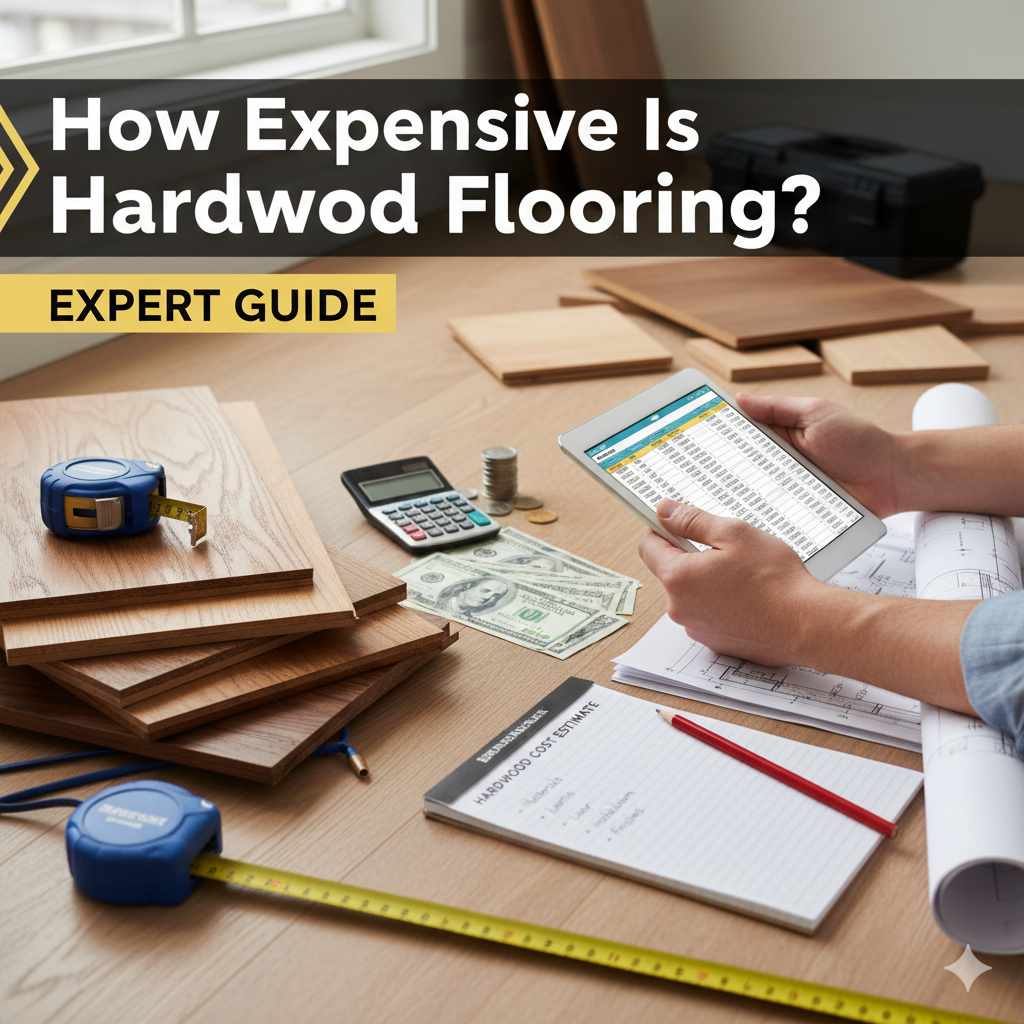
How Expensive Is Hardwood Flooring?: Expert Guide
Hardwood flooring costs can range from $7 to $18 per square foot or more, covering materials, installation, and any necessary prep work. The final price depends heavily on wood species, grade, finish, installation complexity, and your location.
Dreaming of the timeless beauty of hardwood floors in your home? They add warmth, elegance, and value. But when you start exploring, a big question pops up: “Just how expensive is hardwood flooring?” It’s a common sticking point for many homeowners. The wide price range can feel confusing, making it tough to budget. Don’t worry! As your woodworking mentor, I’ll break down all the factors that influence the cost. We’ll explore different wood types, installation considerations, and tips to help you make an informed decision. Let’s unlock the secrets to understanding hardwood flooring prices so you can achieve those beautiful floors without breaking the bank.
Understanding the Cost Components
To get a clear picture of hardwood flooring expenses, we need to look at what goes into the total price. It’s not just the wood itself; installation and other factors play a huge role. Think of it like building a birdhouse: the wood is just one part of the cost – you still need nails, glue, and maybe even some paint!
1. Material Costs: The Wood Itself
This is often the biggest chunk of the budget. The type of wood you choose, its quality, and its origin all impact the price significantly. Here’s a breakdown of common factors contributing to material cost:
- Wood Species: Different trees grow at different rates and have varying hardness and grain patterns. This directly affects their price. Less common, harder, or more exotic woods generally cost more.
- Wood Grade: Lumber is graded based on the number and size of imperfections, like knots and color variations. Higher grades (like Clear or Select) have fewer imperfections and are more expensive than lower grades (like #3 Common).
- Finish: Some hardwood floors come pre-finished, meaning they are sanded and coated with protective sealant at the factory. This is convenient but can add to the cost. Unfinished hardwood requires on-site sanding and finishing, which can be cheaper initially but requires more labor time.
- Plank Width and Length: Wider planks or extra-long planks typically cost more than standard widths.
- Solid vs. Engineered Hardwood: Solid hardwood is milled from a single piece of wood. Engineered hardwood has a thin layer of real wood on top of plywood or high-density fiberboard. Engineered wood can sometimes be less expensive, especially for certain species.
2. Installation Costs
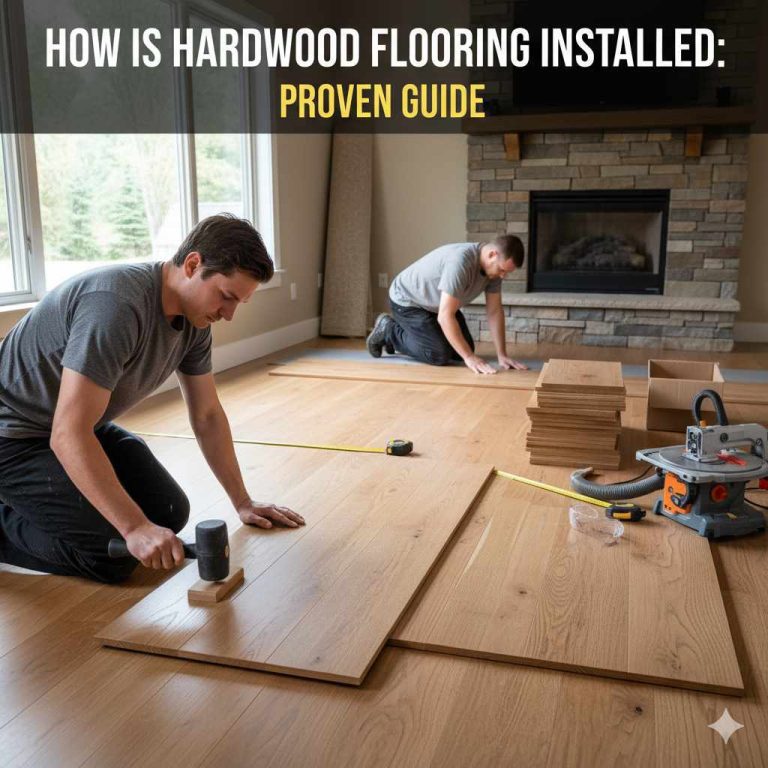
Even if you’re a seasoned DIYer, installing hardwood can be a challenge. Hiring a professional installer is common and adds another layer to the total cost. This includes:
- Labor: Professional installers charge by the square foot or by the day. Their experience and skill are valuable, especially for complex layouts or tricky subfloors.
- Installation Method: The way the wood is installed affects labor costs. Common methods include:
- Nail-down: This is a popular method for solid hardwood on a wooden subfloor.
- Glue-down: Used for both solid and engineered hardwood, especially over concrete.
- Floating: Engineered hardwood can be “floated” over an underlayment, where planks interlock without being directly attached to the subfloor. This is often a DIY-friendly option.
- Site Preparation: Your existing floor may need removal. Subfloors might require leveling, repair, or a moisture barrier, all of which add to the cost.
3. Ancillary Costs
Don’t forget these often-overlooked expenses:
- Underlayment: A layer placed between the subfloor and the flooring for cushioning, moisture protection, or sound dampening.
- Transitions and Trim: You’ll need transition strips for doorways and potentially new baseboards or quarter-round molding to cover the expansion gap around the room’s perimeter.
- Removal of Old Flooring: If you’re replacing an old floor, there will be costs associated with its disposal.
- Finishing Supplies (if unfinished): For unfinished wood, you’ll need sandpaper, stains, sealers, and polyurethane.
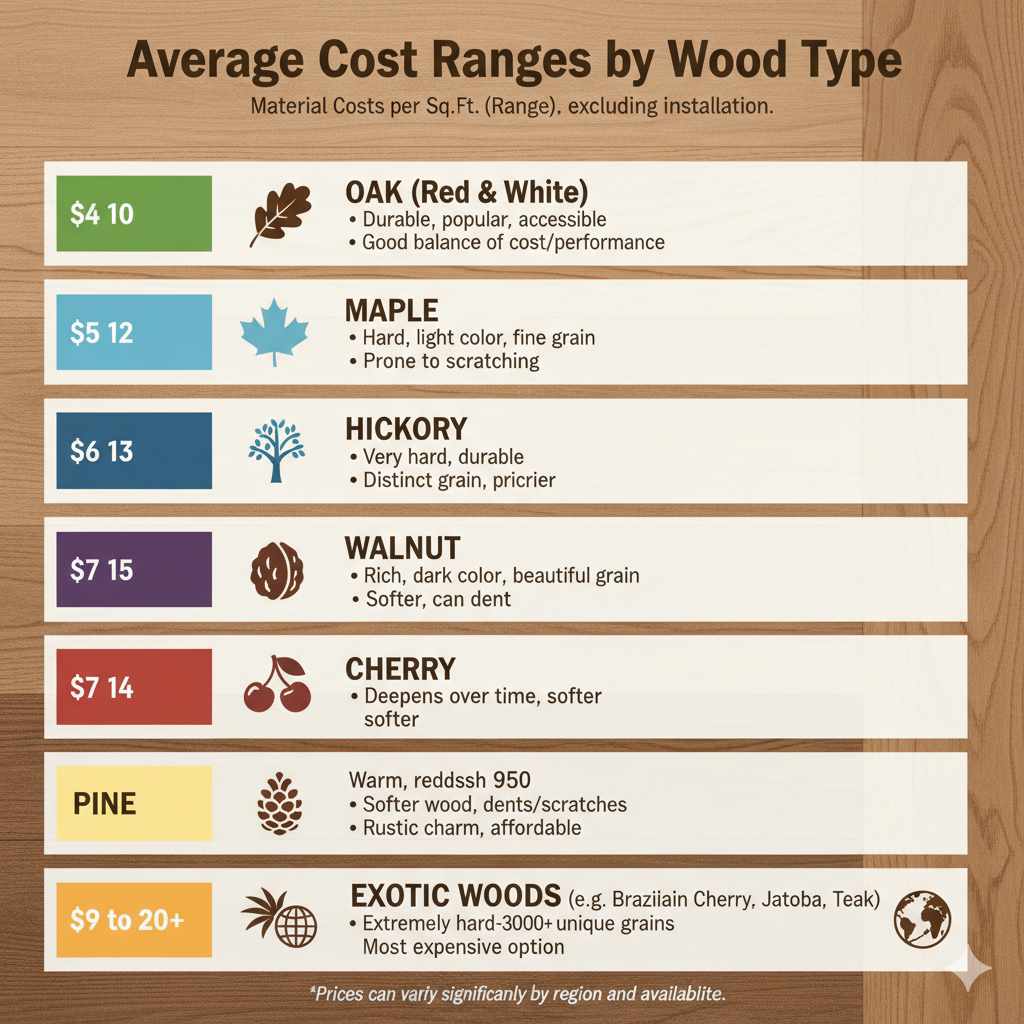
Average Cost Ranges by Wood Type
The species of wood is a primary driver of cost. Some woods are plentiful and easy to harvest, while others are rarer or more difficult to work with, driving up the price. Here’s a look at some common hardwood types and their approximate price ranges:
| Wood Species | Average Material Cost per Sq. Ft. (Range) | Typical Hardness (Janka Scale) | Notes |
|---|---|---|---|
| Oak (Red & White) | $4 – $10 | 1290 (Red) – 1360 (White) | Durable, popular, accessible. Good balance of cost and performance. |
| Maple | $5 – $12 | 1450 | Hard, light color, fine grain. Can be more prone to scratching than oak. |
| Hickory | $6 – $13 | 1820 | Very hard and durable, with a distinct grain. Can be pricier. |
| Walnut | $7 – $15 | 1010 | Rich, dark color, beautiful grain. Softer than oak, so it can dent more easily. |
| Cherry | $7 – $14 | 950 | Warm, reddish tones that deepen over time. Softer wood. |
| Pine | $3 – $7 | 380 – 870 | Softer wood, prone to dents and scratches. Offers a rustic charm; often more affordable. |
| Exotic Woods (e.g., Brazilian Cherry, Jatoba, Teak) | $9 – $20+ | 1650 – 3000+ | Extremely hard, unique colors and grains. Typically the most expensive option. |
Note: These are material costs only, excluding installation and ancillary expenses. Prices can vary significantly by region and supplier.
Solid vs. Engineered Hardwood: Which is More Expensive?
This is a frequent point of confusion. While it might seem counterintuitive, they can often be priced similarly, but here’s the general idea:
- Solid Hardwood: Milled from a single plank. It can be sanded and refinished many times. Typically, solid wood has a slightly higher starting price for the material compared to some engineered options. The overall cost can become higher if you opt for rarer species or higher grades.
- Engineered Hardwood: Made with a core of plywood or HDF and topped with a thin veneer of real hardwood. It’s more stable and can be installed in basements or over concrete. For very common species like oak in standard widths, engineered hardwood can sometimes be more affordable than solid counterparts. However, for premium veneers or complex construction, it can also be quite expensive.
When considering cost, think about:
- Longevity: Solid hardwood can be refinished multiple times, potentially lasting generations, which can offer better long-term value.
- Installation Location: Engineered wood is often the only viable real wood option for areas with moisture or above-grade installation on concrete, which can simplify your options and potentially reduce costs associated with specialized subfloor prep for solid wood.
The Janka Hardness Scale: A Key Price Factor
You might have noticed the “Janka Hardness” in the table. What is that, and why does it matter for cost?
The Janka Test measures the resistance of wood to denting and wear. It’s done by measuring the force needed to embed a steel ball halfway into a wood sample. The higher the number, the harder and more durable the wood.
Why it affects price:
- Durability: Harder woods are more resilient to the scuffs and dents of daily life. Homeowners often seek out harder woods for high-traffic areas.
- Supply: Some very hard woods might be less common or harder to mill, which can increase their price.
- Demand: If a hard species is also very popular for its beauty (like Hickory), its price can be driven up by demand.
For an example of the Janka scale, the U.S. Forest Service provides data and explanations on wood properties that can be helpful: U.S. Forest Products Laboratory Wood Properties.
Installation Style and Its Cost Impact
The way your hardwood floor is installed significantly impacts the final price. Professional installation is an art, and complexity adds to the bill.
Professional Installation vs. DIY
Professional Installation:
- Cost: Typically ranges from $5 to $10+ per square foot, depending on your location and the complexity of the job.
- Pros: Expert technique ensures a beautiful, long-lasting finish. They handle subfloor prep, precise cuts, and proper fastening. Many offer warranties.
- Cons: The most expensive option. The schedule is dictated by the installer.
DIY Installation:
- Cost: Primarily the cost of materials, but you’ll need tools (some can be rented).
- Pros: Significant cost savings. The satisfaction of a job well done! Complete control over your schedule.
- Cons: Requires significant time, skill, and the right tools. Mistakes can be costly to fix. Not all wood types or installation methods are DIY-friendly, especially for beginners.
Factors Affecting Installation Labor Costs
- Subfloor Condition: Uneven, damaged, or concrete subfloors will increase prep time and cost.
- Room Layout: Rooms with many corners, angles, or built-in features require more intricate cutting and take longer to install.
- Plank Size: Very wide or long planks can be trickier to handle and install perfectly.
- Pattern: Standard linear installation is quickest. Herringbone, chevron, or parquet patterns are significantly more labor-intensive and expensive.
Hardwood Flooring Cost: The Complete Picture
Let’s put it all together. The total cost for hardwood flooring can be broken down like this:
Total Cost = Material Cost + Installation Cost + Ancillary Costs
Here’s a general estimated range for installed hardwood flooring (materials + labor) per square foot:
| Flooring Type | Estimated Total Cost per Sq. Ft. (Materials + Installation) | Key Considerations |
|---|---|---|
| Basic Solid/Engineered (e.g., Oak, Maple) | $7 – $12 | Standard planks, simple installation, common species. |
| Mid-Range Solid/Engineered (e.g., Hickory, Walnut, wider planks) | $10 – $18 | Higher quality wood, slightly more intricate installation, or premium finishes. |
| Premium Solid/Engineered (e.g., Exotic species, complex patterns like Herringbone, premium finishes) | $15 – $25+ | High-end materials, complex patterns, specialty installation requires skilled labor. |
These are broad estimates. Always get specific quotes for your project.
Ways to Save on Hardwood Flooring
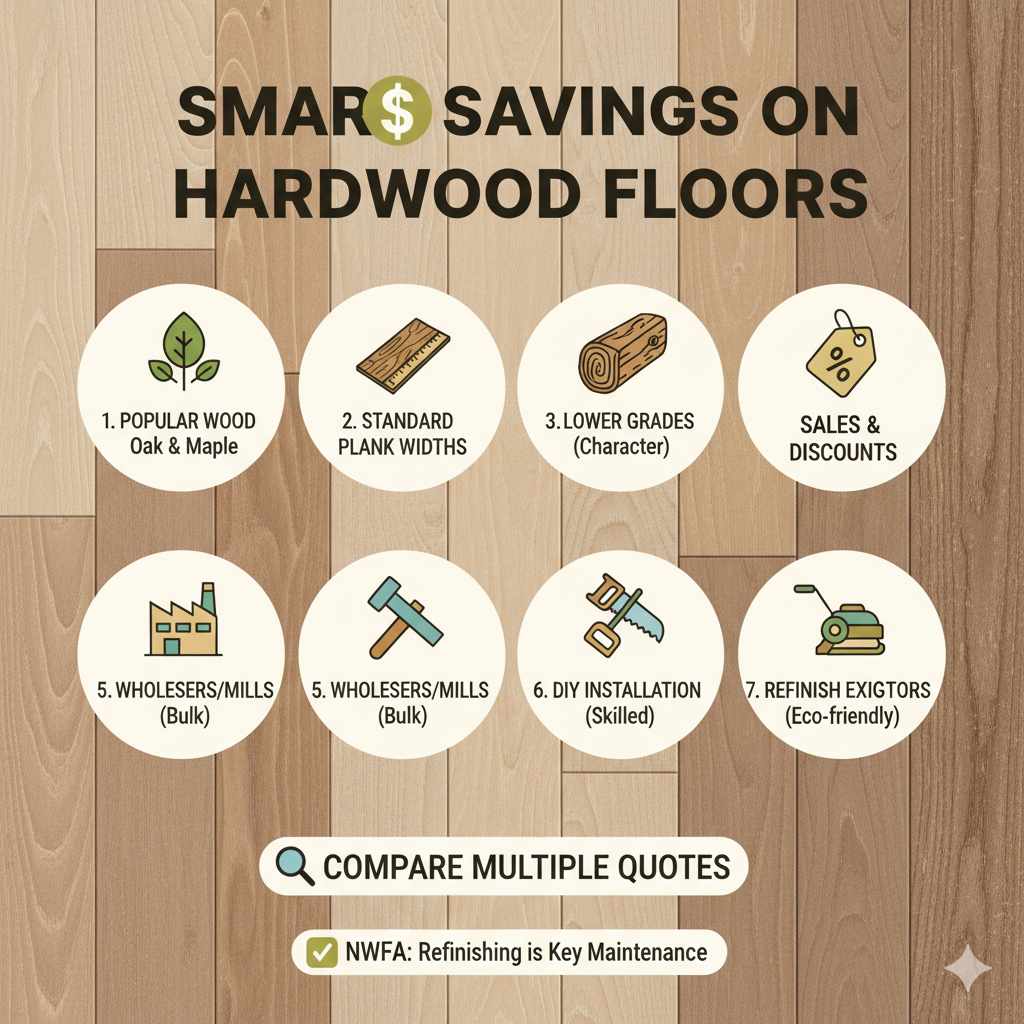
Investing in hardwood floors is a big decision, but there are ways to make it more budget-friendly without sacrificing quality:
- Choose a Popular Wood Species: Oak and Maple are abundant and widely available, making them more affordable than exotic woods.
- Opt for Standard Plank Widths: Wider or narrower planks can sometimes carry a premium.
- Consider Lower Grades (with caution): Grades with more character, like #1 or #2 Common, can be cheaper. Knots and color variations add personality, but ensure they don’t compromise structural integrity.
- Look for Sales and Discounts: Flooring retailers often have seasonal sales. Buying during these periods can lead to significant savings.
- Buy Directly from Wholesalers or Mills: If you’re buying a large quantity, cutting out the middleman can sometimes reduce costs. This often requires more research and careful purchasing.
- DIY Installation (if you’re skilled): As mentioned, this is the biggest potential saver. If you have the time, tools, and confidence, tackling the installation yourself can cut labor costs dramatically. Start with a small, simple room.
- Refinish Existing Hardwood: If you already have old hardwood floors, refinishing them (sanding, staining, and sealing) is almost always cheaper than installing new ones. This can revive their beauty and is a fantastic sustainable option. According to the National Wood Flooring Association (NWFA), refinishing is a key maintenance practice.
- Compare Multiple Quotes: Get detailed quotes from at least three different professional installers. Compare not just the price but also what’s included.
Frequently Asked Questions (FAQs)
Q1: What is the cheapest type of hardwood flooring?
Generally, common domestic species like Pine, Red Oak, or Maple in lower grades and standard plank widths tend to be the most affordable hardwood options. Pine is often the least expensive but also the softest, making it more prone to dents.
Q2: Is it cheaper to install hardwood floors myself?
Yes, DIY installation can save you $5 to $10 or more per square foot in labor costs. However, you’ll need to invest in tools (or rent them) and dedicate significant time and effort. It requires careful planning and execution to avoid costly mistakes.
Q3: How much does installation typically cost per square foot?
Professional installation typically ranges from $5 to $10 per square foot, but this can vary widely based on your location, the complexity of the room, the installation method, and the installer’s rates.
Q4: Does engineered hardwood cost more than solid hardwood?
Not necessarily. For common species like oak, engineered hardwood can sometimes be comparable or even slightly less expensive than solid hardwood. However, exotic species, thicker veneers on engineered floors, or complex installation patterns can make engineered hardwood more expensive.
Hidden costs can include subfloor preparation (leveling, repairs), removal and disposal of old flooring, underlayment, transition strips, new baseboards, and finishing materials (if you’re sanding/staining on-site). Always ask for a detailed breakdown of all potential costs.
Q6: How does the Janka hardness rating affect price?
Woods with higher Janka ratings are harder and more durable, making them more desirable for high-traffic areas. This demand, combined with potential scarcity or difficulty in milling, often drives up the price of harder wood species.
Conclusion
Navigating the cost of hardwood flooring doesn’t have to be a headache. By understanding the factors like wood species, grade, finish, installation methods, and ancillary costs, you can get a much clearer picture of your potential investment. Remember, hardwood floors are a valuable upgrade that can last for decades, adding both beauty and resale value to your home.
Whether you opt for a budget-friendly Oak, a durable Hickory, or even consider refinishing existing floors, knowledge is your best tool. Take the time to research, compare quotes, and choose the option that best fits your needs, lifestyle, and budget. With a little planning, those dream hardwood floors are well within reach. Happy flooring!