How Long Does Caulk Dry Before Amazing Painting?
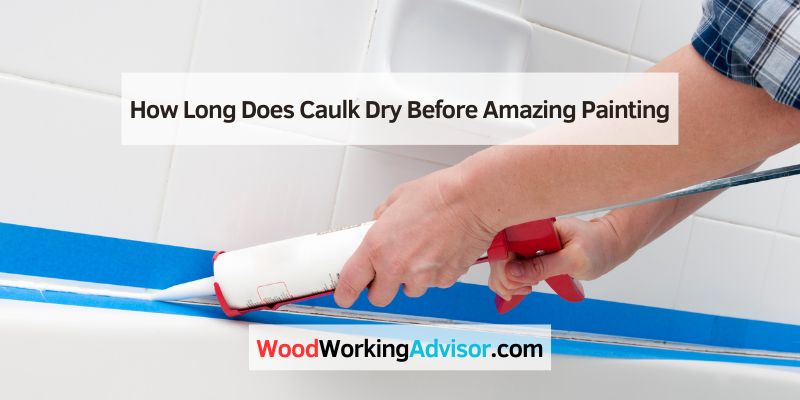
Caulk typically dries to a touchable, paintable surface within 0-2 hours, but fully cures in 24 hours or more. The exact drying time for interior caulk before painting depends on caulk type, humidity, temperature, and application amount. Letting it cure sufficiently ensures a lasting, neat paint finish.
Painting is my favorite part of any DIY project. It’s like the grand finale, where raw wood or a messy seam turns into something smooth and professional. But anyone who’s been there knows the frustration: painting over caulk that’s still wet can ruin your hard work, turning smooth lines into bubbling messes. So, how long does caulk really take to dry before we can confidently pick up that paintbrush? Getting this right is key to that seamless finish we all crave, making spaces look polished and feel complete. Don’t worry, we’ll dive into all the details and demystify the waiting game for caulk!
Understanding Caulk Drying Times Made Simple
As your friendly woodworking mentor, I know details like this matter. When you’ve carefully filled a gap with caulk where two materials meet, anticipation builds. You want to seal and finish it. But wait! There’s a crucial step before laying down a perfect coat of paint. Understanding just how long that wait needs to be for your caulk to be ready for paint is the secret to a stunning outcome. It’s not just about how the caulk ‘feels’ dry, but how it’s actually set to accept and bond with paint without any problems.
Different Types, Different Timies
Caulking. It’s such a basic product, yet it’s utterly essential for countless home improvement jobs, from sealing window frames against drafts to filling those tiny gaps around cabinets that just bug you. But guess what? Realize that not all caulks are created equal, and neither are their drying times! The magic powder in your specks is key—er, the caulk type—makes a fundamental difference in how long you need to wait. We’ll briefly explore the most common ones you’ll find at your local hardware store.
Here’s a quick rundown of how long it typically might take various caulk types to dry to a paintable state:
| Caulk Type | Likely Paintable After (Interior Use) | Notes |
|---|---|---|
| Latex/Acrylic Latex Caulk | 1-6 hours | Fastest drying, good for trim. Needs ventilation. Look for brands labeled “paintable immediately” or “paintable in 1 hour”. |
| Silicone Caulk | 24 hours or more | Not ideal for painting over as paint often won’t adhere well without special primers designed for silicone barriers. If you need to paint the seam, avoid pure silicone. |
| Vinyl-Alkyd Latex Caulk | 2-8 hours | Offers good adhesion and flexibility while drying relatively quickly, a nice balance. |
| Silicone-modified Acrylic Latex Caulk | 4-24 hours | A hybrid, it might dry tackier but is much better for framing when you eventually want to seal edges it can often be faster than pure silicone and better suited to take a paint layer. |
| Other Specialty Caulks | Varies Widely (always check label!) | Brands like GE, DAP, and others offer variations for specific uses. Sanitize and clean properly if it’s a window and door caulk. So aim for 24 hours cure before painting with these or any special applications. |
As you can see from the table, not all caulks offer the same convenience in terms of post-application finishing. Acrylic latex will likely have your back for speedy projects, but keep any window sealant separate from your trim for painting, or choose your caulk brand knowledge wisely by reading the label to make sure your decision is an informed one you don’t regret later.
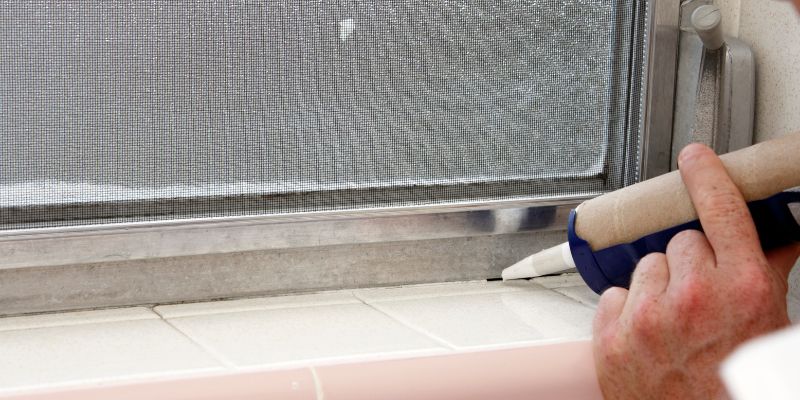
The Real Wait: Factors Affecting Caulk’s Drying Time
So we’ve seen varied timings, but many factors influence this all-critical wait. It’s not as simple as “X hours and go!” You’ve got Mother Nature and your own workshop conditions to consider—each playing an important role in your timing decision.
Let’s delve into these important elements:
1. Temperature Matters, a Lot!
Heat is generally your best friend when it comes to drying. Warmer temperatures help the water or solvents in water-based caulks (like latex) evaporate more quickly.
Ideal warmth: A comfortable room temperature, typically between 70–77°F (21–25°C), promotes steady evaporation.
Too cold: If it’s cooler than 50°F (10°C), especially below 40°F (5°C for some varieties), caulk can take dramatically longer to dry, or even not dry properly at all, which might lead to durability issues. The caulk “skin” might form, but the interior remains wet and pliable, preventing good paint adhesion.
Too hot: Extremely hot conditions aren’t always better! Very high temperatures might cause the caulk to dry out too quickly on the surface, creating a hard shell that traps moisture underneath, slowing down the overall curing process.
2. Humidity: The Moisture Thief
High humidity acts like a wet wool blanket for your caulk, making it harder for water to evaporate.
Low humidity: Dry air is your friend! It whisks away moisture efficiently, drying caulk (especially latex-based types once the surface has hardened) much faster.
High humidity: If you live in a consistently damp climate, or painted during a humid spell without extra ventilation, expect those times to stretch out considerably.
3. Where and How Much Did You Apply?
The quantity and environment of your caulk line significantly influence drying patterns.
Thin, even beads applied to less porous surfaces will generally dry faster than thick, expansive applications clogging up seams or wide joints—especially when it’s going from ceiling to the floor. Too much caulk means more water or liquid to escape.
Ventilation: Good airflow is critical. An open window or a fan helps carry moisture away from the freshly caukled area, speeding up surface drying and overall curing, something to always consider. Ensure all nearby window installations.
Porosity of the surface: If you’ve caukled absorbent surfaces (like raw wood or porous drywall joint tape), they can soak up some of the plasticizer and water into their grain, potentially leaving a drier outer shell of caulk faster. Less porous materials, like ceramic tile, won’t help evaporation by soaking anything.
Let’s see an example for prime time waiting of common sealants!
Checking If Your Caulk is Paint-Ready: The “Touch Test” & Other Signs
How do you know for sure? Besides eyeing the clock after following your chosen brand’s suggestions, the most practical way is a gentle, well-timed touch test, though we need one with a different consideration each time since every seam differs greatly.
Here’s what to look for:
1. The Gentle Finger Test: This is the time-honored method. After the minimum recommended drying time has passed, very gently press a finger onto a small, inconspicuous spot on top of the caulk bead.
Pass: If it feels dry, firm, and doesn’t indent or leave any residue on your fingertip, it might be ready.
Fail: If it feels sticky, soft, or imprints under the lightest pressure, it’s definitely not ready. Give it more time. Even pushing with a fingernail to gauge firming is OK.
2. Visual Clues: Does the caulk have a duller appearance than when you first applied it? Fresh caulk often has a slight sheen. As it dries and cures, that sheen tends to fade. Is the color uniform?
3. Consider the Top Layer vs. The Core: Remember, the touch test often just tells you if the surface has dried. The core of the caulk bead might still be wet. This is why fully curing for 24 hours is sometimes still the safest bet for long-term adhesion, even if it feels dry sooner. Caulk forms a flexible, expandable sealant within seconds by surface evaporation creating bonds. The caulk curing rate differs greatly depending on interior draft conditions.
The Worst That Can Happen: Why Waiting is Worth It
Sticking for that few hours can lead to a superior finishing aesthetic overall. Ignoring the need to complete caulk cure time can lead to several painting problems we must think of often if we all want the best result:
What if I paint too soon?
Cracking or Peeling: Paint-cured latex caulk often expands and contracts with temperature change, but if the caulk bead isn’t adequately adhered (by being partly wet at initial cover), the paint layer may crack away when temperatures change because the adhesive won’t sufficiently attach to both the wall, and the caulk bead. Additionally wet-style sealant might fail the crackage too!
Bubbling or Peeling: The uncured caulk (made of moisture) beneath creates tiny air or water pockets as you prime the coating, appearing visible bubbles or peels in your intended uniform painted coat, as everything attempts cure. These bubbles aren’t appealing and are tough to cover without the right skill set often required postpaint.
Poor Adhesion: Like sticking magnets on improperly prepared surface; the paint simply won’t bond to slick or damp caulk and it will end up peeling off the paint coat after some time regardless of caulk-type. Ensure you review paint can details for specific surface types if needed.
Sticking: The applicator or rollers may stick to softer caulk mid-application creating streaks that require a lot of extra sanding to correct after fixing, a most annoying issue!
Pro Tips from the Workbench: Enhancing Cauli-Finish Results
Ready to improve your caulk waiting game? Here are a few seasoned tips based on my own workshop experience that folks often forget:
Read the Label — Seriously: Every manufacturer specifies recommended drying and curing times relevant to their specific caulk formula. As we saw, even “fast-drying” latex caulks have different timelines from others like mildew-resistant trim options etc. Treat the timing printed on the packaging as your authoritative guide. You can read how others applied the same sealant from various manufacturer notes using sites if you do a fast search.
Proper Application First: Applying small, smooth beads of caulk rather than a big thick gob is easier for airflow and drying. Use a damp cloth or caulk tool to gently smooth the bead instantly. Excessive leveling attempts can often mean removing caulk, which slows down the paint ready step. Find a product useful for specific areas like grout, and check manufacturer’s guide during construction.
Ventilation is Key: As mentioned, open a window or use a quiet fan to create gentle airflow across the freshly caukled area. This helps tremendously with speeding up evaporation across the entire bead, allowing paint to cover better once dry is established. So long as it isn’t your living rooms air unit used now for comfort, it would be preferable to run with an electrical hand fan to remove moist air out naturally through draft holes at home.
Watch the Humidity: If your workshop or home humidity is high, it might influence drying seasons. You can use a dehumidifier to bring down the moisture if it’s exceptionally bad. Ensure its power is switched on, and also, ensure safety with electric tools, cables and wet spaces! Check current conditions near paint manufacturers data found in books or online research guides by looking up paint drying facts.
Test Your Paint Against Caulk: If you’re concerned, especially with tricky paints or adhesives (like oil-based primers), try painting a small, hidden section of the cauk first after hours it should be dry. This helps ensure good adhesion before committing to the whole area! This will not interfere. Visit American paint manufacturers’ official pages for reliable and important recommendations for all products, and remember manufacturer information pages or guides of what the paint itself says has to provide. This can truly ensure maximum adhesion to the surfaces during home repairs. This is why a local paint dealer or builder’s merchant contact and consultation is a safe and resourceful pathway when unsure for construction job. From this guidance you can trust their knowledge on sealant.
By putting these tips into practice, you’re dramatically increasing your chances of achieving a paint finish that looks incredible—crisp, clean, and perfectly smooth. It’s all about patience and understanding the materials. Learn something about paint adhesion and why ventilation is key, plus read manufacturer guides of what each label suggests about application types required and about sealing joint with best sealant product on market.
Testing The Paint Sealant Bond (The Ultimate Test)
Sometimes, even after following all the advice, a builder might still wonder: “Really is my sealant truly ready?” The very best confirmation can sometimes be to employ what’s the ultimate test: painting a small, well-hidden patch (perhaps behind a future piece of furniture or in a shallow corner) to see exactly how it responds. Applying with a thin yet evenly applied stroke (use painter’s tape at edges for a super crisp line).
After it rests for 6 –12 hours (while curing all jobs), gently score—very lightly — across your painted seam with a soft plastic edge (a thumbnail is sometimes too strong if the initial base job itself wasn’t ready) and look for signs. Does it lift easily? Does paint scrape away thinly from the caulk instead of staying firmly bonded? If there’s any hesitation for good adhesion, give the bead another 12-24 hours. This kind of personal test will help you confirm the initial dryness by really ensuring good adhesive outcome on your job.
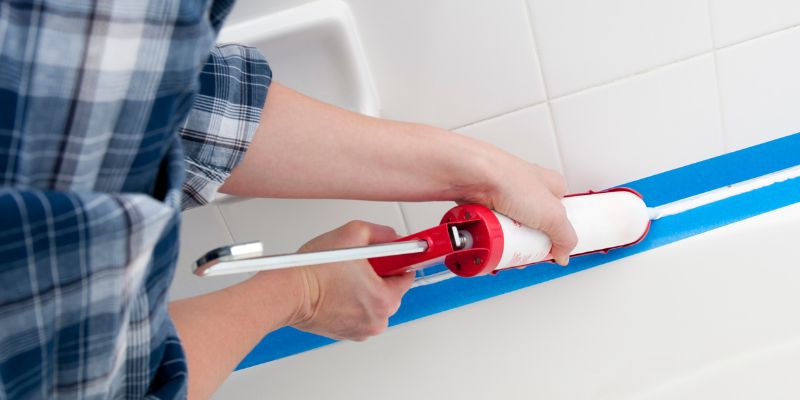
Beyond ‘Paintable’: Full Caulk Cure Time
It’s essential to remember for absolute mastery that a surface being ready for paint doesn’t mean the caulk has fully cured. Paintable” time refers to when the caulk surface is dry enough to accept paint without immediate visible trouble.
Full curing is a deeper, chemical process that continues over 24 hours, and sometimes up to 7 days or more, depending on the caulk type, temperature conditions and level of humidity—though latex beads typically cure completely within 24-72 hours given enough airflow. Silicone and special polyurethanes can take much longer. The final paint or sealant layer is usually meant to last for ten plus years.
Make sure your newly caulked areas are safe from things where heat or cold will warp house seams after interior construction fixes. If the caulk is not wholly set and allowed proper environment, the barrier between seams will simply give-way often, causing problems you don’t understand down line.
What Happens During Full Cure?
This extended drying process solidifies the caulk’s molecular structure inside completely as the last elements slowly bind. This creates
Maximum Durability: It achieves its peak strength and flexibility.
Perfect Adhesion: Ensures ultimate bond to the surfaces it seals.
Seal Integrity: Guarantees it can properly expand and contract with temperature changes or movement without failing.
Full Sealing: Allows it to properly resist moisture, dirt, and wear long-term as we look for it.
While this prolonged attention is really not important from a purely aesthetic finish perspective for interior projects, it’s good practice to avoid stressing caulk seams (like constant high-pressure washing or banging furniture into freshly painted trim) within about a week of the initial application date to give it absolutely the best start towards a durable life cycle.

FAQs: Your Final Calk-ing Questions Answered
When tackle jobs, simple clarity removes hesations! Let use dive one more step, looking at simple queries as your reliable guide to ensure your job gets correctly done right next time too. Here is a helpful set of questions and practical responses intended exclusively for your DIY construction jobs at home. Keep always for long run success…
Q1: Can I paint over caulk the same day I applied it?
A: It depends, but generally yes for some latex/acrylic caulks if completely dry to the touch after a few hours and it says “paintable” on the package. But for best results and adhesion assurance, waiting 24 hours as indicated by most quality caulk makers of products is highly recommended for the full bead to properly set. Most DIY’ers stick this method too because no beginner desires repaint work needed!
Q2: Acrylic latex caulk never seems to peel or shrink from the wall – why?
A: Acrylic latex caulk formulation is very flexible. They hold up to natural expansion/contraction of your walls and molding, so they retain maximum paint film ability in between to avoid pulling paint away as most standard or older formulae styles may do. Often best as specific room sealant or for trim jobs since its good sealing quality will add unique quality and beauty after proper painting so all job gets a fantastic touch by you making sure a correct amount of drying time is truly completed throughout most home construction jobs.
Q3: Why is the store selling two similar tubes of white filler, but one claims an hour drying feature?
A: The caulk formulation! A premium tube might have advanced add-itives that allow it to dry significantly faster, making it instantly ready for painting—often less prone to adhesion failure. Always compare manufacturer particulars and product descriptions on product labels before committing. Some great builders do this for better project results.
You can often find great deals on these specialty, advanced cauliing products this makes home improvements simple!
Q4: My caulk application seemed to just absorb the paint and looks patchy. What went wrong?
A: This usually starts with very high humidity (making it hard for air to allow solvent from tubes), not truly seeing any cauli completely as dry for paint. Another culprit: the kaulk itself either contains oils or plasticizers that are ‘blooming’ at surface as you paint. If your caulk is still truly tacky from not drying fully via time, always test your favorite brands’ adhesive abilities with that first prior to actually full room-applied cover.
Q5: What if the article states 1 hour for a dry surface, but my caulk feels wet after a few hours? Should I prime?
A: Never prime to cover wet caulk ever! No primer will successfully bond itself well enough long-term nor save you time doing what time itself will accomplish for absolute finish quality. What you heard: Always rely on the caulk itself to become firm and dry rather than priming because no product application here is ever that reliable, especially since future damage. Given specific needs it makes you understand it is true if you must then start, wait a day more and maybe attempt an extra seal coat upon any problem surface area that shows imperfections after first thin layer application, otherwise wait for true dry.) Best advice: Extend your caulk wait-time until it passes that light finger-test a few times over. Airflow might solve it in this case!
Q6: Is caulking a window sill generally fussier than DIY ceiling trim?
A: Yes, it can be— windowsill caulking often faces environmental stress and UV rays directly so often a great exterior seal it will probably want different cauli that protects from sun! Such products aren’t meant for inside. Exterior paints from reliable sources contain pigments offering UV blockages, so look for a cauli product made to work well in those tough environments plus has proper adhesion for your given weather. Interior caulks usually dry & cure faster—with easy re- coat—when kept indoors always so your interior tasks really avoid being overbearing for your whole job done right.
Q7: How do paint manufacturers’ suggested times for adhesion contrast with caulk brands’ suggestions generally?
A. It is mostly about the paint adhering to properly cured surfaces; Caulk recommendations aim for sufficient dryness NOT for it to be truly done curing all internal matters entirely in terms itself is dry during application and curing for itself on what could be interior construction jobs you have going. Thus caulk manufacturer data would be about sealing that is safe, for example, from the house ceiling down as it can happen when sealant dries over days, and most often needs about 7 day solid full period of time to achieve perfect potential. Any professional job site follows most manufacturer instructions; we usually follow paint makers over calk makes for better overall structural bonds and longer term job quality. Most people assume it requires days.
A Craftsmanship Thought on Curing
There you have it—a deep dive into the patiently awaited caulk dry times before reaching for the paint can. Remember friends, the aim of any DIY endeavor, from updating doors and windows to perfecting corners on the cabinets, is ultimately to build something solid, something durable, and something beautiful. Rushing the caulk cure is like trying to build one part at a time from your design. This essential step ensures your paint job will look fantastic for years to come without those frustrating callbacks like peeling or divots within a few seasons of work.
So, as you work on your next home project seeking that final polish, remember the simple wisdom of patience. Allow your caulk its fullest attention post-application. Use a bit of knowledge and observation—feel (gently!), look at the color, and check your environment. By trusting the process and adhering to these common-sense best practices, you’ll guarantee your hard work is rewarded with a flawless, lasting finish that will undoubtedly impress. Happy building and happy painting everyone!