Best Non-Yellowing Polyurethane for Light Wood: Research Shows
For the clearest non-yellowing finish on light wood, use water-based polyurethane. For maximum durability on floors or tabletops, use a water-based polyurea or conversion varnish only if the project allows it. Yellowing can turn maple, birch, ash, pine, and poplar amber fast, and a poor topcoat can muddy pale grain or force a full refinish. This guide compares clear coats species by species and separates maximum clarity from maximum durability so you can match the finish to the wood and the job.
Water-based polyurethane is usually the best starting point for light wood because it stays clearer than oil-based polyurethane and has a lower ambering tendency. Polycrylic is worth a close look when the main goal is the palest possible finish on furniture or trim, while oil-based polyurethane is a warmer, slower choice that fits some looks but is less suited to keeping pale wood pale.
Quick comparison
| Product | Badge | Best for | Price | ||
|---|---|---|---|---|---|
 |
1 gal Minwax 13333 Clear Polycrylic Water-Based ProtectiveMinwax | Our pick | 1 gal · water-based · satin | $66.11
Price as of 31 Oct 2026
|
View |
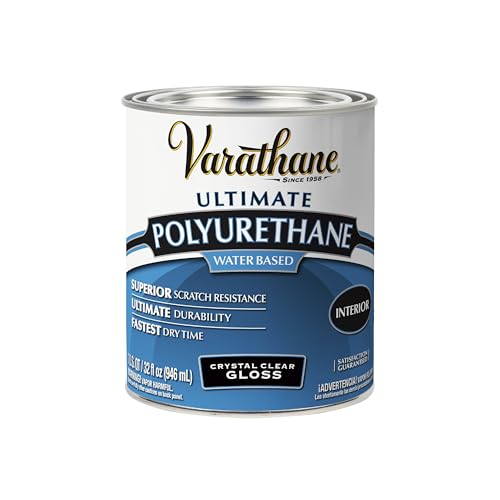 |
Varathane Water-Based Ultimate Gloss Polyurethane |Varathane | Budget pick | Quart · water-based · gloss | $26.87
Price as of 31 Oct 2026
|
View |
 |
General Finishes High Performance Water Based Topcoat, 1General Finishes | Upgrade pick | 1 quart · water-based · satin | $46.49
Price as of 31 Oct 2026
|
View |
 |
Bona Mega Wood Floor Finish Extra Matte 1 GallonBona | Also great | 1 gal · extra matte · floor finish | $101.49
Price as of 31 Oct 2026
|
View |
This comparison focuses on light-wood behavior, not marketing labels. The table below separates initial clarity from longer-term color shift so you can choose for pine, maple, birch, ash, poplar, painted surfaces, or light stain.
| Finish type | Clarity | Yellowing risk | Abrasion resistance | Drying speed | Odor | Best use case |
|---|---|---|---|---|---|---|
| Water-based polyurethane | Clearer than oil-based polyurethane | Low to moderate ambering over time | Good for furniture, trim, and cabinets | Fast; many products allow recoating in 2 to 4 hours | Lower odor than oil-based | Light wood where you want clear film and solid protection |
| Oil-based polyurethane | Starts warmer and less clear on pale wood | Higher; tends to amber and deepen color | High abrasion resistance | Slower; recoats often need overnight or longer | Stronger odor | Projects that want warmth more than color accuracy |
| Polycrylic | Very clear on pale woods and paint | Lower ambering than oil-based polyurethane | Good for furniture and trim, less stout than many floor-grade systems | Fast; often dry to recoat quickly | Lower odor | White-painted, lightly stained, and very pale interiors |
How we chose
Three factors drove the pick: how clear the film looks on pale wood, how much color shift shows up over time, and how practical the finish is to apply in a home shop or room.
We also weighed compatibility with common furniture and trim projects, since a finish that looks clear but fights the substrate or application schedule is a poor fit.
Finally, we separated appearance from wear resistance. A clearer finish is not always the toughest, and the right choice depends on whether the project is a dresser, a trim package, or a light-use tabletop.
Water-based polyurethane: best overall for light wood
For most pine, maple, birch, ash, and poplar projects, water-based polyurethane is the safest balance of clarity and protection. Based on manufacturer specs and published product details, it keeps a clearer look than oil-based polyurethane, dries faster, and is available in common sheens such as satin, semi-gloss, and gloss.
It fits unfinished furniture, cabinets, and trim where you want the wood to stay close to its natural color. On pale species, that matters more than it does on dark stain.
The drawback is durability tradeoff. Water-based polyurethane usually offers good abrasion resistance, but some projects need a harder floor-grade system. It can also show lap marks or brush marks if you overwork it or apply coats too heavily.
Polycrylic: best for maximum clarity
Polycrylic is the better pick when visual clarity matters more than film toughness, especially over white paint, very light stain, and pale furniture parts. As a water-based acrylic-urethane blend, it usually reads very clear on light wood and trim, with less ambering than oil-based polyurethane.
This finish suits interior furniture, doors, cabinets, and trim where you want the pale substrate to stay pale. It also cleans up with soap and water, which makes application easier for many DIY projects.
The tradeoff is that polycrylic is not the first pick for every high-wear surface. It can look milky if applied too thickly, and it is not the strongest answer for tabletops or floors that need the most abrasion resistance.
General Finishes high performance water-based topcoat: best for durable furniture
This topcoat fits users who want a water-based finish with a more durable reputation than many general-purpose clear coats. Based on the published specs, it dries quickly between coats and is intended for interior use, which makes it a practical option for furniture that needs better wear resistance without the ambering of oil-based polyurethane.
It is a sensible choice for cabinets, tables, and chairs where you still want a clear, low-yellowing look. That said, faster dry times can shorten your working window, so brush marks and lap marks are more likely if you hesitate or overload the surface.
The drawback is cost and working feel. It is usually pricier than basic water-based polyurethane, and fast-drying film can punish rushed application.
Bona Mega wood floor finish extra matte: best for natural floor color
This floor finish suits projects where you want the light wood color to stay as natural as possible while still getting floor-level protection. The extra-matte sheen cuts glare, which helps pale species look closer to unfinished wood than a higher-gloss film would.
It is the strongest fit in this group for floors, not general furniture. The drawback is exactly that specialization: it is a floor finish first, so it is less versatile than a general-purpose water-based polyurethane for trim or mixed interior work.
Extra-matte also hides some surface flaws, but it can mute figure a little. If you want the grain to read sharply, a satin or gloss finish will show more.
Which one should you buy?
Choose water-based polyurethane if you want the most practical mix of clarity, toughness, and ease of use on light wood furniture or trim. Choose polycrylic when the project is white-painted, lightly stained, or decorative and you want the palest possible finish. Choose oil-based polyurethane only when you want added warmth or need a warmer amber tone as part of the design.
For floors or a heavily used tabletop, look past standard furniture finishes and consider a floor-grade water-based system if the project allows it. For cabinets and trim, water-based polyurethane or polycrylic usually makes the most sense because both keep the surface lighter than oil-based polyurethane.
Say your project is a pine bookcase with visible knots and you want it to stay pale. Water-based polyurethane is the better default because it keeps the wood closer to its original color while adding more protection than a very thin decorative coating. If the same bookcase is painted white, polycrylic can be the cleaner visual choice.
Suppose you are finishing a maple desk in a room with bright window light. A water-based topcoat in satin or semi-gloss gives protection with limited color shift, while oil-based polyurethane would add more warmth and can push maple toward a deeper amber look over time.
Clear coat application tips for pale wood
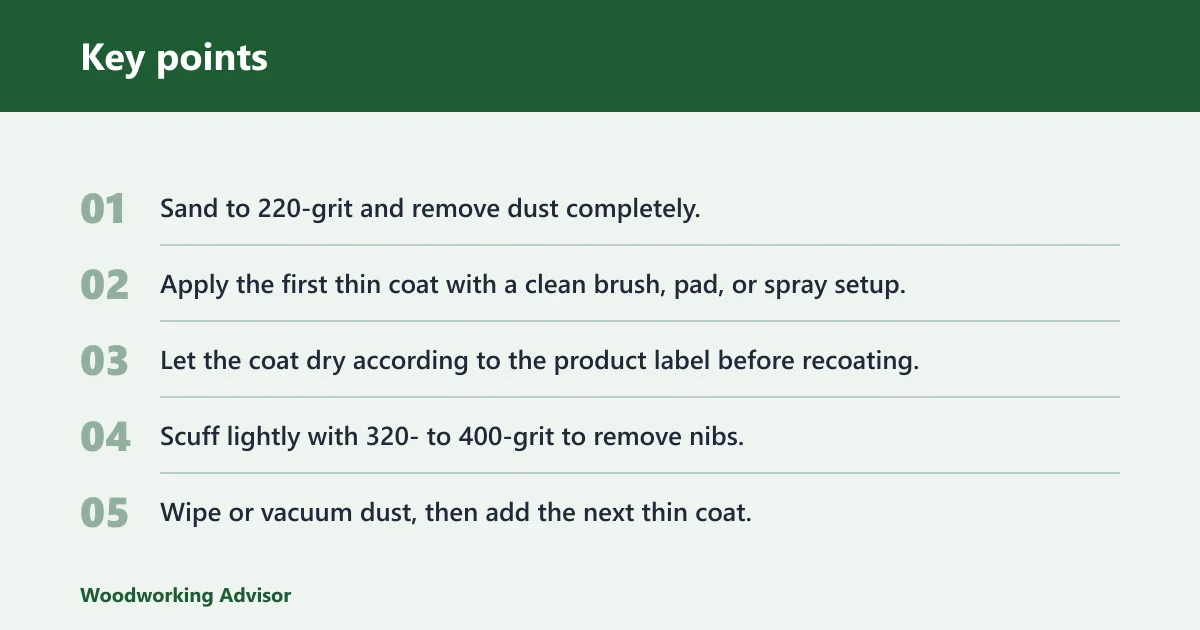
Prep matters as much as product choice. Sand the surface to about 220-grit before the first coat, then sand lightly with about 320- to 400-grit between coats to knock down dust nibs without cutting through the film.
Use thin coats. More thin coats build a better film than one thick coat, and thick coats are where cloudiness, runs, and slow cure problems start.
Follow the label for dust-free dry time, recoat window, and full cure. Temperature and humidity change all three, so a finish that recoats in two hours in one room may need longer in another.
- Sand to 220-grit and remove dust completely.
- Apply the first thin coat with a clean brush, pad, or spray setup.
- Let the coat dry according to the product label before recoating.
- Scuff lightly with 320- to 400-grit to remove nibs.
- Wipe or vacuum dust, then add the next thin coat.
- Repeat until you reach the recommended film build.
Keep the room dust-free and well ventilated. Dust can turn a clear coat cloudy, and poor airflow can slow drying enough to leave the finish soft for too long.
Topcoat compatibility matters too. Stay with water-based over water-based when possible, and test on scrap before finishing the project if you are switching systems or sealing a species with unusual extractives.
A common first-timer mistake is brushing a heavy coat on birch at dusk under warm room lighting and assuming the color shift is from the wood alone. The next day, the film may look darker from thickness, while the warm light also makes the amber shift seem stronger than it really is.
Light wood finish guide
Light species do not all behave the same under clear coats. Some read creamy, some look pinker, and some show grain and color shift more clearly than others.
Pine
Pine tends to read warm even before finish, and the resinous parts can darken under ambering topcoats. Water-based polyurethane is usually the better choice if you want to keep pine from turning too gold, while polycrylic is useful when the piece is painted or lightly tinted.
Maple
Maple rewards clear finishes because its pale surface can look muddy fast under oil-based polyurethane. Water-based polyurethane is the safer all-around choice, and polycrylic is a strong pick for painted maple or very light decorative work where maximum clarity matters more than film strength.
Birch
Birch can take on a slightly yellow or orange cast if the topcoat has much amber in it. A clear water-based finish usually keeps birch looking cleaner, while satin or matte sheens help hide tiny application flaws that would stand out under gloss.
Ash
Ash has more open grain than maple or birch, so sheen choice changes how much texture you see. Water-based polyurethane works well when you want the grain pattern to stay visible without adding much warmth, and extra gloss will make any color shift easier to see.
Poplar
Poplar is often used on painted or budget furniture because its natural color can be uneven. Polycrylic is a strong choice over paint or light stain, while water-based polyurethane is better when the piece is bare and you still want more durability than a purely decorative coat.
Frequently asked questions
What is the best non-yellowing polyurethane for light wood?
Water-based polyurethane is the best non-yellowing choice for most light wood projects because it stays clearer than oil-based polyurethane and adds less amber tone over time. For the palest visual result on furniture and trim, polycrylic is often even clearer, but water-based polyurethane usually offers the better durability balance.
Does water-based polyurethane turn yellow over time?
It can change slightly with age, UV exposure, and room conditions, but usually far less than oil-based polyurethane. The film may soften or warm a little over time, yet it is still the better option when you want light wood to stay close to its original color.
Is polyurethane or polycrylic better for white or light wood?
Polycrylic is often better when maximum clarity matters on white paint or very pale wood because it reads very clear and has low ambering. Polyurethane is the better pick when you need a bit more film toughness on furniture or trim and can accept a slightly fuller look.
How do I keep pine, maple, or birch from yellowing after finish?
Use a water-based topcoat, keep the coats thin, and avoid oil-based sealers or warm amber products underneath. Sand properly, control dust, and keep the project out of harsh UV where possible, because light, heat, and aging can deepen color even when the finish starts clear.
How many coats of water-based polyurethane should I apply?
Most manufacturers list 2 to 4 coats for water-based polyurethane on furniture and trim. Use enough coats to build a continuous film, then sand lightly between coats with 320- to 400-grit so the finish stays smooth without trapping dust nibs or brush marks.
What finish is best if I want protection without warmth?
Choose water-based polyurethane for the strongest mix of protection and clear appearance on light wood. If the project is painted, lightly stained, or decorative, polycrylic can stay even clearer. Skip oil-based polyurethane if you want to avoid the warm amber look it adds over time.
Sponsored / affiliate links. As an Amazon Associate I earn from qualifying purchases. I may earn additional commission from eligible campaigns.