Can You Paint Furniture in Cold Weather?
Yes, but only when the air, surface, and overnight low stay above the paint’s listed minimum, and the dew point stays about 5°F below the surface as a general rule of thumb. If you miss those limits, paint can dry slowly, blush, sag, or fail to bond well, which means more sanding and repainting. This guide shows how to judge air temperature, surface temperature, humidity and dew point, and overnight low before you paint furniture.
Conditions that make cold-weather painting unsafe


Yes, if the product label allows it and all four conditions stay in range: air temperature, surface temperature, humidity or dew point, and the overnight low. Many paints work best between 50°F and 85°F, while some cold-weather formulas can go lower. If any one condition falls out of range, wait or warm the piece.
The short answer by temperature range
Many interior and exterior paints work best between 50°F and 85°F. Lower temperatures can slow film formation and adhesion for some products, while around freezing the risk rises fast. Some specialty low-temperature products can be used as low as 35°F, but only when the label says so.
Why the label beats general rules
Furniture finishes vary more than wall paint. Acrylic latex, oil-based paint, spray paint, and specialty low-temp formulas do not fail the same way in cold conditions. The can or spray label is the final authority because it sets the actual application and cure limits for that system, not just the general rule for paint.
When to stop and wait
If the air is near the minimum but the furniture itself is colder, stop. A cold tabletop, drawer front, or metal pull can chill the coating on contact, which thickens it and hurts leveling. If the room or outdoor temperature is likely to fall below the minimum overnight, wait for a warmer window.
| Air temp | Surface temp | Humidity / dew point | Overnight low | Paint type | Recommended action |
|---|---|---|---|---|---|
| 65–72°F | Within 5°F of air temp | Low enough that dew point stays at least 5°F below the surface | Stays 60–70°F | Acrylic latex or oil-based furniture paint | Paint now |
| 55–60°F | At least near the room temperature, not cold to the touch | Moderate, with no condensation risk | Stays above label minimum | Interior acrylic latex | Paint now if the label allows; keep warm after application |
| 45–50°F | Colder than the room by a noticeable margin | Humidity high or dew point close to the surface | Drops below 50°F | Standard latex or traditional exterior paint | Warm substrate or postpone |
| 35–45°F | Cold enough to feel chilled through the coating | Any dew point near the surface is a problem | Near freezing | Only a cold-weather formula listed for these conditions | Move indoors if possible; otherwise postpone unless the label specifically allows it |
| Below 32°F | Near or below freezing | Condensation or frost risk | Freezing | Most water-based and many solvent-based systems | Postpone |
Why surface temperature matters
Surface temperature matters as much as air temperature because the coating cures on the furniture, not in the room. A cold substrate can thicken paint on contact, slow flow-out, and leave brush marks, drag, or weak adhesion. Check the piece itself, especially on tabletops, drawer fronts, doors, and metal hardware.
Cold wood and metal fixtures slow flow-out
Wood, veneer, and metal cool at different rates. Metal pulls heat from paint fast, so pulls, hinges, knobs, and trim edges can cause local defects even when the room air looks acceptable. Tabletops and drawer faces also show leveling issues quickly because they need a smooth film.
How a chilled substrate raises defect risk
Cold paint stays thicker longer. That raises the chance of ridges, lap marks, and uneven gloss. It also increases the risk of poor film formation, which can lead to peeling, flaking, or cracking later. If the furniture feels cold, assume the coating will behave colder than the room thermometer suggests.
What to check with an infrared thermometer
Use an infrared thermometer to read the surface, not just the air. Take several readings on the broadest surfaces and on any metal parts. If the surface is below the coating’s minimum, warm the substrate first. A small portable heater can help, but do not use open-flame or spark-producing heaters around paint fumes or aerosols, and do not aim hot air at one spot or trap fumes.
Can you spray paint furniture in cold weather?
Only with caution. Spray paint can work in cold weather if the label allows it, but cooler temperatures can slow evaporation and leave the film tacky longer. Primer choice depends on the specific coating system and conditions, not just faster evaporation.
Spray paint and primer limits
Spray work depends heavily on evaporation. If temperatures fall below about 50°F, spray paint can show slower evaporation and tacky finishes. Use a primer that matches the system and the temperature range, especially on bare wood, repaired edges, or previously glossy furniture. Do not assume one coat of spray primer solves a cold-weather problem.
When airflow helps and when it hurts
Gentle air movement can help solvent and water leave the film, but wind outdoors strips heat from the piece and carries moisture onto the wet surface. For spray projects, a sheltered, draft-limited space is better than open air. Outdoor spray painting in the cold is highly discouraged.
Say your chair frame is ready but the garage sits at 48°F and the wooden seat is colder than that. A spray primer may flash slowly, then stay tacky long enough to collect dust and overspray. If the same chair is moved into a 68°F room and held there, the finish has a far better chance of leveling.
Why spray projects fail faster in cold air
Spray paint builds thin films. Thin films can look dry before they are actually stable, especially in cold, damp air. That is when handling marks, dull sheen, and soft film edges show up. If the product is not rated for the actual temperature, postpone or warm the substrate instead of trying to out-spray the weather.
Humidity, dew point, and overnight low
Humidity and dew point can make a cold-weather paint job fail even when the thermometer looks acceptable. High humidity slows evaporation, and if the surface cools near the dew point, moisture can condense on the film. That raises the risk of blushing, tackiness, poor adhesion, and a soft surface that prints easily.
How moisture changes drying and adhesion
Paint dries by losing solvent or water and then building a stronger film. Moist air slows that process. On furniture, moisture is especially troublesome on flat surfaces and sharp edges because those areas show sheen changes, roughness, and imprints quickly. Cold weather can also cause peeling, cracking, or uneven color.
Why evening temperature drops matter
Fresh paint needs a warm hold time after application. Dry-to-touch is not fully cured, and a piece that cools sharply after sunset can stay soft longer or dull the sheen. Temperature drops overnight can dull sheen or slow cure, which is why the overnight low belongs in the decision, not just the afternoon high.
When condensation makes painting a bad call
If the dew point is close to the furniture surface, wait. A common rule of thumb is to keep the dew point about 5°F below the surface temperature to help avoid condensation. If the gap is smaller, condensation can form on the film or substrate. That is a poor setup for adhesion, especially on cabinets, drawers, and tabletops that need clean handling later.
Should you paint indoors instead?
Usually yes, if you can keep the room temperature controlled and the dust load low. A temperature-controlled indoor space is better because it stabilizes air temperature, surface temperature, and cure time at once. Temperature targets vary by product, so follow the label rather than relying on one universal rule.
What a temperature-controlled space solves
Indoor heat reduces the chance of cold substrate shock, uneven flashing, and overnight drops. It also gives the finish a better cure window before the piece is handled. Many interior acrylic latex paints prefer 55–60°F or warmer, so indoor work often makes the difference between a sound finish and a sticky one.
Ventilation and dust control basics
Warmth alone is not enough. You still need ventilation suited to the product, plus dust control around the piece. Keep air movement steady but not windy, and avoid placing furniture where grit can settle on wet paint. Stable warmth and clean air beat a cold room with a fan blasting across the surface.
Suppose a cabinet door can be carried inside but the basement workshop stays at 46°F. Bringing the door into a 68°F spare room for priming and topcoating is usually the safer call, provided the room can stay warm overnight and remain free of dust. That choice protects film formation and reduces handling damage.
When moving the piece indoors is the safer choice
Move the furniture indoors when the outdoor or unheated space is below the label minimum, when the overnight low will fall under the safe range, or when the surface is colder than the paint system can tolerate. This matters most for tabletops, drawer fronts, cabinet doors, and trim edges because those parts show defects quickly.
Furniture paint troubleshooting
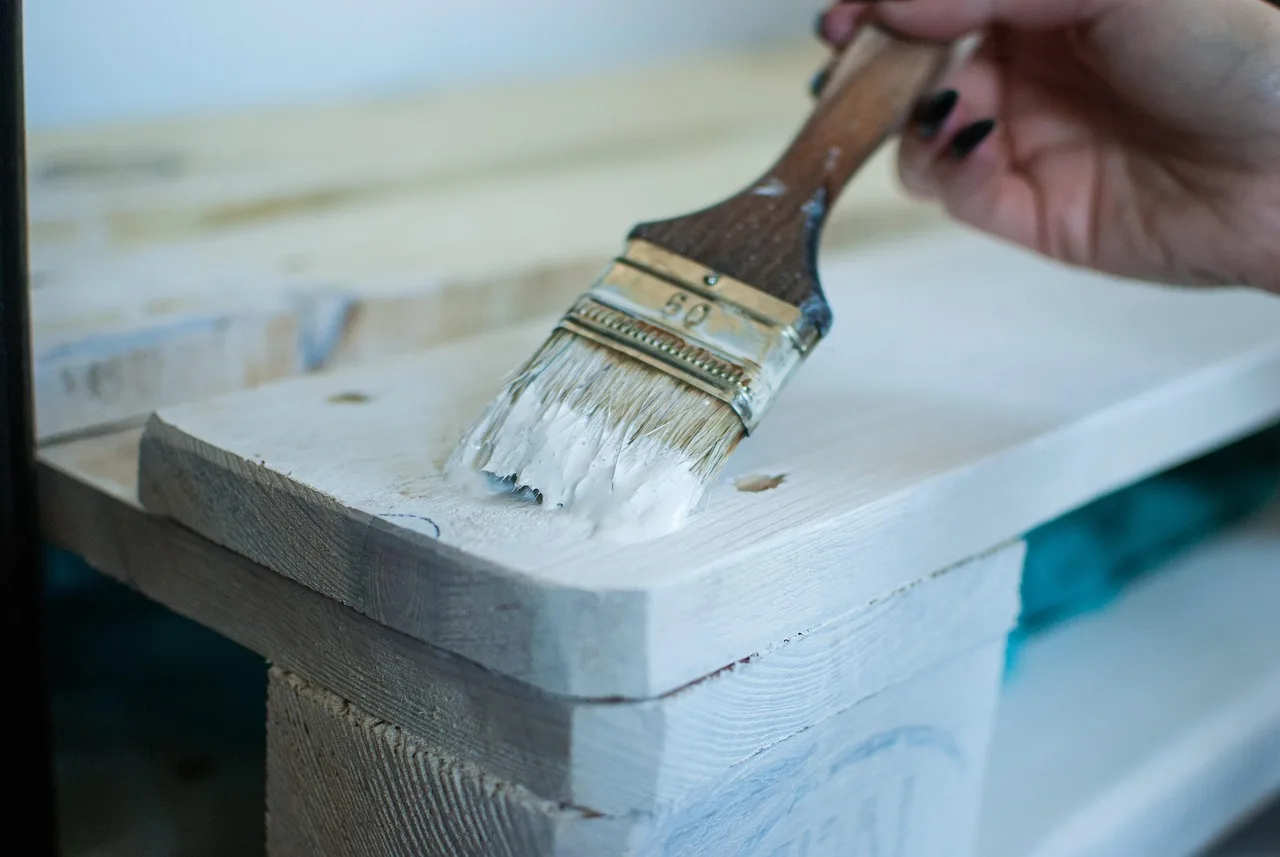
Cold-weather failures on furniture are often easy to recognize. Rough finish, brush marks, peeling, flaking, cracking, runs, and tackiness usually point to one of four problems: the temperature was too low, the surface was too cold, moisture was too high, or the piece was handled too soon.
Rough finish and brush marks
Roughness and visible brush lines usually mean the paint was too thick, too cold, or both. A chilled substrate can prevent leveling, especially on tabletops and drawer fronts. Warm the piece, thin only if the product allows it, and use a compatible brush or application method for furniture surfaces.
Peeling, flaking, and cracking
These failures usually trace back to poor adhesion or stress in the film. Painting below the recommended range raises that risk, and so does coating a damp or condensing surface. If the finish failed after a cold night, the problem may be the cure window as much as the application window.
Runs, tackiness, and blocked surfaces
Runs happen when paint stays wet too long on vertical parts, while tackiness means the film is not hardening fast enough. Blocking occurs when two painted surfaces stick together, such as a drawer front touching its frame too soon. Do not close drawers, stack parts, or reinstall hardware until the finish has fully hardened.
- Check the paint label for the minimum application temperature and cure guidance.
- Measure the surface temperature, not only the room air.
- Check dew point and avoid painting if it is too close to the substrate temperature.
- Make sure the overnight low stays above the safe range.
- Warm the substrate or move the furniture indoors if any factor fails.
- Hold the piece warm and dust-free until the paint is past the tacky stage.
Frequently asked questions
Can you paint furniture in cold weather?
Yes, but only when the label minimum, surface temperature, humidity, and overnight low all work together. Many paints perform best between 50°F and 85°F, and lower temperatures can slow drying or curing. If the furniture is colder than the room, warm it first or wait.
Can you paint furniture in the winter?
Yes, winter painting works best in a controlled indoor space. Follow the product label for temperature and cure guidance. That protects drying, cure, and handling strength better than trying to paint in a cold garage or outdoors.
How cold is too cold to paint furniture?
For most paints, lower temperatures can be too cold if they fall below the product’s listed minimum. Around freezing, the risk becomes severe for many systems, and water-based paints can freeze while solvent-based systems can gel. Some cold-weather formulas can go as low as 35°F, but only if the label specifically allows that range.
Will paint dry at 50°F?
Often yes, but slowly, and dry-to-touch is not the same as cured. At 50°F, many paints are operating at the lower edge of their acceptable range, so you should expect longer dry and cure times. Keep the piece warm longer, and do not handle it early.
Should I paint furniture indoors instead?
If you can keep the room warm, dry, and reasonably clean, yes. Indoor painting reduces cold substrate risk, wind exposure, and overnight temperature drops. It is the safer choice for drawers, doors, tabletops, and other furniture parts that show leveling and adhesion problems quickly.
What temperature should furniture paint be applied at?
Follow the product label, since the useful target varies by coating system. For many paints, a moderate temperature range works best, and many interior products prefer warmer conditions than the minimum. A room held at 65–72°F is a better target for cold-weather interior work when the label supports it.
How do I avoid brush marks and peeling in cold weather?
Start with a warm surface, not just warm air, and avoid painting when humidity or dew point is too close to the substrate temperature. Use the correct primer, keep the piece warm after application, and do not stack or close anything until the coating is fully cured. Cold makes every small mistake harder to hide.
Sponsored / affiliate links. As an Amazon Associate I earn from qualifying purchases. I may earn additional commission from eligible campaigns.