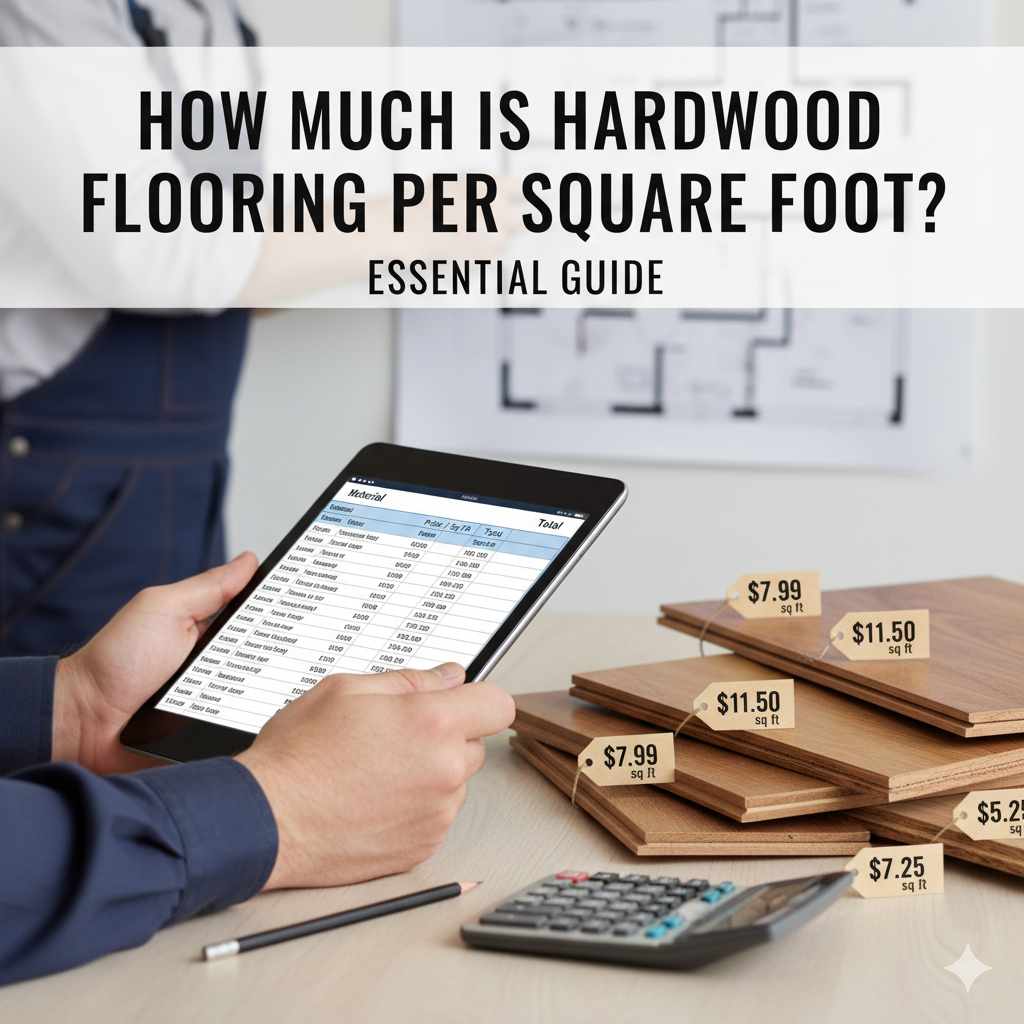
How Much Is Hardwood Flooring Per Square Foot? Essential Guide
Hardwood flooring typically costs between $5 to $15 per square foot for materials, with installation adding another $4 to $12 per square foot. This brings the total estimated cost to $9 to $27 per square foot, varying greatly based on wood type, quality, and complexity of installation.
Thinking about new hardwood floors? It’s a fantastic choice for adding warmth and value to your home! But when you start looking, you might wonder, “How much does hardwood flooring actually cost per square foot?” It’s a question many homeowners ask because the numbers can seem a bit all over the place. Don’t worry, though! We’re going to break it down step-by-step, covering everything from the wood itself to the final polish. By the end, you’ll feel confident understanding the costs involved and making the best choice for your project.
Understanding the Cost Factors for Hardwood Flooring
When we talk about the cost of hardwood flooring per square foot, it’s not just one single price. Several things play a big role in how much you’ll end up spending. Think of it like building a birdhouse – the type of wood you choose, the size, and how fancy you make it all affect the final cost. For flooring, it’s similar.
We need to look at:
- The type of wood itself.
- The quality and grade of that wood.
- Whether it’s solid hardwood or engineered hardwood.
- The size and character of the planks.
- The brand and where you buy it from.
- And, of course, the cost of getting it installed.
Let’s dive into each of these to get a clearer picture.
1. The Type of Wood: Nature’s Palette and Its Price Tag
This is probably the biggest factor influencing the price. Different types of wood have different levels of hardness, grain patterns, and natural beauty. Some are more readily available, while others are rarer, making them more expensive. It’s like choosing between pine and oak for a woodworking project – their costs are quite different.
Common Hardwood Types and Their Price Ranges (Material Only):
| Wood Type | Estimated Cost Per Square Foot (Material Only) | Key Characteristics |
|---|---|---|
| Oak (Red & White) | $5 – $10 | Durable, classic grain, widely available, excellent for various finishes. |
| Maple | $6 – $11 | Hard, smooth grain, light color, modern look, good for high-traffic areas. |
| Hickory | $7 – $12 | Very hard and durable, prominent grain, rustic or modern appeal. |
| Cherry | $8 – $14 | Warm, reddish tones that deepen with age, elegant, can be softer. |
| Walnut | $9 – $15+ | Rich dark color, beautiful grain, luxurious, softer than oak. |
| Exotic Woods (e.g., Brazilian Cherry, Teak) | $10 – $18+ | Unique colors and patterns, often very hard, can be less sustainable, higher cost. |
As you can see, common domestic woods like oak and maple are generally more budget-friendly. Exotic woods or those with very distinctive looks often come with a higher price tag.
2. Quality and Grade: It’s All in the Details
Just like lumber for a project, hardwood flooring comes in different grades. The grade tells you about the appearance of the wood, such as the number of knots, color variations, and the length of the pieces. Higher grades typically mean fewer imperfections and longer, more uniform planks.
- Clear Grade: Very few knots or color variations. This is the most expensive.
- Select Grade: Small, scattered knots and some color variation. A good balance of appearance and cost.
- Number 1 Common: More knots and color variation allowed. Still looks great, especially for a more rustic feel, and is more affordable.
- Number 2 Common: Significant knots and color variation. Often used for a very rustic or distressed look and is the most economical.
The grade will affect the appearance and the price. A higher grade means a more consistent, refined look, but it will cost more. For beginners, Number 1 Common can offer a beautiful, character-filled floor at a great value.
3. Solid vs. Engineered Hardwood: Two Paths to Wood Beauty
You’ll often see two main types of hardwood flooring: solid and engineered. They both use real wood on the top layer, but how they are constructed differs, affecting both appearance and price.
Solid Hardwood Flooring
This is exactly what it sounds like: a plank made from a single, solid piece of wood, typically 3/4 inch thick. It’s traditional and can be sanded and refinished many times over its lifespan.
- Pros: Long lifespan, can be refinished multiple times, adds significant value to a home.
- Cons: More susceptible to moisture and humidity changes, generally more expensive than engineered options, can be more challenging to install in basements or humid areas.
- Cost: Material cost typically ranges from $5 to $15 per square foot, depending on the wood species.
Engineered Hardwood Flooring
Engineered hardwood has a core made of multiple layers of plywood or high-density fiberboard (HDF). On top of this core is a thin veneer of real hardwood. This construction makes it more stable and less prone to expanding or contracting with changes in humidity.
- Pros: More stable in fluctuating humidity, can be installed in more locations (including basements), often easier to install (especially click-lock systems), sometimes more affordable than solid hardwood.
- Cons: Can only be sanded and refinished a limited number of times (depending on the thickness of the veneer), lower-quality veneers can look less authentic.
- Cost: Material cost typically ranges from $4 to $13 per square foot.
For most homeowners, especially those new to flooring projects, engineered hardwood offers a great blend of real wood beauty, stability, and practicality. Resources like the U.S. Department of Energy’s Building Technologies Office offer insights into sustainable and efficient home building materials, which is relevant when choosing between types.
4. Plank Size and Style: More Than Just Looks
The width, length, and finish of your hardwood planks can also affect the price. Wider planks and longer planks often cost more per square foot than narrower, shorter ones.
- Plank Width: Standard planks are typically 2 1/4 to 3 1/4 inches wide. Wider planks (4 inches and up) can make a room feel more spacious and modern, but they often come at a premium price.
- Plank Length: Longer planks also tend to cost more because they create a more seamless, flowing look and require more careful milling.
- Finish: Pre-finished planks usually cost a bit more than unfinished planks because the sanding and finishing have already been done in a controlled factory environment, leading to a more durable top coat. Unfinished planks require you to sand and finish them after installation, which adds labor and material costs if you’re doing it yourself or paying a professional.
- Texture: Hand-scraped, distressed, or wire-brushed finishes add character but can also increase the cost due to the extra labor involved in creating that look.
5. Brand and Retailer: Where You Shop Matters
Like many products, the brand name and the place you buy your flooring can influence the price. High-end brands known for their exceptional quality, durability, and unique styles will naturally cost more. Similarly, purchasing from a specialized flooring showroom might be more expensive than buying from a large home improvement store, though you might get more expert advice at the showroom.
When shopping, don’t be afraid to look at different brands and compare prices. Sometimes, a lesser-known brand offers great quality at a better price point.
Installation Costs: The Biggest Variable
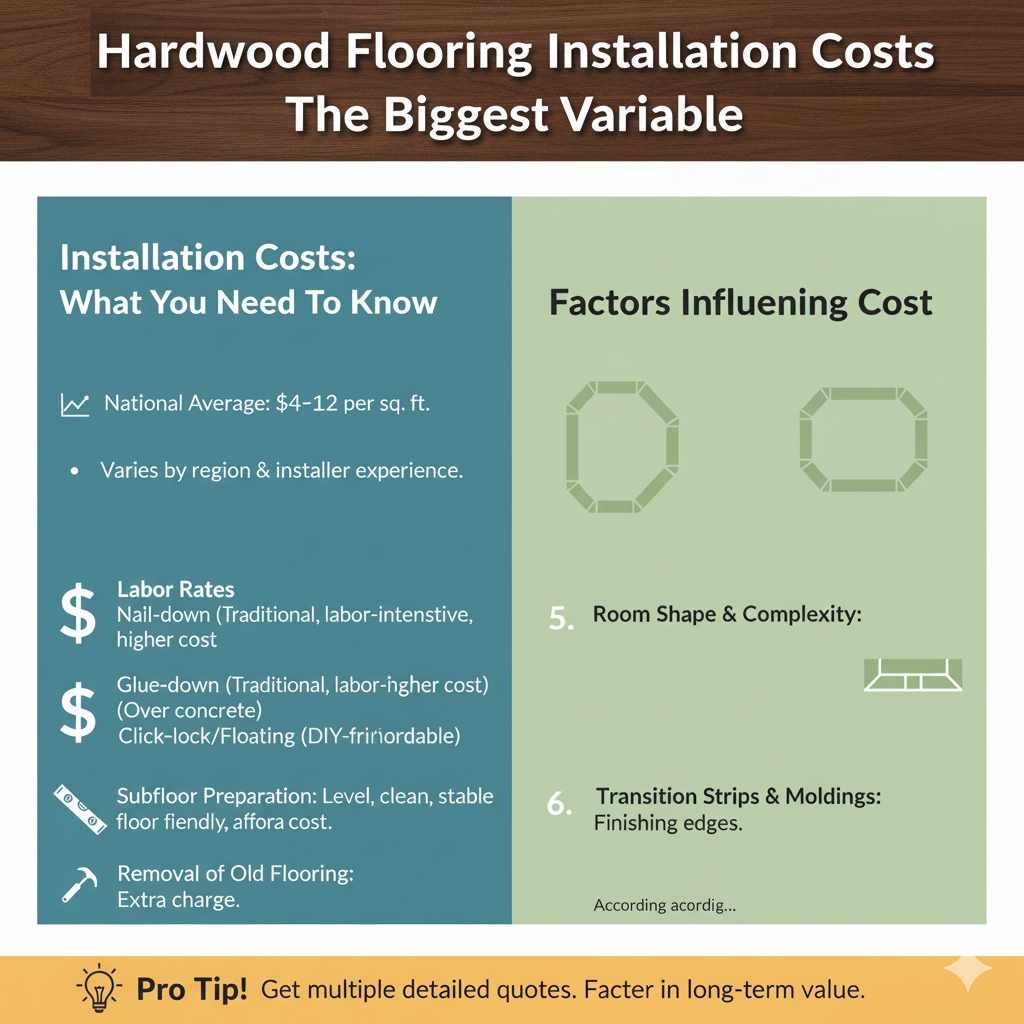
Beyond the material cost, how much is hardwood flooring per square foot when you factor in installation? This can significantly change the total price. The national average for hardwood floor installation is typically between $4 to $12 per square foot, but this can go higher or lower.
Here’s what influences installation costs:
- Labor Rates: These vary by region and the experience of the installer. Skilled craftsmen who specialize in high-end installations will charge more.
- Type of Installation:
- Nail-down/Staple-down: This is the traditional method for solid hardwood. It’s labor-intensive and typically costs more.
- Glue-down: Often used for engineered hardwood, especially over concrete.
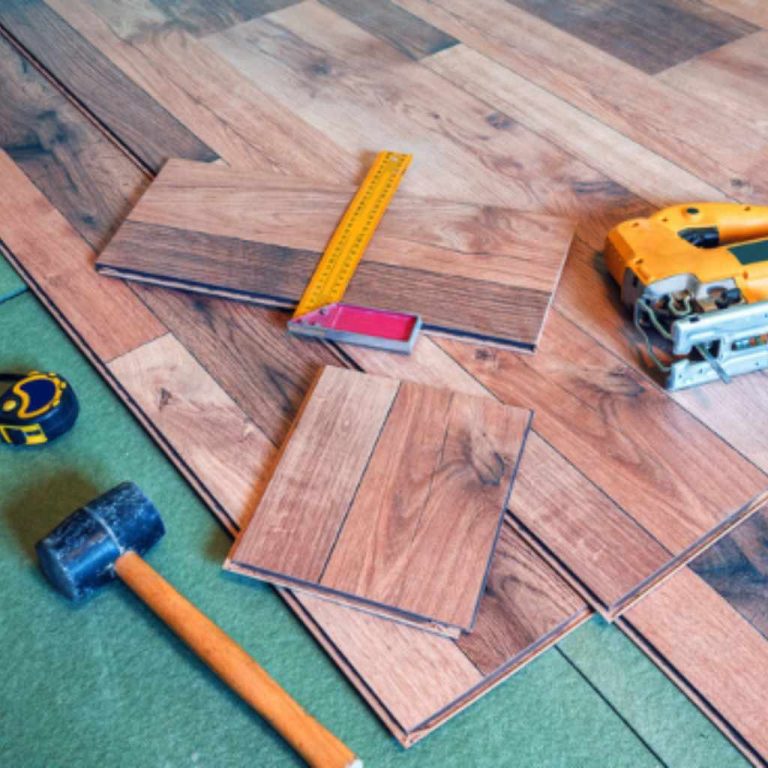
- Click-lock/Floating: Common for engineered and laminate flooring. This is often the most DIY-friendly and can be the most affordable installation method.
- Subfloor Preparation: If your subfloor isn’t level, clean, or stable, the installer will need to prepare it, which adds time and cost.
- Removal of Old Flooring: Most installers will charge extra to remove and dispose of your old flooring.
- Room Shape and Complexity: Installing in small, oddly shaped rooms, or rooms with many corners, stairs, or built-in features takes more time and skill than a simple rectangular room.
- Transition Strips and Moldings: Finishing the edges where the hardwood meets other flooring types or walls requires special pieces and precise cuts, adding to the cost.
According to the National Institute of Building Sciences, understanding installation methods and their implications is crucial for project success. For DIYers, choosing a click-lock system can save a significant amount on installation costs.
Putting It All Together: Total Cost Estimates
Now that we’ve looked at the pieces, let’s estimate the total cost range for hardwood flooring per square foot. Remember, these are averages, and your project might fall outside these ranges.
Estimated Total Cost Per Square Foot (Materials + Installation)
| Flooring TypeMaterial Cost (Per Sq Ft)Installation Cost (Per Sq Ft)Total Estimated Cost (Per Sq Ft) | |||
|---|---|---|---|
| Budget-Friendly Oak/Maple (Solid or Engineered) | $5 – $8 | $4 – $8 | $9 – $16 |
| Mid-Range Hickory/Cherry (Solid or Engineered) | $7 – $12 | $5 – $10 | $12 – $22 |
| Premium Walnut/Exotic (Solid or Engineered) | $9 – $15+ | $6 – $12+ | $15 – $27+ |
| Engineered with Click-Lock Installation | $4 – $13 | $3 – $7 (DIY potential) | $7 – $20 (or less if DIY) |
Example Scenario: A 200 Square Foot Room
Let’s say you have a room that’s 10 feet by 20 feet, totaling 200 square feet. If you choose mid-range hickory flooring that costs $9 per square foot for materials and professional installation is $7 per square foot, your total cost would be:
200 sq ft ($9 material + $7 installation) = 200 sq ft $16/sq ft = $3,200
If you opted for a budget oak at $6 per square foot for materials and a more affordable installation at $5 per square foot:
200 sq ft ($6 material + $5 installation) = 200 sq ft $11/sq ft = $2,200
This shows how much the choices can impact your budget. Always get detailed quotes that include all potential costs!
DIY vs. Professional Installation: Who Should Do the Work?
This is a big decision that directly affects how much your hardwood flooring costs per square foot.
DIY Installation
- Pros: Can save a lot of money on labor costs (potentially $4-$12 per sq ft). It’s a rewarding process for many DIYers, building skills and confidence. For click-lock engineered floors, it’s quite achievable.
- Cons: Takes time and effort. Requires the right tools (often rentable). Mistakes can be costly and lead to a less-than-perfect finish or durability issues. Not ideal for solid hardwoods in most cases unless you have experience.
Professional Installation
- Pros: Guaranteed quality and expertise. Most professionals offer warranties on their work. Saves you time and physical labor. They have the specialized tools and know-how to handle tricky situations.
- Cons: Significantly adds to the overall cost per square foot.
If you’re new to DIY, consider starting with a small room and using an engineered, click-lock system. For larger projects or if you want a perfect finish with solid hardwood, hiring a professional is often the best route. To learn more about proper installation techniques, the National Wood Flooring Association (NWFA) is an excellent resource, though their technical guides are geared towards professionals.
Additional Costs to Consider
Don’t forget these common costs that can add up:
- Underlayment: Especially for engineered or laminate flooring, an underlayment is needed for sound dampening and moisture protection. This can range from $0.10 to $1.00 per square foot.
- Trim and Moldings: Baseboards, quarter round, and transition strips are necessary to finish the edges and make the floor look complete. Factor in $2-$5 per linear foot.
- Tools and Supplies: If you’re DIYing, you’ll need to rent or buy tools like a miter saw, nail gun (for solid hardwood), floor nailer, tapping block, pry bar, and possibly a flooring saw.
- Subfloor Repair: If your subfloor needs leveling or repairs, this is an added cost, potentially hundreds or even thousands of dollars depending on the extent of the work.
- Moving Furniture: If you need to pay to have furniture removed and replaced, add that to your budget.
Common Mistakes to Avoid
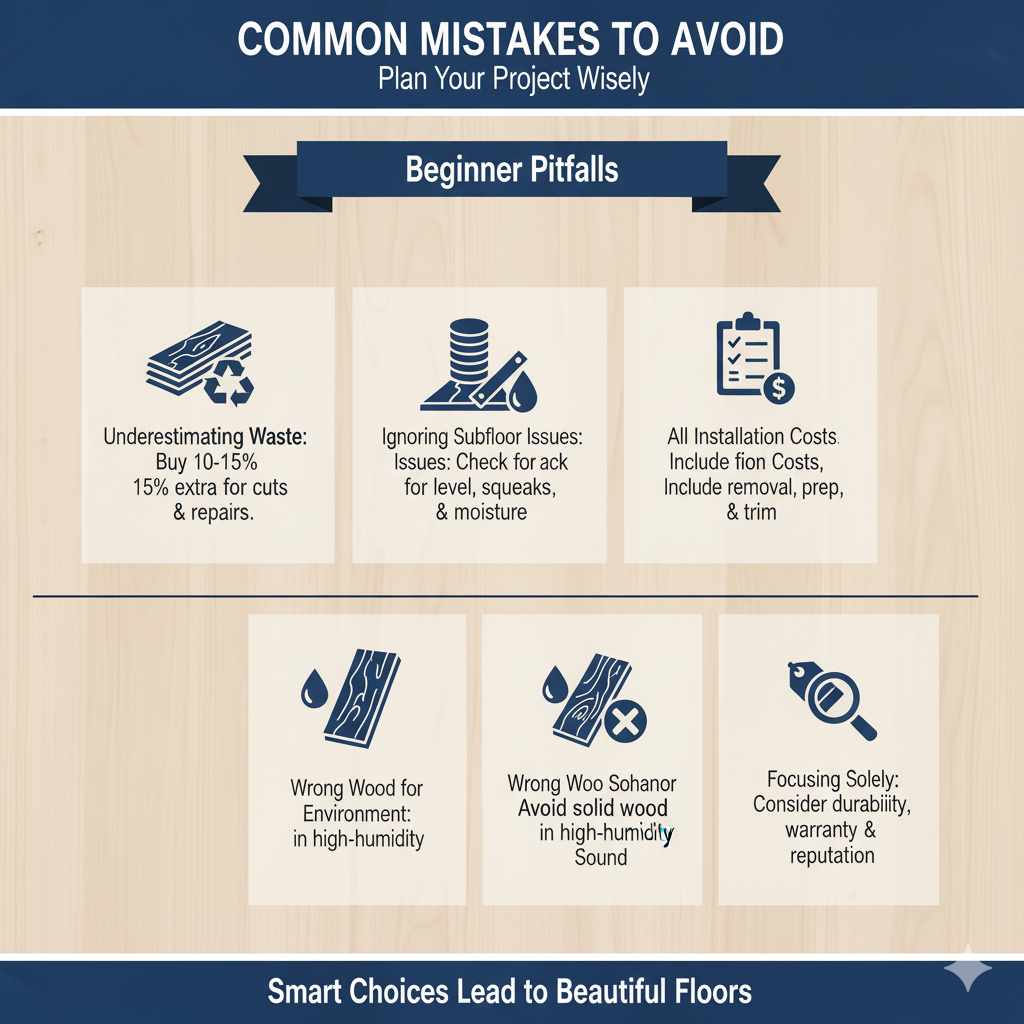
When calculating costs and planning your project, try to steer clear of these common beginner pitfalls:
- Underestimating Material Waste: Always buy 10-15% more flooring than your measured square footage to account for cuts, mistakes, and future repairs.
- Ignoring Subfloor Issues: A bad subfloor can ruin a beautiful new floor. Always check for levelness, squeaks, and moisture before installing.
- Not Factoring in All Installation Costs: Be sure to ask for quotes that include removal of old flooring, subfloor prep, and finishing trim.
- Choosing the Wrong Wood for the Environment: Solid hardwood can warp in high-humidity areas like bathrooms or basements. Engineered wood or other materials might be a better fit.
- Focusing Solely on Price: The cheapest option isn’t always the best. Consider durability, warranty, and the installer’s reputation.
Frequently Asked Questions About Hardwood Flooring Costs
Q1: What is the cheapest type of hardwood flooring?
A1: Generally, domestic species like Red Oak and Maple in lower grades (like #1 or #2 Common) are among the most affordable solid hardwood options. For engineered wood, options with a thinner veneer of these common woods are also budget-friendly.
Q2: How much does it cost to have hardwood floors professionally installed?
A2: Professional installation typically adds $4 to $12 per square foot to the cost of the materials, making the total estimated price range from $9 to $27 per square foot or more, depending on the specific flooring and complexity of the job.