How Should Solid Hardwood Be Stacked to Addlimate It: Expert Tips
Imagine the thrill of enhancing your home with the timeless elegance of solid hardwood floors. But before you dive into the installation process, there’s one crucial step you cannot afford to overlook: acclimation.
This essential process ensures your hardwood adapts to the environment of your home, preventing future issues like warping or gaps. So, how should solid hardwood be stacked to acclimate it properly? In this guide, you’ll discover the secrets to stacking your hardwood efficiently.
By doing it right, you’ll safeguard your investment and enjoy stunning floors for years to come. Stay tuned to learn the expert tips and tricks that will make this task a breeze, ensuring the beauty and longevity of your flooring.
Importance Of Acclimating Hardwood
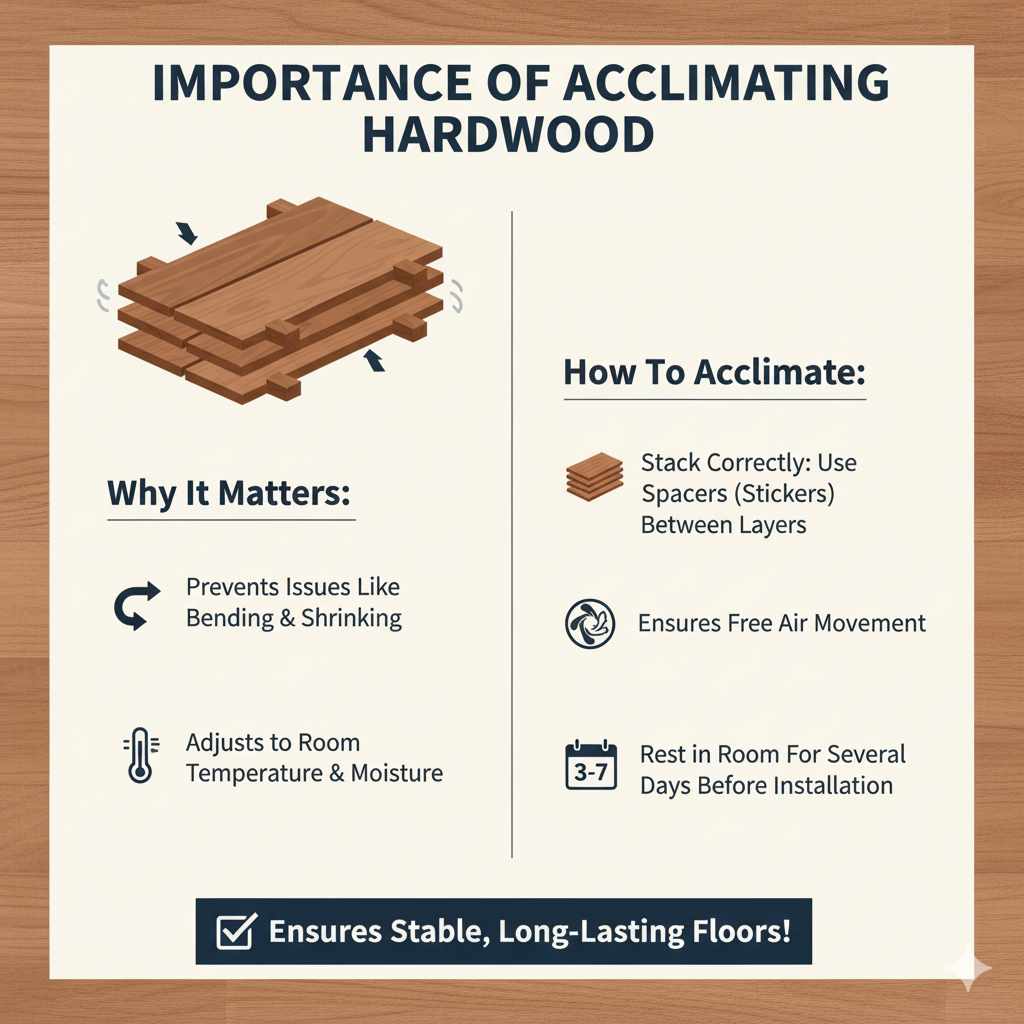
Acclimating hardwood is very important. It helps the wood adjust to the room’s climate. This prevents issues later, like bending or shrinking. Hardwood needs to rest in the room where it will be used. This lets it get used to the temperature and moisture levels.
Stacking the wood correctly is vital. Use small pieces of wood between layers. This allows air to move freely. The wood should be left like this for a few days. It helps ensure the wood is stable for installation.
Ideal Conditions For Acclimation
Hardwood needs the right temperature and humidity. Both must be stable. Temperature should stay between 60°F and 80°F. This is the best range. Humidity should be 30% to 50%. This helps wood adjust well.
Wood must breathe. Stack it with space between planks. Air can move around. This stops problems later. Don’t rush this process.
Wood needs time. Usually three to seven days. This is enough. Sometimes longer if conditions change. Check the wood often. Feel its texture. Is it smooth and even? If yes, it’s ready.
Proper Stacking Techniques
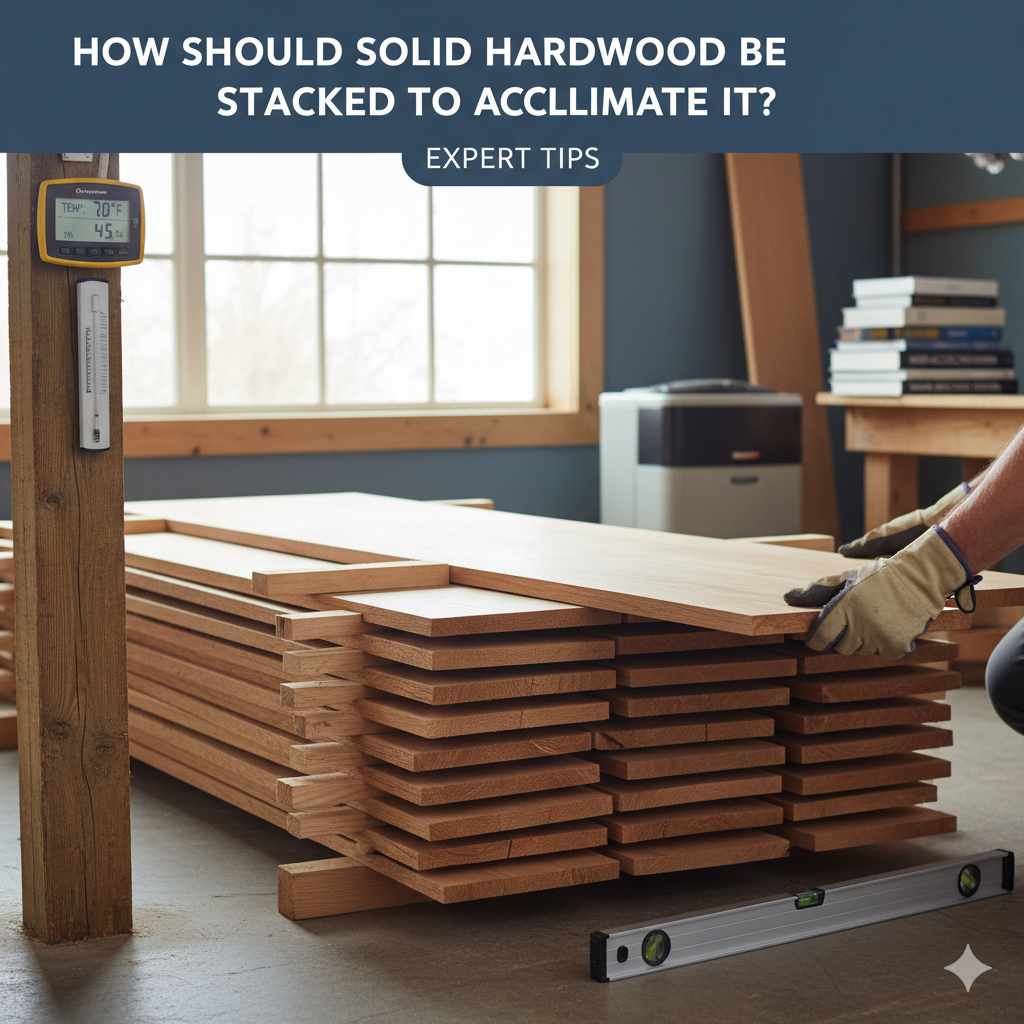
Solid hardwood must be stacked well. Use horizontal stacking for easy air flow. Vertical stacking can cause damage. Planks might bend or break. Horizontal stacking keeps planks safe and flat. This method helps wood acclimate faster. It lets each plank breathe.
Spaces between planks matter. Keep gaps of at least one inch. This allows air to move freely. Planks won’t touch each other. This prevents moisture build-up. Even spacing helps wood adjust to room climate. It avoids warping and twisting. Proper spacing is key for smooth acclimation.
Tools And Equipment Needed
Moisture meters are tools used to check wood moisture levels. They help in knowing if the wood is ready. Wood should have a balanced moisture content. This keeps it stable. A stable wood will not warp or crack. Use the meter on different parts of the wood. This gives an accurate reading. Meters are easy to use and important for wood projects. Keep them handy when stacking wood.
Spacers keep wood pieces apart. This helps air flow around the wood. Good air flow ensures even drying. Wood needs even support too. Supports hold the wood stacks steady. They prevent the wood from bending. Use both spacers and supports for best results. They are simple tools but very helpful. Always have them when working with wood.
Common Mistakes To Avoid
Solid hardwood should be stacked with spacers to allow air circulation for proper acclimation. Ensure stacks are kept away from moisture. Stacking parallel to each other helps prevent warping and damage.
Overcrowding The Stack
Stacking wood too tightly is a mistake. Air needs to move around. Proper airflow helps wood adjust to the room. Each piece must have space. Avoid stacking pieces too close. It makes drying hard. Wood may warp or bend. Keep a gap between each plank. A small gap can make a big difference. This helps in proper acclimation.
Ignoring Environmental Factors
Many ignore room temperature and humidity. These factors are key. Wood needs a steady environment. Sudden changes can harm the wood. Check the room often. Keep the temperature stable. High humidity can be bad. Use a dehumidifier if needed. Simple checks help wood stay strong. Monitoring these can save time and money.

Credit: fantasy-life-online.apk.dog
Monitoring Progress
Solid hardwood should be stacked with spacers to allow air circulation. This helps the wood adapt to room conditions. Keep stacks flat and off the ground for best results.
Signs Of Successful Acclimation
Wood changes as it gets used to the new place. Look for boards that are less warped. This means the wood is settling in well. Feel the boards. They should not be too dry or too wet. A balanced feel is good. The color should stay the same. If the wood gets too dark or light, it might be reacting too much. Measure the boards. They should be consistent in size. If they shrink or swell, check the air again. Keep the room temperature steady. Fluctuations might slow down acclimation. Listen to the boards. They might creak less as they settle.
Adjustments If Needed
If the wood does not acclimate well, make changes. Increase airflow around the stack. This helps balance moisture. Adjust the room temperature. A stable temperature aids acclimation. Use a humidifier if the air is too dry. This adds needed moisture. If the air is too wet, use a dehumidifier. This removes extra moisture. Check the stacking method. Ensure wood pieces are not too close. Space them out for better air circulation. Test moisture levels frequently. Use a moisture meter for accuracy. This helps in making informed decisions.
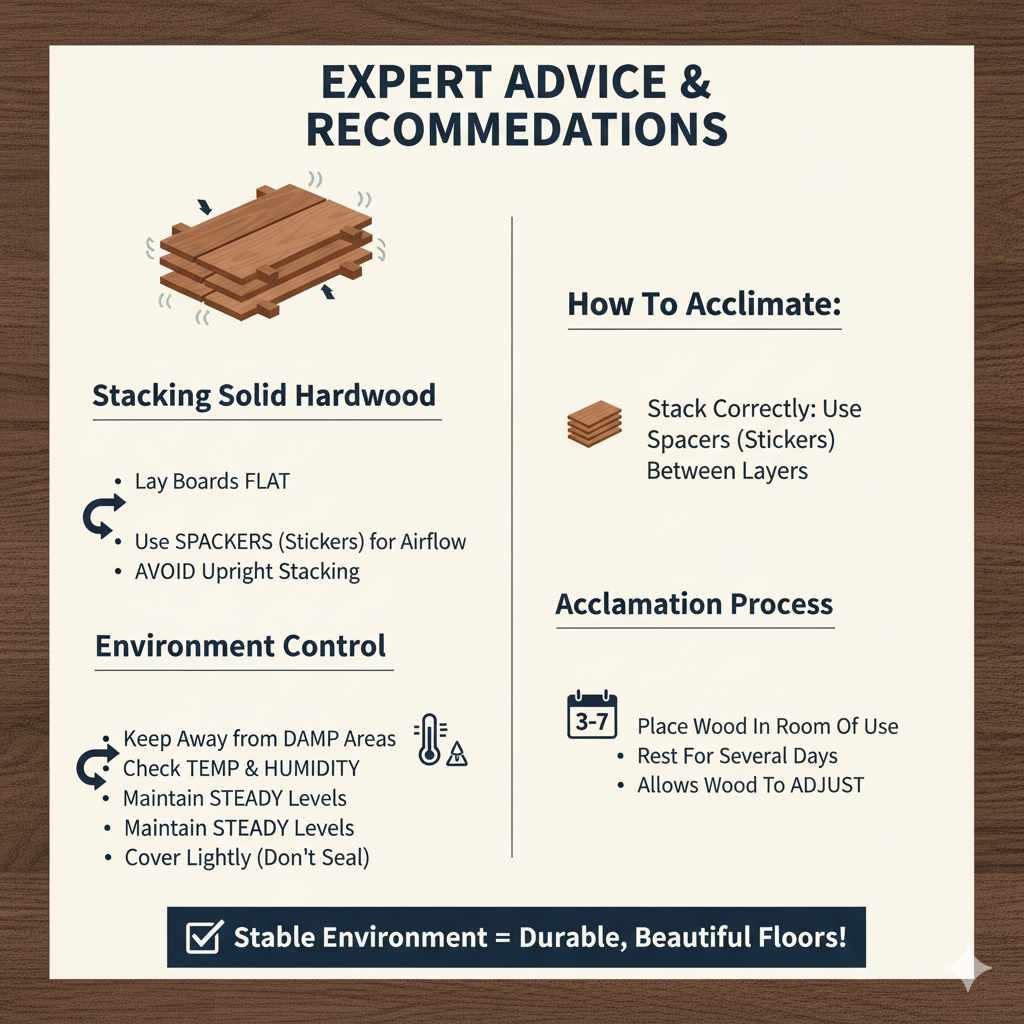
Expert Advice And Recommendations
Solid hardwoodneeds proper stacking. This helps it adjust to room conditions. Lay boards flat on the floor. Avoid upright stacking. Air needs to flow around each board. Use spacers between layers. This helps air move freely.
Keep the wood away from damp areas. Moisture can cause damage. Place wood in the room where it will be used. Let it sit for a few days. This is called acclimation. It helps the wood adjust to its new home.
Check temperature and humidity. Use a meter to be sure. Keep levels steady. This prevents cracking and warping. Cover the wood lightly. Protect it from dust and dirt. Do not seal it tightly. It needs to breathe.
Maintain a stable environment. Avoid sudden changes in temperature. This helps the wood last longer. Strong and beautiful for years to come.
Frequently Asked Questions
How To Stack Hardwood Flooring For Acclimation?
Stack hardwood flooring in small piles with gaps for air circulation. Keep it in the room where it will be installed. Ensure the area is dry and stable in temperature. Leave it for at least 48-72 hours to acclimate properly.
Avoid direct sunlight and extreme humidity.
How Long Should A Solid Wood Floor Be Left To Acclimatise?
Solid wood floors should acclimatise for at least 3 to 7 days. This helps prevent warping or gaps. Always follow the manufacturer’s guidelines for best results. Ensure the room is at normal living conditions during this period. Proper acclimatisation ensures a durable and stable floor installation.
How Long Should Solid Hardwood Acclimate Before Installing?
Solid hardwood should acclimate for at least 3 to 7 days before installation. Ensure the room’s temperature and humidity are stable. Check manufacturer’s guidelines for specific requirements to avoid potential issues. Proper acclimation prevents warping and gaps, ensuring a long-lasting and beautiful hardwood floor installation.
Can Hardwood Flooring Acclimate In The Box?
Hardwood flooring cannot acclimate properly in the box. It needs airflow to adjust to room humidity and temperature. Remove flooring from boxes and spread it out in the installation area for acclimation. This process ensures stability and prevents issues like warping or gaps after installation.
Conclusion
Proper stacking ensures hardwood acclimates efficiently. This prevents future flooring issues. Place wood in the installation room. Use spacers between planks. Allow air circulation. This helps moisture balance. Leave it for at least 7 days. Check moisture levels regularly. Patience pays off here.
Proper acclimation protects your investment. Enjoy a beautiful, long-lasting floor. Remember, preparation is key to success. Follow these steps for best results. A well-prepared floor lasts for years.