Helmsman Spar Urethane: How to Apply It (Coats, Dry Times)
Apply Minwax Helmsman Spar Urethane with a high-quality brush in thin coats, sanding lightly with 220-grit between coats. Minwax lists a 4-hour recoat time for the oil-based formula and 2 hours for water-based, with 3 coats for exterior wood (4 for water-based). The catch: Helmsman is not for floors, and Minwax advises against decks and fences. This guide covers prep, coats, dry times, spraying and clean-up.
What Is Spar Urethane?
Best Helmsman Quart Pick
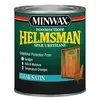 |
Minwax Helmsman Indoor/Outdoor Spar Urethane, Quart, Satin ($24.88) The oil-based quart this guide’s directions are written around: about 125 sq ft per quart, a 4-hour recoat time and 3 coats for exterior wood.
|
As an Amazon Associate we earn from qualifying purchases.
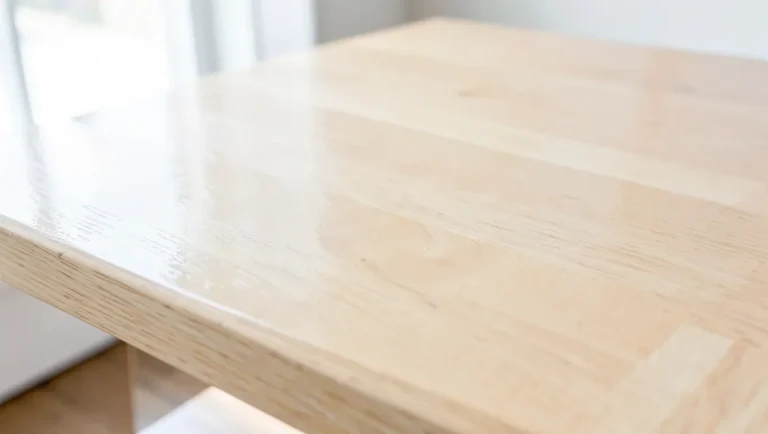
Spar urethane is a flexible clear finish made for wood that sees sun, rain and temperature swings. Minwax says Helmsman contains UV blockers to reduce the sun’s graying and fading effects, forms a protective barrier against rain and moisture, and uses special oils that let the film expand and contract with the seasons. That flexibility is the whole point: a rigid film on outdoor wood cracks as boards swell and shrink.
If you are still deciding between spar and standard polyurethane, our spar urethane vs polyurethane comparison covers that choice. This guide assumes you have picked Helmsman and want it on the wood correctly.
Introduction To Helmsman Spar Urethane
Helmsman is the Minwax spar urethane line, sold as an oil-based liquid (11.5-oz, quart and gallon), a separate water-based liquid (quart and gallon) and an oil-based aerosol. All come in Gloss, Satin and Semi-Gloss. Minwax names doors, windows, trim, bathroom cabinets, bar tops, kitchen countertops and outdoor furniture as ideal uses, and its water-based page adds railings and wood boats above the waterline.
Choosing The Right Helmsman Spar Urethane
Pick the version before you buy, because the coat count, dry times and clean-up all change. These figures come from the Minwax product pages and technical data sheets for each version:
| Detail | Oil-based liquid | Water-based liquid | Oil-based aerosol |
|---|---|---|---|
| Recoat time | 4 hours listed (6 hours before sanding) | 2 hours | 15 minutes, within a 2-hour window |
| Coats | 2 minimum, 3 for exterior or bare wood | 3 minimum, 4 for exterior or bare wood | 3 for exterior or bare wood |
| Coverage | 125 sq ft per quart | 126 sq ft per quart | 20 to 25 sq ft per can |
| Use after final coat | 24 hours | 24 hours (72 hours on countertops) | 24 hours |
| Clean-up | Mineral spirits | Warm water | Mineral spirits or paint thinner (nozzle) |
| Thin it? | No | No | Not applicable |
- Oil-based: the choice for most exterior doors and trim. It is a flammable liquid: the safety data sheet gives a closed-cup flash point of 100.4 F (38 C), so keep it away from heat, sparks and open flames.
- Water-based: faster recoats and water clean-up, with a maximum of 275 g/L VOC and a flash point above 206 F per its data sheet. It needs one more coat than the oil-based version, and it contains 1-methyl-2-pyrrolidone, so ventilate well.
- Color: do not assume water-based stays perfectly clear. Minwax’s data sheets warn of slight ambering over light-colored stains or wood on Helmsman, so spot test first.
- Sheen: the water-based data sheet measures gloss at 87% minimum, semi-gloss at 50 to 64% and satin at 18 to 32%. Our matte vs satin finish guide explains how sheen changes the look.
- Aerosol: best for planters, spindles and small trim where a brush is awkward.
For a wider side-by-side of the two chemistries beyond this one brand, see our water-based vs oil-based spar urethane comparison.
Where Helmsman Spar Urethane Should Not Go

The most common mistake is treating Helmsman as an all-purpose outdoor finish. Minwax is specific about two limits:
- Floors: Minwax says Helmsman “is formulated to expand and contract with temperature changes. Because it is flexible, it is not suitable for use on floors.”
- Decks, fences and siding: the oil-based product page says it is not recommended for decks and fences, and the data sheets say it is not recommended for large exterior surfaces where maintenance would be difficult, such as decks and siding.
The reasoning is maintenance. Helmsman is a film finish, and Minwax says to maintain exterior use by lightly sanding and adding coats as conditions require. That is easy on a door and miserable on a deck. For fence boards or siding, start with our guide to the best finish for cedar wood, or see the best clear finish for wood overview.
Preparing Your Workspace
Set up before you open the can. Good prep prevents most finish problems.
Safety Precautions
Wear protective gloves, protective clothing and eye protection, and work outdoors or with windows and doors open. If ventilation is poor, Minwax’s aerosol sheet calls for NIOSH-approved respiratory protection. Keep oil-based Helmsman away from heat, sparks and open flames. The oily-rag rule matters most:
“Rags, steel wool, other waste soaked with this product, and sanding residue may spontaneously catch fire if improperly discarded.”
Minwax’s fix: place rags and sanding residue immediately in a sealed, water-filled metal container and dispose of it under local fire regulations. A rag left in a pile or a bucket without water is the hazard.
Necessary Tools And Materials
- Helmsman Spar Urethane (oil-based, water-based or aerosol)
- 220-grit sandpaper (the grit Minwax specifies between coats)
- A high-quality brush (for water-based, a synthetic bristle brush made for water-based finishes)
- Mineral spirits for oil-based clean-up, or warm water for water-based
- Clean lint-free rags and a damp cloth for dust
- A sealable metal container with water for used rags
- Drop cloth, gloves and eye protection
Surface Preparation
Per Minwax, the surface must be dry and free of paint, wax, grease, polish, old finishes in poor condition and any foreign matter. A dirty or glossy surface is where peeling starts, however carefully you brush.
Cleaning The Surface
Remove dirt, grease and failing finish. Let washed wood dry completely, since Minwax requires a dry surface. If you are removing old paint by sanding or scraping, remember the water-based data sheet’s lead warning: dust or fumes from old paint may contain lead, so use a properly fitted NIOSH-approved respirator and contain the dust.
Sanding Techniques
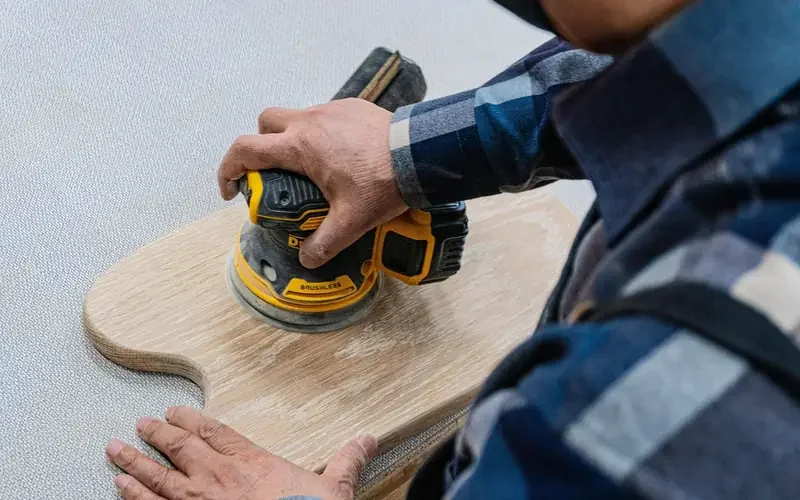
Sand with the grain until the surface is smooth and uniform, then remove all dust with a damp cloth, as Minwax directs. Do not use steel wool with the water-based formula. If you stain first, follow the stain’s own dry times before topcoating; our guide to sealing wood after staining covers that step.
Applying The First Coat
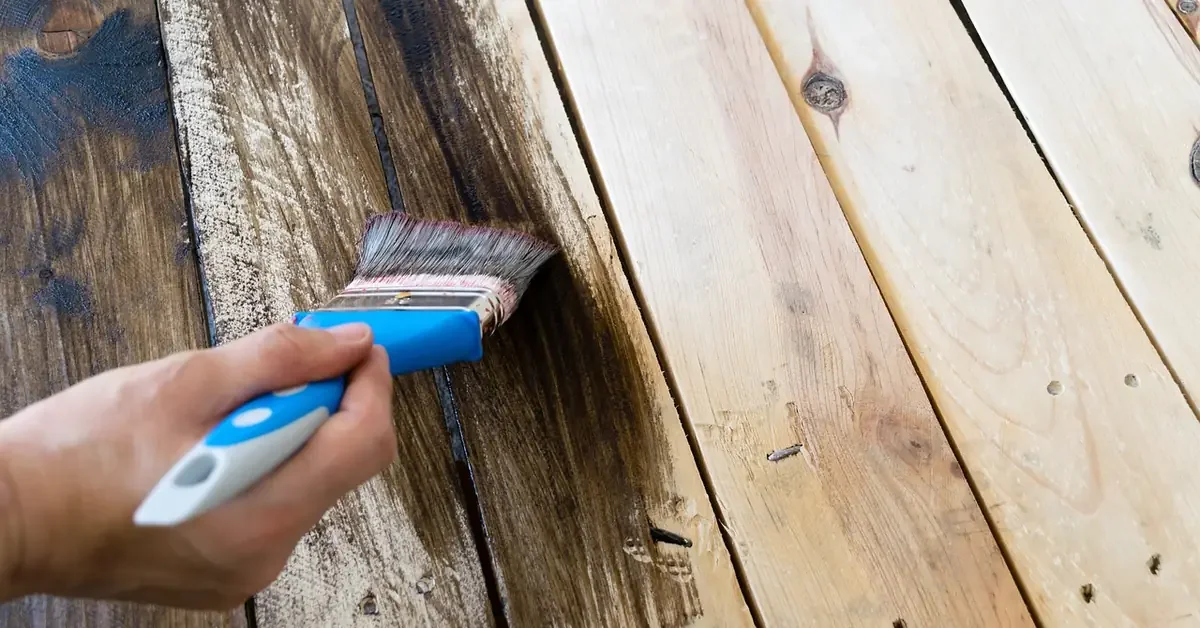
Stir well before use and occasionally while you work. Do not thin it. Minwax directs a thin coat with a high-quality brush: dip about a third of the bristles, tap off the excess on the inside of the can and lay the finish on with long strokes along the grain. On unfinished wood, put enough material on edges, joints and end-grain to seal them, since end-grain is where outdoor moisture gets in.
Keep coats thin. A thick coat dries slowly, sags and extends dry times. If you see brush marks or bubbles, brush back through while the coat is still wet.
Drying And Sanding Between Coats
Here is a detail most guides skip: Minwax’s oil-based product page lists a recoat time of 4 hours, but the directions say to let the coat dry at least 6 hours, then sand lightly with 220-grit. Because the sanding step is part of the process, plan on 6 hours between oil-based coats. Water-based Helmsman is 2 hours before sanding and recoating.
Minwax’s times assume good ventilation, 77 F and 50% relative humidity. Lower temperature, higher humidity, poor airflow or thick coats all extend them, so test the surface for tackiness between coats. Sand lightly, wipe off the dust and recoat. You are scuffing for adhesion, not removing the coat.
Applying Additional Coats
The oil-based liquid is rated for 2 coats, with 3 recommended for exterior or previously unfinished wood. Water-based requires a third coat and recommends 4 outdoors. After the last coat, allow 24 hours before normal use (72 hours for water-based countertops). The final coat is not sanded, because the sanding step in the directions sits between coats.
How Much Helmsman Spar Urethane Does a Door Need?
Coverage figures look abstract until you do the arithmetic. Take a standard 36 x 80 inch door, about 20 sq ft per face and 40 sq ft for both faces (edges ignored), and multiply by the recommended exterior coats. This is our own calculation from Minwax’s coverage numbers, assuming each figure is a single coat; porous or bare wood will soak up more.
| Version | Coats | Coverage needed | What to buy |
|---|---|---|---|
| Oil-based liquid | 3 | 120 sq ft | 1 quart (125 sq ft) |
| Water-based liquid | 4 | 160 sq ft | 2 quarts (126 sq ft each) |
| Oil-based aerosol | 3 | 120 sq ft | 5 to 6 cans (20 to 25 sq ft each) |
That last row is the surprise: spraying a full door in aerosol takes several cans, so the liquid is usually the cheaper route for anything bigger than a small piece.
Can You Spray or Thin Helmsman Spar Urethane?
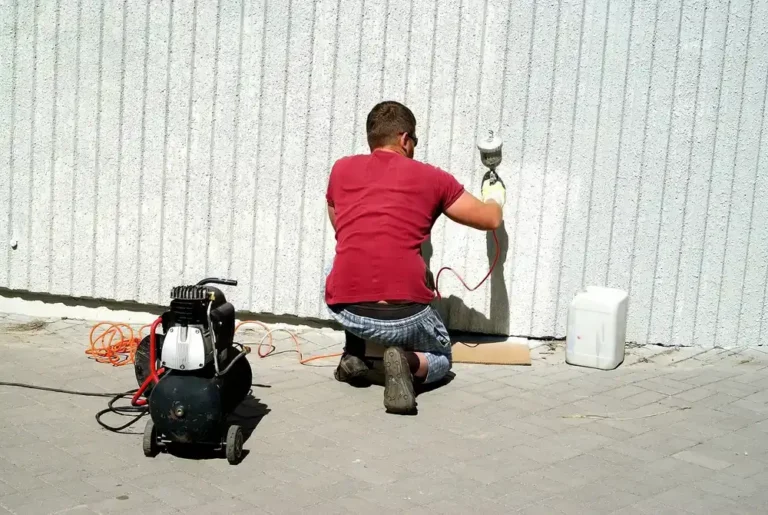
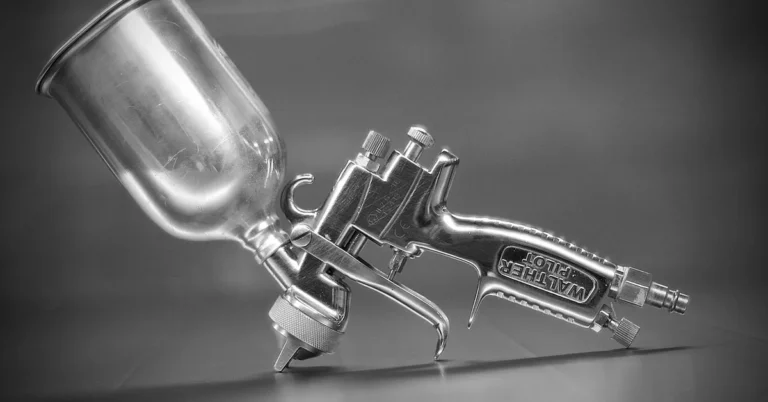
Not the liquid. Minwax’s directions for both the oil-based and water-based liquids say “Do not thin” and specify a brush. For spraying, Minwax makes the aerosol:
- Shake the can vigorously.
- Hold it vertically 12 inches from the surface and depress the button fully.
- Move the can evenly with slightly overlapping strokes, and seal edges and end-grain on unfinished wood.
- Recoat after 15 minutes, using thin coats to avoid runs and sags.
- If you cannot recoat within 2 hours, wait at least 72 hours, sand lightly with 220-grit, wipe with a lint-free cloth dampened with mineral spirits and recoat.
- When finished, turn the can upside down and press the nozzle until no liquid comes out. Never poke a pin or wire into a clogged nozzle.
Final Touches And Maintenance
Inspect the cured surface in good light for dust nibs, bubbles or brush marks. Minwax recommends cleaning with Minwax Wood Cleaner or mild detergent and water, and says not to use abrasive pads. For exterior pieces, Minwax says to maintain by lightly sanding and adding another coat as conditions require. When the finish looks dull or water stops beading, that is your cue.
Fix problems under the finish first. Urethane seals in moisture damage as well as it keeps water out, so deal with wood rot before refinishing. For routine upkeep across the rest of your wood, see our wood care and protection guide.
Frequently Asked Questions
How many coats of Helmsman Spar Urethane do I need?
For the oil-based liquid, Minwax recommends 2 coats, and 3 coats for exterior or previously unfinished wood. The water-based formula needs 3 coats, with 4 recommended outdoors or on bare wood. Sand lightly with 220-grit between coats and apply each coat thin.
How long should I wait between coats of Helmsman Spar Urethane?
Minwax lists a 4-hour recoat time for oil-based Helmsman, but its directions say to let it dry at least 6 hours before the light sanding between coats. Water-based Helmsman is 2 hours. The aerosol can be recoated after 15 minutes, within a 2-hour window.
Can you thin Helmsman Spar Urethane?
No. Minwax directions for both the oil-based and water-based liquids say “Do not thin.” Stir well before and occasionally during use, and apply thin coats with a brush. If you want a spray finish, use the Helmsman aerosol rather than thinning the liquid.
Is Helmsman Spar Urethane oil-based or water-based?
Both. Minwax sells an oil-based Indoor/Outdoor Helmsman (cleanup with mineral spirits) and a separate Water Based Helmsman (cleanup with water). Minwax notes slight ambering on light-colored wood or stains with either, so spot test on an inconspicuous area first.
Can I use Helmsman Spar Urethane on a deck or a floor?
No for floors: Minwax says Helmsman is flexible and not suitable for floors. For decks, the oil-based product page says it is not recommended for decks and fences, and the data sheets call it unsuitable for large exterior surfaces where maintenance would be difficult, such as decks and siding.
Can you spray Helmsman Spar Urethane?
Yes, in aerosol form. Shake the can vigorously, hold it vertically 12 inches from the surface, and move it in slightly overlapping strokes. Recoat after 15 minutes. If you miss the 2-hour window, wait at least 72 hours, sand lightly with 220-grit and wipe with a rag dampened with mineral spirits.
How do I clean up after Helmsman Spar Urethane?
Oil-based Helmsman cleans up with mineral spirits, and water-based Helmsman with warm water right after use. Rags soaked with the oil-based finish can spontaneously catch fire, so place them in a sealed, water-filled metal container immediately and dispose of them under local fire regulations.
Conclusion
Helmsman works when it goes where Minwax designed it to go: doors, windows, trim and outdoor furniture, in thin coats on a clean, dry, sanded surface. Count your coats by the version you bought, give oil-based coats 6 hours before sanding, do not thin the liquid, and keep oily rags in a sealed, water-filled metal can. Skip floors, and think twice before using it on decks and fences.
Sponsored / affiliate links. As an Amazon Associate I earn from qualifying purchases. I may earn additional commission from eligible campaigns.