How To Avoid Drilling Into Wires (Safety Guide)
Hitting a live wire when you drill can be scary. It can cause damage or even hurt you. This guide will help you understand how to avoid this problem.
We will show you what to look for and how to stay safe. You can finish your projects without worry. This is about making your home safer.
To avoid drilling into wires, always locate potential wiring pathways before you drill. Use stud finders with electrical detection, check wall outlines, and avoid drilling near light switches or outlets. If unsure, consult a professional.
Understanding Electrical Wiring in Your Walls
Most homes have wires running inside their walls. These wires bring power to lights and outlets. They are usually hidden behind drywall.
Sometimes they run through wooden studs. Other times they are in the ceiling. Knowing where they might be is key.
This helps keep you safe when you do work.
Electricity travels through these wires. They are covered by insulation. This is a plastic coating.
It keeps the electricity inside the wire. But this insulation can be damaged. If you drill into a wire, you can break this covering.
This is when problems can start.
These wires connect to your home’s electrical panel. That is where the power comes in. From there, they spread out.
They go to different rooms. They power different devices. You can’t see them because they are hidden.
That’s why you need to be careful. Thinking about where they might go is important.
My Drill Hit Something It Shouldn’t Have
I remember one time I was hanging a shelf. It was in my living room. I thought I knew exactly where to drill.
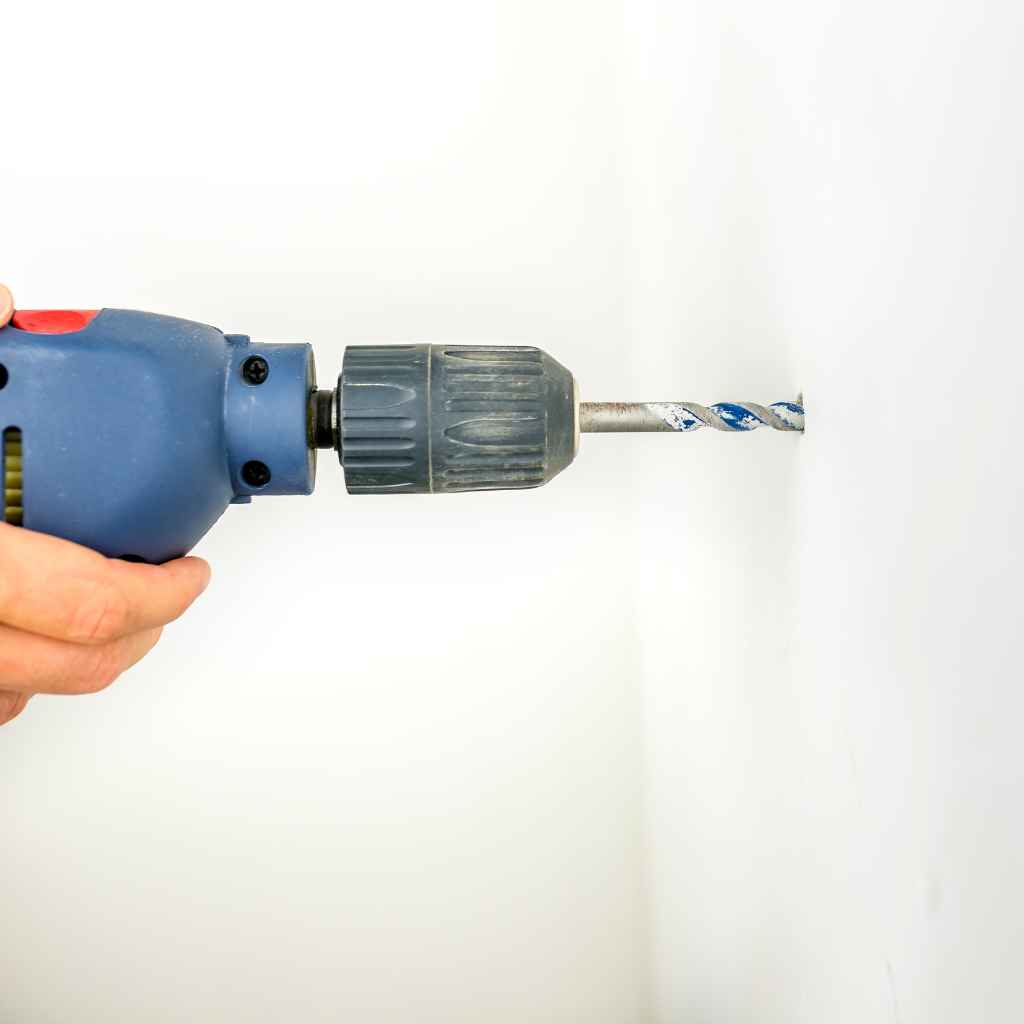
I grabbed my drill. I started making a hole. Then, my drill just stopped.
It felt like it hit something hard, but different. Then, I heard a weird crackling sound.
My heart jumped. I pulled the drill back very slowly. I looked at the wall.
There was a tiny scorch mark. The air smelled a little burnt. I immediately turned off the power to that area.
I was so shaken. It turned out I had nicked a wire. It was a close call.
That experience taught me a lot. It made me realize how important it is to be prepared. You can’t just drill anywhere.
You need to think first. I learned that day that safety comes first. Projects can wait if they aren’t safe.
Where Wires Typically Run
Electrical wires in homes often follow predictable paths. They usually run vertically and horizontally. This is to connect to outlets and switches.
Outlets are often placed at a standard height. This is usually around 12 inches from the floor. Switches are often near door frames.
Wires also run up and down from the ceiling. They go to light fixtures. They can also go to attic or basement spaces.
Studs are the vertical wooden beams in your walls. Wires often travel through holes drilled in these studs. This helps them move from one wall cavity to another.
The path of wires is not always straight. It can depend on the age of the house. It can also depend on how it was wired.
Some older homes might have wires run in different ways. Newer homes often follow stricter codes. These codes help with safety.
But they are still hidden.
Common Wire Locations to Watch For
Near Outlets and Switches: Wires are always close by. They feed power to these fixtures.
Along Studs: Wires often travel up or down studs. They go between wall levels.
Between Floor Levels: Power needs to go from basement to first floor. It also goes from first to second floor.
Towards Ceiling Lights: Lights in the ceiling need a power source. Wires run to them.
In Corners: Sometimes wires run up corners. This can happen in older homes.
Using Tools to Find Wires
There are tools that can help. They can detect electricity. A stud finder is a good start.
Many modern stud finders have an electric current sensor. This sensor can pick up live wires. It will often make a sound or light up.
This tells you something is there.
Be aware that these tools are not perfect. They can sometimes give false readings. Or they might miss wires.
They work best when you use them carefully. Moving them slowly over the wall helps. Try scanning in different directions.
Always read the instructions for your tool. Each one works a little differently. Some tools are better than others.
Investing in a good quality stud finder is wise. It’s a small price for safety. Think of it as an early warning system.
Another thing to do is look at the wall. Do you see any nail pops? Or any old patched holes?
These might show where someone has worked before. It could mean wires are nearby. It’s like reading the history of the wall.
Safe Drilling Practices: Step-by-Step
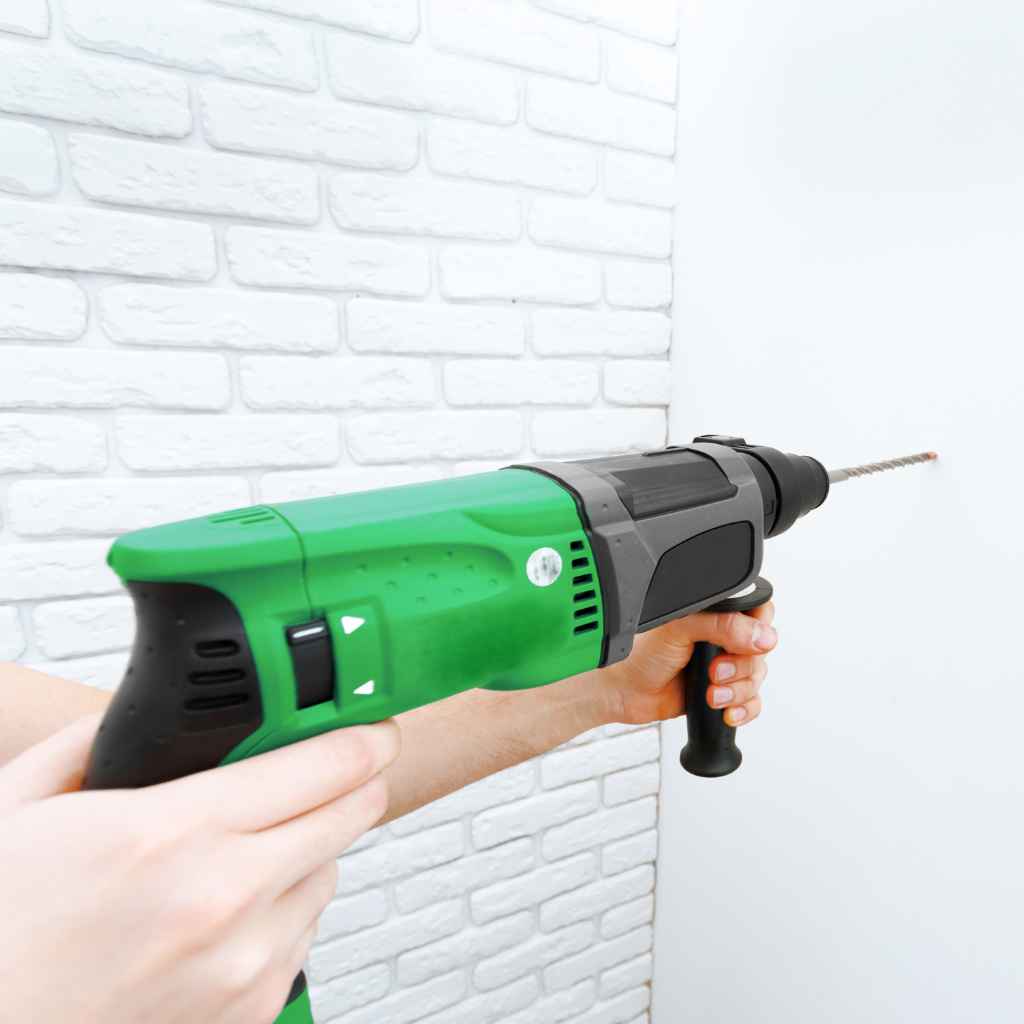
When you need to drill, take your time. The first step is to look at the area. What is around where you want to drill?
Are there any light switches? Are there any electrical outlets? If yes, be extra careful.
Wires are very likely close to them.
If you have a stud finder, use it — our guide to finding studs behind wood paneling covers how to avoid false readings. Scan the wall slowly. Move it from left to right.
Then move it up and down. Mark any spots where it signals a wire. Give yourself a buffer zone around these spots.
Do not drill there.
Before you drill, consider the depth. How deep do you need to go? If you are just hanging a picture, you don’t need to drill deep.
For shelves or cabinets, you might need to go deeper. Understand how deep your drill bit will go.
If you are drilling into an exterior wall, be more cautious. These walls often have more wiring. They also might have insulation.
This can make it harder for sensors to work. Be extra careful in these areas. Think about where the power comes into your house.
What If You’re Not Sure?
If you are ever in doubt, stop. It is better to be safe than sorry. You can always call a professional.
An electrician can tell you for sure. They have special tools. They know how wires are run.
They can help you avoid danger.
You can also do more research. Look at your home’s blueprints. These might show where wires are.
Many utility companies have information. They can sometimes mark underground lines. But this is for outside.
Inside is different.
Consider the purpose of your project. Is it really worth the risk? If you are just putting up a light decoration, maybe you can find another spot.
If it’s a major renovation, then you need to be sure. Safety is the top priority.
Quick Check: Is This Area Safe to Drill?
- Are there outlets or switches nearby? If yes, be very cautious.
- Did your stud finder detect anything? If yes, avoid that spot.
- What’s on the other side of the wall? Is it another room? Another wall?
- How deep do you need to drill? Shallow holes are generally safer.
- Is this an exterior wall? These can be more complex.
Understanding Common Home Wiring Scenarios
Homes are wired differently. The way power is set up matters. In the U.S., homes typically use 120-volt circuits.
These power most outlets and lights. Some appliances use 240-volt circuits. These are usually for things like ovens or dryers.
Wiring can be done with different types of cables. The most common is called NM-B cable. It has a plastic sheath.
Inside, you find the wires. Usually, there are two or three wires. One is hot.
One is neutral. One might be for grounding.
The age of your home plays a big role. Older homes might have different wiring materials. Some old homes used knob-and-tube wiring.
This is not as safe as modern wiring. It’s often found in attics and basements. It doesn’t have a protective sheath.
Aluminum wiring was used in some homes. This can be a fire hazard. It needs special connectors.
If you have aluminum wiring, be extra careful. You might need an electrician. They can inspect it.
Wire Pathway Visualization
Normal Outlet Wiring
Wires run from the breaker box up the wall. They go to the outlet. Then they might continue to another outlet or switch.
Light Fixture Wiring
Wires come from the ceiling. They connect to the light box. They might also run to a nearby switch.
Wall Studs
Holes are drilled through studs. This allows wires to pass from one side of the wall to the other.
Across Joists
In unfinished basements or attics, wires run between ceiling joists.
What This Means For You
It means you need to be aware. Every time you plan to drill, think about safety. Don’t just start drilling.
Take a moment to assess the situation. Your home has a nervous system of wires. You want to avoid shocking it.
This knowledge helps you make better choices. You can decide where it’s safe to drill. You can choose the right tools.
You can also know when to ask for help. It empowers you to do your projects safely.
Most drilling projects are fine. Many people drill holes all the time. They don’t hit wires.
This is often because they are careful. They follow basic safety rules. They know the common places wires hide.
When Is It Okay to Drill Freely?
You can generally drill freely in certain areas. These are places where wires are unlikely to be. Think about the middle of a room’s floor.
If you are not near walls or fixtures, it is often safe. This is especially true if there is no basement below.
If you are drilling into a freestanding cabinet. Or into furniture that is not attached to the wall. These are usually safe spots.
They don’t involve the structure of your home.
If you are drilling into a section of wall that is known to be clear. Perhaps you have opened up the wall before. You saw there were no wires there.
Then you can drill with more confidence.
Safe Drilling Zones
- Middle of a large floor space (away from walls).
- Freestanding furniture (like a table or bookshelf).
- Areas where you know wires are not present (e.g., after inspection).
- Areas far from electrical outlets and switches.
When to Worry and Call a Pro
You should worry if you hit a wire. Even if you just nick it. It’s best to call a pro.
They can fix it safely. They can check for damage you can’t see.
If your drill bit comes out with sparks. Or if you smell burning. Turn off the power immediately.
Do not use the drill anymore. Call an electrician right away. These are signs of a serious problem.
If you are planning to do major work. Like remodeling a bathroom or kitchen. These areas have lots of wiring.
It’s wise to have an electrician check it. They can ensure everything is up to code. They can help avoid future issues.
If you live in an older home. And you are unsure about the wiring. It’s a good idea to get it inspected.
An electrician can identify old or unsafe wiring. They can recommend upgrades.
Signs You Need an Electrician
- You hit a wire while drilling.
- You see sparks or smell burning.
- You are planning major renovations.
- You suspect old or damaged wiring.
- You are unsure about wire locations in a wall.
Quick Tips for Safer Drilling
Always turn off the power. If you are working near a circuit that might have wires. Find your electrical panel.
Flip the breaker for that area. This makes it much safer. You can test the outlet or switch to be sure.
Use a drill bit that is the right size. Don’t use a bit that’s too long. If you don’t need to drill deep, don’t.
A shorter bit is less likely to cause trouble.
Mark your drill depth. You can use tape on the drill bit. Wrap tape around it.
Mark how deep you want to go. This helps you stop at the right point. It prevents over-drilling.
Clear the area. Remove any clutter. This gives you more space to work.
It also helps you see better. Ensure good lighting in the work area.
Drilling Safety Checklist
- Power OFF? Confirm the circuit breaker is off.
- Stud Finder Used? Scan the area for wires.
- Visual Check Done? Look for outlets, switches, or signs of wiring.
- Drill Depth Marked? Use tape to limit how deep you drill.
- Clear Workspace? Ensure good light and no clutter.
Frequently Asked Questions About Drilling and Wires
Can I drill into a wall if I don’t see any outlets or switches nearby?
It’s still risky. Wires can run between outlets or to lights in the ceiling. They often travel through studs.
It’s best to use a stud finder or other tools to check first. Always be cautious in wall spaces.
How deep do electrical wires typically sit in a wall?
Wires are usually not too far from the surface. They are often within an inch or two of the drywall. However, this can vary.
Some wires might be deeper, especially if they are inside junction boxes or running through beams.
What happens if I drill into a wire?
If the wire is live, you might see sparks. You could get a shock. The drill could stop working.
It can damage the wire’s insulation. This can create a fire hazard or cause power outages. It’s important to turn off power immediately if this happens.
Are there apps that can detect wires in walls?
Some apps claim to do this using your phone’s sensors. However, their accuracy is often limited. Dedicated stud finders with wire detection are much more reliable.
For serious safety concerns, a professional tool is best.
What is the safest way to hang something heavy on a wall?
For heavy items, find a wall stud to drill into. Use a stud finder to locate it. Then, use a screw or anchor that is rated for the weight.
Avoid drilling into the space between studs if possible. Always check for wires first.
Can I drill through a joist or stud safely?
Yes, drilling through studs and joists is common for mounting things. However, you must ensure you are not drilling where wires might be running. Check your local building codes.
Codes specify how far from the edge of a joist you can drill a hole.
Final Thoughts on Home Safety
Keeping your home safe is an ongoing process. Understanding how things work helps. Knowing where potential dangers lie is smart.
You can do many home projects with confidence. Just remember to prioritize safety. A little bit of care goes a long way.
By following these steps, you reduce risks. You can avoid costly repairs. More importantly, you avoid harm to yourself and others.
Happy and safe drilling!
Sponsored / affiliate links. As an Amazon Associate I earn from qualifying purchases. I may earn additional commission from eligible campaigns.