Edge Grain vs Face Grain Cutting Board
Edge grain is the best everyday cutting board. Face grain works well as a lower-cost board for serving or light prep, while end grain is the premium choice for the hardest use. Pick the wrong one and knife marks show sooner, warping becomes more likely, and the board may feel wrong for your cooking style. This guide compares the three grain types and helps you match one to your prep habits and maintenance tolerance.
| Factor | Edge Grain | Face Grain | Winner |
|---|---|---|---|
| Knife-friendliness | Better than face grain; the edge takes chopping better and tends to show cleaner wear than broad-face cuts. | Least forgiving under repeated chopping; knife marks show up sooner and stay visible. | Edge Grain |
| Warp resistance | More stable than face grain when the wood is dry and the board is built well. | More prone to seasonal movement and visible distortion if moisture control is poor. | Edge Grain |
| Scratch visibility | Scratches still happen, but the striped layout usually hides wear better than a broad face. | Growth rings and figure look attractive at first, then daily knife work makes wear easier to see. | Edge Grain |
| Weight | Usually heavier than a face-grain board of the same size and thickness. | Usually lighter and easier to move or hang up. | Face Grain |
| Cost to make | More material use and glue-up work than face grain, so cost is usually higher. | Less labor and simpler stock use, so it is usually cheaper to make. | Face Grain |
| Maintenance frequency | Needs hand washing, drying, and regular oiling like any wooden board, but the surface tolerates daily use better. | Needs the same care, yet visible wear can make maintenance feel more urgent sooner. | Edge Grain |
| Best use case | Daily chopping, prep work, and an everyday board you expect to keep in rotation. | Serving, bread, cheese, fruit, and light prep where appearance matters more than wear resistance. | Edge Grain |
| Replacement risk | Lower risk of early retirement if kept dry and oiled. | Higher risk of scarring, splitting, and visible wear under daily knife use. | Edge Grain |
Edge grain vs face grain: the core trade-off
What each grain orientation means
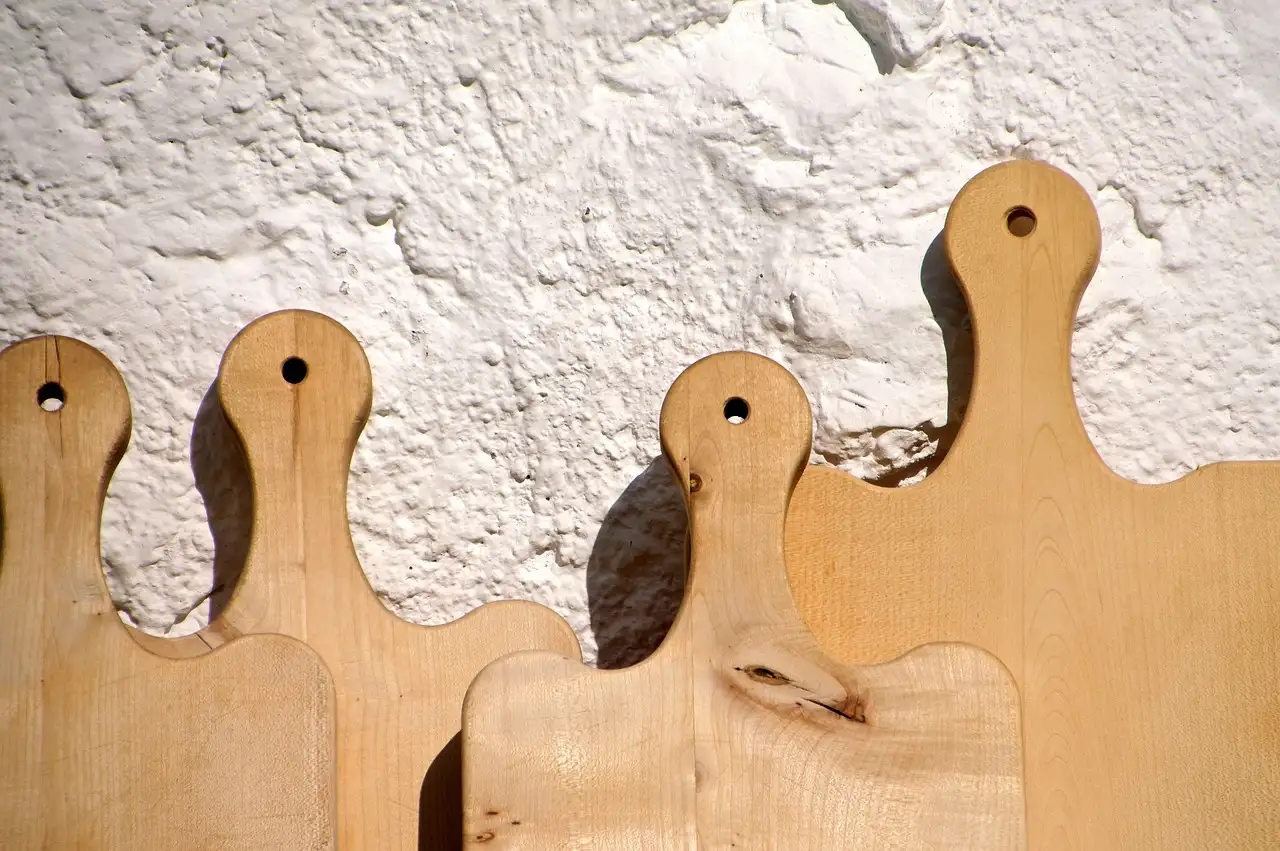
Face grain means the broad surface faces up, so you see the wide face of each board section and often more growth-ring figure. Edge grain means the narrow edge of each strip faces up, which is why edge-grain boards often look striped. Edge grain cutting boards are made by gluing the face-side of boards together.
Why the surface choice changes wear and knife feel
Surface direction changes how much damage you see and how the knife meets the board. End grain is the benchmark for knife-friendliness because the blade cuts into the ends of fibers rather than across them. Edge grain sits in the middle, and face grain is the least durable of the three for chopping.
Where end grain fits as the benchmark
End grain shows what “best” looks like for cutting feel and long-term wear. It usually costs more to build because it takes more labor and more wood, and it is the most knife-friendly orientation. That does not make it the automatic choice for every kitchen.
Cutting board
The right board depends on how often you chop, how much visible wear you accept, and how much upkeep you want to do. A board that looks great on day one can still be the wrong board if it dents, scuffs, or moves with humidity faster than your cooking habits can tolerate.
- Pick the orientation that matches your prep frequency.
- Check whether you care more about appearance or wear resistance.
- Match the board’s weight and cost to how often you will move it.
- Keep moisture control and oiling in the plan from the start.
Knife-friendliness
For knife-friendliness, edge grain clearly beats face grain, but it does not match end grain. That matters because the surface affects edge dulling and the look of scratch patterns over time. If you chop daily, the difference shows up sooner than most buyers expect.
Warp resistance
Wood moisture content is a big part of this decision. An indoor target around 6–8% helps limit swelling and warping, while higher moisture raises movement risk. A face-grain board with poor moisture control is more likely to cup, bow, or split than an edge-grain board built from the same species and thickness.
Scratch visibility
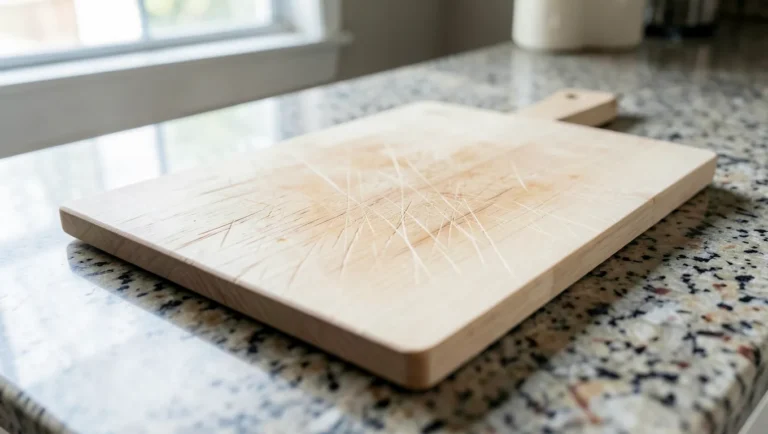
Face grain usually shows wear first because the knife travels across a broad face. That makes scars, hairline splits, and repeated chop marks easier to see under daily use. Edge grain hides wear better, although it still shows marks over time.
Weight and cost
Face grain is usually lighter and cheaper to make. Edge grain uses more board stock and more glue-up work, so it tends to cost more and weigh more. That extra mass can help stability on the counter, but it is a trade-off if you want a board you can move easily.
Is edge grain or face grain better for daily prep?
Edge grain is better for daily prep because it handles repeated chopping with less obvious wear and better resistance to scarring than face grain. Face grain can still work for light use, but under steady knife work it shows damage sooner and is more likely to feel like a short-term board rather than a long-term work surface.
Why edge grain handles everyday chopping better
Edge grain gives you a tougher working surface without the extra cost and complexity of end grain. Many makers consider hard maple a common cutting-board wood because it is a closed-grain hardwood. That hardness helps with dent resistance, though species alone does not solve moisture problems.
Where face grain starts to wear faster
Face grain starts to fall behind when the board sees frequent knife contact. The board may still look attractive at first because it shows figure and growth rings, but daily chopping quickly makes scarring more obvious. A common first-timer mistake is buying a face-grain board for weeknight meal prep and then treating it like a butcher block.
How knife use frequency changes the answer
If you cook once in a while, face grain can be enough for slicing bread, fruit, herbs, or cheese. If you chop vegetables every day, edge grain is often the safer bet. For heavy prep, face grain tends to become a cosmetic board faster than a work board.
What does end grain tell you about performance?
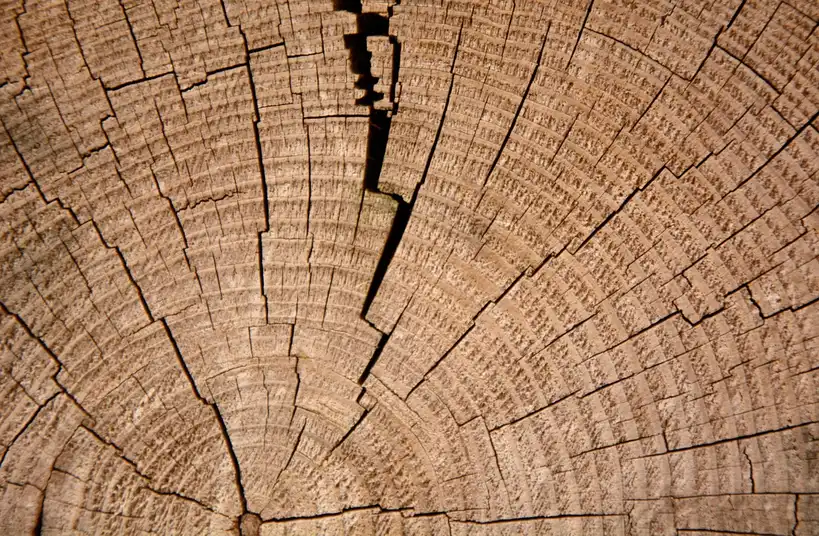
End grain shows the top of the performance scale: best knife-friendliness and the highest durability when the board is built and cared for properly. It is also the most labor-intensive style to make, which is why it often costs more than either edge grain or face grain.
End grain as the knife-friendliness benchmark
End grain is the benchmark because the knife passes between fiber ends instead of slicing across long fibers. That reduces visible cutting damage and can be easier on the knife edge. Edge grain comes next, and face grain sits last.
Why end grain usually costs more to make
End grain boards require more joinery work, more material, and usually more finishing steps. A router sled is commonly used to flatten an end grain board after glue-up because planers are not the preferred choice for that task. The extra labor is part of the price you pay for the performance.
When end grain is worth the extra labor
Choose end grain when the board will live on the counter, see daily chopping, and you want the longest service life possible. It is the right benchmark for serious prep, but it is not the automatic pick for a light-use kitchen or a tight budget. If the board will mostly serve food, that extra work is hard to justify.
Wood species, hardness, and moisture
Species matters, but it does not erase the orientation choice. Hard maple is a common cutting-board wood because it is tough and closed-grain, while black walnut is around 1010 lbf on the Janka scale and is often used for contrast accents or whole boards. Beech, cherry, and teak also show up often in board builds. (Wood-database)
How Janka hardness helps compare dent resistance
Janka hardness is useful for comparing how well a species resists dents and everyday abuse. Hard maple at about 1450 lbf is harder than black walnut at about 1010 lbf, so maple usually tolerates pounding and knife contact better. Hardness is only one piece of the choice, though, because board orientation and moisture still matter.
Why 6–8% moisture content matters indoors
Wood moisture content of about 6–8% is a practical indoor target for a cutting board. If moisture runs high, the board is more likely to swell, cup, or warp as indoor air changes through the year. That risk is especially important for wider boards and for face grain, where movement shows more easily.
Cutting board decision matrix
This second matrix turns the comparison into a buying rule. It is not about choosing the prettiest board first; it is about matching the board to how much chopping, serving, and upkeep you actually want to do.
| Kitchen type | Recommended orientation | Why this pick fits |
|---|---|---|
| Heavy home cooking | Edge Grain | Handles frequent prep better than face grain without jumping to the cost and labor of end grain. |
| Light prep and serving | Face Grain | Cheaper, lighter, and attractive enough when the board will see mostly bread, cheese, fruit, or plated service. |
| Budget builds | Face Grain | Uses less material and less glue-up work, so the board is easier to make at lower cost. |
| Lower-maintenance buyers | Edge Grain | Still needs oiling, but it tolerates daily use better and usually stays useful longer than face grain. |
Choose Edge Grain if… / Choose Face Grain if…
Choose edge grain if…
Choose edge grain if you chop often, want a daily workhorse, and would rather spend more once than replace a worn board sooner. It also fits you if you want a board that hides wear better than face grain while staying below end grain in cost and complexity.
Choose face grain if…
Choose face grain if the board will mostly serve food, handle light prep, or act as a lower-cost board where appearance matters more than wear resistance. It also makes sense if you want a lighter board and accept that visible scarring and replacement risk will arrive sooner under hard use.
Quick care rules for either choice
Hand wash both types. Dry them right away, keep them out of soaking water, and oil them regularly so the wood stays stable. If the board was made from wood that started too wet, no amount of care will fully cancel the movement risk.

Frequently asked questions
End grain vs face grain cutting board
End grain is the most knife-friendly and generally the most durable when cared for properly. Face grain is the least durable orientation and is better reserved for serving or light prep. If you want the best cutting surface, end grain wins; if you want lower cost and lighter weight, face grain can still make sense.
End grain vs edge grain vs face grain cutting board
End grain is the benchmark for knife-friendliness and long service life. Edge grain is the practical everyday choice because it balances wear resistance, cost, and weight better than face grain. Face grain is the budget and serving option, especially when you value appearance and lighter weight more than daily chopping performance.
Is edge grain or face grain better for cutting board?
Edge grain is better for cutting boards that will see regular prep work. Face grain is acceptable for light use, but it shows wear faster and is more vulnerable to scarring and visible damage. If your kitchen sees frequent knife work, edge grain is the safer long-term choice.
Which is better end grain or edge grain cutting boards?
End grain is better for pure performance because it is kinder to knives and usually holds up best under hard use. Edge grain is better when you want a simpler board that costs less and is easier to build. For most home cooks, edge grain is the more practical daily board.
Cutting board end grain vs edge grain
End grain offers the best knife feel and the most resistance to visible cutting damage. Edge grain is still durable, but it does not heal from knife contact the same way and usually costs less to make. Choose end grain for the toughest use; choose edge grain for a strong everyday board.
Are face grain cutting boards good?
Yes, face grain cutting boards are good when the board will be used lightly or mainly for serving. They are usually cheaper, lighter, and often more attractive because they show more figure and growth rings. They are not the right pick for heavy daily chopping, where faster scarring and visible wear become a real problem.
Sponsored / affiliate links. As an Amazon Associate I earn from qualifying purchases. I may earn additional commission from eligible campaigns.