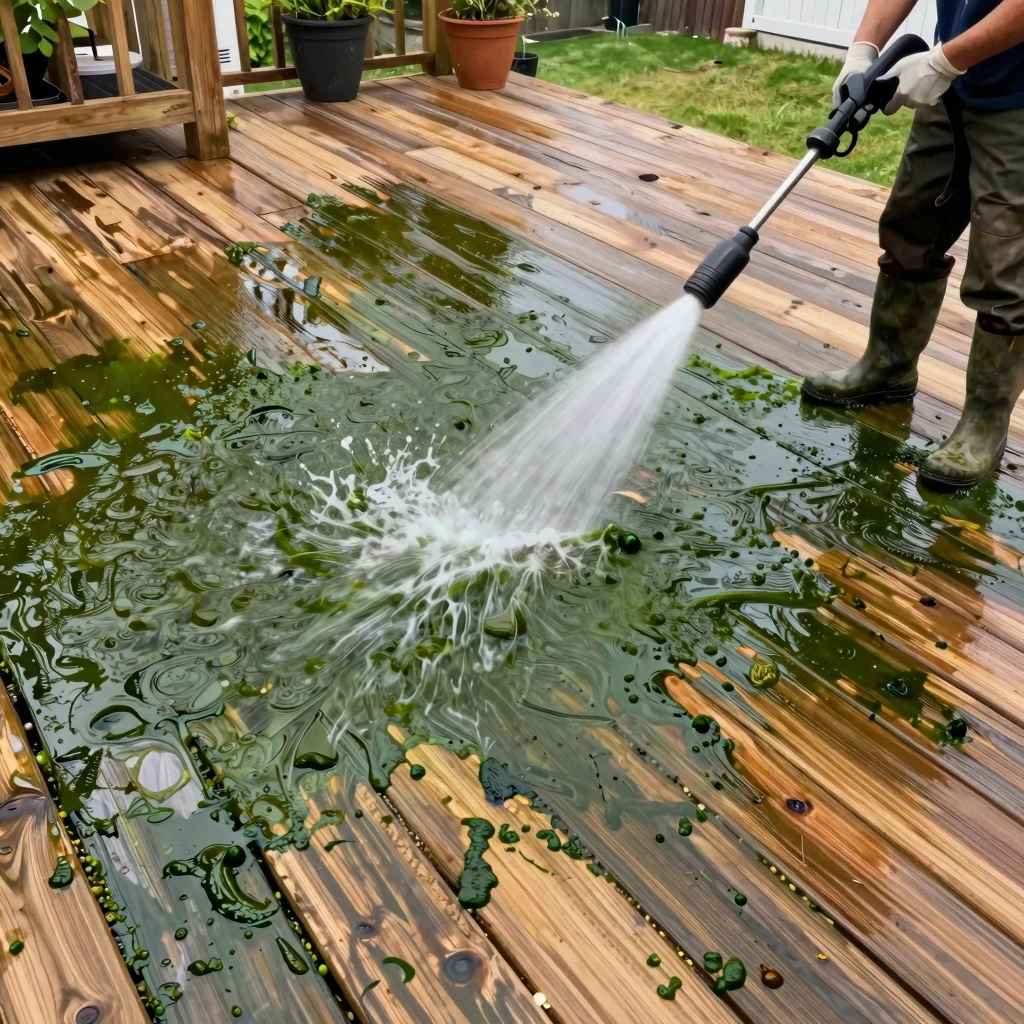
How to Clean Algae Off a Wood Deck Fast and Effectively
Cleaning algae from your wood deck can seem like a big task. For many people, especially those new to home maintenance, figuring out How to Clean Algae Off a Wood Deck Fast and Effectively can be a bit tricky. You might worry about damaging the wood or spending too much time scrubbing.
But don’t worry, it’s simpler than you think! We’ve put together a straightforward plan to get your deck looking great again. Get ready to learn the best way to tackle this common problem.
Why Algae Grows On Your Deck
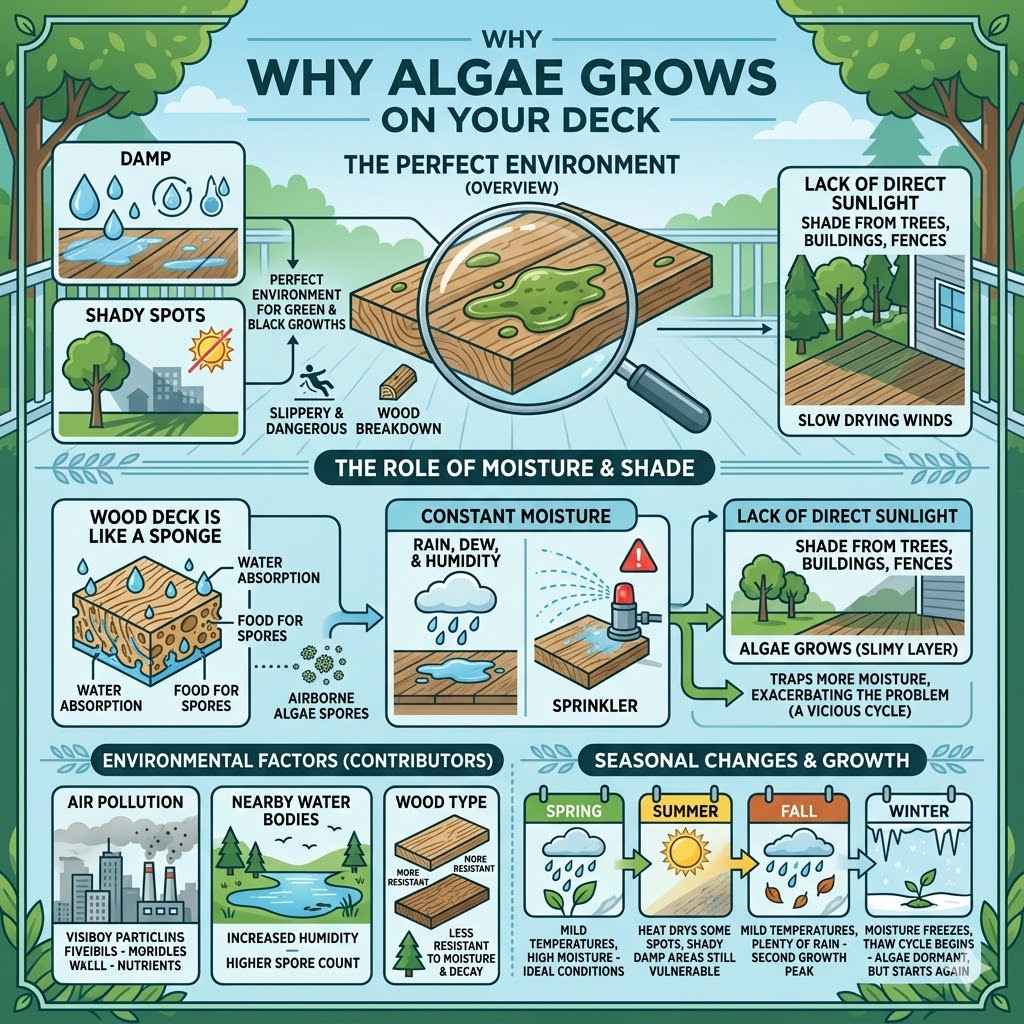
Algae loves damp, shady spots, and wood decks often provide just that. Over time, moisture and lack of direct sunlight create the perfect environment for these green or black growths to appear. This isn’t just about looks; algae can make your deck slippery and dangerous, and if left untreated, it can start to break down the wood itself.
Understanding why it grows helps us know the best ways to stop it from coming back. It’s a common issue for homeowners, especially in areas with a lot of rain or trees.
The Role of Moisture and Shade
Wood is a natural material, and like many natural things, it absorbs water. When your deck is constantly exposed to rain, dew, or even high humidity, it stays damp longer. This moisture is food for algae spores that are always present in the air.
Shade from trees, buildings, or fences also plays a big part. Without the sun’s drying power, the wood stays wet, giving algae a much longer window to grow. This is why decks on the north side of houses or those surrounded by dense foliage are more prone to this problem.
Even sprinklers that hit your deck can contribute to the problem.
Think of your deck like a sponge. When it’s wet, it gets heavier and can start to sag over time. Algae, on the other hand, thrives in this wetness.
It clings to the wood surface, creating a slimy layer. This layer traps even more moisture, making the problem worse. It’s a cycle that can lead to real damage if not broken.
Even small amounts of shade can make a difference in how quickly your deck dries after a rain shower.
Environmental Factors Contributing to Algae Growth
Beyond just moisture and shade, other environmental factors can speed up algae growth. Things like air pollution can sometimes contain nutrients that algae can use. Nearby bodies of water, like ponds or lakes, can also increase humidity and the presence of algae spores in the air.
The type of wood your deck is made from can also make a difference. Some woods are naturally more resistant to moisture and decay, while others might be more inviting to algae. On pressure-treated lumber specifically, a green tint isn’t always algae–the copper in the wood’s preservative can cause the same green color, and it fades on its own as the wood weathers.
The seasonal changes also matter. In the spring and fall, temperatures are often mild and there’s plenty of rain, creating ideal growing conditions. Summer heat can sometimes dry things out, but if there are still shady, damp spots, algae can persist.
Winter can freeze the moisture, but when it thaws, the cycle starts again. Being aware of these factors helps you predict when your deck might need extra attention.Right Cleaning Solutions
When it comes to cleaning algae, you have several options. Some are more natural, while others use stronger chemicals. The best choice depends on how bad the algae is, the type of wood you have, and what you’re comfortable using.
It’s always a good idea to test any cleaner on a small, hidden spot first to make sure it doesn’t discolor or damage your deck.
Natural and Eco-Friendly Cleaners
Many people prefer to use natural cleaners because they are better for the environment and safer for pets and plants. White vinegar is a popular choice. Its acidity helps to kill algae and mold.
You can mix it with water, often in a 1:1 ratio, and spray it on the affected areas. After letting it sit for a while, you can scrub and rinse. Baking soda is another option.
It’s a mild abrasive that can help lift algae and grime when mixed with water to form a paste.
For tougher jobs, a diluted solution of hydrogen peroxide can also be effective. It works as a mild bleaching agent and disinfectant, killing algae without the harsh fumes of bleach. Always remember to wear gloves and eye protection, even with natural cleaners, just to be safe.
Rinse thoroughly after cleaning to remove any residue. Using a soft-bristled brush is key to avoid scratching the wood surface.
A 1:1 mixture of white vinegar and water is a great starting point. You can apply this with a garden sprayer. Let it soak for about 30 minutes.
Then, scrub with a deck brush and rinse with a hose. If the algae is really stubborn, you might need to repeat the process or try a stronger solution. Some people add a little dish soap to the vinegar mixture to help lift grease and dirt.
Commercial Deck Cleaners
There are many commercial cleaners specifically designed for decks. These often come in liquid or powder form and are formulated to tackle algae, mold, and mildew. Some are oxygen-based, which are generally safer for plants and the environment, while others use stronger chemicals like sodium hypochlorite (bleach).
It’s important to read the labels carefully to understand what you’re using and how to apply it safely.
When choosing a commercial cleaner, look for one that is labeled as safe for Outdoor Space” href=”https://woodworkingadvisor.com/wood-deck-deck-railing-ideas/” target=”_blank” rel=”noopener” data-wpil-monitor-id=”19968″>wood decks. Avoid harsh chemicals that could strip the wood’s finish or damage its fibers. Always follow the manufacturer’s instructions for mixing and application.
Proper ventilation is crucial when using any commercial cleaner, especially those with strong fumes. Wear protective gear like gloves, eye protection, and even a mask if recommended.
One common type of commercial cleaner is an oxygen bleach cleaner. These use sodium percarbonate, which breaks down into hydrogen peroxide and sodium carbonate in water. They are effective at lifting stains and killing organic growth.
They are usually safe for most deck materials. Many users find these to be a good balance between effectiveness and environmental impact. Always check the product to ensure it’s suitable for your specific wood type.
Bleach vs. Other Oxidizers
While chlorine bleach (sodium hypochlorite) can kill algae, it’s a strong chemical. It can strip the natural color from your wood, making it look faded or bleached out. It can also damage wood fibers over time and is harmful to plants and pets.
For this reason, many experts recommend using it only as a last resort or in very diluted forms.
Oxygen-based cleaners, like those with sodium percarbonate, are generally a better alternative. They work by releasing oxygen when mixed with water, which helps to break down and lift algae and stains. They are less likely to damage the wood’s color or structure.
They are also much safer for surrounding vegetation and aquatic life if they get washed into the environment. This makes them a preferred choice for many homeowners.
One study found that oxygen bleach solutions could remove up to 90% of algae stains within 24 hours when applied correctly. Chlorine bleach, while faster for some tough stains, came with a higher risk of wood damage and discoloration. The key is to use the right tool for the job, prioritizing wood health and environmental safety.
Step-by-Step Guide to Cleaning Algae Off Your Deck
Getting rid of that green slime from your deck doesn’t have to be complicated. By following a few simple steps, you can achieve a clean and safe surface. Preparation is key, and the right tools will make the job much easier.
Let’s walk through the process so you can get your deck looking like new.
Step 1 Preparation and Safety
Before you start cleaning, you need to prepare the area. Clear off all furniture, planters, and grills from the deck. This ensures you can access every inch of the surface.
If you have plants close to the deck, cover them with plastic sheeting or move them away. This protects them from any cleaning solutions that might splash or run off.
Safety gear is also very important. You should wear rubber gloves to protect your skin from the cleaning solutions and the algae itself. Eye protection, like safety goggles, is a must to prevent splashes from getting into your eyes.
If you are using a stronger commercial cleaner, consider wearing a mask to avoid inhaling fumes. Make sure your deck is free of tripping hazards, like loose boards or debris.
It is also wise to check the weather forecast. You don’t want to start cleaning if rain is expected soon, as it will wash away your cleaning solution before it has time to work. A clear, dry day is ideal for deck cleaning.
Also, make sure you have a way to rinse the deck thoroughly afterward, like a garden hose with good water pressure.
Step 2 Applying the Cleaning Solution
Once your deck is prepped and you have your safety gear on, it’s time to apply the cleaner. If you’re using a vinegar and water solution, you can mix it in a garden sprayer or a bucket. For commercial cleaners, follow the dilution instructions on the product label carefully.
You want a solution that is effective but not so concentrated that it damages the wood.
Start by applying the cleaner to a small section of the deck. Work from one end to the other, covering the entire surface evenly. Make sure to get into any cracks or grooves where algae might be hiding.
Don’t let the cleaner dry on the surface. If you are working on a large deck, you might need to work in sections, applying the cleaner to one area at a time.
For tougher patches of algae, you might want to let the cleaner sit for a bit longer. Most cleaners need about 10-20 minutes to break down the algae. However, always check the product’s instructions.
Some cleaners work faster, while others require more dwell time. Avoid letting the solution dry completely on the wood, as this can lead to streaks or uneven cleaning.
Step 3 Scrubbing the Deck
After the cleaner has had time to work, it’s time for the scrubbing. Use a stiff-bristled deck brush or a broom with firm bristles. Scrub in the direction of the wood grain.
This helps to lift the algae and dirt without damaging the wood. Apply firm, consistent pressure. For stubborn spots, you might need to scrub a bit harder or apply more cleaner.
If you are using a pressure washer, use it on a low setting and hold it at a safe distance from the wood. High pressure can damage the wood fibers and cause splintering. It’s often better to rely on manual scrubbing for a more controlled clean.
A good scrub brush is usually enough to dislodge most algae growth. Ensure you cover every area of the deck.
The scrubbing step is crucial for removing the loosened algae. Don’t skip this part. Even the best cleaners need some help from elbow grease.
Pay special attention to areas where the algae is thickest. You should see the green or black slime starting to lift away from the wood as you scrub. Work systematically across the deck so you don’t miss any spots.
Step 4 Rinsing and Drying
Once you’ve scrubbed the entire deck, it’s time to rinse it thoroughly. Use a garden hose to wash away all the cleaner and loosened algae. Start at the highest point of the deck and work your way down.
Make sure to rinse away all traces of the cleaning solution. Residue left on the deck can attract dirt or even damage the wood over time.
Rinse until the water runs clear. This ensures that all the cleaning agents are gone. If you used a commercial cleaner, make sure you follow any specific rinsing instructions on the label.
Some cleaners require a specific type of rinse or a neutralizing solution. Proper rinsing is key to a clean finish. It also helps to prevent water spots from forming as the deck dries.
Allow the deck to air dry completely. This might take several hours, depending on the weather. Avoid walking on the deck or placing furniture back until it is fully dry.
This allows the wood to breathe and prevents new algae from taking hold. Once dry, you can assess the results and see if any touch-ups are needed. A clean, dry deck is a happy deck!
Preventing Algae from Returning
Keeping your deck clean isn’t just about the initial cleaning; it’s also about preventing algae from coming back. A little bit of regular maintenance can go a long way in keeping your deck looking great and preventing future problems. Thinking ahead will save you a lot of scrubbing later on.
Regular Cleaning and Maintenance
The best defense against algae is a good offense. Sweeping your deck regularly to remove leaves, dirt, and debris will help. These organic materials can trap moisture and provide a food source for algae.
Wiping up spills promptly also makes a difference. Even a simple rinse with the hose every few weeks can help wash away potential algae spores.
You can also consider applying a deck sealant or stain. These products create a protective barrier on the wood surface. This barrier helps to repel water and make it harder for algae and mold to take root.
Look for products that offer UV protection as well, as the sun’s rays can also degrade wood over time and make it more susceptible to growth.
When you do a more thorough cleaning, aim to do it at least once a year, preferably in the spring. This will remove any algae that has started to grow over the winter and prepare your deck for the warmer months. Regular cleaning prevents the algae from becoming deeply embedded in the wood, making it much easier to remove.
Improving Airflow and Sunlight
One of the main reasons algae grows is due to poor air circulation and lack of sunlight. If you have trees or bushes that are overhanging your deck and causing excessive shade, consider trimming them back. Even a little more sunlight and airflow can make a significant difference in keeping the wood dry and preventing algae growth.
Make sure that there are no obstructions around your deck that block air. For example, if your deck is enclosed by railings and planters, try to keep the area clear. Good airflow helps the wood dry out faster after rain or dew.
This is a simple yet effective way to make your deck less hospitable to algae. Think about how water pools on the deck and try to eliminate those areas.
Sometimes, the issue might be with surrounding structures. If a wall or fence is constantly blocking the sun and trapping moisture, you might need to look at ways to improve ventilation in that area. Simple changes to your landscaping can have a big impact on the health of your deck.
This proactive approach saves you a lot of effort down the line.
Using Protective Sealants and Stains
Applying a high-quality deck sealant or stain is one of the most effective ways to prevent algae growth. These products create a barrier on the wood that repels water, preventing it from soaking into the fibers. Many sealants also contain mildewcides and algaecides, which actively inhibit the growth of these organisms.
When choosing a sealant or stain, look for one that is specifically designed for your type of wood and outdoor use. There are water-based and oil-based options. Water-based sealants are generally easier to clean up and have lower VOCs (volatile organic compounds), while oil-based stains can penetrate deeper into the wood for longer-lasting protection.
Always follow the manufacturer’s recommendations for application and reapplication schedules.
The effectiveness of a sealant can be seen in water beading tests. If water beads up on the surface, the sealant is working well. If it soaks in, it’s time to reapply.
Proper application, including cleaning and prepping the deck before sealing, is crucial for the sealant to perform at its best. This protective layer also enhances the beauty of your wood.
Tools and Materials You’ll Need
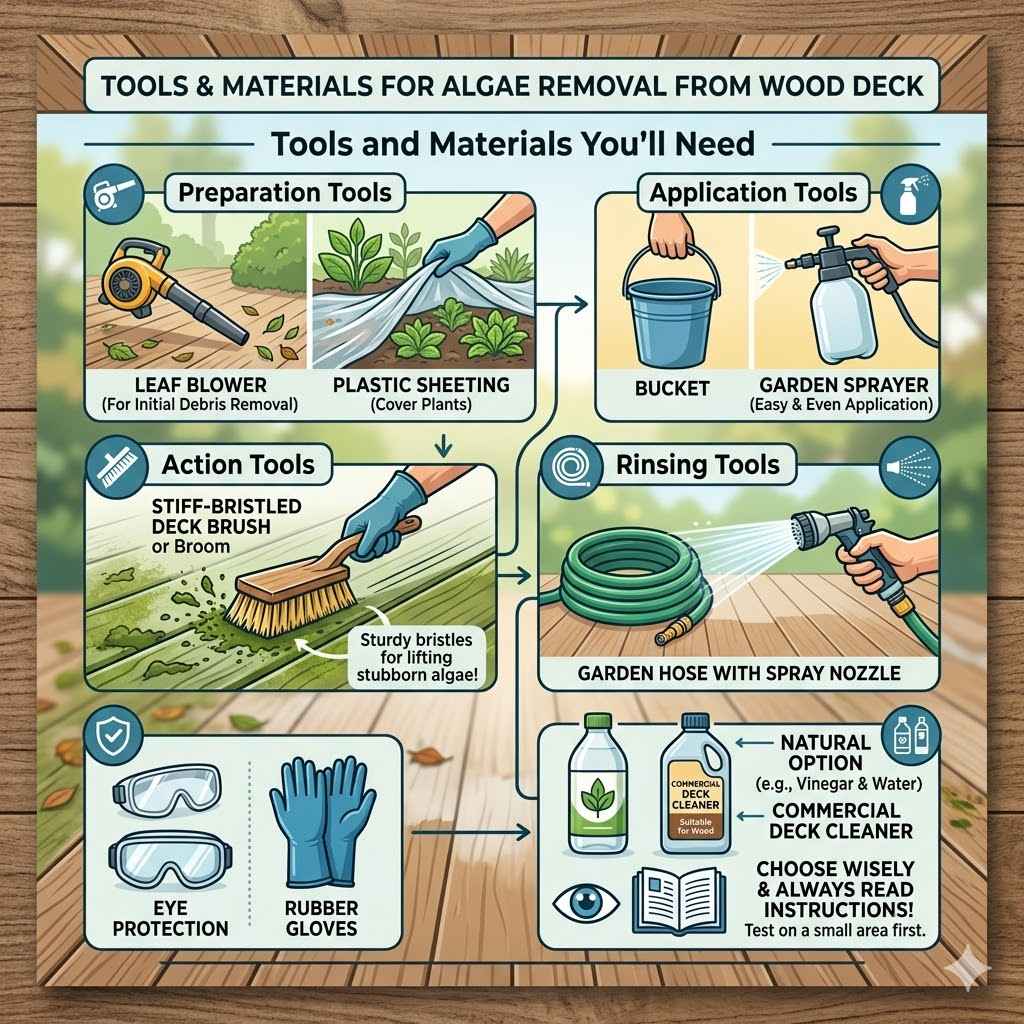
Gathering the right tools and materials before you start makes the job of cleaning algae from your wood deck much smoother. Having everything ready will help you work efficiently and effectively. Let’s look at what you’ll need to get the job done right.
- Garden hose with a spray nozzle
- Stiff-bristled deck brush or broom
- Bucket
- Rubber gloves
- Eye protection (safety goggles)
- Optional: Garden sprayer for solutions
- Optional: Plastic sheeting for covering plants
- Optional: Leaf blower for initial debris removal
These items are relatively inexpensive and can be found at most hardware or home improvement stores. Having a good scrubbing brush with sturdy bristles is especially important for lifting stubborn algae. The garden sprayer makes applying solutions easy and even.
The choice of cleaning solution is also a key material. Whether you go with a natural option like vinegar and water or a commercial deck cleaner, make sure it’s suitable for wood. Always read the product instructions carefully before use.
Testing on a small area first is always a good practice.
Frequently Asked Questions
Question: How often should I clean algae off my wood deck
Answer: You should aim to clean algae off your wood deck at least once a year, ideally in the spring. More frequent sweeping and rinsing can prevent buildup.
Question: Can I use a pressure washer to clean algae
Answer: Yes, but use it on a low setting and keep it at a safe distance to avoid damaging the wood. Manual scrubbing is often a safer alternative for effective algae removal.
Question: Will cleaning algae damage my wood deck
Answer: If you use harsh chemicals or excessive pressure, you could damage the wood. Using gentle cleaners and following instructions carefully will prevent damage.
Question: What is the best natural cleaner for deck algae
Answer: A mixture of white vinegar and water (1:1 ratio) is a very effective natural cleaner for deck algae.
Question: How can I tell if my deck sealant is still working
Answer: Water should bead up on the surface of a well-sealed deck. If water soaks into the wood, it’s time to reapply sealant.
Conclusion
Effectively cleaning algae from your wood deck involves simple steps and the right approach. By choosing appropriate cleaners, preparing your area, scrubbing thoroughly, and rinsing well, you can restore your deck’s look. Regular maintenance and preventative measures like sealing will keep algae at bay, ensuring a safe and beautiful outdoor space.
Sponsored / affiliate links. As an Amazon Associate I earn from qualifying purchases. I may earn additional commission from eligible campaigns.