
How to Clean Teak Wood: Genius Results
Effortlessly clean teak wood furniture for amazing results! This guide provides simple, safe steps using common household items to restore its natural beauty and protect its longevity. Get ready to make your teak shine like new with basic cleaning techniques suitable for any beginner.
Teak wood furniture is a fantastic addition to any home, whether it’s gracing your patio or adding warmth to your living spaces. Its natural oils give it a beautiful golden hue and make it wonderfully durable. However, over time, teak can lose its luster, accumulate dirt, and even develop a grayish patina. Many homeowners worry about damaging this beautiful wood when it comes time for a good clean. You might feel a bit hesitant, wondering if you need special tools or expert skills.
Don’t let that stop you! Restoring your teak to its former glory is easier than you think. This guide will walk you through each step, ensuring you get brilliant results safely and confidently. We’ll cover everything from basic dusting to tackling tougher stains, so your teak wood can look its absolute best.
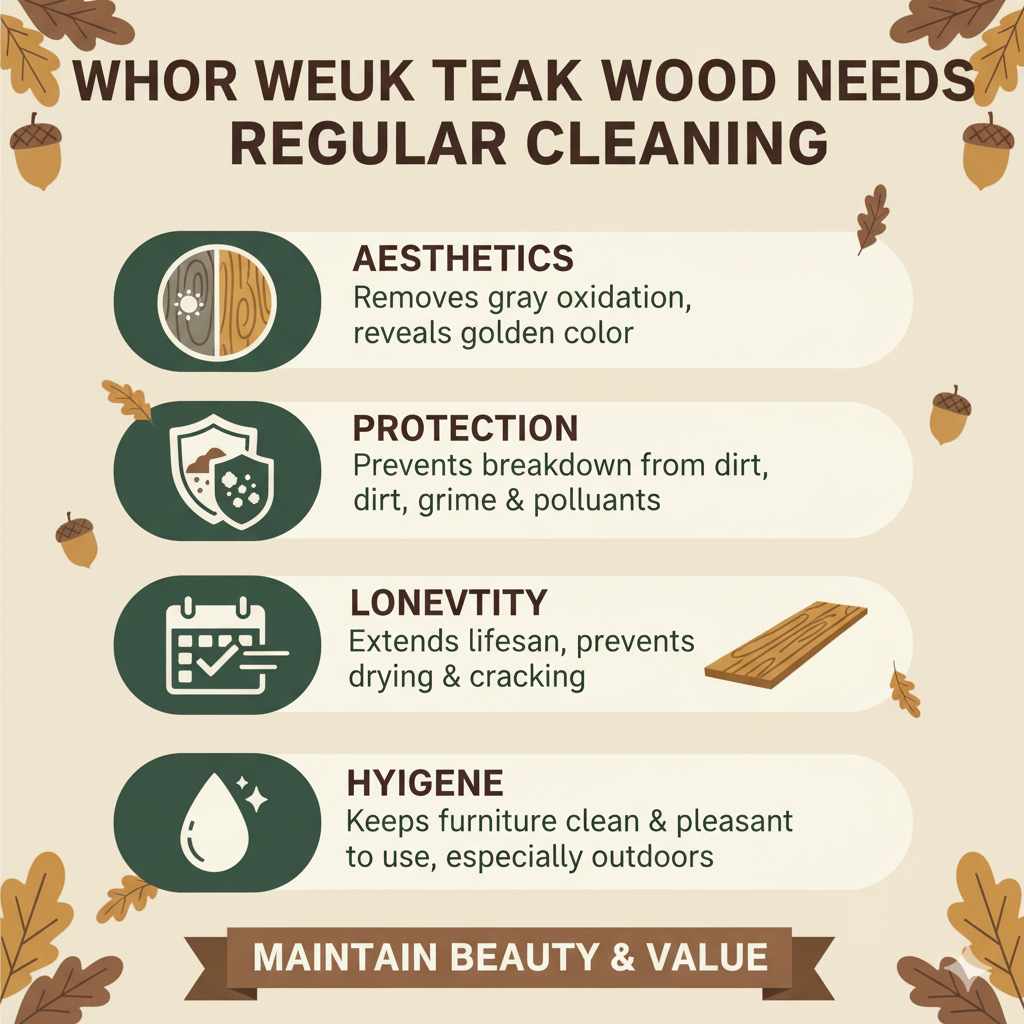
Why Your Teak Wood Needs Regular Cleaning
Teak wood is renowned for its durability and natural resistance to decay, thanks to its high oil content. This makes it a popular choice for both indoor and outdoor furniture. However, even this robust wood isn’t immune to the effects of time, weather, and everyday use. Regular cleaning is crucial for several reasons:
- Aesthetics: Over time, teak can develop a dull, grayish appearance. This is a natural process called oxidation, where the wood’s surface reacts with sunlight and air. Regular cleaning helps to remove this layer and reveal the beautiful golden-brown color of the teak underneath.
- Protection: Dirt, grime, mildew, and other environmental pollutants can accumulate on the surface of your teak furniture. If left unaddressed, these can start to break down the wood fibers, leading to premature aging and potential damage.
- Longevity: By keeping your teak furniture clean and well-maintained, you significantly extend its lifespan. Proper care prevents the wood from drying out, cracking, or becoming susceptible to pests and rot, ensuring your investment lasts for many years.
- Hygiene: Especially for outdoor furniture that’s exposed to the elements, dirt and mildew can accumulate. Cleaning ensures your furniture remains hygienic and pleasant to use.
Understanding Different Teak Finishes
Before you grab any cleaning supplies, it’s important to know that teak wood can come with different finishes. The cleaning method you choose might need slight adjustments based on how your furniture was treated. Here are the most common finishes:
| Finish Type | Appearance | Maintenance Notes |
|---|---|---|
| Unfinished (Natural) | Silvery-gray patina after exposure to elements; rich golden-brown when new or cleaned. | Easiest to clean and restore. The gray patina is natural and not harmful. |
| Oiled/Sealed | Maintains a warm, rich, golden-brown hue. May have a slight sheen. | Requires regular re-oiling to maintain color and water resistance. Cleaning should be gentle to avoid stripping the oil. |
| Painted/Stained | Color applied to the wood surface. | Clean like any other painted or stained furniture. Avoid harsh scrubbing that could chip the finish. Repairs may involve repainting or restaining. |
For this guide, we’ll primarily focus on cleaning unfinished and oiled teak, as these are the most common types for furniture where cleaning and restoration are key concerns. If your teak is painted or stained, always check the manufacturer’s recommendations.
Essential Supplies for Cleaning Teak Wood
The great news is that you likely have most of the necessary cleaning supplies already in your home. You don’t need fancy, expensive products to achieve fantastic results. Here’s what you’ll need:
- Soft Brushes or Sponges: For general cleaning and applying solutions. A soft-bristled scrub brush or a non-abrasive sponge works wonders.
- Clean Cloths: Microfiber cloths are excellent for drying and buffing. Old, soft cotton rags work well too.
- Bucket(s): You’ll need at least one for your cleaning solution and another for rinsing.
- Mild Soap: A gentle dish soap (like Dawn) or a dedicated teak cleaner is ideal. Avoid harsh detergents or abrasive cleaners.
- Water: Fresh, clean water for mixing solutions and rinsing.
- Optional: White Vinegar or Lemon Juice: For tackling tougher stains or mildew. Dilute with water.
- Optional: Teak Sealer or Oil: To re-apply after cleaning if desired, to restore sheen and protection.
- Optional: Sandpaper (fine-grit, 120-220 grit): For removing stubborn stains or deep-set graying. Use with caution.
Safety first! Always work in a well-ventilated area, especially if using any specific teak cleaners or sealers. Wear gloves to protect your hands, particularly if you have sensitive skin.
The Simple, Step-by-Step Guide to Cleaning Teak Wood
Cleaning teak wood is a straightforward process. Follow these steps to bring back its natural beauty:
Step 1: Prepare Your Workspace and Furniture
First, move your teak furniture to a suitable area. If it’s outdoor furniture that’s heavily soiled, hosing it down with plain water can remove loose dirt and debris. For indoor furniture, lay down drop cloths to protect your flooring from any drips.
Clear any items off the furniture. Give it a quick dusting or brush to remove any surface debris. This prevents you from just pushing dust around when you start wet cleaning.
Step 2: Mix Your Cleaning Solution
The best cleaning solution for teak is usually a mild one. For general cleaning, mix a few drops of mild dish soap with a gallon of warm water in a bucket. This is gentle enough not to strip away the wood’s natural oils.
If you notice mildew or tougher grime, you can opt for a more potent, yet still DIY-friendly, solution. Mix equal parts of white vinegar and water. Vinegar is a natural disinfectant and can help lift stains and combat mildew effectively. Alternatively, some specialized teak cleaners are available, which are formulated specifically for the wood.
Step 3: Gentle Scrubbing
Dampen a soft cloth or sponge with your cleaning solution. Gently scrub the surface of the teak wood. Work in the direction of the wood grain for best results. Don’t oversaturate the wood; a damp surface is all you need.
For areas with more stubborn dirt or a noticeable gray patina, you can use a soft-bristled scrub brush. Apply moderate pressure and scrub along the grain. Avoid abrasive scrubbing pads or stiff brushes, as these can scratch and damage the wood’s surface.
Step 4: Rinsing Thoroughly
Once you’ve scrubbed the entire piece, it’s time to rinse off the soap or solution. Use a clean cloth or sponge dampened only with fresh water. Wipe down all the surfaces you cleaned, making sure to remove all soap residue. Repeat this rinsing step a couple of times to ensure no soap is left behind, as leftover soap can leave a dull film.
If you’re cleaning outdoor furniture, a gentle rinse with a hose is usually sufficient. Again, avoid high pressure, which can damage the wood.
Step 5: Drying the Teak Wood
After rinsing, it’s crucial to let the teak dry completely. Use clean, dry cloths (microfiber works great) to wipe down the surfaces and absorb as much moisture as possible. Then, let the furniture air dry in a well-ventilated area. Avoid placing it in direct, harsh sunlight while it’s still wet, as this can sometimes lead to cracking.
Ensure all crevices and joints are dry. Trapped moisture over time can lead to issues like mold or rot, even in teak.
Tackling Stubborn Stains and Deeper Issues
Sometimes, general cleaning isn’t enough. If you encounter stubborn stains, mildew, or deep-set graying, you might need to step up your approach. Remember to always test any new cleaning method on an inconspicuous area first.
Dealing with Mildew and Stubborn Grime
As mentioned, a mixture of equal parts white vinegar and water is excellent for mildew. Apply with a cloth or soft brush, let it sit for a few minutes, and then scrub gently. Always rinse thoroughly afterward.
For very tough stains, you might consider a specialized teak cleaner. Always follow the product instructions carefully. Some cleaners contain oxalic acid, which is effective at removing stains and restoring the wood’s color. Ensure good ventilation and wear gloves when using these products.
Dealing with Deep Graying and Scratches
If the wood has become deeply grayed, or if there are minor scratches you want to address, gentle sanding can be an option. Always use very fine-grit sandpaper (120-220 grit). Sand lightly in the direction of the wood grain.
The goal is to remove the grayed surface layer or smooth out scratches without removing too much material. After sanding, always wipe away the dust and then proceed with cleaning and possibly re-oiling.
It’s important to note that sanding should be a last resort, as it removes a layer of wood. For deep scratches or damage, professional repair might be a better option.
Restoring and Protecting Your Cleaned Teak
Once your teak wood is completely clean and dry, you have a choice: leave it to naturally weather to its silver-gray patina, or restore its warm, golden-brown color and add a protective layer.
Option 1: Leaving it Natural
Unfinished teak will gradually turn a beautiful, silvery-gray when exposed to sunlight and the elements. This patina is a mark of its natural aging and doesn’t harm the wood. If you prefer this look, simply let your cleaned furniture dry and it will continue to age gracefully.
Option 2: Re-oiling or Sealing
To restore the rich, honey-brown color and provide protection against moisture and UV rays, you can apply a teak oil or sealer. This is especially recommended for indoor furniture or for outdoor furniture you want to protect from harsh weather.
How to Re-oil Teak:
- Ensure the wood is completely dry and clean. Any dirt or moisture trapped under the oil will cause problems.
- Choose a quality teak oil or sealer. Look for products specifically designed for teak. Tung oil or linseed oil can also be used for a natural finish.
- Apply the oil/sealer sparingly. Use a clean, lint-free cloth or a brush. Apply a thin, even coat in the direction of the wood grain.
- Let it penetrate. Allow the oil to soak into the wood for about 15-30 minutes.
- Wipe off excess. Use a clean, dry cloth to wipe away any unabsorbed oil. Leaving excess oil on the surface can result in a sticky finish.
- Apply a second coat (optional). For deeper color and better protection, you can apply a second thin coat after the first is wiped off, following the same steps.
- Allow to cure. Let the oil cure completely according to the product’s instructions before using the furniture. This usually takes 24-48 hours.
Re-oiling typically needs to be done once or twice a year, or as needed, depending on the furniture’s exposure to the elements. You can tell it’s time when water no longer beads up on the surface but instead soaks in.
Maintenance Table for Teak Furniture
Here’s a quick reference guide to help you keep your teak furniture looking its best throughout the year.
| Frequency | Task | Notes |
|---|---|---|
| Weekly/Bi-weekly | Dusting/Wipe Down | Use a soft, dry cloth to remove surface dust and light dirt. |
| Monthly (or as needed) | General Cleaning | Wash with mild soap and water, rinse, and dry. |
| Annually (or as needed) | Deep Cleaning & Mildew Treatment | Use vinegar solution for mildew. Address tougher stains. |
| Annually (or as needed) | Sanding (light) | Only for stubborn graying or minor scratches. Use fine-grit sandpaper. |
| Annually (or as needed) | Re-oiling/Sealing | Restore color and protection. Check water beading. |
Regular attention will prevent major issues and keep your teak furniture beautiful for decades. For more detailed information on wood finishes, you can check out resources from university extension offices, such as those provided by the Wood Heat Organization, which often offers practical advice on wood care.
Safety Tips for Cleaning Teak
Working with wood and cleaning products always involves a few safety considerations. Here are some tips to keep you safe:
- Ventilation: Always work in a well-ventilated area, especially when using stronger cleaners or sealers. Open doors and windows.
- Gloves: Wear rubber or latex gloves to protect your skin from cleaning solutions and to prevent oily hands when working with teak oil.
- Eye Protection: Consider wearing safety glasses if there’s a risk of splashing cleaning solutions.
- Test First: Always test any cleaning solution or sanding technique on a discreet area before applying it to the entire piece.
- Read Labels: If using commercial teak cleaners or sealers, read and follow the manufacturer’s instructions and warnings carefully.
- Avoid Harsh Chemicals: Never use bleach, ammonia, or abrasive cleaners on teak. They can damage the wood fibers and its natural oils.
By being mindful of these safety precautions, your teak cleaning project will be a pleasant and successful experience.

Frequently Asked Questions about Cleaning Teak Wood
Q1: How often should I clean my teak furniture?
A1: For general maintenance, dust or wipe down your teak furniture weekly or bi-weekly. Make a more thorough cleaning with mild soap and water every month or so, or whenever it looks visibly dirty. Re-oiling or sealing is typically needed once or twice a year, depending on its location and exposure.
Q2: Can I use pressure a washer on teak furniture?
A2: It’s generally not recommended to use a pressure washer on teak furniture. The high pressure can force water into the wood, potentially causing damage, raising the grain excessively, or even stripping away the wood fibers and its natural oils, especially on older or less robust pieces.
Q3: My teak table has white spots. How do I get rid of them?
A3: White spots on teak are often signs of mold or mildew, or sometimes mineral deposits from water. Try cleaning the area with a solution of equal parts white vinegar and water. Apply with a soft cloth, let it sit for a few minutes, gently scrub along the grain, and then rinse thoroughly and dry.
Q4: I want my teak to stay brown, not turn gray. What should I do?
A4: To prevent teak from turning gray, you need to clean it regularly and then apply a good quality teak sealer or oil. This not only restores its golden-brown color but also provides a protective barrier against the UV rays that cause oxidation and graying. Reapply the oil/sealer as needed.
Q5: Can I use bleach on my teak furniture?
A5: No, you should avoid using bleach on teak furniture. Bleach is a harsh chemical that can strip the wood of its natural oils, dry it out, and potentially damage its fibers. It can also lead to uneven coloring and a weakened surface. Stick to milder solutions like soap and water or vinegar.
Q6: What’s the difference between teak oil and teak sealer?
A6: Teak oil typically penetrates the wood to nourish and condition it, bringing out a rich, deep color. It often needs to be reapplied more frequently. A teak sealer usually sits more on the surface, creating a protective film that shields the wood from moisture and UV damage, often with a slightly more matte or satin finish. Both help maintain the wood’s appearance and durability.