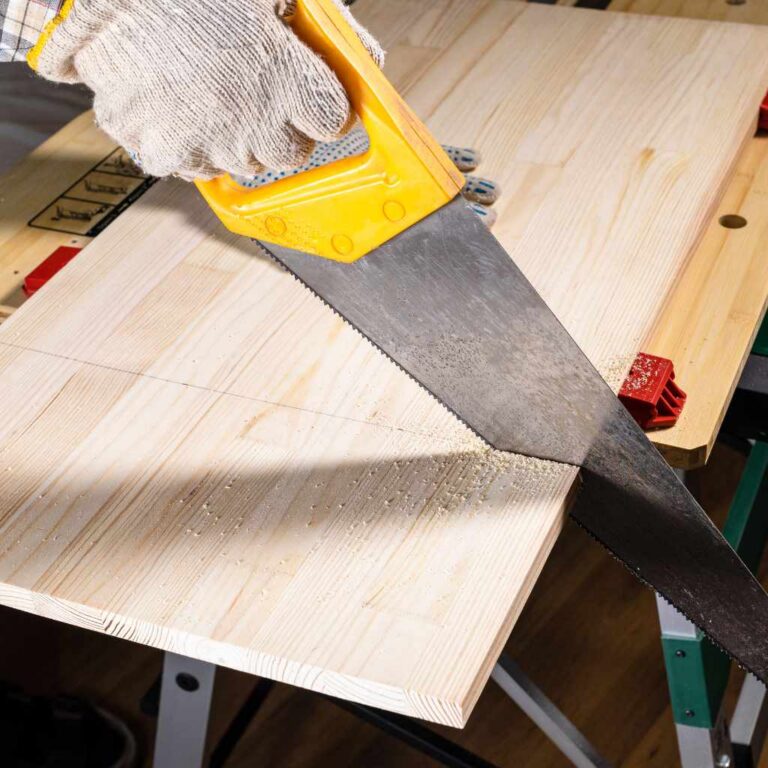
Best Cutting Board Wax for Sealing (2026): based on reviews
Best cutting board wax for sealing: WALRUS OIL Wood Wax is the best starting point for most home cooks because it gives you a food-safe wax finish in a simple board cream format, which works best after the board has already been conditioned with oil.
Quick comparison
| Product | Badge | Best for | Price | ||
|---|---|---|---|---|---|
 |
Howard Products Butcher Block Conditioner and Food GradeHOWARD | Our pick | 12 Fl Oz mineral oil and wax blend | $9.98
Price as of 12 Oct 2026
|
View |
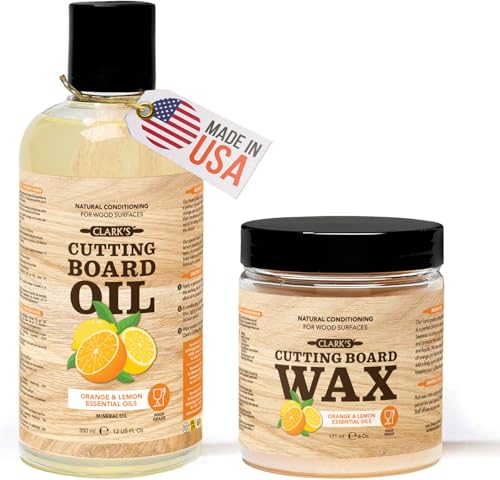 |
CLARK’S Cutting Board Oil & Wax Kit, Orange Lemon Scent,CLARK’S | Also great | Orange Lemon Scent 2 Pack | $29.99
Price as of 12 Oct 2026
|
View |
 |
WALRUS OIL – Wood Wax, 3 oz Can, FDA Food-Safe, CuttingWalrus Oil | Budget pick | 3 oz Can board cream | $14.99
Price as of 12 Oct 2026
|
View |
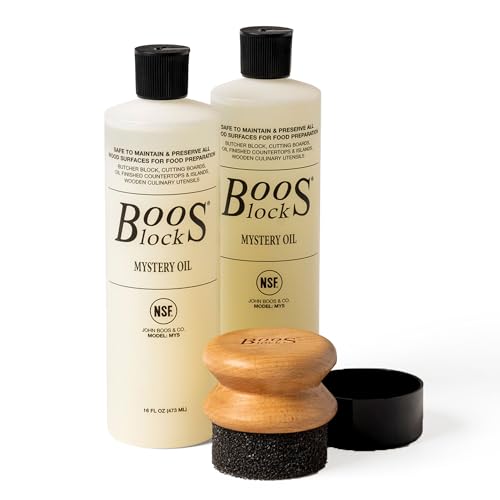 |
John Boos Block 32 fl oz Mystery Oil & Applicator WoodenJohn Boos | Upgrade pick | 32 fl oz care set with applicator | $48.01
Price as of 12 Oct 2026
|
View |
 |
Wood Butter Cutting Board Wax – 8 fl oz – Conditioner forMacy’s Place | Pair with it | 8 fl oz wood butter conditioner | $13.95
Price as of 12 Oct 2026
|
View |
Use the comparison table to match the format to the board’s condition, not just the ingredient list. Wax is the last moisture barrier; oil is the step that feeds dry wood first.
For boards that get washed often, pick a blend with clear food-contact safe labeling and a texture you can buff off cleanly.
📊 Walrus Oil’s oil-and-wax set is 100% food-contact safe. Source: Beacleaner.
How we chose
We compared products on five points: whether they are labeled for food contact, the oil-to-wax balance, ease of application, fit for boards or butcher blocks, and whether the maintenance step is clear enough to repeat on a regular schedule.
We also favored formulas that name their ingredients plainly. Food-grade mineral oil, beeswax, and carnauba wax should be easy to spot on the label.
That matters because the wrong product can leave sticky buildup or a cloudy film. A good wax should help water bead and run off, not leave a slick layer that never sets well.

WALRUS OIL Wood Wax: best for most wooden boards

This is the safest default for most home cooks because it sits in the board-cream category: easy to spread, easy to buff, and built around a food-safe wax finish. It is a strong fit for a board that already has oil in the wood but still needs a surface barrier.
Based on the spec sheet, Walrus Oil Wood Wax is described as FDA food-safe, which is the kind of wording you want on a kitchen product. It is especially useful for routine sealing after cleaning and drying.
The drawback is simple: a wax cream alone is not the right first step for a thirsty board. If the board looks pale or feels rough, oil should come first, then wax should follow.
Howard Products Butcher Block Conditioner: best for a simple oil-and-wax blend
This is a practical pick if you want a traditional oil-and-wax blend in one bottle for boards, spoons, and similar kitchen wood. The mineral oil base helps condition the wood, while the wax adds the surface barrier that plain oil cannot provide.
The product fits best on hardwood boards and bamboo that look dry but are not badly damaged. The blend style is useful when you want a maintenance step that conditions and seals without switching products.
The drawback is that a liquid-style conditioner can be messier than a gel or cream on vertical faces. It also will not fix deep checking or open cracks; that takes sanding and a proper maintenance cycle.
CLARK’S Cutting Board Oil & Wax Kit: best for a matched maintenance set
This is the best fit when you want both steps covered by one kit and prefer a paired oil-plus-wax routine. Research and spec comparisons show that mineral oil penetrates wood grain while wax helps form the moisture barrier on top.
The kit format is useful for boards that have gone through a dry spell, or for kitchens where the board is washed often and needs a cleaner recoat rhythm. It also makes sense if you want a reserve supply for a butcher block counter.
The drawback is that a two-piece kit can cost more than a single board cream. If you only need occasional refreshes, the extra product may be more than you need.
John Boos Block Mystery Oil & Applicator Set: best for butcher blocks and bigger surfaces
This is the strongest choice for butcher blocks and larger wooden surfaces where controlled application matters. The applicator helps spread oil and wax more evenly, which is useful on long counters, end-grain faces, and boards with routed edges.
The formula combines natural white mineral oil and beeswax, so it follows the same maintenance logic as other oil-and-wax blends: feed the wood first, then leave a protective layer on top.
The drawback is price. It is the priciest option here, and the applicator is more useful for larger surfaces than for a small countertop board.
Macy’s Place Wood Butter: best for dry boards that need conditioning and sealing
This wood butter is a strong choice when the board feels dry and needs both replenishment and a finish layer. The blend uses 100% food safe mineral oil and organic beeswax, which is the kind of short ingredient list that makes maintenance decisions easier.
It works well for cutting boards, wooden utensils, and salad bowls, especially if the wood is starting to look dull after washing. The butter texture also helps keep product where you place it instead of running off the edge.
The drawback is that a softer butter may not be ideal if you want the hardest possible topcoat. For that, formulas with carnauba wax usually feel more resistant on the surface.
cutting board wax vs oil
Cutting board wax and oil do different jobs. Oil penetrates the wood fibers and helps replace lost moisture, while wax sits closer to the surface and slows water uptake. For dry wood, you usually need both, not one as a substitute for the other.
That difference matters on boards that are washed often. Oil alone can leave the surface nourished but still open to splashes; wax alone can make the board feel slick without fixing a dry interior.
Food-grade mineral oil is the base in many blends because it is designed to soak into the grain. Beeswax, by contrast, is used to create a water-resistant surface barrier. Carnauba wax appears in some blends when a harder protective layer is desired.
how to make cutting board wax
The simplest answer is to buy a finished food-safe board cream unless you are prepared to match ingredients carefully. Homemade wax is usually just food-grade mineral oil blended with beeswax, sometimes with carnauba wax for a firmer finish, but the packaging on a retail product should still state food-contact safe use.
If you make your own, the goal is a spreadable paste, not a greasy coating. Too much oil leaves a soft film that never sets cleanly, while too much wax can drag on the surface and buff poorly.
That is why many buyers are better off with a commercial board butter or gel. The ratio has already been set, and the product is meant for kitchen surfaces.
how to wax a cutting board
Wax a cutting board after the wood has been cleaned, fully dried, and, if needed, oiled first. Spread a thin layer of board cream or wax, let it sit long enough for the surface to take the product, then buff until the board feels dry to the touch rather than greasy.
Thin coats work better than one heavy coat. Heavy application is a common reason for cloudy residue, sticky patches, and a finish that feels slick without actually sealing well.
- Wash the board by hand and dry it completely.
- If the wood looks pale or rough, apply food-grade mineral oil first.
- Wait for the oil to absorb, then wipe on a thin wax layer.
- Let the coating sit until the surface no longer looks wet.
- Buff with a clean cloth until the finish feels even.
how to seal a cutting board
To seal a cutting board, start with oil if the wood is dry, then add wax as the final coat. That order matters because wax seals the surface better after the fibers have already absorbed oil and relaxed. On a freshly sanded board, skipping oil can leave the wood thirsty under the finish.
Use a food-contact safe product and confirm that label on the package. That wording matters more than generic “natural” claims, because kitchen surfaces need explicit suitability for contact with food.
Suppose a 16-inch board has open grain and water darkens the surface quickly after washing. In that case, one oil coat followed by a wax cream is the better stack than wax alone.
how to seal a wood cutting board
Sealing a wood cutting board means building a maintenance stack, not applying a waterproof shell. For most boards, that stack is oil first, then wax. On a healthy board that already has oil inside the fibers, a wax refresh may be enough for the top layer.
End grain boards usually need more attention than edge grain boards because the cut fiber ends absorb liquid more readily. In a dry kitchen, they may need oil sooner; in a humid kitchen, the interval may be longer but still should follow water-beading performance.
A common mistake is rubbing wax only across the center of the board and leaving the end grain and corners unprotected. Water enters from any exposed side, including routed grooves and juice channels.
What is the best wax for a cutting board?
The best wax for a cutting board is a food-safe beeswax-based board cream or balm that includes mineral oil, with carnauba wax as an added bonus when you want a harder surface feel. For most home cooks, that combination gives the most practical balance of conditioning and sealing.
Look for explicit food-contact safe labeling, not just a vague kitchen-friendly claim. WALRUS OIL Wood Wax is described as FDA food-safe, and Walrus Oil’s oil-and-wax set is stated to be 100% food-contact safe.
If the board is already dry, choose a blend that includes oil as well as wax. Pure wax on thirsty wood is too narrow a fix.
Should I use cutting board oil or wax?
Use oil when the board needs conditioning, and wax when the board needs a surface barrier. If the wood looks pale, feels rough, or absorbs water quickly, start with oil. If it already feels healthy but needs better beading, wax is the last step.
That rule is why oil-and-wax blends are so common. They let you restore the wood and seal it in one maintenance cycle, which is easier to repeat than switching products each time.
For butcher blocks and frequently washed boards, a blend or gel is usually easier to keep on schedule than separate products.
How often should I reapply cutting board wax?
Reapply based on use, dryness, and water behavior. A board that still beads water may only need a wax refresh occasionally, while a board that darkens immediately when wet needs earlier attention. Dry wood, end grain, and boards used daily usually need more frequent maintenance.
A practical trigger is the water test after washing and drying. If water spreads instead of beading, the surface barrier is thinning. If the surface feels rough, the board likely needs oil first, then wax.
Do not wait for visible cracking. By that point, the wood has already lost too much moisture balance.
Can I use beeswax on a cutting board?
Yes, beeswax is commonly used on cutting boards, but it works best as part of a blend with mineral oil. Beeswax creates the water-resistant top layer, while mineral oil penetrates the wood. Used alone, beeswax can sit too much on the surface and leave thirsty fibers underneath.
That is why board creams and butters are so common. They combine conditioning and sealing in one maintenance step, which suits kitchen wood far better than a wax-only coat.
If the label lists beeswax plus food-grade mineral oil, that is usually a better sign than beeswax by itself.
What is the best sealer for a wood cutting board?
The best sealer for a wood cutting board is an oil-and-wax board cream or gel with explicit food-contact safe labeling. It conditions the wood first and leaves a surface barrier after buffing, which is the right sequence for most wooden boards and butcher blocks.
For boards that are already well maintained, a wax refresh may be enough. For new or sanded boards, start with oil, then seal with wax once the oil has settled.
Products with food-grade mineral oil, beeswax, and sometimes carnauba wax are the most useful starting point because they match how wood actually fails: by drying out first, then opening to moisture.
What maintenance stack should you use?
Choose the stack that matches the board’s condition. New or recently sanded wood needs oil first, then wax. A dry board with rough grain needs the same sequence but usually sooner and more often. An already conditioned board may need only a wax refresh when water stops beading.
End grain and edge grain can use the same products, but timing differs. End grain usually drinks oil faster and shows wear sooner, while edge grain often holds its finish longer between applications.
| Board condition | Wood type | Right maintenance stack | Application order | Recoat trigger |
|---|---|---|---|---|
| New or recently sanded | End grain | Oil plus wax | Oil first, then wax after absorption | Recoat when water stops beading or fibers feel dry |
| New or recently sanded | Edge grain | Oil plus wax | Oil first, then wax | Recoat when the surface looks pale or thirsty |
| Dry, rough, or pale | End grain | Oil plus wax | Oil in thin coats, then wax as the final barrier | Recoat sooner if grain lifts again after washing |
| Dry, rough, or pale | Edge grain | Oil plus wax | Oil first, buff, then wax | Recoat when the finish looks flat or absorbs water fast |
| Already conditioned and smooth | End grain | Wax refresh only | Thin wax coat, buff clean | Recoat when water spreads instead of beading |
| Already conditioned and smooth | Edge grain | Wax refresh only | Thin wax coat, then buff | Recoat when the surface feels less slick and less protected |
Which one should you buy?
Choose oil plus wax if the board feels dry or looks pale. Choose a gel if you want the cleanest application and are sealing butcher-block surfaces. Choose a beeswax-heavy balm if water beading and surface protection matter more than deep conditioning. Choose oil only if the board still feels healthy and just needs replenishment.
Say your board is a 14-inch edge-grain maple block that has been washed by hand for years but now shows dull patches. Start with oil, then move to a board cream for the final barrier. If the same board still feels smooth after cleaning, a wax refresh may be enough.
Suppose you maintain a butcher block counter near the sink. A gel format can make the application cleaner on vertical edges and cutouts. If you have a board with open end grain and repeated rough spots, do not skip the oil step just because the wax feels convenient.
Sponsored / affiliate links. As an Amazon Associate I earn from qualifying purchases. I may earn additional commission from eligible campaigns.