How to Hang Things on a Brick Wall Without Drilling
Adhesive hooks, brick clips, and Velcro strips all hang items on brick without drilling — but the weight limit printed on the package assumes a smooth, painted surface, not raw brick. On rough, porous brick, adhesive-only products typically hold 30 to 50 percent less than their rated capacity, so a “20 lb” strip may really hold closer to 10-14 lbs once mounted on unsealed brick. This guide covers adhesive options and their real brick capacity, mechanical brick clips that avoid the problem entirely, and when a masonry anchor is worth the drilling.
This post contains affiliate links. As an Amazon Associate, we earn from qualifying purchases.
How Much Weight Can Adhesive Products Really Hold on Brick?
Best Brick Wall Hanging Pick
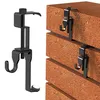
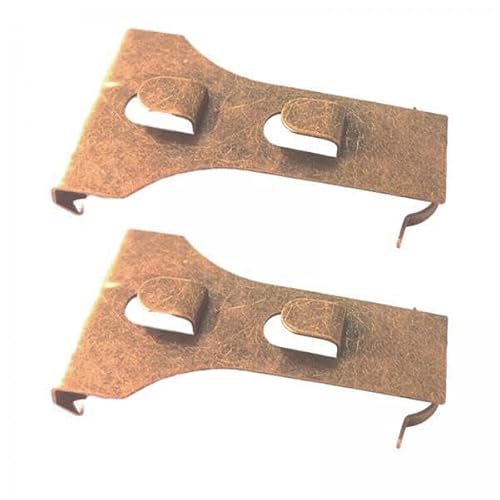
Lewufe Stainless Steel Brick Wall Clips (6-Pack)
Mechanical clips that grip the top edge of a brick course, so there is no adhesive bond to fail as the weight climbs.
- Best for: Frames, wreaths, and signs up to about 30 lbs, with no adhesive bond to weaken over time
- Why we picked it: It grips the brick edge mechanically, so it is not subject to the 30-50% weight-capacity loss that adhesive products suffer on rough brick
- Main drawback: Only fits bricks within a set height range (about 1-3/4 in. to 2-3/4 in.), so measure your brick course before ordering
Compare more brick wall hanging options
 Option 1 VELCRO Brand Extreme Outdoor Mounting Tape
|
 Option 2 Command 20 lb XL Picture Hanging Strips (10 Pairs)
|
 Option 3 Tapcon Concrete and Masonry Screw Anchors
|
As an Amazon Associate we earn from qualifying purchases.
Manufacturers list maximum weight ratings based on tests on smooth, non-porous surfaces like painted drywall or sealed cinder block. Brick is rough and porous, and that texture prevents the adhesive from forming a full, continuous bond with the wall. The result is a real, measurable capacity loss — not just a cautious rule of thumb.
📊 Adhesive products lose roughly 30-50% of their rated weight capacity on rough, porous surfaces like brick compared to smooth painted walls or sealed cinder block. A hook rated for 20 lbs on drywall should be treated as a 10-14 lb hook on unsealed brick.
The safest approach is to size down: pick a product rated for at least double the weight you actually intend to hang, or choose a product specifically labeled for masonry, concrete, or textured surfaces — those ratings are already tested on rough materials instead of being derated from a smooth-surface number. The comparison below shows how each method actually performs on real brick.
| Method | Rated Capacity | Real Capacity on Brick | Best For |
|---|---|---|---|
| Standard adhesive strips (Command-style) | 12-20 lbs (smooth surface) | ~6-10 lbs | Very light frames only |
| Generic heavy-duty adhesive hooks | Up to 50 lbs claimed | Often half or less on rough brick | Check for a “textured surface” rating, not just the headline number |
| Masonry-rated adhesive tape (Velcro Extreme Outdoor) | 15 lbs (rough-surface rated) | ~15 lbs — already tested on masonry | Frames, wreaths, lightweight fixtures |
| Brick clips / hangers (mechanical) | 20-30 lbs | Same — no adhesive bond to weaken | Heavier wreaths, signs, plant hangers |
| Masonry screw anchors (drilled) | 100+ lbs | Same — mechanical, not adhesive | Heavy mirrors and shelving |
Adhesive Solutions
Brick walls are tough for hanging items with tape or glue because the surface is rough and porous, but adhesive solutions still work well for lightweight decor. Clean, dry brick and a properly sized product are what make the difference between something that holds and something that falls after a week. For something heavier than a hook can handle, like a permanently mounted wood shelf, see our guide to gluing wood directly to brick with a construction adhesive instead.
Choosing the Right Adhesive
Pick a product rated for at least double the actual weight of your item, since brick’s texture cuts real-world holding power by roughly a third to a half compared to the smooth-surface number on the package. Choose a weather-resistant or outdoor-rated adhesive for exterior brick — temperature swings loosen standard indoor adhesive faster outside.
Applying Adhesive Strips
- Clean the surface: Wipe away dust, mortar grit, and any loose paint — brick dust is the single biggest reason adhesive fails early.
- Let it dry fully: Brick can hold moisture longer than drywall, so give it extra drying time before applying anything.
- Press and hold: Place the strip on the item, press firmly for the time listed on the package (often 30 seconds or more), then press the assembled item to the wall the same way.
- Wait before loading it: Most adhesives need an hour or more to reach full bond strength — hang the item empty first, then add weight later.
Brick Clips and Hangers
Brick clips are handy no-drill tools that grip the top edge of a brick rather than sticking to its face, so they avoid the adhesive weight-loss problem entirely. Standard clips typically hold up to about 20 lbs, and heavier steel brick hangers can carry up to 30 lbs — enough for most wreaths, signs, and small planters.
Installing one is simple: find a spot on an exposed brick edge, slide the clip over it, and tighten or press until it grips firmly, then hang your item from the built-in hook. For anything heavier that needs a truly permanent, structural connection — mounting a wood ledge, shelf bracket, or frame directly into brick rather than just hanging decor — see our guide on how to attach wood to a brick wall without drilling, which covers structural fastening rather than lightweight hanging.
Using Command Hooks
Command-style hooks are convenient, but check the fine print before relying on the printed weight limit for brick. Select a hook labeled for outdoor, textured, or masonry surfaces where possible, since those are tested on rough material instead of derated from a smooth-wall number.
“[3M Command’s] Outdoor Product line is not recommended for use on rough surfaces, such as cement board, brick or rough-sawn wood.”
That is straight from the manufacturer, not a workaround. Start with a clean, dry surface, wipe the brick with a damp cloth and let it dry completely, then press the hook firmly for at least 30 seconds. Wait at least an hour, and ideally longer in cold weather, before hanging anything on it.
Magnetic Options
Magnetic hooks only work on ferromagnetic metal — and brick itself is not magnetic, so a plain magnetic hook will not grip bare brick on its own. The way around this is a magnetic hook paired with an adhesive-backed steel base plate: stick the thin steel plate to the brick with a masonry-rated adhesive, then attach your magnetic hook to the plate. This combination works well for lightweight items and lets you reposition the hook without redoing the adhesive bond each time.
Because the steel plate is still adhesive-mounted to brick, the same capacity math applies — size the plate for more weight than you actually intend to hang, and test the hold before trusting it with anything breakable.

Alternative Hanging Methods
Wire and cable systems use hooks that grip the brick edges rather than an adhesive bond, then let you hang art or frames from a suspended wire — quick to set up and easy to reposition along the wire’s length.
Tension rods work between two facing walls or in a recessed alcove, held in place by outward spring pressure rather than any wall attachment at all. They are ideal for lightweight curtains, garlands, or seasonal decorations and need no tools to install or remove.
If your wall is actually cinder block or poured concrete rather than true clay brick, the surface behaves a little differently for adhesive products — see our dedicated guides on hanging things on cinder block walls and hanging things on cement walls without drilling for surface-specific advice.
Safety and Maintenance
After hanging anything, gently pull-test it before trusting it with a final placement. If it feels loose or the adhesive flexes under load, take it down, clean the surface again, and re-mount with a properly sized product rather than hoping it holds.
Check attachments every few months for wear, dust buildup behind the adhesive, or a hook that has started to peel at the edges — brick dust works its way under adhesive over time even after a good initial bond. If you eventually decide a heavier item is worth drilling for, drill into the mortar joints rather than the brick face itself — mortar is softer and easier to repair, and it does not weaken the structural brick. Our guide on drilling into mortar between bricks safely covers the tools and technique.
Frequently Asked Questions
How Can I Hang Items on Brick Without Drilling?
Use adhesive hooks or clips specifically designed for brick surfaces. Clean the brick first for better adhesion, and pick a product rated for masonry or textured surfaces where possible. This works well for lightweight items like pictures, wreaths, and small decorations.
What Are the Best Adhesive Hooks for Brick Walls?
Look for adhesive hooks or tape explicitly labeled for outdoor, rough, or masonry surfaces rather than a generic indoor hook. Products like VELCRO Extreme Outdoor tape are tested on rough surfaces directly, so their rating is realistic for brick rather than derated from a smooth-wall number.
Can Brick Clips Hold Heavy Objects?
Standard brick clips typically hold up to about 20 lbs, and heavier steel brick hangers can support up to roughly 30 lbs. For anything heavier, use multiple clips to spread the load, or switch to a drilled masonry anchor, which can hold well past 100 lbs.
Are Brick Hangers Reusable?
Yes, most mechanical brick clips and hangers are reusable since they grip the brick edge rather than bonding to it. Adhesive-based hooks are generally single-use once removed, since the adhesive bond does not reset to full strength a second time.
How Much Weight Can Adhesive Hooks Really Hold on Brick?
Less than the package states. Adhesive products are rated on smooth, non-porous surfaces, and that rating typically drops 30 to 50 percent on rough, porous brick. A hook rated for 20 lbs on drywall should be treated as roughly a 10-14 lb hook on unsealed brick, so size down or choose a masonry-rated product instead.
Conclusion
Hanging items on brick without drilling comes down to matching the product to the real surface, not the number on the package. Adhesive hooks and strips lose roughly 30-50% of their rated capacity on rough brick, so size down or choose masonry-rated hardware. Mechanical brick clips avoid that problem entirely for anything up to about 30 lbs, and a drilled masonry anchor is the fallback once an item is genuinely too heavy for adhesive alone.
Sponsored / affiliate links. As an Amazon Associate I earn from qualifying purchases. I may earn additional commission from eligible campaigns.