How Long Before You Can Drill Into Quikrete Safely
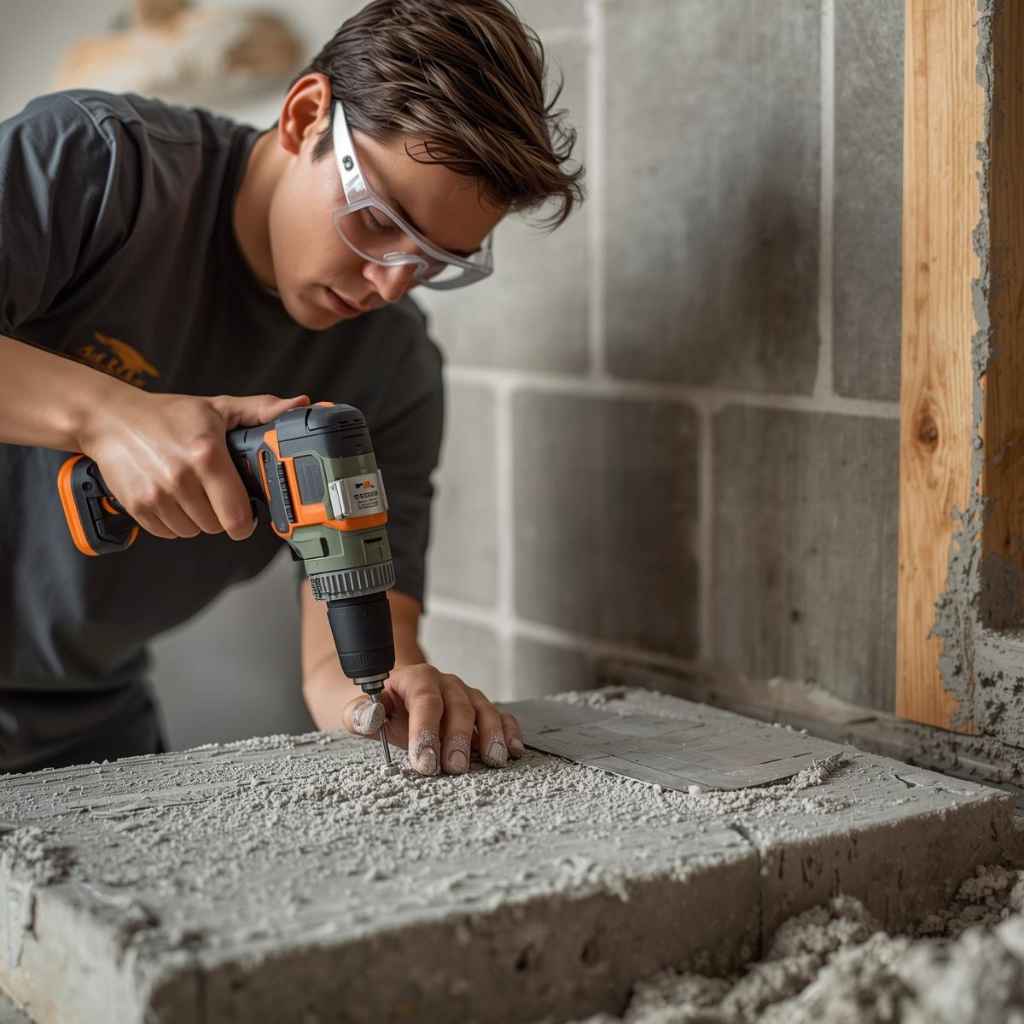
You can typically drill into Quikrete concrete after it has fully cured, which usually takes about 7 days for standard concrete mixes. However, this is a general guideline. The exact safe drilling time depends on many factors, including the specific Quikrete product used, temperature, humidity, and the thickness of the concrete. Always allow ample time for the concrete to gain sufficient strength.
Understanding Concrete Curing
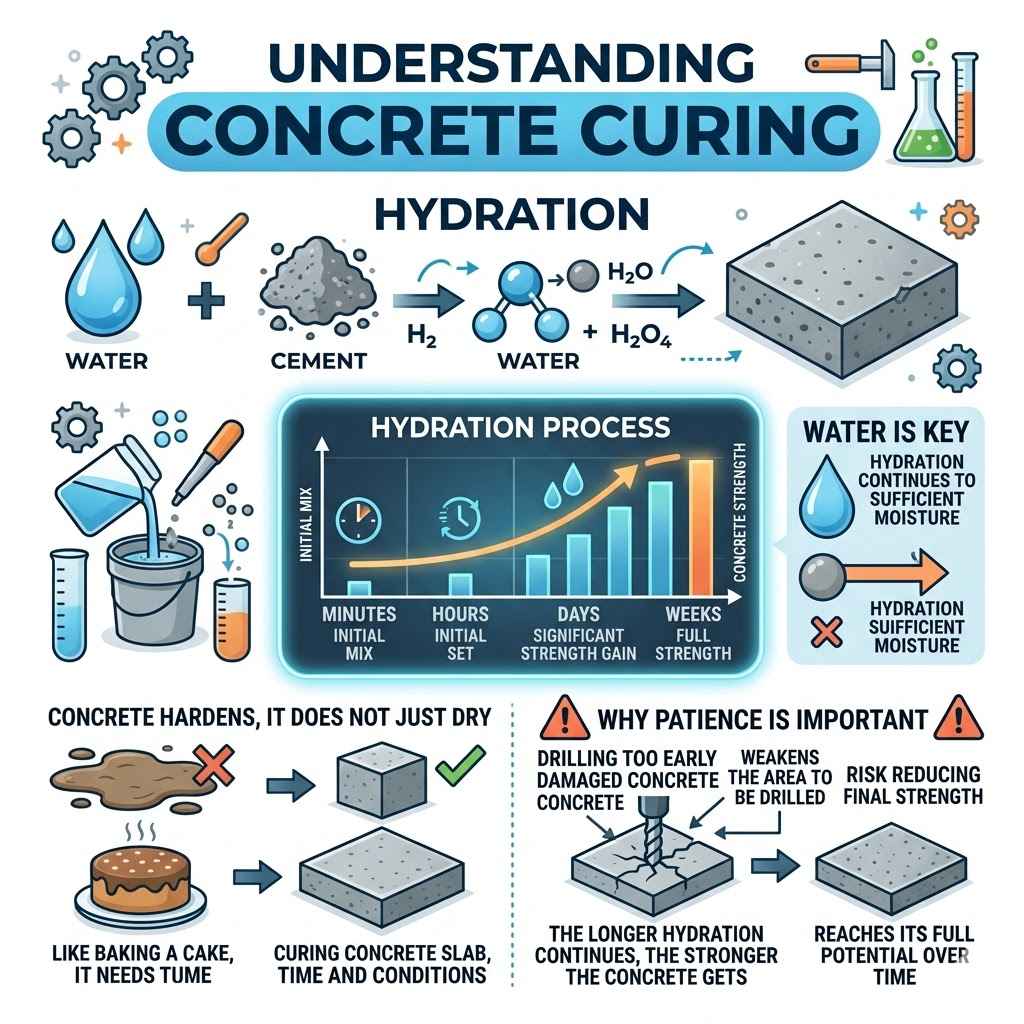
When we talk about concrete “drying,” it’s not quite right. Concrete doesn’t dry out like mud. It actually hardens through a chemical process.
This process is called hydration. Water is key to this reaction. It mixes with cement.
This creates a strong, solid mass.
The longer this hydration process continues, the stronger the concrete gets. It’s a bit like a slow bake. It needs time and the right conditions to reach its full potential.
If you drill too early, you risk damaging the concrete. You might also weaken the area you need to drill into.
Think of it like baking a cake. You can’t just pull it out of the oven five minutes after you put it in. It needs time to set and become firm.
Concrete is similar. Patience is really important here.
The Science Behind the Wait
When you mix Quikrete with water, the cement particles start a chemical reaction. This reaction creates new compounds. These compounds interlock.
They form a hard, rigid structure. This structure is what makes concrete strong.
This process takes time. It’s not instant. The initial hardening happens fairly quickly.
This is the “setting” time. But the real strength development happens over days and weeks. This is called “curing.”
During curing, the concrete continues to gain strength. It reaches its designed strength over a period. For most standard concrete mixes, like the common Quikrete 5000, this is about 28 days.
But for drilling, we don’t need full 28-day strength. We need enough strength to resist the drill bit’s force.
How Long to Wait for Quikrete?
For most standard Quikrete concrete mixes, a good rule of thumb is to wait at least 7 days. This allows the concrete to gain enough strength for light drilling. This means drilling for things like anchors or small screws.
However, this is just a starting point. Several things affect how fast concrete hardens. You must consider these.
They can help you decide if it’s safe to drill sooner or if you need to wait longer.
Some special Quikrete products might set faster. Always check the product packaging. It has specific instructions.
It will tell you about cure times. It will also mention when you can apply loads or drill.
Factors Affecting Quikrete Cure Time
Temperature: Warmer weather speeds up the chemical reaction. Colder weather slows it down significantly. Extreme cold can even stop the curing process.
Humidity: High humidity helps keep the concrete moist. This is good for curing. Very dry air can cause it to dry out too fast.
This is bad for strength.
Mix Ratio: Using the right amount of water is crucial. Too much water weakens the concrete. It also slows down the curing and hardening.
Product Type: Different Quikrete products have different formulations. Some are designed for faster strength gain. Others are for specific uses.
My Own Quikrete Drilling Dilemma
I remember building a small outdoor seating area. I poured a concrete pad for a heavy stone table. I used Quikrete.
I was so excited to finish the project. I wanted to put the table in place the next weekend.
The concrete looked hard. It felt solid. But the instructions said to wait at least 7 days.
I was impatient. I thought, “It’s just a table, not a house. It will be fine.” So, after 5 days, I grabbed my hammer drill.
As soon as the bit touched the surface, I felt it. It was softer than I expected. Bits of concrete chipped away.
It wasn’t clean. A small crack even formed around the first hole. I immediately stopped.
I felt a pang of regret. It was a clear sign I had rushed it.
I learned a valuable lesson that day. Concrete needs its time. Rushing the process can lead to weak spots.
It can also cause damage that’s hard to fix. For that project, I waited another week. The next time I drilled, the bit cut clean.
It felt much stronger.
Safe Drilling Practices After Curing
Once your Quikrete has had enough time to cure, you can start thinking about drilling. But even then, some steps make the job safer and better.
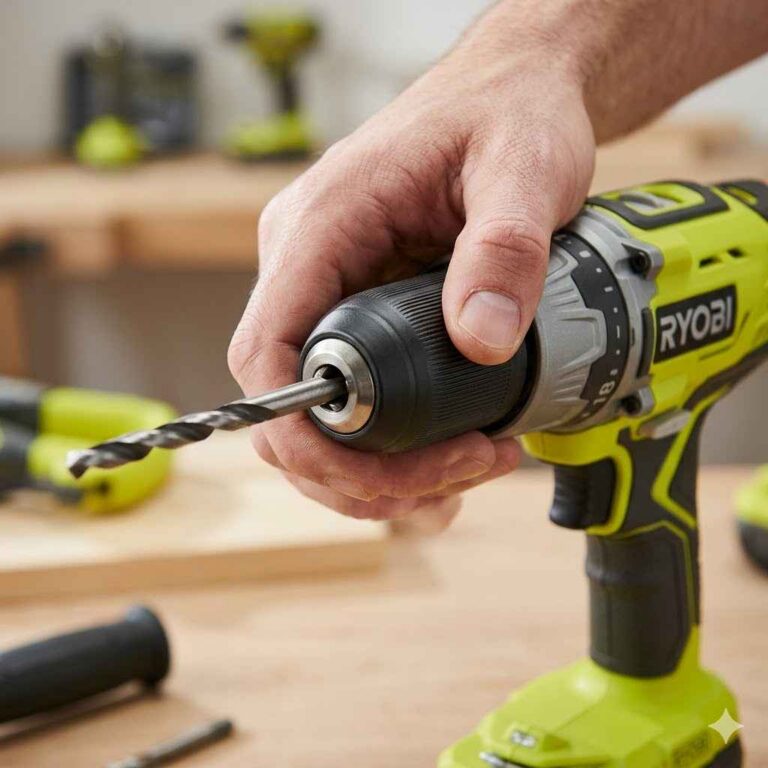
First, gather your tools. You’ll need a good drill. A hammer drill is best for concrete.
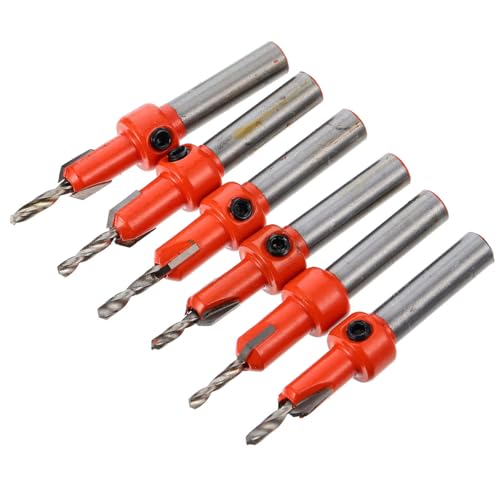
It has a hammering action. This helps break up the hard material. You’ll also need masonry drill bits.
These are made for concrete.
Wear safety glasses. Concrete dust can fly. It’s important to protect your eyes.
A dust mask is also a good idea. Concrete dust isn’t good to breathe in.
Start with a smaller bit. Drill a pilot hole. Then, use a larger bit if you need to.
This makes it easier. It reduces the strain on your drill and the concrete.
Don’t push too hard. Let the drill do the work. If you’re meeting a lot of resistance, stop.
Check if you need a sharper bit. Or maybe the concrete isn’t as cured as you thought.
Quick-Scan Guide: When to Drill
| Scenario | Minimum Wait Time | Considerations |
|---|---|---|
| Light anchoring (e.g., small bracket) | 7 Days | Warm weather, proper water mix |
| Medium-duty anchors (e.g., shelving) | 14 Days | Ensure consistent temperature |
| Heavy loads or structural elements | 28 Days (or more) | Full cure expected; consult product specs |
Quikrete Products and Their Needs
Quikrete offers many different products. Each one is made for a specific job. This means their curing times can vary.
It’s not a one-size-fits-all answer.
Quikrete 5000 is a common choice for many DIY projects. It’s designed for strength. It reaches about 4000 PSI in 7 days.
This is usually enough for basic drilling tasks.
Quikrete Fast-Setting Concrete Mix is different. As the name suggests, it sets and hardens much faster. You can often walk on it in as little as 4 hours.
You might be able to drill into it sooner. But always check the bag. It will give you the specific times.
Quikrete Re-Cap Concrete Resurfacer is for thin layers. It hardens quickly. But it’s not meant for deep drilling.
It’s more for smoothing surfaces.
The key takeaway is: read the bag. The instructions on the Quikrete packaging are your best guide. They are tailored to that specific product.
Comparing Quikrete Mixes
Standard Mix (e.g., 5000 PSI)
Use: Patios, sidewalks, general repairs.
Wait Before Drilling: 7 days (minimum).
Strength Gain: Steady over weeks.
Fast-Setting Mix
Use: Posts, small repair jobs needing quick use.
Wait Before Drilling: Check bag; can be much sooner (hours).
Strength Gain: Rapid initial gain.
Mortar Mix
Use: Laying bricks, stone.
Wait Before Drilling: Generally longer, similar to standard concrete.
Strength Gain: Varies by type.
Real-World Scenarios: When is it Too Soon?
Imagine you just poured a small concrete pad for a bird bath. It looks dry and hard on the surface. You decide to drill a hole for the standpipe right away.
As you drill, the bit struggles. Instead of a clean hole, it creates a rough, crumbling mess.
This is a classic sign you drilled too early. The internal structure isn’t strong enough yet. The cement paste hasn’t fully bonded with the aggregate (the stones and sand).
The drill bit is essentially tearing apart weak bonds.
Another scenario: You need to hang a heavy mirror. You finished a concrete wall a few days ago. You try to install the anchor.
As you tighten the screw, the anchor pulls out. It brings bits of concrete with it. This means the concrete still lacks the necessary compressive strength.
These situations show why patience is so important. It’s not just about the surface looking dry. It’s about the internal strength.
This strength takes time to develop through hydration.
Myth vs. Reality: Concrete Drilling
Myth
If it feels hard, it’s ready.
Reality
Surface hardness doesn’t equal full internal strength. Hydration takes time.
Myth
Any drill bit will work.
Reality
Masonry bits are essential for effective and safe drilling in concrete.
What This Means for Your Project
Knowing when you can drill into Quikrete is crucial. It impacts the success and longevity of your project. Drilling too soon can lead to several problems:
Weakened Structure: The hole you create might become a weak point. This could lead to cracks later on. This is especially true if the hole is large or if you’re drilling into a critical area.
Damage to Fixtures: Anchors or screws might not hold properly. They could pull out. This means whatever you’re trying to attach might fall.
Poor Aesthetics: Rough, crumbled holes are unsightly. They detract from the finished look of your concrete surface.
Extra Work: You might need to repair the damage. This costs time and money. Sometimes, you might have to re-pour a section if the damage is too severe.
On the other hand, waiting the proper amount of time ensures you’re drilling into strong, stable concrete. This makes the drilling process easier. It also ensures that whatever you attach will be secure.
Simple Checks Before You Drill
Before you even pick up your drill, do a few simple checks:
1. Check the Weather: Was it consistently warm and humid during the curing period? If it was cold or very dry, you might need to wait longer than the minimum suggested time.
Concrete cures much slower in cold weather. It cures poorly if it dries out too fast.
2. Product Instructions: Double-check the Quikrete bag. Find the instructions for cure times.
They might have specific notes about drilling or load-bearing after certain periods.
3. Visual and Tactile Test: While not the only factor, look at the concrete. Does it look uniformly cured?
Gently tap it with a small hammer. Does it sound solid and dense? Try to scratch a small, inconspicuous spot with a sharp tool.
If it crumbles easily, it’s likely not ready.
4. Consider the Load: What are you drilling for? If it’s just a tiny screw for a picture frame, you might get away with a slightly earlier drill time.
If it’s for a heavy bracket holding a television or a large shelf, you need to be extra cautious and wait longer.
These simple checks add an extra layer of confidence. They help you avoid common mistakes. They ensure your concrete is ready for whatever you need to do.
Tips for Successful Drilling
When you’ve decided it’s safe to drill, follow these tips for the best results:
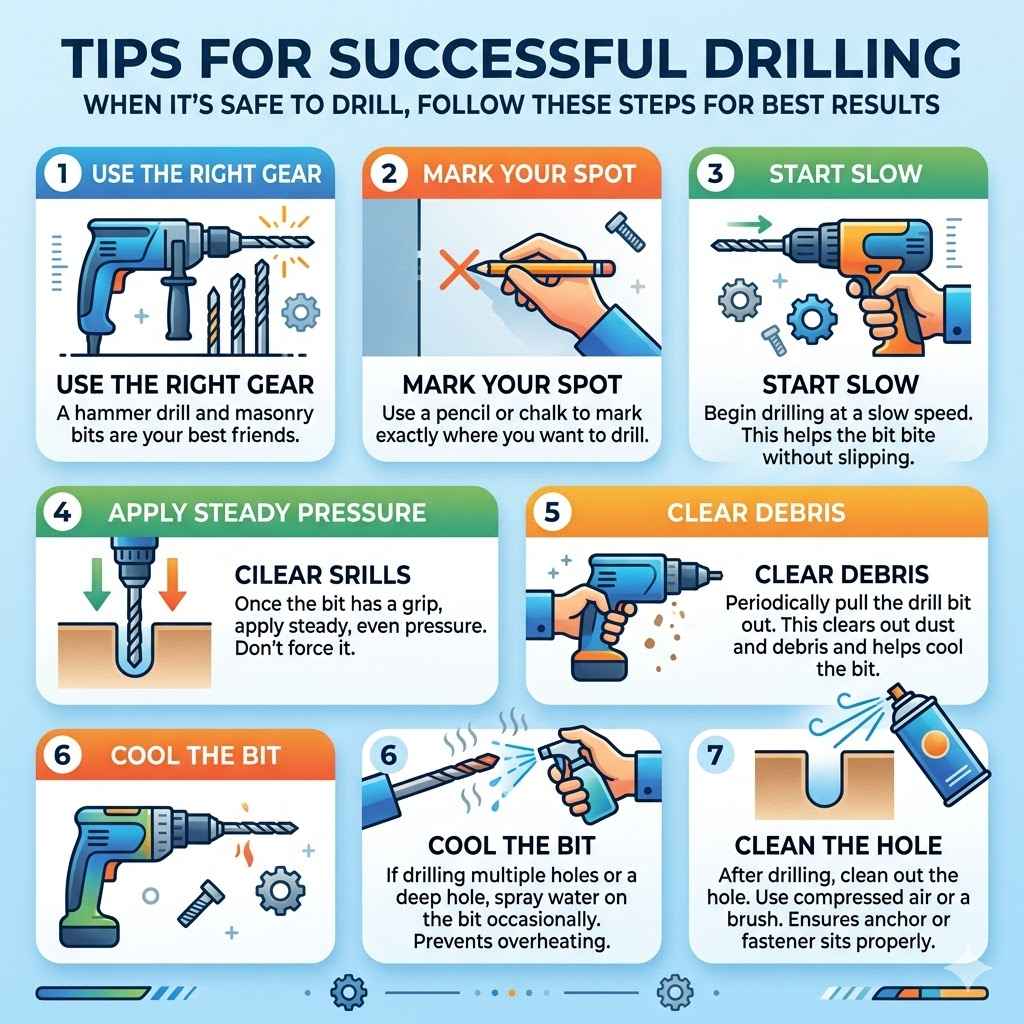
- Use the Right Gear: A hammer drill and masonry bits are your best friends.
- Mark Your Spot: Use a pencil or chalk to mark exactly where you want to drill.
- Start Slow: Begin drilling at a slow speed. This helps the bit bite into the surface without slipping.
- Apply Steady Pressure: Once the bit has a grip, apply steady, even pressure. Don’t force it.
- Clear Debris: Periodically pull the drill bit out. This clears out dust and debris. It also helps cool the bit.
- Cool the Bit: If drilling multiple holes or a deep hole, spray water on the bit occasionally. This prevents it from overheating.
- Clean the Hole: After drilling, clean out the hole. Use compressed air or a brush. This ensures any anchor or fastener will sit properly.
Frequently Asked Questions About Drilling Quikrete
How long does Quikrete really take to cure?
Standard Quikrete concrete mixes typically need about 7 days to gain enough strength for light drilling. For full strength, which is needed for significant loads, it takes about 28 days. Faster-setting mixes can be ready sooner, but always check the product instructions.
Can I drill into Quikrete the day after pouring?
No, you should not drill into Quikrete the day after pouring. The concrete is still very green and weak. It needs time to hydrate and harden.
Drilling too early will likely cause damage and weaken the concrete.
What happens if I drill into Quikrete too soon?
If you drill too soon, you risk creating a weak point in the concrete. The hole might crumble, and anchors or screws may not hold properly. Cracks can also form around the drilled area, compromising its integrity.
Does temperature affect when I can drill Quikrete?
Yes, temperature significantly affects curing. Warmer temperatures speed up the chemical process, allowing for earlier drilling. Colder temperatures slow it down, requiring a longer waiting period.
Very cold weather can halt curing altogether.
What type of drill bit should I use for Quikrete?
You should always use a masonry drill bit designed for concrete. These bits are made from hard materials and have special tips to cut through stone and concrete effectively. A hammer drill is also recommended for best results.
Is there a strength test I can do before drilling?
While professional tests exist, a simple test is to try scratching an inconspicuous spot with a sharp tool like a nail or screwdriver. If it easily gouges or crumbles, it’s probably not ready. The 7-day guideline for light drilling is a practical approach for most DIYers.
Can I speed up the curing process for Quikrete?
You can help concrete cure properly by ensuring it stays moist and is kept at a moderate temperature. Keeping it wet (e.g., covering with plastic or damp cloths) helps the hydration process. Avoid extreme temperatures.
You cannot drastically speed up the chemical reaction for full strength.
Final Thoughts on Drilling Quikrete
Waiting for concrete to cure can test your patience. But understanding the process of hydration helps. It shows why time is essential.
For most Quikrete projects, a minimum of 7 days is your best bet for safe drilling. Always check the specific product instructions. Consider the environmental conditions.
Patience now means a stronger, more reliable result later. Your concrete project will thank you for it.
Sponsored / affiliate links. As an Amazon Associate I earn from qualifying purchases. I may earn additional commission from eligible campaigns.