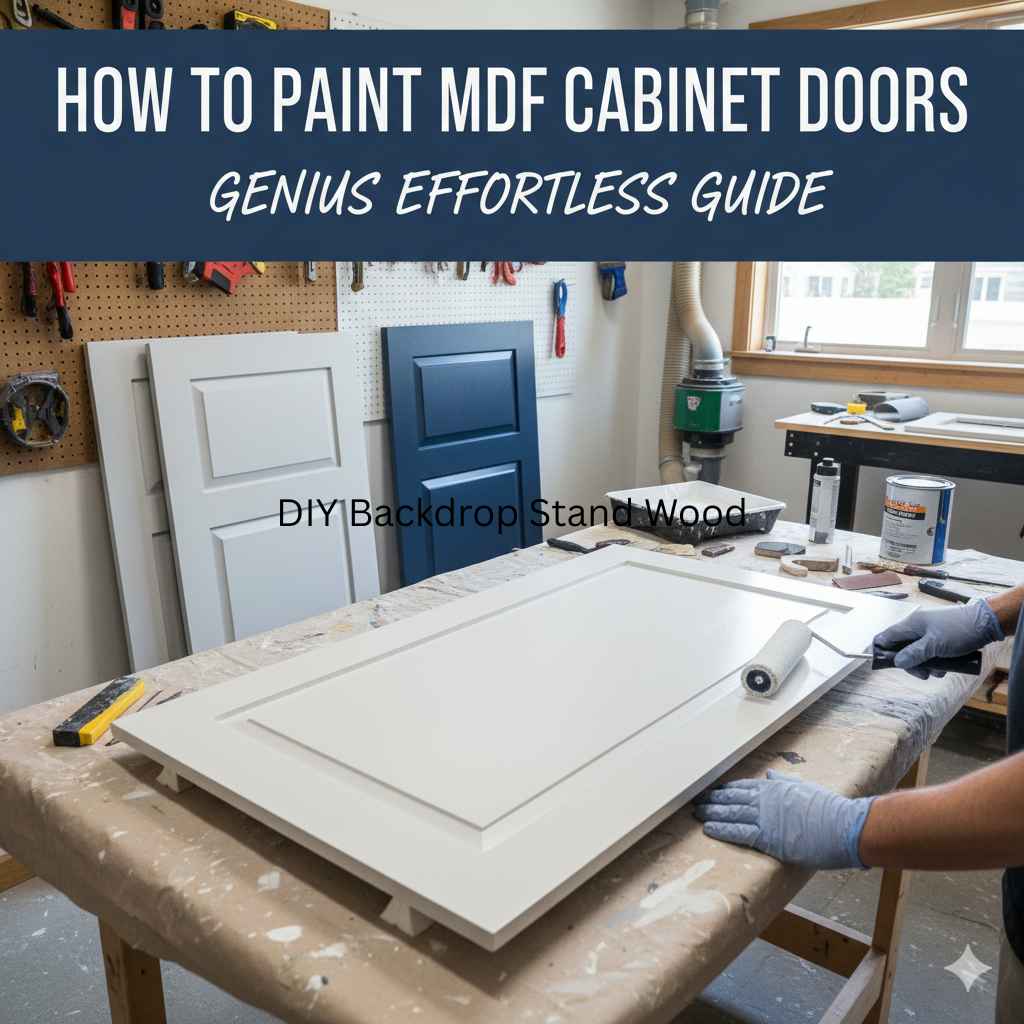
How To Paint MDF Cabinet Doors: Genius Effortless Guide
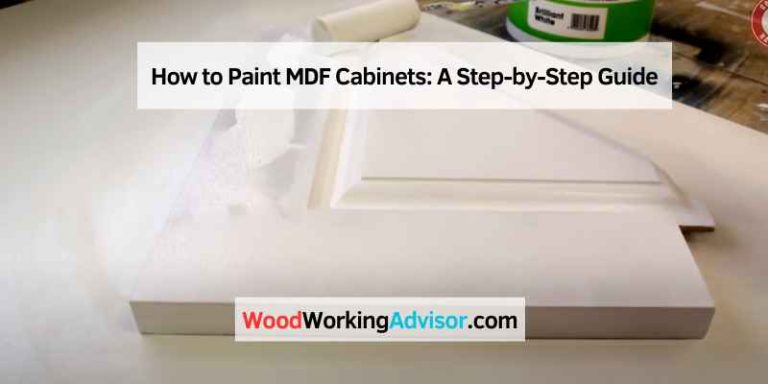
Painting MDF cabinet doors is a straightforward DIY project! With the right prep, primer, and paint, you can achieve a smooth, durable, factory-like finish that transforms your cabinets. Follow this easy guide for stunning results.
Have you ever looked around your kitchen and wished for a fresh new look, but felt overwhelmed by the thought of a big renovation? Refinishing your cabinet doors can make a world of difference! Many DIYers find painting MDF (Medium-Density Fiberboard) cabinet doors a bit tricky.
They worry about getting a smooth finish, preventing streaks, or ensuring the paint lasts. Don’t worry, I’m here to guide you through it, step-by-step. It’s easier than you think, and the results can be truly amazing!
Why Paint MDF Cabinet Doors?
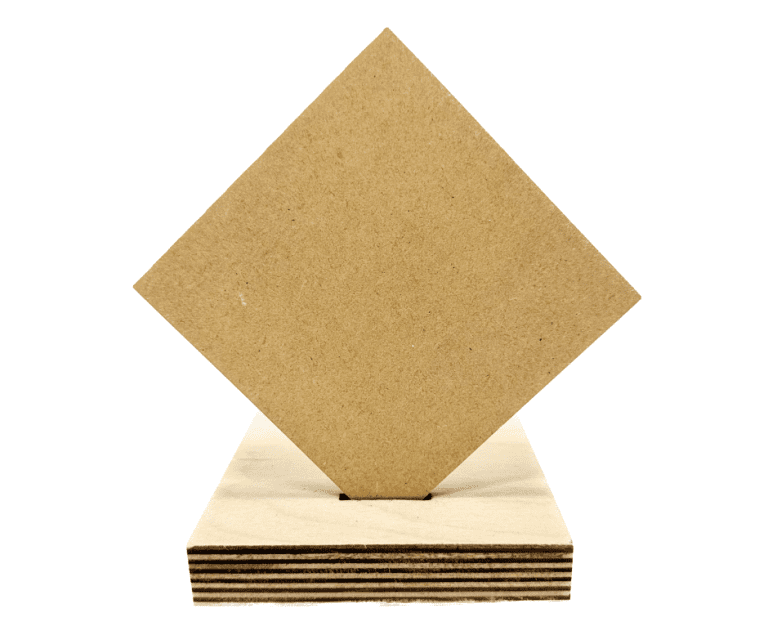
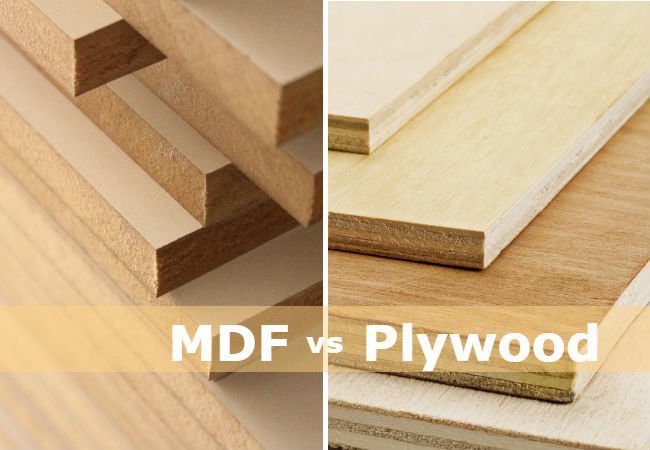
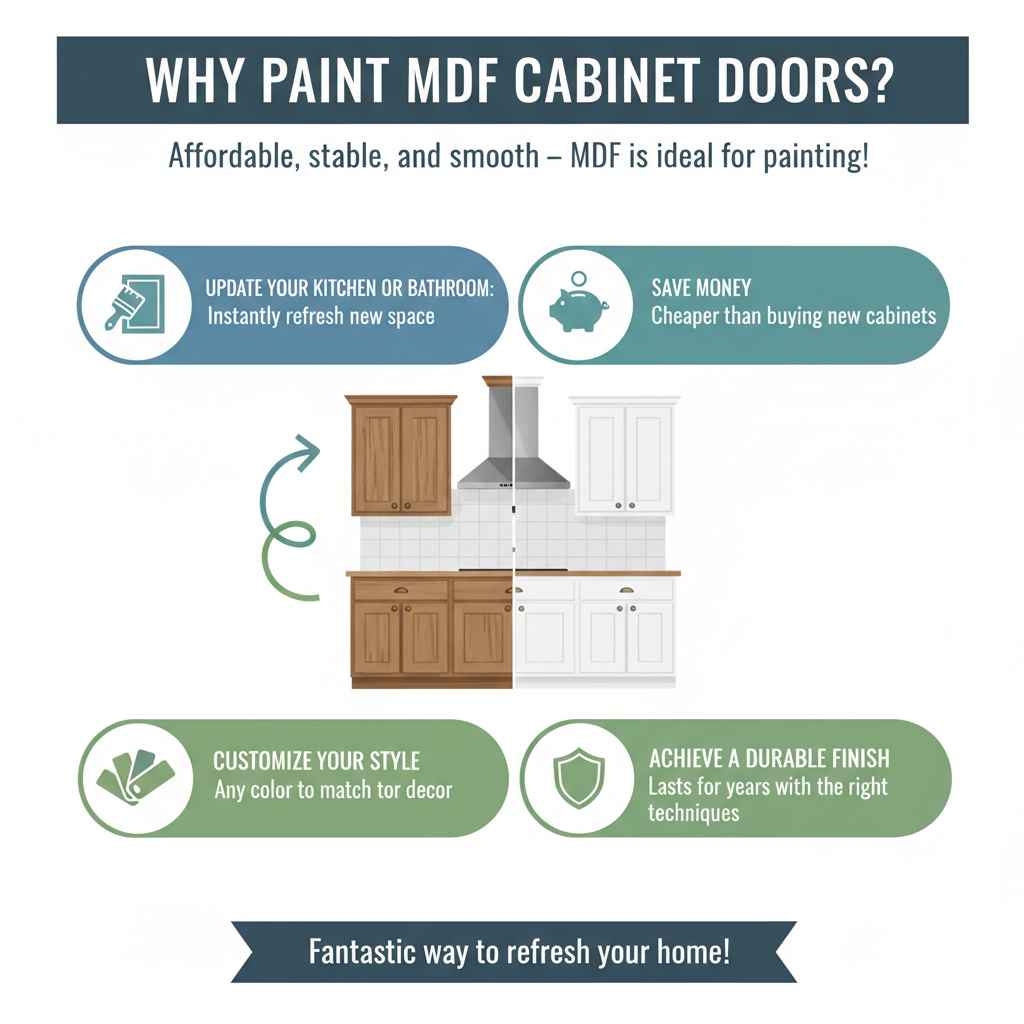
MDF is a popular choice for cabinet doors because it’s affordable, stable, and provides a smooth surface, making it ideal for painting. Unlike solid wood, it doesn’t warp or split easily. However, its porous nature means it needs a bit of special attention to get that perfect, professional-looking finish. Painting your existing MDF doors is a fantastic way to:
- Update Your Kitchen or Bathroom: Instantly refresh the look of your space without a costly replacement.
- Save Money: Refinishing is significantly cheaper than buying new cabinets.
- Customize Your Style: Choose any color to match your decor, from crisp white to bold navy.
- Achieve a Durable Finish: With the right techniques, your painted doors will look great for years.
Getting Started: What You’ll Need
Before we dive into the painting process, let’s gather our supplies. Having everything ready will make the job flow smoothly. Think of this as your DIY toolkit for cabinet transformation!
Essential Tools and Materials:
- Screwdriver or drill with bits (to remove doors)
- Painter’s tape
- Sanding sponges or fine-grit sandpaper (120-220 grit)
- Tack cloth or damp microfiber cloth
- Good quality primer (water-based or oil-based, specifically for MDF or furniture)
- High-quality paint (e.g., cabinet enamel, acrylic latex with a fine finish additive)
- Paint roller (small, high-density foam or microfiber roller for a smooth finish)
- Paintbrushes (angled sash brush for edges and details)
- Paint tray
- Drop cloths or old sheets
- Wood filler (if needed for imperfections)
- Optional: Spray primer and paint (for a truly professional, factory-like finish, but requires more safety precautions and equipment)
Safety First! Always work in a well-ventilated area, especially when using primers and paints. Consider wearing a respirator mask, gloves, and eye protection. You can find more detailed safety information on working with paints and finishes from sources like the Occupational Safety and Health Administration (OSHA).
Step-by-Step Guide: Painting MDF Cabinet Doors
Now, let’s get our hands a little dusty (or paint-splattered!). Follow these steps, and you’ll be well on your way to beautifully painted cabinet doors.
Step 1: Remove and Prepare the Doors
This is crucial for a seamless finish. Start by carefully removing each cabinet door from its hinges. Use your screwdriver or drill. It’s a good idea to keep track of which door belongs where, especially in a large kitchen. You can label them lightly on the back with masking tape. Also, remove any hardware like knobs or handles.
Lay the doors flat on a protected surface, like a workbench or the floor covered with drop cloths. If your doors have any dings or imperfections, now’s the time to fix them with a small amount of wood filler. Let the filler dry completely according to the product instructions, then gently sand it smooth.
Step 2: Clean and Sand
MDF is dusty and can absorb oils from your hands. So, a good clean is essential. Wipe down both sides of each door with a slightly damp cloth to remove any dust or debris. Let them dry completely.
Next, give the entire surface a light sanding. Use a fine-grit sandpaper (around 120-220 grit) or a sanding sponge. The goal here isn’t to remove old paint or stain, but to create a slightly rough surface that the primer can adhere to. Think of it as giving the paint something to “grip.” Pay attention to the edges and any detailed areas.
After sanding, it’s vital to remove all the dust. Use a tack cloth or a clean, dry microfiber cloth. For best results, wipe in one direction. Dust left behind will show up in your finished paint job!
Step 3: Prime, Prime, Prime!
This is arguably the most important step for painting MDF. MDF is very porous, and without proper priming, the paint might soak in unevenly, leading to a splotchy or dull finish. A good primer seals the MDF surface and provides a uniform base for your paint.
Apply a thin, even coat of your chosen primer. A water-based primer designed for furniture or laminate is often a good choice for DIYers. If you want an extra smooth finish, consider a high-quality spray primer specifically for MDF, but ensure you have proper ventilation and a respirator.
Use a high-density foam roller for the large, flat areas and an angled sash brush for the edges and corners. Avoid applying the primer too thickly, as drips and thick spots are hard to sand out later.
Let the first coat of primer dry completely according to the manufacturer’s instructions. Once dry, lightly sand the entire surface again with your fine-grit sandpaper. This “de-nibbing” step removes any raised wood fibers or imperfections that the primer might have brought to the surface. Wipe away the dust with a tack cloth.
Depending on the type of MDF and your primer, you might need a second coat of primer. If you can still see the original color of the MDF showing through significantly, or if the surface feels uneven, apply another thin coat, let it dry, and sand again. Two thin coats of primer are always better than one thick coat!
Step 4: Apply Your Paint
Now for the moment of truth! If your paint is thick, you might want to stir it well. Some painters like to add a paint conditioner like Floetrol (for latex paints) to help improve flow and prevent brush marks, especially if using a brush. Test this on a spare piece of wood or the back of a door first.
Apply your first coat of paint. Again, use your foam roller for the flat surfaces and your angled brush for the edges. Work in smooth, even strokes. For rollers, try to maintain a “wet edge” – meaning you overlap slightly with the previous stroke while the paint is still wet. This helps prevent roller marks.
Don’t try to get full coverage in the first coat. Thin, even coats are key to a smooth, durable finish. Apply the paint and then step back to look for any drips or holiday (missed spots).
Let the first coat dry completely. Drying times vary by paint type and humidity, so always check the can. Once dry, lightly sand any rough spots or imperfections with your fine-grit sandpaper or sanding sponge. Wipe away all dust with a tack cloth.
Step 5: Second (and Third) Coat
Apply a second coat of paint following the same technique as the first. Most projects will need at least two coats of paint to achieve full, even coverage. Again, let it dry completely, lightly sand any blemishes, and dust off.
If your doors still aren’t covered evenly or you want a deeper, richer color, you may need a third coat. Repeat the same process: paint, dry, light sand, dust.
Step 6: Cure and Reassemble
This is where patience really pays off! Paint needs time to fully cure, not just dry to the touch. Curing is the process where the paint hardens and reaches its maximum durability. This can take anywhere from a few days to a few weeks, depending on the paint type. During this time, be gentle with your freshly painted doors. Avoid bumping them or putting heavy items against them.
Once the paint has fully cured and you’re happy with the finish, it’s time to reattach the hardware and hang your beautiful, newly painted cabinet doors back on their hinges. Take a step back and admire your work – you did it!
Tips for a Flawless Finish
Painting MDF can be incredibly rewarding. Here are some extra wisdom gems to help you achieve that professional-looking, effortless finish:
- Work in a Clean Environment: Dust is the enemy of a smooth paint finish. Try to paint in a space where you can control dust as much as possible.
- Thin Coats are Key: I can’t stress this enough! Several thin coats are always better than one thick coat for MDF.
- Use Quality Tools: Good quality rollers and brushes make a huge difference. Invest in a couple of good ones; they’ll last!
- Patience with Drying Times: Rushing the drying process between coats can lead to peeling or smudges.
- Consider a Sprayer: For the absolute smoothest, most factory-like finish, a paint sprayer is the way to go. However, this requires more practice, proper ventilation, a respirator, and careful masking. For beginners, rollers and brushes are perfectly fine for beautiful results. Resources like Popular Mechanics offer guidance on sprayers.
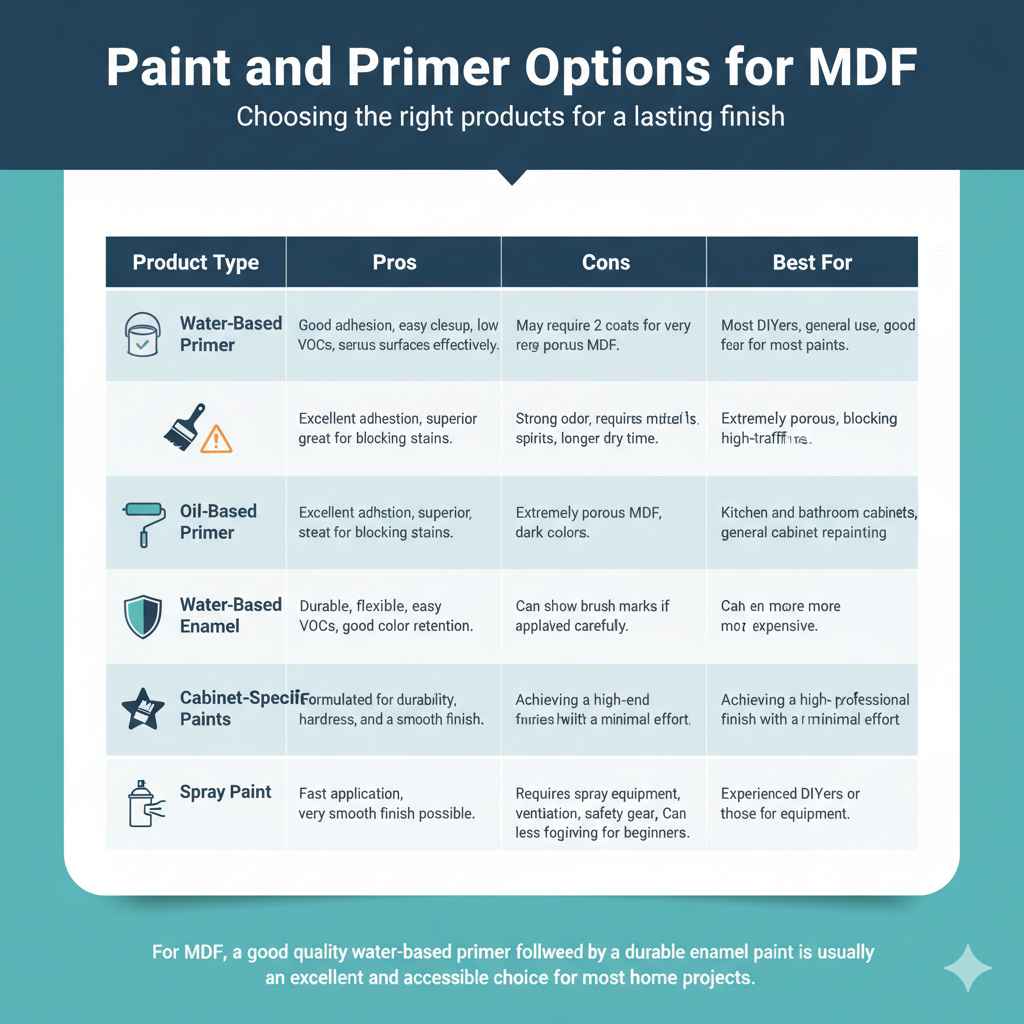
Paint and Primer Options for MDF
Choosing the right paint and primer is essential for a long-lasting, beautiful finish. Here’s a quick rundown of what works best:
| Product Type | Pros | Cons | Best For |
|---|---|---|---|
| Water-Based Primer (e.g., Zinsser B-I-N, Kilz Premium) | Good adhesion, easy cleanup, low VOCs, seals porous surfaces effectively. | May require 2 coats for very porous MDF. | Most DIYers, general use, good for most paints. |
| Oil-Based Primer (e.g., Zinsser Cover Stain, Kilz Original) | Excellent adhesion, superior sealing, great for blocking stains. | Strong odor, requires mineral spirits for cleanup, longer dry time. | Extremely porous MDF, blocking dark colors, high-traffic areas. |
| Water-Based Enamel Paint (Acrylic Latex with Enamel Additive) | Durable, flexible, easy cleanup, low VOCs, good color retention. | Can show brush marks if not applied carefully. | Kitchen and bathroom cabinets, general cabinet repainting. |
| Cabinet-Specific Paints (e.g., Benjamin Moore Advance, Sherwin-Williams Emerald Urethane Trim Enamel) | Formulated for durability, hardness, and a smooth finish. Often self-leveling. | Can be more expensive. | Achieving a high-end, professional finish with minimal effort. |
| Spray Paint (Encapsulated Alkyd or Acrylic) | Fast application, very smooth finish possible. | Requires spray equipment, ventilation, safety gear, and practice. Can be less forgiving for beginners. | Experienced DIYers or those with spray equipment. |
For MDF, a good quality water-based primer followed by a durable water-based enamel paint is usually an excellent and accessible choice for most home projects. If you’re tackling cabinets in a high-moisture area or want the absolute toughest finish, consider an oil-based primer followed by a high-quality urethane-modified acrylic paint.
Frequently Asked Questions (FAQ)
Here are some common questions beginners have when painting MDF cabinet doors:
Q1: Do I really need to prime MDF cabinet doors?
A: Absolutely! MDF is highly absorbent. Primer seals the surface, prevents the paint from soaking unevenly, and creates a smooth, uniform base for your chosen paint color, ensuring better adhesion and a longer-lasting finish. Skipping primer is a common mistake that leads to poor results.
Q2: What’s the best type of paint for MDF cabinets?
A: For durability and a smooth finish, cabinet-specific enamel paints (often water-based acrylic urethanes) are ideal. High-quality latex paints with primer mixed in can also work if you’re looking for a more budget-friendly option, but a separate primer is always recommended for MDF. Avoid flat or matte finishes, as they don’t hold up to cleaning as well.
Q3: Should I use a roller or a brush?
A: For the best results on flat surfaces, use a high-density foam roller or a microfiber roller designed for smooth finishes. For edges, corners, and intricate details, an angled sash brush will give you precision. Many people use both for different parts of the door.
Q4: How many coats of paint do I need?
A: Typically, two to three thin coats of paint are necessary for MDF. In addition to the coats of primer, your paint layers will ensure full coverage, a rich color, and a durable finish. It’s always better to apply multiple thin coats than one or two thick ones.
Q5: How long does it take for painted MDF cabinets to cure?
A: While paint may feel dry to the touch in a few hours, it takes much longer to fully cure and harden. This can range from 7 days to 30 days, depending on the paint type and environmental conditions (temperature, humidity). During the curing phase, treat your cabinets gently to avoid scratching or marring the surface.
Q6: Can I spray paint MDF cabinet doors?
A: Yes, spray painting can produce a very smooth, professional finish. However, it requires specialized equipment (like a HVLP sprayer), good ventilation, a respirator mask for safety, and practice to avoid drips and uneven coverage. If you’re new to painting, using a roller and brush method is more accessible and still yields beautiful results.
Q7: How do I prevent brush marks or roller marks?
A: The key is thin coats, using quality tools, and maintaining a wet edge when rolling. Lightly sanding between coats with a very fine grit sandpaper (220+) and wiping with a tack cloth before the next coat helps smooth out imperfections. Adding a paint conditioner like Floetrol can also help improve flow and reduce marks for latex paints.
Conclusion
Painting MDF cabinet doors is a fantastic DIY project that can dramatically change the look and feel of your kitchen or bathroom without breaking the bank. By taking the time to properly prepare the surface, using the right primer, and applying your paint in thin, even coats, you can achieve a beautiful, durable finish that you’ll be proud of.
Remember, patience is key, especially when waiting for coats to dry and for the paint to fully cure. With this step-by-step guide and a little bit of effort, you can give your cabinets a stunning makeover that will last for years to come. Happy painting!