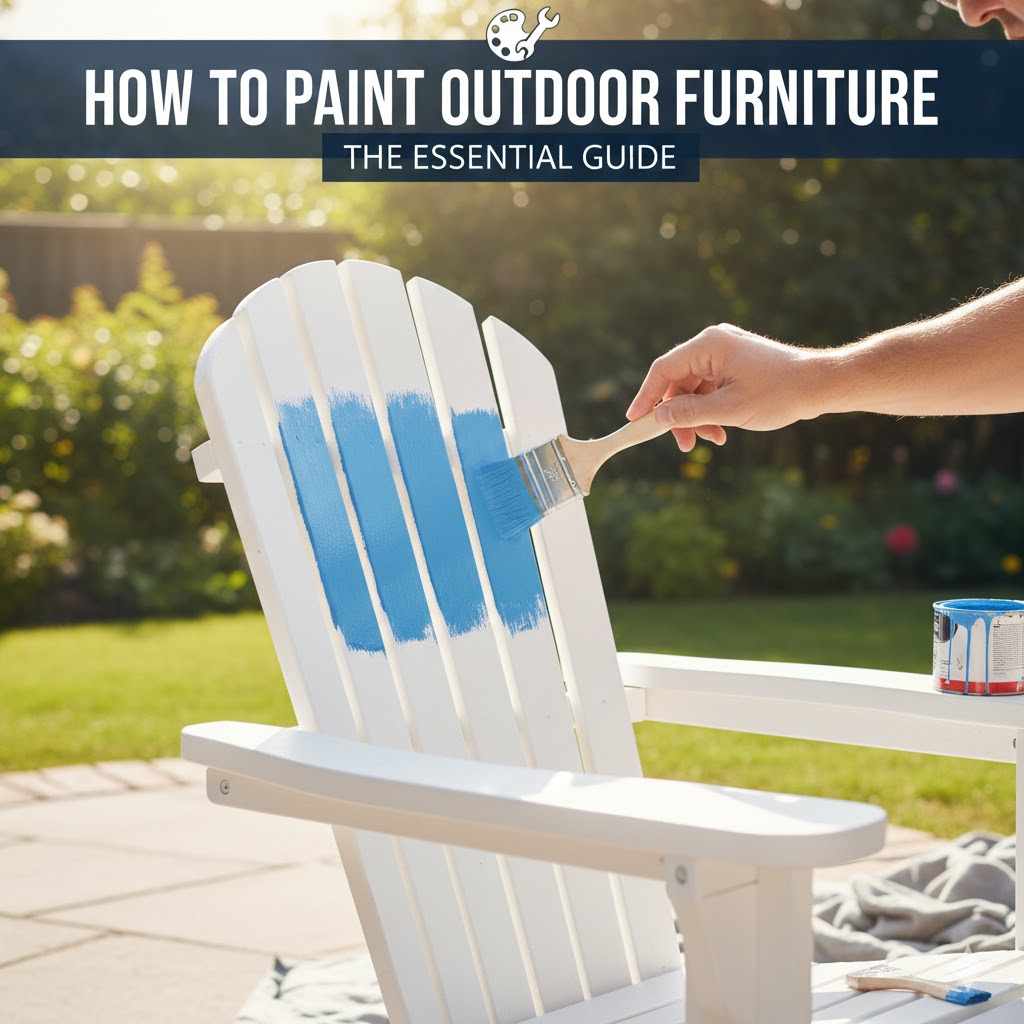
How to Paint Outdoor Furniture: The Essential Guide
To paint outdoor furniture, first clean it thoroughly with soap and water. Repair any damage, then sand the surface until smooth for good paint adhesion. Apply an exterior-grade primer, followed by two thin coats of durable outdoor paint. Allow the furniture to cure completely in a dry, protected area before use for a long-lasting, weather-resistant finish.
Hello there, fellow maker! It’s Md Meraj. Does your outdoor furniture look a little sad? Maybe the sun has faded its color, or rain has left it looking worn. You might think you need to buy a whole new set. But I’m here to tell you that a fresh coat of paint can make it look brand new.
Giving your furniture a new life is easier than you think. It’s a wonderful weekend project that saves money and lets you add your own personal touch to your outdoor space. In this guide, I’ll walk you through every simple step. We’ll turn that tired old patio set into something you can be proud of. Let’s get started!
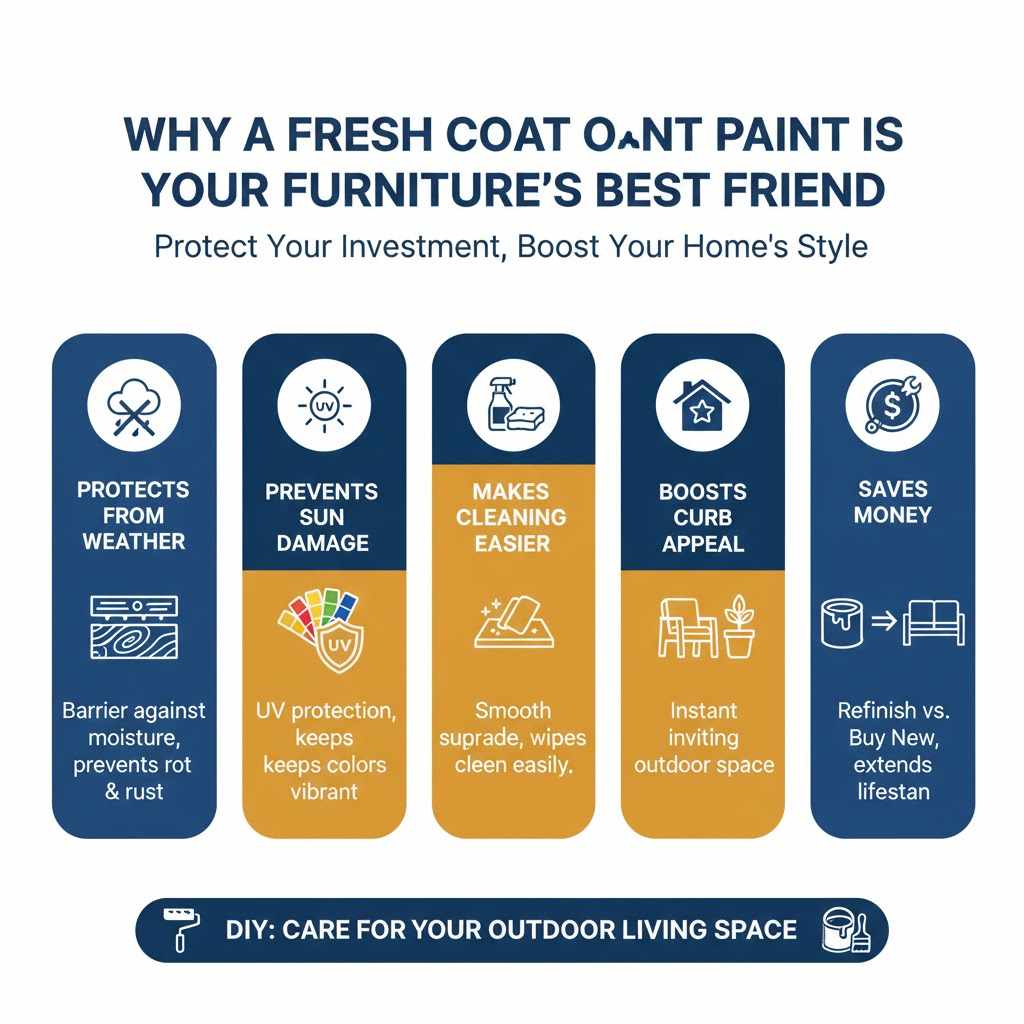
Why a Fresh Coat of Paint is Your Furniture’s Best Friend
Painting outdoor furniture isn’t just about making it look pretty, although that’s a big part of the fun! It’s one of the most practical things you can do to protect your investment. Think of it as armor for your patio chairs and tables.
Here’s what a good paint job does for you:
- Protects from the Weather: Your furniture is constantly exposed to sun, rain, wind, and changing temperatures. A quality exterior paint creates a barrier against moisture, which prevents wood from rotting and metal from rusting.
- Prevents Sun Damage: The sun’s UV rays are powerful. They can fade colors and make wood and plastic brittle over time. Paint with UV protection acts like sunscreen for your furniture, keeping its color vibrant and its structure strong.
- Makes Cleaning Easier: A smooth, painted surface is much easier to wipe down than rough, unfinished wood or peeling old paint. Spills, dust, and pollen come right off.
- Boosts Your Home’s Curb Appeal: Coordinated, fresh-looking outdoor furniture makes your entire patio, deck, or garden look more inviting and put-together. It’s an instant upgrade for your outdoor living space.
- Saves You Money: Refinishing your existing furniture costs a fraction of buying a new set. It’s a budget-friendly way to get a high-end look and extend the life of what you already own.
Taking a weekend to complete this project isn’t just a chore; it’s an act of care that pays off for years to come.
Gathering Your Tools and Supplies
Before you can start the fun part, you need to gather your gear. Having everything ready beforehand makes the entire process smooth and enjoyable. You don’t want to be running to the store with a half-painted chair! Here’s a simple checklist of what you’ll need.
Essential Supplies List:
- Cleaning Supplies: A bucket, warm water, dish soap or a dedicated furniture cleaner, a scrub brush or sponge, and old towels.
- Safety Gear: Work gloves, safety glasses, and a dust mask (especially important for sanding and spraying).
- Sanding Tools: Sandpaper (medium-grit like 120 and fine-grit like 220), a sanding block or an orbital sander for larger pieces.
- Repair Materials: Wood filler for wooden furniture, or epoxy for metal and plastic repairs. A putty knife will be handy here.
- Painter’s Tape: To cover any areas you don’t want to paint.
- Drop Cloths or Plastic Sheeting: To protect your work area from paint drips and spills.
- Primer: An exterior-grade primer suitable for your furniture material (wood, metal, or plastic).
- Paint: A high-quality exterior paint.
- Application Tools: Paint brushes (a 2-inch angled brush is very versatile), foam rollers for flat surfaces, or a paint sprayer for a super-smooth finish.
- Tack Cloth: A slightly sticky cloth for wiping away all the dust after sanding.
Having these items on hand means you’re ready for every step, from prep to final coat, without any interruptions.
Choosing the Right Paint and Primer
The paint aisle can feel overwhelming, but picking the right product is simple once you know what to look for. The key is to choose paint and primer designed specifically for outdoor use. These formulas are made to withstand the elements.
Primer: The Secret to a Long-Lasting Finish
Never skip the primer! It’s the essential foundation for your paint job. Primer does three very important things:
- Helps Paint Stick: It creates a surface that paint can grip onto, which prevents peeling and chipping later on.
- Blocks Stains: On wood, primer seals in natural tannins that can bleed through and discolor your paint. On metal, it prevents rust from forming and showing through.
- Ensures True Color: It provides a neutral base so your final paint color looks rich and exactly as you intended.
Make sure you choose a primer that matches your furniture material. For instance, use a rust-inhibiting primer for metal and a bonding primer for slick surfaces like plastic or glossy old paint.
Selecting the Perfect Paint
For outdoor furniture, your best bet is an exterior-grade paint. There are two main types you’ll likely choose from. This table breaks them down to help you decide.
| Paint Type | Pros | Cons | Best For |
|---|---|---|---|
| Exterior Acrylic Latex Paint | Easy cleanup with soap and water, flexible (resists cracking), dries quickly, low odor, durable against UV rays. | Can sometimes show brush marks more than oil-based paints. | Most outdoor wood and plastic furniture. It’s the go-to choice for beginners. |
| Exterior Oil-Based (Alkyd) Paint | Creates a very hard, durable, smooth finish. Excellent adhesion and leveling (fewer brush marks). Great moisture resistance. | Strong fumes (requires good ventilation), longer drying time, cleanup requires mineral spirits. Can yellow over time. | High-traffic surfaces like tabletops, metal furniture (especially wrought iron), and wood in very damp climates. |
For most projects, a high-quality exterior acrylic latex paint is fantastic and much more user-friendly. Check the paint can label to ensure it says “Exterior” and is suitable for your furniture’s material.
The Step-by-Step Guide to a Flawless Finish
Alright, you’ve got your supplies and you’re ready to go! Let’s break this down into simple, manageable steps. Just follow along, and you’ll have a professional-looking result. No shortcuts!
Step 1: Set Up Your Workspace
A good workspace makes the project safer and cleaner. Find a well-ventilated area, like a garage with the door open, a covered patio, or even your lawn on a calm, clear day.
- Protect the Ground: Lay down your drop cloths or plastic sheeting to catch any drips or sanding dust.
- Check the Weather: The ideal painting day is dry, with low humidity and moderate temperatures (between 50°F and 90°F). Avoid painting in direct sunlight or windy conditions, as this can cause the paint to dry too quickly and unevenly.
Step 2: Clean the Furniture Like a Pro
You cannot paint over dirt and grime. Paint needs a clean surface to stick to, so this step is non-negotiable. It’s the most important part of the whole process!
- Mix a solution of warm water and a few drops of dish soap. For tougher grime, mildew, or sap, you can use a commercial deck or furniture cleaner.
- Use your scrub brush to give every surface a thorough wash. Get into all the nooks and crannies.
- Rinse the furniture completely with a hose to remove all soap residue.
- Let the furniture dry completely. This might take a few hours or even a full day, depending on the weather. Don’t rush it!
Step 3: Make Any Necessary Repairs
Now that your furniture is clean, inspect it for any damage. A little repair work now goes a long way.
- For Wood: Fill any cracks, holes, or deep gouges with a paintable wood filler. Use a putty knife to apply it, pressing it firmly into the damaged area. Overfill it slightly, as it will shrink as it dries. Let it dry completely according to the product instructions.
- For Metal: Use a wire brush to remove any loose rust. If there are any holes, you can use a metal-specific epoxy filler.
- For Plastic: If there are deep scratches, you can sometimes gently sand them down. For cracks, a strong plastic-friendly epoxy may work.
Step 4: Sand for a Perfectly Smooth Surface
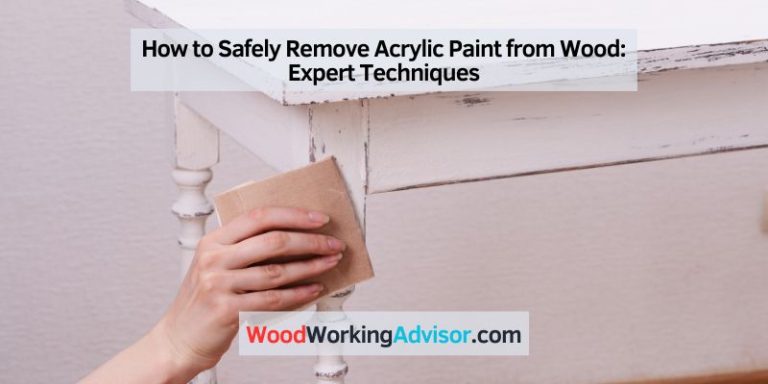
Sanding is what separates an amateur paint job from a professional one. It smooths out imperfections and, more importantly, scuffs up the surface so the primer has something to grip onto.
- If you used wood filler, start by sanding those repaired spots smooth with medium-grit (120-grit) sandpaper until they are flush with the rest of the surface.
- Next, lightly sand all the surfaces you plan to paint. For wood, you’re just looking to remove the glossy top layer of the old finish. For metal, you want to scuff up the surface. For plastic, a very light sanding is all that’s needed to help the primer stick.
- After sanding, the furniture will be covered in fine dust. First, vacuum as much of it as you can. Then, wipe every surface with a tack cloth. A tack cloth is sticky and will pick up all the remaining dust particles that a regular cloth would miss.
Step 5: Apply Your Primer
With a clean, dry, and dust-free surface, it’s time for primer. This is the bridge between the furniture and your paint.
- Stir your primer thoroughly. Don’t shake it, as that can create air bubbles.
- Apply one thin, even coat of primer using your brush, roller, or sprayer. A thin coat is better than a thick one.
- Focus on long, smooth strokes. On chairs, start with the legs and spindles first, then move to the larger surfaces like the seat and back.
- Let the primer dry completely. Check the can for recommended drying times. It might feel dry to the touch in an hour, but it may need several hours to cure properly before painting.
Step 6: It’s Time to Paint!
This is the moment you’ve been waiting for—where the transformation really happens! Patience is key here.
- Stir your exterior paint well. Just like the primer, don’t shake it.
- Apply your first coat of paint. Just like the primer, thin coats are best. A thick coat may look like it’s covering more, but it’s more likely to drip and will take much longer to dry.
- Use long, even strokes and try to maintain a “wet edge” to avoid lap marks. This means painting into the area you just painted.
- Let the first coat dry completely. This is crucial! Rushing to the second coat will ruin the finish. Check the can for recoat times.
- Once it’s dry, apply your second thin coat. This second coat will provide full coverage, a richer color, and maximum durability.
- If you’re using a paint sprayer, the same rules apply. Keep the sprayer moving at a consistent speed and distance from the surface to avoid drips. You can learn more about safe spray painting from resources like the Home Depot’s guide on using a paint sprayer.
Step 7: Let It Cure, Not Just Dry
This is the final test of patience. Paint may feel dry to the touch in a few hours, but it isn’t fully hardened, or “cured.” Curing is the chemical process where the paint becomes its most durable.
Move your newly painted furniture to a protected area like a shed or garage. Let it sit for at least 24-72 hours, or even longer depending on the paint and humidity levels. Read the instructions on the paint can. Rushing this step can lead to scuffs, scratches, or imprints on your beautiful new finish.
Tips for Different Furniture Materials
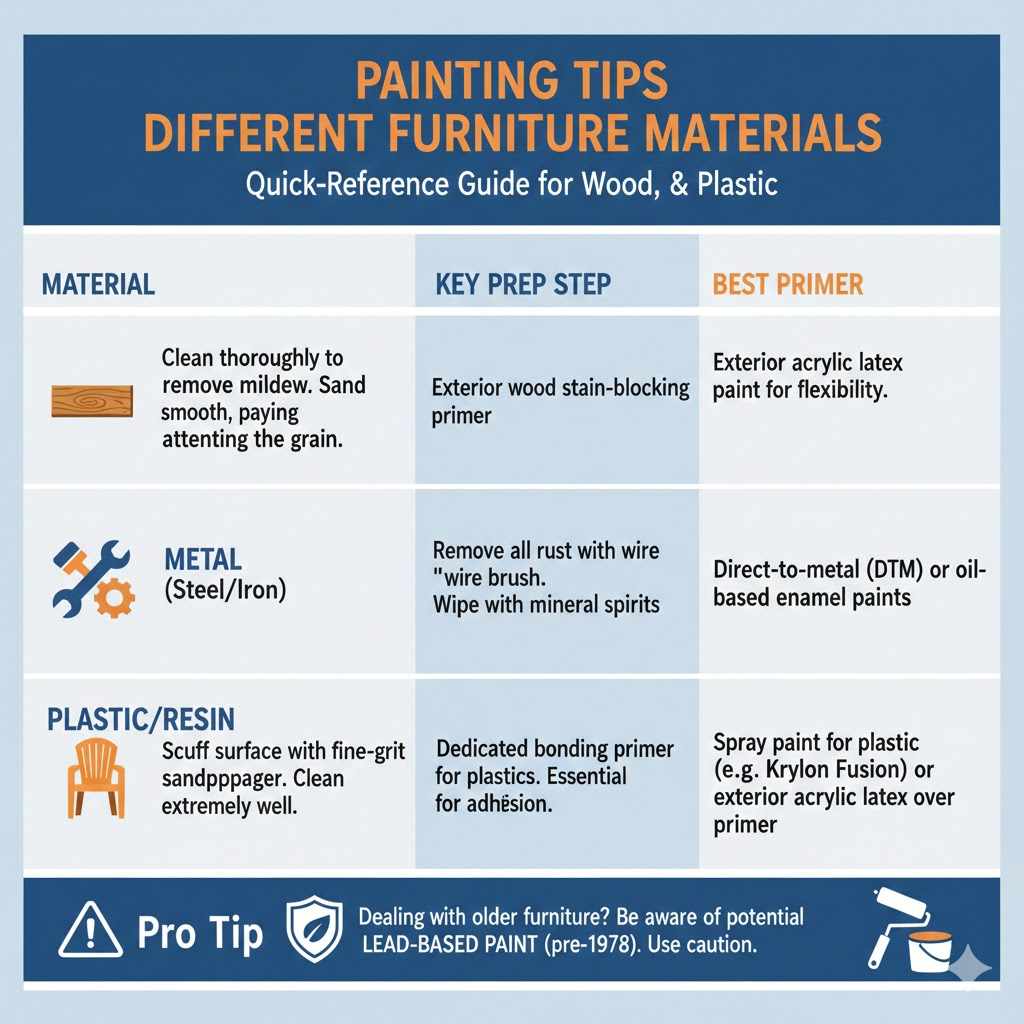
Not all furniture is the same. Here’s a quick-reference table to help you with the specific needs of wood, metal, and plastic.
| Material | Key Prep Step | Best Primer | Best Paint |
|---|---|---|---|
| Wood | Clean thoroughly to remove mildew. Sand smooth, paying attention to the direction of the grain. | Exterior wood stain-blocking primer. | Exterior acrylic latex paint is usually best for flexibility. |
| Metal (Steel/Iron) | Remove all rust with a wire brush. Wipe down with mineral spirits to remove any greasy residue. | A rust-inhibiting (or “rust-reforming”) metal primer. | Direct-to-metal (DTM) or oil-based enamel paints offer a hard, protective shell. |
| Plastic/Resin | Scuff the surface very lightly with fine-grit sandpaper. Clean extremely well. | A dedicated bonding primer designed for plastics. This is essential for adhesion. | A spray paint formulated for plastic (like Krylon Fusion) or an exterior acrylic latex paint over the bonding primer. |
If you’re dealing with older furniture that may have been painted before 1978, be aware of potential lead-based paint. The Environmental Protection Agency (EPA) offers guidelines for safely handling such projects.
Frequently Asked Questions (FAQ)
1. Do I really need to sand my outdoor furniture before painting?
Yes, absolutely! Sanding is a critical step. It does two things: it smooths out imperfections for a better-looking finish, and more importantly, it creates a slightly rough surface that allows the primer and paint to grab on tightly. Skipping this step is the number one reason paint peels off later.
2. What is the best and most durable paint for outdoor wood furniture?
For most DIYers, a high-quality 100% acrylic latex exterior paint is the best choice. It’s durable, flexible enough to expand and contract with the wood as temperatures change, and it has excellent UV resistance to prevent fading. Plus, it’s easy to clean up with soap and water.
3. Can I use a paint sprayer for this project?
You bet! A paint sprayer is a great way to get a very smooth, professional-looking finish with no brush marks, especially on furniture with lots of spindles or detailed areas like wicker. Just make sure to properly thin the paint according to the sprayer’s instructions and practice on a piece of cardboard first. Always wear a mask when using a sprayer.
4. How long will my new paint job last?
If you do the preparation work correctly—thorough cleaning, sanding, and using a quality primer—a good paint job on outdoor furniture can last for several years. The lifespan will depend on your climate and how much direct weather exposure the furniture gets. Covering your furniture or storing it during harsh winter months can significantly extend its life.
5. Do I need a top coat or sealer over the paint?
Generally, no. Most modern exterior paints are formulated to be an all-in-one protective coating. They already have the necessary durability and weather resistance built-in. Adding a separate sealer can sometimes cause issues, like turning yellow in the sun or cracking if it’s not compatible with the paint. Just stick with two solid coats of a high-quality exterior paint.
6. Help! It started to rain after I painted my furniture. What should I do?
Don’t panic! If possible, move the furniture to a covered area immediately. Rain on wet paint can cause spotting and streaks. Let the furniture dry completely for a day or two. Then, lightly sand the affected areas until they are smooth again, wipe away the dust, and apply another thin coat of paint to those spots.
Conclusion: Enjoy Your “New” Furniture
And there you have it! Your worn-out outdoor furniture has been given a second chance, all thanks to your hard work. You’ve not only protected it from the elements but also infused it with your personal style. Every time you relax on your patio or have friends over, you can feel a sense of pride knowing you did this yourself.
Remember, the secrets to success were not in some special, complicated technique. They were in the patient preparation: the cleaning, the sanding, and the priming. By taking your time and following these simple steps, you’ve ensured a beautiful, durable finish that will last for seasons to come. Now, go pour yourself a cool drink, sit back in your beautifully restored furniture, and enjoy the great outdoors.
Happy building (and painting)!
– Md Meraj