How Much Does OSB Cost Per Sheet Compared to Plywood?
OSB often costs less than plywood, while plywood commonly runs higher, so OSB is usually the cheaper option unless moisture, span, or finish quality are important. Picking the wrong panel can raise repair costs, cause swelling or delamination, and shorten the life of the assembly. This guide compares sheet prices, thickness, grade, and project-level value for subfloors, roofing, siding, and similar jobs.
OSB and plywood can both do the same basic jobs, but they do not carry the same risk. OSB is typically the lower-cost panel, while plywood often performs better after short moisture exposure. That difference matters more at the project level than at the cash register.
OSB vs plywood at a glance

What each panel is made
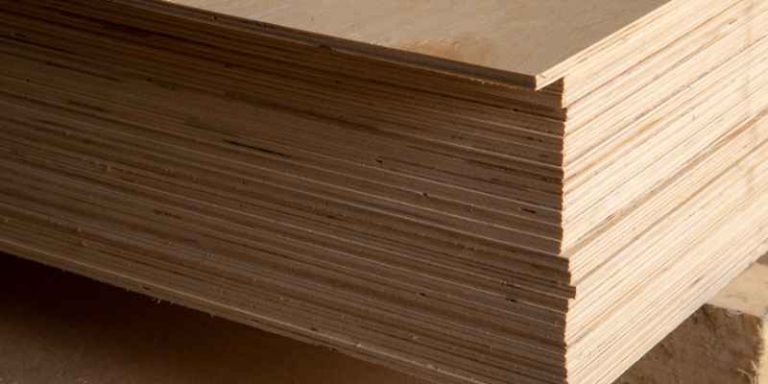
OSB is an engineered wood panel made from wood strands or chips that are oriented in perpendicular directions and glued together with resins and adhesives. Plywood is made from thin sheets of wood veneer glued together with alternating grain directions. Both are sheet goods, and neither is truly waterproof.
That construction difference explains a lot of the price gap. Plywood uses peeled veneer layers, while OSB relies on processed strands that can be made from smaller wood inputs. In plain terms, OSB is generally less expensive than plywood, while plywood is often the better choice when the sheet must keep its shape after moisture exposure.
Common uses for each sheet good
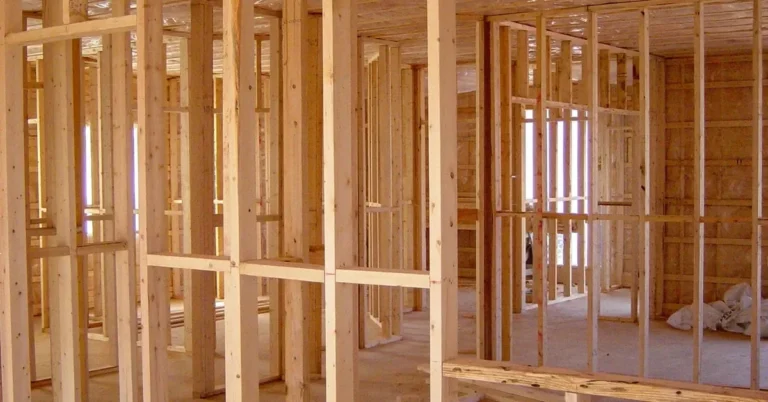
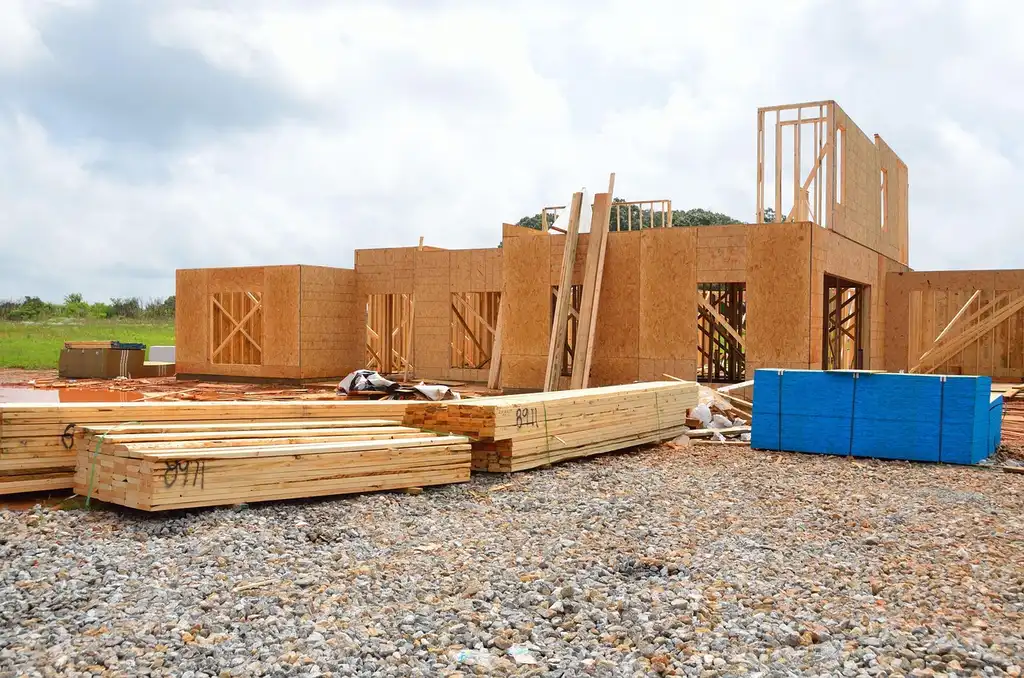
OSB is common for subflooring, roofing, and wall sheathing. Plywood is common for furniture, flooring, cabinetry, roofing, siding, and subflooring. The overlap is large, but the best choice changes with exposure, load, and how visible the finished surface will be. For roofing and subflooring, span ratings and panel ratings are often more useful than thickness alone.
A common first-timer mistake is treating every sheathing job the same. A dry wall sheathing panel behind cladding has a different risk profile than a roof deck near a gutter line or a subfloor on a job that may sit open for a few days.
OSB plywood price table
Sheet price changes with thickness, grade, face quality, and panel size. The ranges below are broad retail-style comparisons for standard 4×8 sheets, aimed at showing the usual gap rather than a fixed market quote.
| Common thickness | OSB per sheet | Plywood per sheet | Typical difference | Best value for |
|---|---|---|---|---|
| 1/2 in. class | $10 to $15 | $20 to $30 | $10 to $15 less for OSB | Dry interior work and covered subfloor areas |
| 5/8 in. class | $12 to $18 | $25 to $40 | $13 to $22 less for OSB | Semi-exposed sheathing where the panel should stay dry most of the time |
| 3/4 in. class | $15 to $20 | $35 to $60 | $20 to $40 less for OSB | Exposed or higher-risk applications where plywood’s recovery helps protect against rework |
The table shows the core trade-off clearly. OSB is cheaper up front at every common thickness, but the value shifts when the sheet is likely to see rain, jobsite exposure, or replacement risk. A lower sticker price is not a bargain if the panel has to come out later.
Is OSB always cheaper than plywood?
OSB is usually cheaper than plywood, but the gap is not fixed. Thickness, grade, panel size, and face quality can shrink or widen the difference. Some specialty plywood panels can cost more because of better faces, moisture-rated adhesive, or a higher structural grade.
How thickness changes the gap
As thickness increases, both products cost more, but plywood often climbs faster. OSB comes in a range of thicknesses, and thicker panels are usually the ones used where span and stiffness matter more. The price spread can grow on thicker sheets because the added material and performance requirements matter more.
How grades and exposure ratings change the gap
Grade affects both price and performance. OSB grades vary by strength and intended use, and plywood grades such as CDX often sit above basic commodity sheathing. CDX plywood uses an exterior-rated, moisture-resistant adhesive, so it costs more than plain interior-grade panel stock and is aimed at roof decking and subfloor work where short-term exposure is possible.
Why panel size can shift the per-sheet number
Standard panel size matters because a 4×8 sheet does not always compare directly with a metric-size panel. OSB panel sizes can vary by market and format, and some suppliers price by format rather than by square foot alone. If the panel size changes, the per-sheet number can look lower or higher even when the area is similar.
Suppose a builder needs ten 3/4 in. sheets for a small outbuilding. If plywood costs about $25 more per sheet, that comes to about a $250 gap before delivery, fasteners, waste, and labor are counted. If the project is dry and covered, OSB may be the sensible buy. If the deck may sit exposed, the lower-cost sheet can become the higher-cost fix.
Why does plywood cost more?
Plywood usually costs more because of how it is built and graded. Thin veneer layers are peeled, dried, bonded with alternating grain directions, and pressed into a panel that often carries better recovery after moisture exposure. Face quality, species mix, and grade also push the price upward.
Veneer construction and adhesive quality
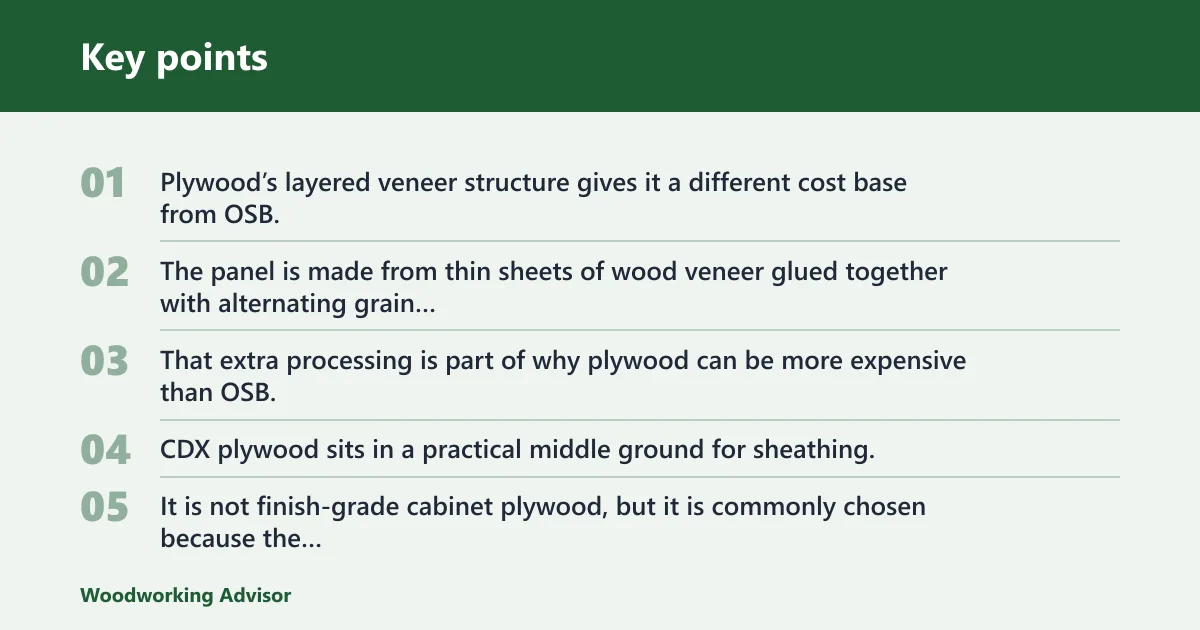
Plywood’s layered veneer structure gives it a different cost base from OSB. The panel is made from thin sheets of wood veneer glued together with alternating grain directions, which takes more processing than strand-based OSB. That extra processing is part of why plywood can be more expensive than OSB.
CDX plywood sits in a practical middle ground for sheathing. It is not finish-grade cabinet plywood, but it is commonly chosen because the exterior-rated adhesive and its short-term moisture tolerance make it more forgiving than basic interior panel stock.
Grade, species, and face quality
Higher plywood grades cost more when the face veneer is cleaner, the core is better matched, or the panel is intended for visible work. That matters for furniture, cabinetry, and flooring underlays where the face may be seen or where a flatter, cleaner panel saves sanding and patching time.
Why CDX usually sits above basic OSB
CDX plywood can tolerate short-term moisture exposure without delaminating, and after soaking it swells moderately in thickness and most swelling reverses once dry. OSB can swell substantially, and that swelling is often permanent after wet-dry cycles. That difference gives CDX a pricing premium when replacement risk matters more than the sticker price.
How do moisture and strength change the value?
Moisture exposure changes value because damage is expensive. OSB can swell and lose strength with prolonged moisture, especially after repeated wet-dry cycles. Plywood dries faster and recovers better, so it often keeps more of its useful shape when a panel is exposed for a short period. Some higher-performance OSB products also narrow the moisture gap compared with standard sheathing.
Swelling, drying, and recovery after wetting
In a dry wall or floor assembly, OSB’s lower price often wins. In an exposed roof deck or a subfloor left open during a weather delay, plywood’s better recovery can prevent edge swell, panel ridging, and replacement. That is a project cost issue, not just a material-spec issue.
Picture a 2.4m x 1.2m roof deck section that catches rain before the shingles go on. If the panel only needs to dry, a moisture-tolerant plywood panel may hold its shape better. If the same exposure causes OSB to swell at the edges, the repair can involve sanding, trimming, or full replacement.
Stiffness, screw-holding, and span use
Plywood and OSB can both be suitable structural panels, but performance varies by load direction, panel rating, and application. A panel choice that works well in one assembly may not be the best choice in another, especially when span, fastening, and exposure are part of the decision.
When replacement risk outweighs the lower sticker price
OSB’s lower price can disappear if the panel has to be replaced after water exposure. The true cost then includes the original sheet, labor to remove it, new fasteners, downtime, and the risk of damaging adjacent materials. For exposed work, that risk can easily outrun the initial savings.
Choose OSB if… / Choose plywood if…
Choose OSB when the job is dry, covered, and price-sensitive. Choose plywood when exposure, stiffness, or finish quality is more important than the lowest sheet price. The right answer depends on where the panel will live, how long it may be exposed, and what happens if it gets wet.
- Choose OSB if the work is a dry interior subfloor, wall sheathing behind siding, or a covered roof assembly that will close up quickly.
- Choose OSB if low upfront cost matters more than face quality, and the panel will not be repeatedly wetted.
- Choose plywood if the panel may see short-term moisture, a jobsite delay, or repeated wet-dry cycles.
- Choose plywood if the assembly needs better stiffness, better screw-holding, or a cleaner surface for furniture, cabinetry, or finish work.
Basic pros and cons
OSB pros: lower price, common availability, good structural use for sheathing and subfloors, and a wide size range for standard building work. OSB cons: poorer moisture recovery than plywood, more swelling risk after wetting, and a rougher face that is not suited to visible finish work.
Plywood pros: better moisture recovery, useful structural performance across many panels, and more versatile use across sheathing and visible woodwork. Plywood cons: higher cost, greater price variation by grade, and a larger upfront spend when the assembly does not actually need the extra performance.
Frequently asked questions
How much does OSB cost per sheet compared to plywood?
OSB usually costs less than plywood. The exact number depends on thickness, grade, and face quality, but OSB is generally less expensive than plywood for the same size panel.
How much cheaper is OSB than plywood for the same thickness?
OSB sheets typically cost less than plywood panels of equivalent size and thickness. In practical terms, the gap can widen on thicker sheets, especially when the plywood is a higher grade like CDX.
Why is plywood more expensive than OSB?
Plywood uses layered veneer, alternating grain directions, and more processing than strand-based OSB. It also tends to carry better moisture recovery and a different stiffness profile, which raises value and cost. Face quality and grade can push the price higher still.
When is plywood worth the extra cost over OSB?
Plywood is worth the extra cost when the panel may get wet, must recover after short exposure, or needs better performance for the assembly. It also makes sense for furniture, cabinetry, and finish work where the panel face or movement matters more than the lower sheet price.
What are OSB and plywood typically used for?
OSB is commonly used for subflooring, roofing, and wall sheathing because it is cost-effective. Plywood is common for furniture, flooring, cabinetry, roofing, siding, and subflooring. Both are useful sheet goods, but the better pick depends on exposure and finish demands.
Sponsored / affiliate links. As an Amazon Associate I earn from qualifying purchases. I may earn additional commission from eligible campaigns.
 LISHINE 8 Pack 12 x 12 x 1/4 Inch Baltic Birch Plywood 6mm Wood Sheet, Baltic Birch Sheets for Cricut Maker, Architectural Models, Drawing Painting, Wood Burning Laser
 30 Pack 12"x18"x1/16 Basswood Sheets for Crafts- Thin Plywood Sheets - Balsa Wood Sheets -Unfinished Wood Boards for Painting,Laser Cutting,Engraving, Burning and CNC Cutting