How to Stain Wood Deck: A Step-by-Step Guide
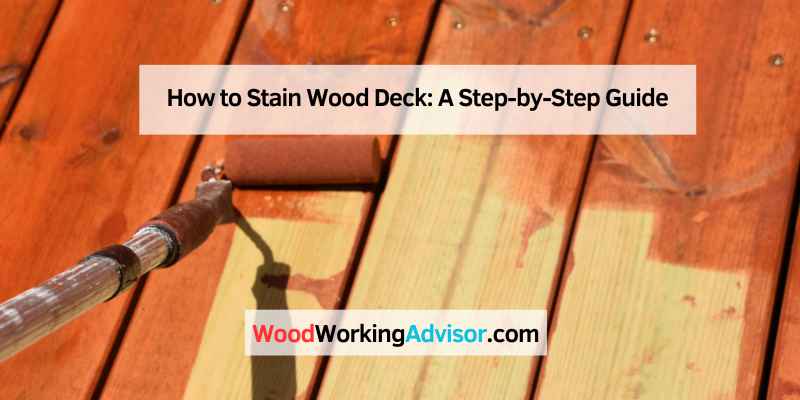
To stain a wood deck, start by cleaning and preparing the surface, then choose a suitable stain and apply it using a brush or roller for a smooth finish. Staining a wood deck not only enhances its appearance but also protects it from weather damage and prolongs its lifespan.
A well-maintained wood deck adds value and aesthetic appeal to your outdoor space. However, exposure to the elements can cause the wood to deteriorate over time. Staining your deck not only revitalizes its appearance but also provides a protective barrier against moisture, UV rays, and foot traffic.
Additionally, the process of staining a wood deck is relatively straightforward and can be accomplished with the right tools and techniques. We will explore the essential steps and best practices for staining a wood deck to achieve a professional-looking finish that will stand the test of time.
Introduction To Wood Deck Staining
Staining your wood deck not only enhances its appearance but also provides protection against the elements, ensuring its longevity. Whether you’re a seasoned DIY enthusiast or a complete novice, learning the art of deck staining can be a rewarding experience. In this guide, we’ll explore the benefits of staining your deck and the best time to undertake this rejuvenating process.
Benefits Of Staining Your Deck
- Enhances the aesthetic appeal of your deck
- Protects the wood from weathering, rot, and decay
- Prevents cracking, splintering, and warping of the wood
- Acts as a barrier against UV rays and moisture
- Increases the lifespan of your deck
Best Time To Stain A Deck
It’s ideal to stain your deck during the spring or fall when the weather is mild and dry. Avoid staining your deck in extreme heat or direct sunlight, as this can cause the stain to dry too quickly, resulting in an uneven finish. Additionally, ensure that the wood is clean and dry before staining to achieve the best results.
Tools And Materials Needed
Staining your wood deck can give it a fresh new look while also protecting it from the elements. Before you get started, you’ll need to gather the necessary tools and materials.
Choosing The Right Stain
There are a variety of deck stains available, so it’s important to choose the right one for your deck. Consider the type of wood your deck is made of, as well as the level of protection you want the stain to provide. Some stains are water-based, while others are oil-based. Water-based stains are easier to clean up, but oil-based stains tend to last longer.
Essential Application Tools
Once you’ve chosen your stain, you’ll need to gather the necessary tools for application. Here are the essential tools you’ll need:
| Paintbrush | For applying stain to small areas and hard-to-reach places. |
| Roller | For applying stain to large areas quickly. |
| Sprayer | For a more even coat of stain. |
| Pressure Washer | For cleaning the deck before staining. |
| Sanding Block | For smoothing rough areas on the deck. |
| Stir Stick | For stirring the stain before application. |
| Drop Cloths | To protect surrounding areas from stain. |
By having the right tools and materials on hand, you can ensure a successful wood deck staining project. Whether you’re a seasoned DIYer or a beginner, staining your deck is a great way to improve your outdoor space.
Preparing Your Deck
Before you can begin staining your wood deck, it is important to properly prepare the surface. This will ensure that the stain adheres well and provides long-lasting protection. In this section, we will guide you through the necessary steps to prepare your deck for staining.
Clearing The Space
The first step in preparing your deck is to clear the space of any furniture, plants, or other items. This will give you a clean and unobstructed surface to work with. It is important to move all objects off the deck and store them in a safe place until the staining process is complete.
Tightening Deck Screws
Once the space is clear, it’s time to inspect and tighten any loose deck screws. Over time, these screws can become loose due to weather conditions and regular use. Use a screwdriver or a drill to tighten any screws that are sticking out or feel loose. This step will ensure that your deck is stable and secure before applying the stain.
Sweeping And Removing Debris
Next, thoroughly sweep the deck surface to remove any dirt, leaves, or debris. Use a broom or a leaf blower to clear the surface, paying special attention to the gaps between the boards where debris may accumulate. This will create a clean and smooth surface for the stain to adhere to.
If there are any stubborn stains or mold on the deck, you may need to use a deck cleaner or a power washer to remove them. Follow the manufacturer’s instructions for the cleaner or power washer and ensure that you wear protective gear, such as goggles and gloves, while using these tools.
By following these steps to prepare your deck, you will create an ideal surface for staining. Once your deck is clean and dry, you will be ready to move on to the next step of the staining process.
Cleaning The Deck Surface
Before you can start staining your wood deck, it’s essential to properly clean the deck surface. Cleaning not only removes dirt, grime, and mildew but also helps to ensure that the stain adheres properly and lasts longer. Here’s a step-by-step guide on how to clean your deck surface effectively.
Applying The Cleaner
The first step in cleaning your deck surface is to apply a deck cleaner. Deck cleaners are designed to remove dirt, mildew, and other contaminants that can accumulate on the surface over time. To apply the cleaner, follow these steps:
- Clear the deck of any furniture, planters, or other items that might obstruct the cleaning process.
- Sweep the deck surface to remove loose debris and leaves.
- Prepare the deck cleaner according to the manufacturer’s instructions.
- Apply the cleaner to the deck surface using a pump sprayer or a scrub brush.
- Scrub the surface gently to ensure even coverage and to loosen any stubborn dirt or stains.
Pressure Washing Tips
While scrubbing the deck surface can effectively remove dirt and grime, using a pressure washer can provide a deeper clean. Here are some tips for using a pressure washer to clean your deck:
- Choose a pressure washer with an appropriate PSI (pounds per square inch) for your deck material. Consult the manufacturer’s guidelines or a professional if you’re unsure.
- Start by testing the pressure washer on a small, inconspicuous area of the deck to ensure it doesn’t cause any damage.
- Hold the pressure washer nozzle at a consistent distance from the deck surface to avoid uneven cleaning or potential damage.
- Use a sweeping motion while pressure washing, moving from one end of the deck to the other.
- Pay extra attention to areas with visible stains or heavy dirt buildup.
Allowing The Deck To Dry
After cleaning the deck surface, it’s crucial to allow it to dry completely before proceeding with the staining process. This ensures that the wood is ready to absorb the stain properly. Here’s what you need to do:
- Give the deck ample time to dry naturally. Depending on the weather conditions, this can take anywhere from 24 to 48 hours.
- Avoid staining the deck while it’s still damp, as it can prevent the stain from penetrating the wood effectively.
- If you’re unsure whether the deck is dry, conduct a simple water droplet test. Sprinkle a few drops of water on the surface. If the water beads up, the deck is not ready for staining. If it absorbs into the wood, the deck is dry and ready for the next step.
By following these steps to clean your deck surface thoroughly, you’ll ensure optimal stain adhesion and a beautiful, long-lasting finish.
Sanding For A Smooth Finish
To achieve a smooth finish when staining a wood deck, it is important to sand the deck before applying the stain. Sanding helps to remove any rough spots or imperfections on the surface, ensuring an even and professional-looking result. By following this step, you can enhance the overall appearance and longevity of your wood deck.
Sanding is an essential step in staining your wood deck, as it helps to create a smooth surface for the stain to adhere to. Before sanding, it is crucial to ensure that your deck is clean and free of debris. You can use a pressure washer or a deck cleaner to achieve this.
Choosing the Right Sandpaper
When it comes to selecting sandpaper, it is essential to choose the right grit for your project. For deck sanding, it is recommended to use 80-100 grit sandpaper for the initial sanding. For a smoother finish, you can use 120-150 grit sandpaper for the final sanding.
Sanding Techniques
To achieve a smooth finish, it is crucial to use the right sanding technique. You can use a sanding block or a power sander for larger decks. When sanding, it is recommended to work in the direction of the wood grain to avoid creating scratches or marks on the surface.
Cleaning After Sanding
After sanding, it is essential to clean the surface thoroughly to remove any dust or debris. You can use a broom or a vacuum cleaner to achieve this. It is crucial to ensure that the surface is completely dry before applying the stain.
In conclusion, sanding is an essential step in staining your wood deck. By following the right techniques and using the appropriate sandpaper, you can achieve a smooth finish that will enhance the beauty of your deck. Remember to clean the surface thoroughly after sanding to ensure that the stain adheres properly.
Applying The Stain
To achieve a beautifully stained wood deck, the application process is crucial. Here are some tips for applying stain effectively:
Staining Handrails And Balusters
- Use a brush for precision on handrails and balusters.
- Apply stain evenly to avoid drips and runs.
- Work in small sections for a consistent finish.
Techniques For Even Stain Application
- Start with a clean surface free of debris.
- Apply stain in the direction of the wood grain.
- Use a roller for larger areas and a brush for edges.
Staining Between Deck Boards
Staining between deck boards can be challenging but important for a cohesive look. Here’s how to tackle it:
| Method | Tips |
|---|---|
| Brushing | Use a small brush for precise application. |
| Staining Pad | Slide the pad between boards for even coverage. |
Drying And Reapplying
To stain a wood deck, you should first clean the deck surface thoroughly by sweeping away dust and debris. Then, apply a deck cleaner using a roller or sprayer, following the manufacturer’s instructions. After cleaning, allow the deck to dry completely before sanding any rough areas.
Finally, choose a stain and apply it using a brush for better control and precision.
Required Drying Time
Allow stained deck to dry completely before reapplying.
When To Apply A Second Coat
Apply second coat when first coat is fully dried.
Maintenance And Care
Regular Deck Maintenance
Inspect deck for damage. Clean debris. Sweep regularly. Trim nearby vegetation.
When To Restain Your Deck
Check water repellency. Perform splash test. Consider foot traffic. Observe fading.
Safety Tips And Tricks
Proper Ventilation
Adequate ventilation is crucial when staining a wood deck to prevent inhaling harmful fumes.
Using Protective Gear
Wear protective gear like gloves, safety goggles, and a mask to shield yourself from chemicals.
Troubleshooting Common Issues
Learn how to stain a wood deck with ease by following these helpful tips. Before starting the staining process, make sure to clean and sand the deck thoroughly. Use a brush or roller to apply the stain evenly, and allow it to dry completely before using the deck.
Staining your wood deck is a great way to give it a fresh and new look. However, there are common issues that may arise during and after the staining process. These issues may include stain bubbles, uneven coverage, peeling, and flaking. But don’t worry, there are ways to troubleshoot these problems and achieve a beautifully stained deck.
Dealing with Stain Bubbles
Stain bubbles can occur due to several reasons such as applying too much stain, using a low-quality product, or staining under direct sunlight. To fix this issue, wait for the bubbles to dry completely, then sand the affected area lightly. Remove any remaining debris with a clean cloth and apply a new coat of stain in a thin layer. Avoid overloading the brush or roller with too much stain.
Fixing Uneven Stain Coverage
Uneven stain coverage can be frustrating, especially after putting in so much effort. This issue can be caused by applying too little or too much stain, not spreading the stain evenly, or staining over a dirty surface. To fix this issue, start by sanding the unevenly stained area lightly. Then, clean the surface with a deck cleaner and let it dry completely. Finally, apply a new coat of stain in a thin layer, ensuring an even spread.
Addressing Peeling and Flaking
Peeling and flaking occur when the stain doesn’t adhere properly to the wood surface. This problem can be caused by using a low-quality stain, not cleaning the surface properly, or applying the stain on a damp surface. To fix this issue, start by sanding the affected area lightly. Then, clean the surface with a deck cleaner and let it dry completely. Finally, apply a new coat of stain in a thin layer, ensuring that the surface is dry and clean before application.
In conclusion, staining your wood deck can be a rewarding experience, but it’s important to troubleshoot any issues that may arise. By following the tips above, you can fix common staining problems and achieve a beautifully stained deck that will last for years to come.

Frequently Asked Questions
What Is The Best Way To Apply Stain To A Wood Deck?
To apply stain to a wood deck, start by cleaning and sanding the surface. Use a brush or roller for precise application. Choose a quality stain and apply it evenly. Allow the stain to dry completely for best results. Regular maintenance will keep your deck looking great.
Is It Better To Roll Or Brush Deck Stain?
Brushing allows for more control and precision, while rolling is faster for larger areas. Both methods work well, but choose the right roller for even application.
How Do You Stain A Deck For Dummies?
Staining a deck for dummies is easy! First, clean the deck with a deck cleaner. Then, sand any rough areas. Next, choose a stain and apply it using a brush or roller. Be sure to protect other surfaces with painter’s tape.
Let the stain dry completely before enjoying your newly stained deck!
How Do You Prepare Decking Before Staining?
To prepare your decking before staining, start by thoroughly sweeping to remove dust and debris. Apply a cleaner using a roller or sprayer according to the manufacturer’s instructions. Ensure the surface is clean and dry before applying the stain for best results.
Conclusion
Staining a wood deck is a crucial step in maintaining its beauty and longevity. By following the proper techniques and using the right tools, you can achieve a professional-looking finish. Remember to thoroughly clean and prepare the deck before applying the stain, and choose a high-quality stain that suits your needs.
Whether you decide to brush or roll the stain, make sure to apply it evenly and allow sufficient drying time. With a well-stained deck, you can enjoy outdoor living to the fullest while protecting your investment.