Is MDF Better Than Wood: Discover the Truth
Choosing the right material for your next project can make all the difference. You might find yourself wondering, “Is MDF better than wood?”
It’s a common question with a lot riding on the answer. Whether you’re crafting furniture, renovating your home, or involved in any DIY endeavor, the materials you select can impact durability, cost, and even the final look of your piece.
You’ll want to know which option offers the best quality, the best price, and the best fit for your needs. This article will delve into the strengths and weaknesses of both MDF and wood, helping you make an informed decision. Stay with us, because the insights you’ll gain could save you time, money, and effort on your next project.
MDF Vs Wood: Key Differences
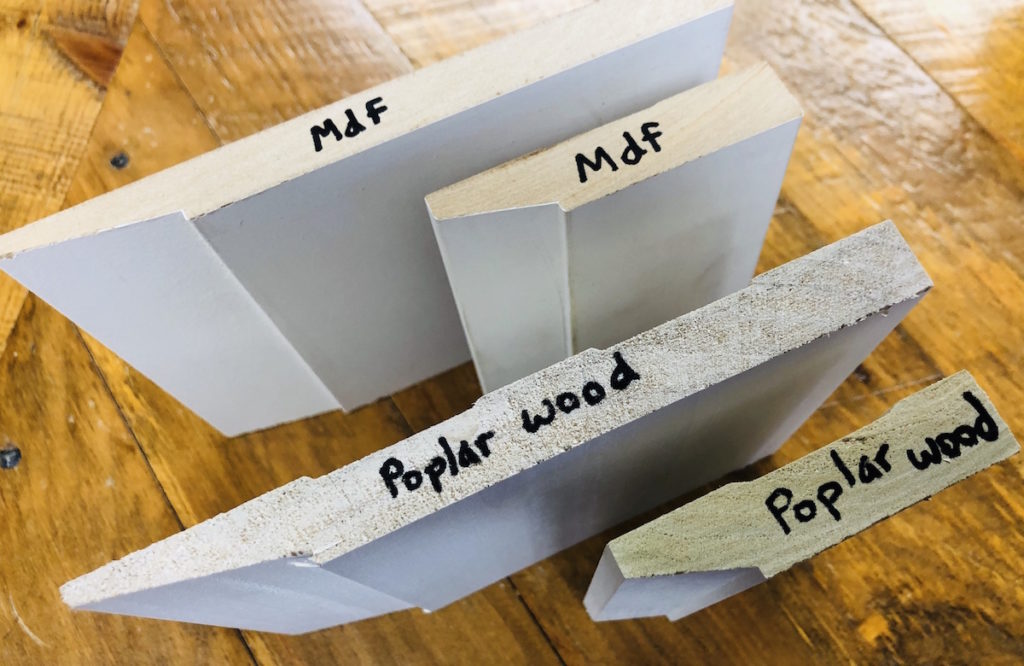
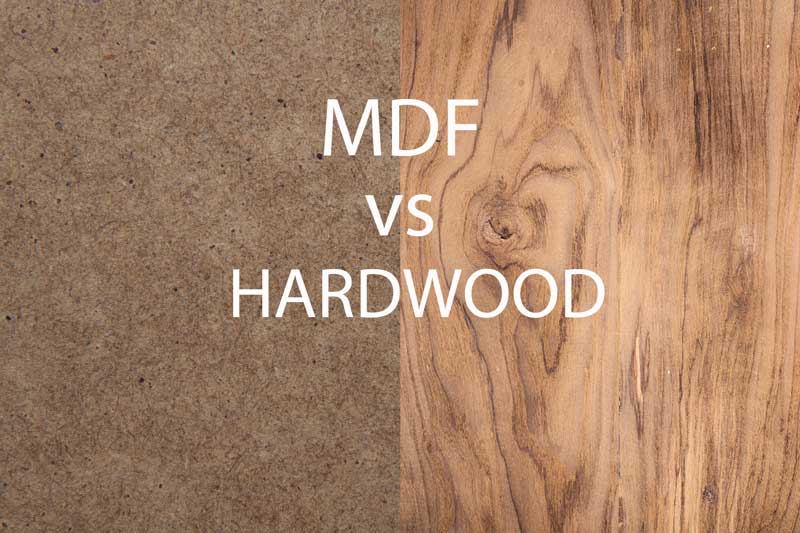
MDF is made from tiny wood fibers. They are mixed with glue. Wood is natural. It comes from trees. MDF is smooth. Wood has grains and knots.
MDF is pressed under heat. Wood is cut from logs. MDF uses machines. Wood uses saws. MDF can be shaped easily. Wood is harder to shape.
MDF is dense. Wood is strong. MDF can break easily. Wood is tougher. MDF is heavy. Wood is lighter. MDF does not swell in water. Wood can swell.
Credit: www.royalwoodshop.com
Durability And Strength
MDF can resist moisture better than natural wood. Wood swells when it gets wet. MDF stays the same size. It’s great for bathrooms and kitchens. Wood may rot over time if wet. MDF does not rot easily. It stays strong.
MDF is strong but not very tough. Wood can handle bumps better. MDF may chip if hit hard. Wood can bend a little without breaking. It is good for furniture that gets moved a lot. MDF is best for places with less movement.
MDF lasts a long time if kept dry. Wood can last even longer. With proper care, wood furniture can last generations. MDF needs less care but may not last as long. It is good for short-term use or trendy designs.
Cost And Affordability
MDF is often cheaper than real wood. It’s made from wood fibers, which are less costly. Real wood takes more work to make. This makes it pricier. MDF is a great choice if you want to save money. You can use the extra money for other things.
People often choose MDF for budget-friendly projects. It’s perfect for furniture and shelves. You can paint or finish it easily. This makes it look good without spending a lot. If saving money matters, MDF is a smart choice.
MDF gives good value for its price. It’s strong and lasts long. You don’t need to replace it often. This saves money over time. Real wood may need more care and can be expensive. MDF is a wise investment for those on a budget.
Credit: mccoymart.com
Aesthetic Appeal
MDF offers a smooth and even surface. It’s perfect for painting or veneering. Wood has a natural grain. This can make finishing a bit tricky. Sometimes it requires more sanding or sealing. MDF, being uniform, takes paint well. It gives a more polished look. But some prefer the natural beauty of wood. It has unique patterns.
MDF can be shaped easily. It’s great for intricate designs. You can create detailed patterns. Wood, being natural, is a bit tougher. It requires more effort and skill to shape. MDF allows for more experimentation with designs. You can try many styles. Wood provides a traditional feel. It’s classic but less flexible.
MDF comes in many finishes. You can choose from plain, glossy, or textured. It fits modern styles well. Wood offers natural hues and textures. Each piece is unique. MDF can mimic wood looks with veneers. It offers a wide range of color options. Wood has a timeless charm. But MDF offers more consistency in appearance.
Environmental Impact
MDF uses recycled wood fibers. It helps save trees. Real wood needs cutting down trees. MDF production needs less energy than wood. This makes it more sustainable. MDF can be made from waste wood. Using waste wood is eco-friendly. Sustainability is important for our planet.
MDF is hard to recycle. Special processes are needed. Real wood is easier to recycle. It can rot and return to nature. MDF cannot rot. It creates more waste than wood. Waste management is important. Recycling helps reduce waste. It helps keep our environment clean.
Bamboo is a good choice. It grows fast. Cork is another option. It is natural and renewable. Using eco-friendly materials helps the planet. Choose materials wisely. Think about the environment. Protecting nature is important.
Credit: sears-trostel.com
Applications And Uses
MDF is used in making furniture. It is smooth and easy to cut. People like it for cabinets and shelves. MDF is cheaper than real wood. It is also more stable. Wood can warp or crack. MDF stays the same shape. This makes it great for flat surfaces. MDF is often used with a veneer. This makes it look like real wood.
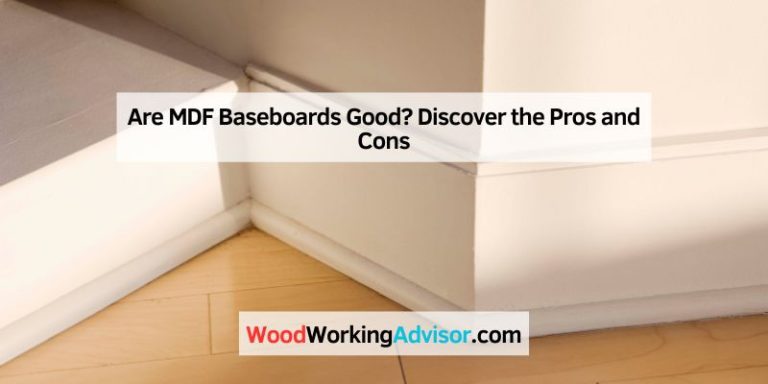
In homes, MDF is popular for decorative pieces. It is used for wall panels and moldings. People like the smooth finish. MDF is easy to paint and can be made to look fancy. It is also used for window sills and door frames. MDF can be shaped into curves. This is hard to do with regular wood.
MDF finds use in speaker boxes. It helps make sound clear. It is also used in stage sets for plays. MDF is strong and can hold weight. It is used in schools and offices. Desks and tables often have MDF tops. MDF is versatile and has many uses.
Maintenance And Care
MDF surfaces need gentle care. Use a soft cloth for dusting. Avoid water and harsh chemicals. Dry cloth is best for daily cleaning. Stains need quick action. Use mild soap and water for stubborn spots. Do not soak the MDF. Wipe off moisture immediately. This prevents damage.
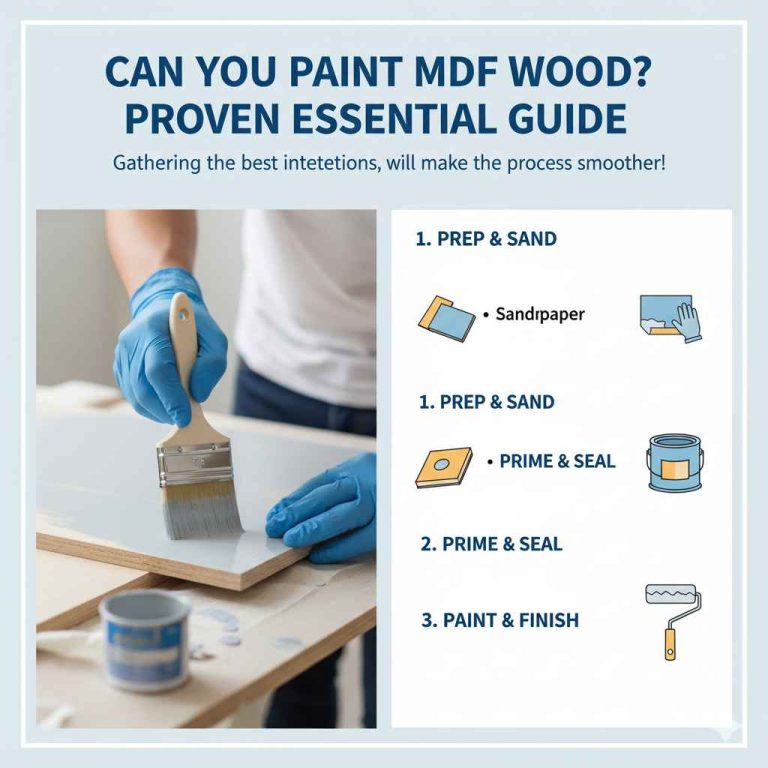
MDF can chip or scratch easily. Fix small chips with wood filler. Let it dry and sand it smooth. For bigger damages, replacement may be needed. Paint can refresh the look. Choose a suitable primer and paint. Ensure a smooth finish. This restores the charm of MDF.
Keep MDF away from water. Moisture can warp the material. Use coasters under cups and pots. Protect from direct sunlight. Sun can fade colors. Place furniture pads under heavy items. This prevents scratches. Regular care keeps MDF looking new.
Pros And Cons
MDF is cheaper than wood. It is easy to paint. Smooth surface makes designs easy. MDF does not warp. It is uniform and dense. Ideal for furniture and cabinets. Resistant to insects. No grain means no splinters.
Wood is strong. Natural beauty appeals to many. Durable for long use. Easy to repair. Can be refinished many times. Great for outdoor use. Unique grain gives character. Ages well with time.
MDF can swell with water. Not as strong as wood. Cannot be sanded easily. Wood is costly. May warp with humidity. Can attract termites. Needs regular maintenance. Can splinter if cut wrong.
Frequently Asked Questions
What Are The Disadvantages Of MDF?
MDF is susceptible to moisture, leading to swelling and damage. It lacks the strength of solid wood. The material can emit formaldehyde, affecting indoor air quality. MDF is prone to chipping and splitting during cutting or nailing. It’s heavier than plywood, making it difficult to handle.
Should I Use MDF Or Wood?
Choose MDF for smooth surfaces and affordability. Opt for wood for durability and natural aesthetics. Consider project needs and budget.
When Should You Not Use MDF?
Avoid using MDF in high-moisture areas like bathrooms or kitchens. It swells and breaks when wet. MDF isn’t suitable for outdoor use, heavy loads, or where durability is crucial. Choose solid wood or plywood for strength and longevity. MDF emits formaldehyde, so consider air quality and health concerns.
Does MDF Last As Long As Wood?
MDF doesn’t last as long as solid wood. It is less durable and more prone to damage. Solid wood withstands wear and tear better, offering greater longevity. MDF is more affordable and versatile but needs careful handling to maintain its condition over time.
Conclusion
Choosing between MDF and wood depends on your needs. MDF offers a smooth surface, perfect for painting. It resists warping, making it great for indoor use. On the other hand, wood provides natural beauty and strength. It’s ideal for outdoor projects and heavy-duty furniture.
Consider your project’s requirements before deciding. Both materials have their strengths. MDF suits budget-friendly projects, while wood adds timeless elegance. Weigh the pros and cons to make an informed choice. Your decision impacts design and durability. Select wisely to match your vision and budget.