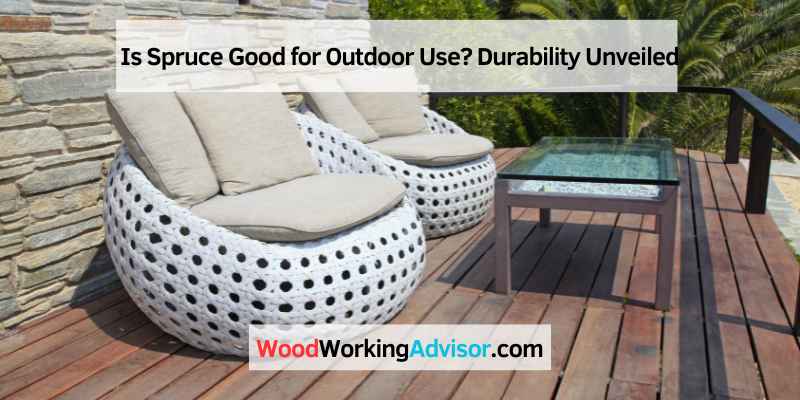
Is Spruce Good for Outdoor Use? Durability Unveiled
Yes, spruce is a good option for outdoor use due to its natural durability and resistance to decay. With its high strength-to-weight ratio and ability to withstand harsh weather conditions, spruce is commonly used for outdoor projects such as decking, siding, and fencing.
Spruce, a type of softwood, is highly regarded for its suitability in outdoor applications. Its natural durability allows it to resist rotting and decay, making it an ideal choice for outdoor structures that are exposed to moisture and weathering. Additionally, spruce has a high strength-to-weight ratio, which makes it strong and sturdy while remaining lightweight.
This characteristic makes it easier to handle and work with during construction. Whether used for decking, siding, or fencing, spruce is a reliable and cost-effective option for outdoor projects. Its versatility and ability to withstand the elements make it a popular choice among builders and homeowners alike.
Introduction To Spruce Wood
Spruce wood is a popular choice for outdoor use due to its natural resistance to decay and durability in various weather conditions. Its light color and smooth texture make it ideal for furniture, decking, and other outdoor structures.
Spruce wood is a popular choice among builders and designers due to its versatility and affordability. It is a softwood that is commonly found in the northern hemisphere and is often used in construction, furniture making, and paper production. Spruce wood has a uniform texture and straight grain, making it easy to work with. But the question is, is spruce good for outdoor use? Let’s take a closer look at the characteristics of spruce to find out.
Characteristics Of Spruce
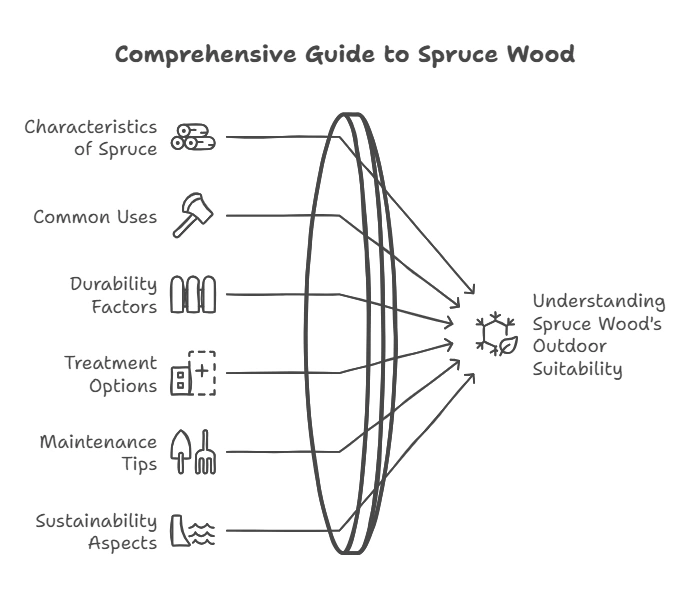
Spruce wood has a pale, yellowish-white color, which can be stained or painted to match any design scheme. It has a low density, making it lightweight and easy to handle. However, this also means that spruce wood is not as durable as some other hardwoods and is more prone to rot and decay. To make spruce wood more resistant to outdoor elements, it is often pressure-treated with chemicals that prevent fungal decay and insect infestation.
Common Uses In Construction And Design
Spruce wood is commonly used in construction for framing, roof decking, and sheathing. It is also used in the manufacturing of musical instruments, such as guitars, due to its acoustic properties. In design, spruce wood is often used for interior trim, cabinetry, and furniture making. Its soft texture and straight grain make it easy to carve and shape, allowing for intricate designs.
In conclusion, while spruce wood may not be the most durable option for outdoor use, it is still a popular choice among builders and designers due to its affordability and versatility. By treating spruce wood with chemicals, it can be made more resistant to outdoor elements. However, if you are looking for a wood that is naturally resistant to decay and rot, then you may want to consider other hardwood options.
Comparing Outdoor Woods
When it comes to choosing the right wood for outdoor projects, durability is a key factor to consider. One popular option is spruce, but how does it compare to other popular woods in terms of outdoor use? Let’s take a closer look.
Spruce Vs. Other Popular Woods
When comparing spruce to other popular woods for outdoor use, it’s important to consider various factors that can affect wood durability. Let’s explore some of these factors:
Factors Affecting Wood Durability
1. Moisture resistance: One of the biggest challenges for outdoor wood is its ability to withstand moisture. Spruce is known for its low moisture resistance compared to other woods like cedar or teak. However, when properly treated and sealed, spruce can still perform well in outdoor settings.
2. Rot resistance: The resistance to rot is a crucial aspect of outdoor wood durability. While spruce is not as naturally rot-resistant as woods like redwood or cypress, it can still hold up well if treated with preservatives and maintained regularly.
3. Strength: The strength of the wood is another important consideration for outdoor projects. Spruce is a relatively strong wood, but it may not be as durable as woods like oak or ipe. For heavy-duty applications, other woods may be a better choice.
4. Price: Cost is often a determining factor when choosing outdoor woods. Spruce is generally more affordable compared to woods like teak or mahogany, making it a popular choice for budget-conscious projects.
5. Appearance: The aesthetic appeal of the wood is also a consideration for many outdoor projects. Spruce has a light, pale color with minimal grain patterns, which may be desirable for some designs. However, if you prefer a richer and more pronounced grain, other woods like oak or cedar might be more suitable.
Remember, the specific requirements of your outdoor project will ultimately determine the best wood choice. Consider the factors mentioned above and consult with a professional if needed to ensure you make an informed decision.
Spruce Wood Durability
When it comes to outdoor use, it is important to consider the durability of the wood. Spruce wood, known for its strength and versatility, is a popular choice for various outdoor applications. Understanding its durability factors, such as resistance to rot and pests, as well as weathering and longevity, can help you make an informed decision about using spruce wood for your outdoor projects.
Resistance To Rot And Pests
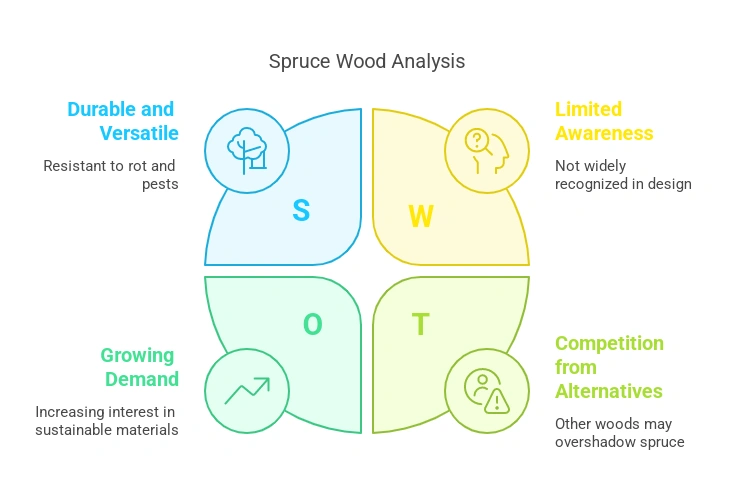
Spruce wood exhibits a good level of resistance to rot and pests. Its natural properties make it less susceptible to decay caused by moisture, which is crucial for outdoor use where the wood is exposed to the elements. Additionally, spruce wood contains certain compounds that act as a deterrent to pests, reducing the risk of insect infestation.
Weathering And Longevity
When properly treated and maintained, spruce wood can withstand various weather conditions and retain its structural integrity over time. While it may not have the same level of natural weather resistance as some hardwoods, applying a protective finish can significantly enhance its ability to withstand moisture, UV rays, and other environmental factors. Regular maintenance, such as cleaning and reapplying finishes, can help prolong the lifespan of spruce wood in outdoor settings.
Overall, spruce wood offers a favorable combination of durability, affordability, and versatility for outdoor use. Its resistance to rot and pests, along with proper treatment and maintenance, make it a suitable choice for a wide range of outdoor projects, including decking, fencing, siding, and more.
Treatment And Protection
Spruce is an excellent choice for outdoor use due to its natural durability and resistance to rot. It is commonly used in outdoor furniture and construction projects to provide long-lasting protection against the elements. Proper treatment can further enhance its lifespan.
Preservatives For Spruce
Spruce is commonly treated with oil-based preservatives to protect it from outdoor elements.
Sealing And Staining Options
Sealing spruce enhances durability and weather resistance for outdoor applications.
Maintenance Of Outdoor Spruce
Maintenance of outdoor spruce is essential to keep it in good condition and increase its lifespan. Spruce wood is a popular choice for outdoor use due to its durability and affordability. However, like any other wood, it requires proper maintenance to withstand harsh weather conditions, insect attacks, and rotting.
Routine Cleaning Tips
Regular cleaning of outdoor spruce is necessary to prevent the accumulation of dirt and debris that can damage its surface. Here are some routine cleaning tips:
- Use a soft-bristled brush to remove dirt and debris from the surface of the spruce wood.
- Wash the wood with a mild soap solution and rinse it thoroughly with water.
- Avoid using harsh chemicals or pressure washers as they can damage the wood surface.
- After cleaning, let the spruce wood dry completely before applying any sealer or stain.
Repair And Restoration Techniques
Even with proper maintenance, outdoor spruce can develop cracks, splits, and other damages over time. Here are some repair and restoration techniques:
| Problem | Solution |
|---|---|
| Cracks and Splits | Fill the cracks and splits with wood filler and sand it smooth. Then, apply a sealer or stain to protect the wood. |
| Wood Rot | Remove the rotted wood with a chisel and fill the area with wood filler. Then, sand it smooth and apply a sealer or stain to protect the wood. |
| Stains and Discoloration | Sand the stained or discolored area and apply a wood bleach solution. Then, rinse it thoroughly with water and let it dry before applying a sealer or stain. |
Sustainability Of Spruce
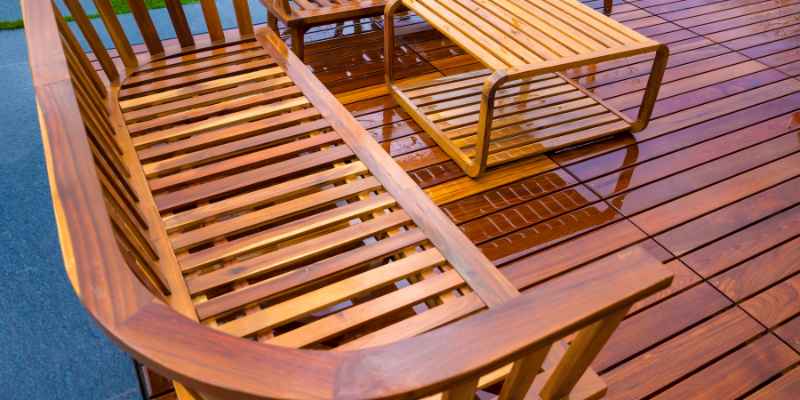
The sustainability of spruce as a building material is a topic of growing importance in today’s environmentally conscious world. When considering the use of spruce for outdoor purposes, it’s crucial to assess its eco-friendly aspects and the responsible sourcing practices associated with this popular wood.
Eco-friendly Aspects
Spruce is an eco-friendly choice for outdoor use due to its natural abundance and renewability. The fast growth rate of spruce trees contributes to its sustainability, making it a viable option for various outdoor applications.
Sourcing Responsibly
When sourced responsibly, spruce can be a sustainable material for outdoor use. It’s essential to ensure that the spruce comes from well-managed forests, where the principles of sustainable forestry are upheld. This includes promoting biodiversity, maintaining healthy ecosystems, and respecting the rights of indigenous communities.
Cost-effectiveness
Spruce is a cost-effective option for outdoor use due to its durability and resistance to decay. Its natural oils make it an excellent choice for outdoor furniture, decking, and siding, providing a long-lasting and low-maintenance solution.
Spruce offers a cost-effective solution for outdoor projects without compromising quality.
Price Comparison With Alternatives
When comparing prices, spruce is more budget-friendly than cedar or redwood.
Balancing Quality And Budget
It strikes a balance between durability and affordability for outdoor applications.
Spruce is a wise choice for those seeking quality outdoor materials within a reasonable budget.
Real-world Applications
Spruce is a versatile wood that finds numerous applications in outdoor projects due to its durability and aesthetic appeal.
Case Studies Of Outdoor Spruce Projects
1. A study by experts showcased how spruce decking withstands harsh weather conditions.
2. Researchers observed spruce garden furniture lasting for years with minimal maintenance.
Expert Opinions And Recommendations
1. Landscaping professionals recommend spruce for outdoor structures like pergolas and fences.
2. Industry experts suggest treating spruce with protective coatings for enhanced longevity.
Frequently Asked Questions
Is Spruce Wood Good For Outdoor Use?
Spruce wood is suitable for outdoor use, especially in construction and outdoor furniture. With proper treatment and maintenance, spruce can withstand outdoor conditions. However, it’s important to use pressure-treated spruce or apply a protective finish to enhance its durability and resistance to moisture, decay, and insects.
What Makes Spruce A Viable Outdoor Wood Option?
Spruce is a popular choice for outdoor applications due to its affordability, workability, and natural resistance to warping and twisting. Its light color and smooth texture also make it an attractive option for outdoor furniture and decorative elements. Proper sealing and maintenance can help preserve its integrity when used outdoors.
How Does Weather Affect Spruce Wood Outdoors?
Exposure to outdoor elements can impact spruce wood, causing it to deteriorate over time. Without proper protection, spruce is susceptible to warping, rotting, and insect damage. Regular sealing, staining, or painting, along with routine inspections and maintenance, can help mitigate the effects of weather and prolong the lifespan of spruce wood outdoors.
Conclusion
Spruce is a great choice for outdoor use due to its natural resistance to decay and insects. Its strength and durability make it ideal for various outdoor projects. With proper maintenance, spruce can withstand the elements and enhance the beauty of any outdoor space.
Choose spruce for lasting outdoor performance.