Maloof Chair Crafting: Real History, Wood, and the Signature Joint
A Maloof chair gets its seamless look from one detail: a housed tongue-and-groove leg-to-seat joint, glued up oversized in walnut and shaped only after the glue fully cures — never carved to final size beforehand. Skip that oversized step and the seam stays visible no matter how much you sand. This guide covers Sam Maloof’s original joint dimensions, the walnut he insisted on, and the hand tools that carve it smooth.
The Legacy Of Maloof Chairs
As an Amazon Associate we earn from qualifying purchases.
Sam Maloof (1916–2009) was a self-taught American woodworker — the son of Lebanese immigrants — who made more than 5,000 pieces of furniture by hand over a 60-year career, yet listed his occupation on his own business card as simply “Woodworker.” In 1985 he became the first craftsman ever to receive a MacArthur Foundation “genius grant,” a fellowship typically reserved for scientists and artists.
Maloof worked almost exclusively in walnut, gluing up common #1 and #2 grade boards 3″ to 7″ wide into the widths he needed rather than insisting on rare, wide single boards. His designs are instantly recognizable for their smooth, organic curves and for one specific detail: the joint where the legs meet the seat. Original Maloof chairs are now held in the permanent collections of the Smithsonian American Art Museum, the Metropolitan Museum of Art, and the White House.
“Woodworker” — the single word Sam Maloof used to describe his own occupation, even after museums and the MacArthur Foundation began calling him an artist.
| Characteristic | Description |
|---|---|
| Primary wood | Walnut, glued up from narrower #1 and #2 grade boards rather than single wide slabs. |
| Signature joint | A housed tongue-and-groove (“Maloof joint”) that maximizes glue surface with no screws or hardware. |
| Recognition | First craftsman to receive a MacArthur “genius” fellowship (1985); pieces held by the Smithsonian, the Met, and the White House. |
The Maloof chair remains a timeless piece of art, and the joinery techniques he pioneered continue to influence furniture makers today.
Essential Tools For Crafting
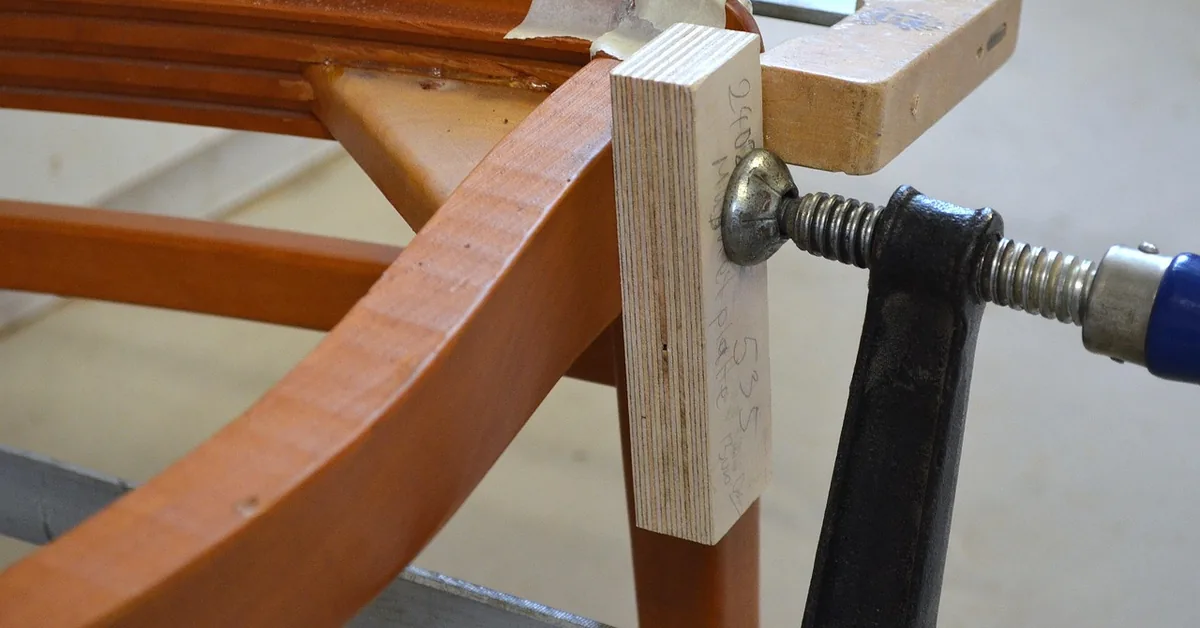
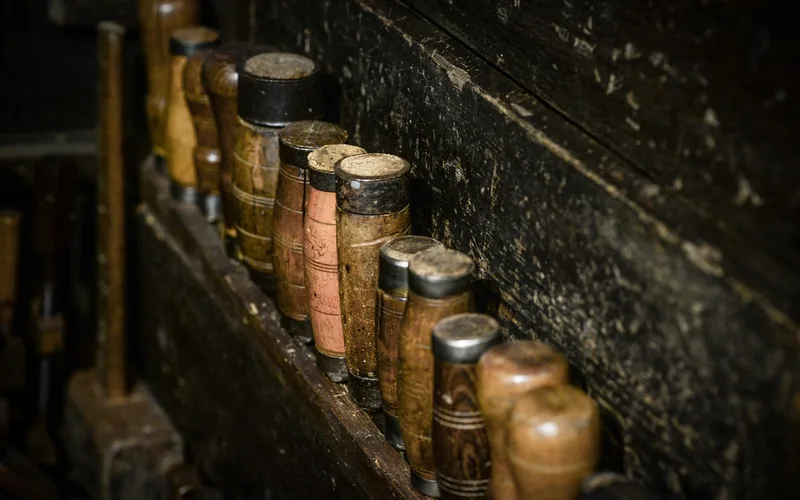
The Maloof joint is built with ordinary shop tools, not specialty equipment — the technique matters more than the tool list. For the front legs, cut the dado with a ¼″ rabbeting bit and finish the shoulders with a backsaw and chisel; the back legs need a 5-degree wedge block clamped to the seat blank so the joint lands perpendicular to how the leg actually rakes. After glue-up, a spokeshave and a set of rasps and rifflers do the real work of carving the oversized joint down to its final, seamless shape.
| Tool | Purpose |
|---|---|
| ¼″ rabbeting bit (router or table saw dado stack) | Cuts the housed dado and matching rabbets in the seat |
| Backsaw and chisel | Cleans up the tongue shoulders milled onto the leg |
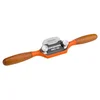
| Spokeshave | Carves the oversized glue-up down to its final curved shape |
| Rasps and rifflers | Blends the joint seam invisible in tight curves a spokeshave can’t reach |
| Bar or pipe clamps | Holds the joint under pressure for a full 24-hour cure before shaping begins |
Wood Selection And Preparation
Sam Maloof worked almost exclusively in black walnut, buying common #1 and #2 grade boards 3″ to 7″ wide and gluing them up into the wider blanks he needed, rather than sourcing rare wide slabs. Walnut’s tight, straight grain holds fine detail from carving tools and darkens attractively with age and an oil finish — both reasons it became his signature material. Cherry and hard maple are common substitutes on contemporary Maloof-style builds, but they carve differently: maple in particular dulls edge tools faster and shows tear-out more readily on end grain.
Before gluing up the joint blank, joint and plane your boards flat and let them acclimate to shop humidity for at least a few days — wood movement after glue-up is what causes a joint to telegraph a crack at the seam months later, not a mistake in the carving itself.
The Crafting Process: Step By Step
The signature “Maloof joint” is a housed tongue-and-groove connection between the legs and the seat — a 2″-wide, ¼”-deep dado cut into the seat, with matching rabbets and a mating tongue milled onto the leg. It’s a three-sided joint on front legs (two-sided on the rocker’s back legs), designed to maximize glue surface area without needing screws or metal hardware.
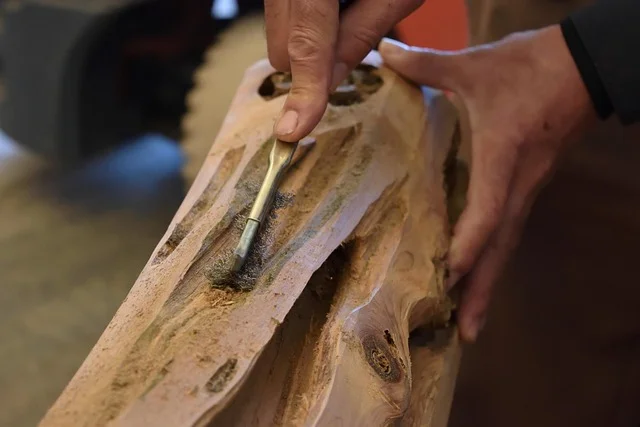
The counterintuitive part of the process: the joint is deliberately cut oversized and glued up looking crude and “clunky.” Only after the glue cures — a full 24 hours with a standard wood glue, longer in a cold shop — does the real shaping begin. The whole assembly is carved and blended by hand with a spokeshave and rasps until the leg appears to flow seamlessly into the seat, with no visible seam at all. Maloof treated this step as sculpture more than joinery.
Finishing Touches For Durability And Aesthetics
Sand in the direction of the grain, working progressively from a coarser grit up to a fine grit, so scratches from one pass are removed by the next rather than layered on top of it. On the carved joint area, hand-sand rather than power-sand — a random orbital sander can round over the crisp transition Maloof spent hours carving by hand.
For the finish itself, see our guide on the best oil for wood furniture if you want the natural, hand-rubbed look Maloof favored on his walnut pieces — oil needs periodic reapplication but never builds a film that can crack or peel the way varnish or lacquer eventually can on a chair that flexes with use.
Common Mistakes When Building A Maloof-Style Joint
Most failed attempts at this joint trace back to one of a few specific errors, not a lack of skill:
- Gluing up too close to final size. Leave real margin — at least ¼″ extra all around — so there’s material left to carve; cut close to final size and you’ll break through into the joint before the seam disappears.
- Shaping before the glue fully cures. Carving a joint that’s only clamp-tight, not fully cured, can shift the bond line under a rasp’s pressure and open a hairline gap that shows up later as a crack.
- Rasping across the grain instead of with it. Working against the grain direction tears fibers and leaves a rough, fuzzy surface that no amount of sanding fully corrects — always test the direction on scrap first.
- Uneven leg lengths from measurement drift. Because all four legs are shaped freehand after glue-up, it’s easy to carve one leg slightly shorter than the others; check all four against a reference line before final sanding, not after.
If a full chair feels ambitious as a first project, a simple wooden stool builds the same joinery confidence on a smaller scale before you commit a full set of walnut boards to a rocking chair.
Frequently Asked Questions
What Is A Maloof Chair?
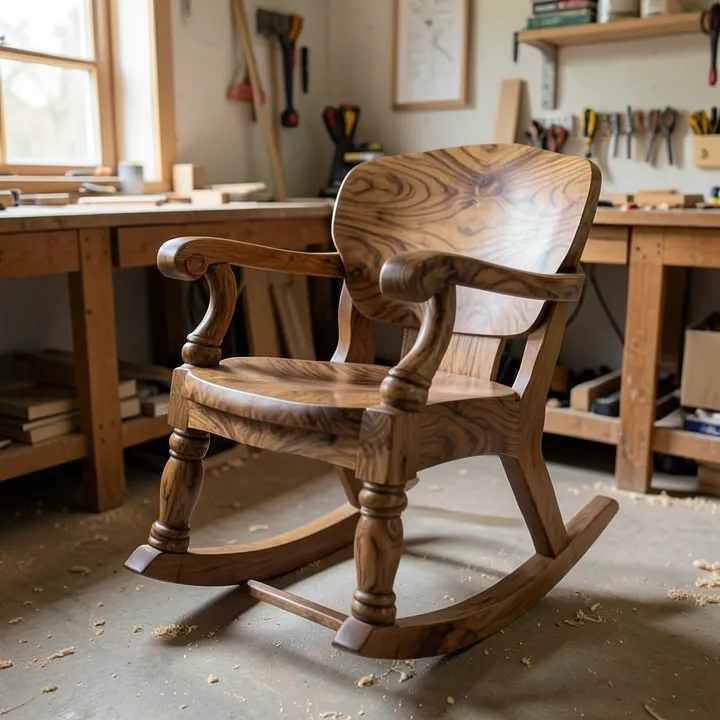
A Maloof chair is a rocking or dining chair designed by American woodworker Sam Maloof (1916-2009), who began the style in the mid-1950s and became the first craftsman ever to receive a MacArthur “genius” fellowship, in 1985. The chairs are known for their organic curves, ergonomic comfort, and a signature leg-to-seat joint carved to look seamless.
How Is A Maloof Chair Crafted?
The signature step is the “Maloof joint” — a housed tongue-and-groove connection between the legs and seat. A dado roughly 2 inches wide and ¼ inch deep is cut into the seat with matching rabbets, then a mating tongue about 2½ inches wide with rounded corners is milled onto the leg. The pieces are deliberately glued up oversized and blocky, then hand-shaped with a spokeshave and rasps until the leg blends into the seat with no visible seam. Maloof treated this step as sculpture more than joinery, and it’s the detail most reproductions get wrong.
What Wood Is Used For Maloof Chairs?
Sam Maloof worked almost exclusively in black walnut, rather than sourcing rare wide slabs, he glued up common #1 and #2 grade boards 3 to 7 inches wide into larger blanks. Walnut’s tight grain held fine detail from carving tools and darkened attractively with age and oil finish. Contemporary makers building Maloof-style chairs sometimes substitute cherry or maple, but the original design and nearly all of Maloof’s own output were walnut.
Why Are Maloof Chairs So Popular?
Maloof chairs are popular because they cross the line between furniture and fine art without sacrificing comfort — the sculpted seat and curved spindles are shaped to the body, not just to look good. Examples sit in the Smithsonian American Art Museum, the Metropolitan Museum of Art, and the White House, and in 1985 Sam Maloof became the first craftsman ever awarded a MacArthur Foundation fellowship, a recognition usually reserved for painters, scientists, and writers. That crossover reputation, combined with genuinely comfortable ergonomics, is why the design is still copied today.
Conclusion
Building a Maloof-style joint comes down to sequence, not talent: glue up oversized in walnut, let it cure fully, and only then start carving with a spokeshave and rasps until the seam disappears. Get those three things right and the rest — sanding, finishing, matching Maloof’s proportions — is ordinary shop work any woodworker with a few builds under their belt can handle.
Sponsored / affiliate links. As an Amazon Associate I earn from qualifying purchases. I may earn additional commission from eligible campaigns.