How Much Does It Cost to Install a Wood Slat Accent Wall?
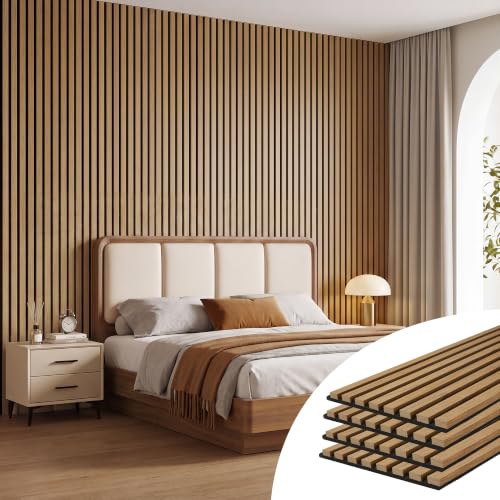
A wood slat accent wall typically costs about $15 to $45 per square foot installed, with many simple interior projects falling around $20 to $30 per square foot. Poor layout, uneven walls, and finish work can add hundreds or push the job into custom-pricing territory. This guide breaks the cost into materials, labor, and add-ons, then shows which room conditions raise the quote above the average.
Wood slat accent wall costs
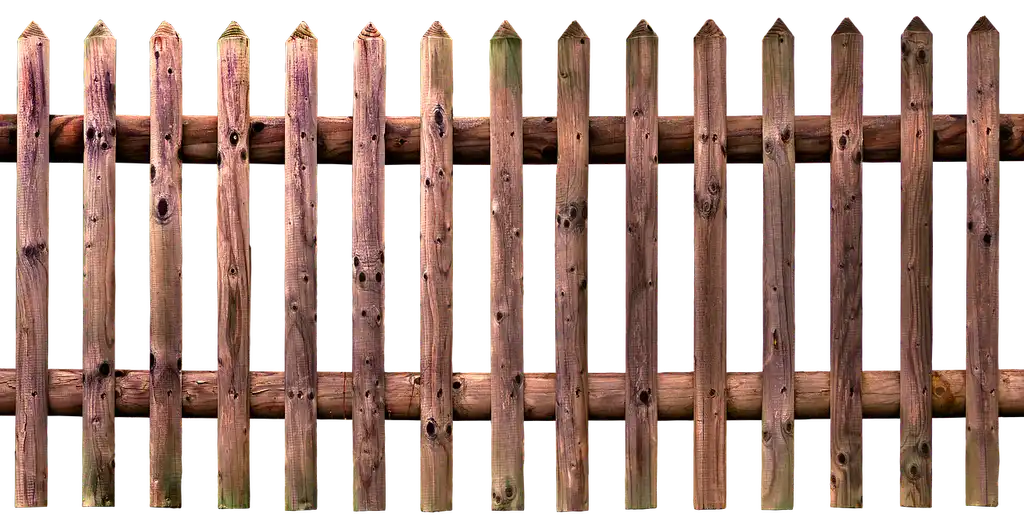


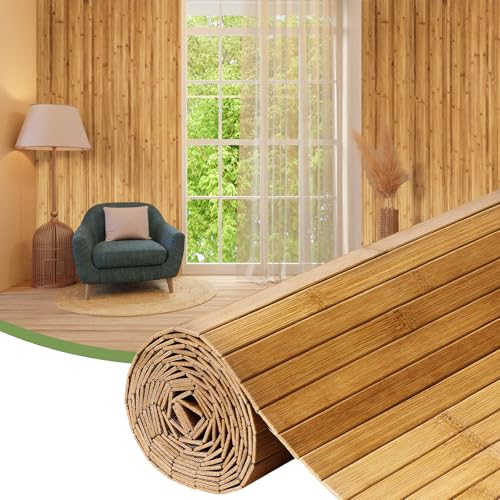
Budget a slat wall by formula, not by a single headline price. Wall size sets the base. Then material tier, backing, prep, spacing precision, and add-ons decide whether the quote stays near the low end or climbs fast.
Installed cost per square foot
For a standard decorative wood slat wall, a practical installed budget is $15 to $45 per square foot. A commonly cited project range is $3,000 to $7,000 per 100 square feet, while a standard vertical slat wall has been listed at $26 per square foot and a custom stained slat wall at $32 per square foot. Those figures fit the common spread for simple interior work.
Typical full-wall project price range
Small walls can land near the lower end because setup and layout are spread over fewer square feet. Larger feature walls, especially those with outlets, corners, or built-in lighting, rise faster because the labor is not linear. A full wall often includes more than slats alone.
What changes the quote most
Three items usually move the price first: wall area, the wood species or panel system, and labor time tied to spacing precision. The wood slat wall section also notes that precision spacing increases labor time significantly. That matters because slats need even reveals across the full face, and the installer cannot rush the layout.
What a wood slat wall quote includes
A good quote should separate materials, labor, and any scope that is easy to miss. If the estimate only gives one lump sum, you cannot tell whether baseboard removal, outlet work, or cleanup is included. Ask for the line items before you compare bids.
Materials, fastening, and finishing
Materials usually include the slats, any backing or furring needed to mount them, fasteners, adhesive where appropriate, and stain or finish if the wall is not paint-grade. Solid wood costs more than MDF because the lumber itself is more expensive and because the installer may need to mill, sand, or prefinish more carefully.
Labor, layout, and spacing precision
Wood slat wall installation runs 0.12 to 0.20 labor hours per square foot. That range matters. A plain rectangular wall with standard spacing sits near the low end, while a wall with tight reveal control, corners, or a television opening needs more measuring and more cuts.
Cleanup and minor trim work
Minor trim work is often part of the real job, even if it is not advertised up front. Baseboards may need to come off and go back on. Trim returns at the wall edge may need custom cuts. Cleanup, dust control, and fastener touch-up should be named in the quote so they do not appear later as extras.
The simplest budgeting formula is: wall square footage × your expected installed rate + add-ons + prep allowance. That gives you a usable estimate before a contractor visits. Then adjust for species, backing, and wall condition. Do not skip waste, because slat layouts require more careful material planning than a painted wall.
Measure width and height
Measure the wall width in feet and the wall height in feet. Multiply them to get square footage. If the wall has a large opening, such as a fireplace or a built-in cabinet, subtract that area only if the installer will not cover it. The quote should match the surface that actually gets slats.
Convert square footage into a starting price
For a basic interior wall, start with a lower installed rate if you are using MDF or pine, then move upward for oak or walnut. If you want a contemporary natural finish, white oak is the most requested species for slat walls, with walnut close behind. White oak slat walls are listed at $2,000 to $4,000 per 100 square feet.
Add waste and adjustment allowance
A detailed layout needs extra material for cuts, edge matching, and mistakes during spacing. For a simple vertical slat wall, a modest allowance is usually enough. If the design includes returns, corners, or a TV cutout, budget more. Picture a 12-foot-by-9-foot wall with two outlets and a corner return: the material count looks straightforward until the trimming and layout start.
How much cost install worksheet
Use this worksheet to turn wall dimensions into a quote estimate. The totals are examples, not a universal rate card, but they show how material tier and finish choices change the final number.
| Wall width | Wall height | Square footage | Slat type | Species | Backing | Prep level | Lighting add-on | Estimated installed total |
|---|---|---|---|---|---|---|---|---|
| 10 ft | 8 ft | 80 sq ft | Vertical decorative | MDF | Standard wall backing | Drywall, light patching | None | $1,200 to $2,400 |
| 12 ft | 9 ft | 108 sq ft | Vertical custom stain | White oak | Standard wall backing | Drywall, moderate patching | $300 to $700 | $2,800 to $4,900 |
| 14 ft | 10 ft | 140 sq ft | Premium vertical | Walnut | Acoustic felt backing | Lath and plaster, repair allowance | $300 to $700 | $4,900 to $7,800 |
Budget MDF example
Suppose you have an 8-foot-by-10-foot wall, which is 80 square feet, and you want a clean decorative look in MDF. That is the least expensive route because the species cost is lower and the finish can stay simple. On a straightforward drywall surface, the total often stays near the low end of the installed range.
Midrange oak example
Say your wall is 12 feet wide by 9 feet high, or 108 square feet, and you want white oak with a natural finish. White oak is the most requested species for slat walls because it suits a contemporary look without the dark tone of walnut. The quote usually rises because the material itself costs more and the finish work is more visible.
Premium walnut example
Picture a 14-foot-by-10-foot feature wall in walnut with acoustic backing and older-wall prep. Walnut is common for dark modern slat walls, but it sits in a premium tier because of material cost and finish expectations. Add plaster repair and the total can move well above a standard decorative wall of the same size.
Why some slat walls cost more
Species, backing, and finish level explain most of the price gap. Standard slat walls are decorative. Acoustic versions add felt backing and often a more detailed assembly, so they cost more than a plain wall of wood strips. LED lighting turns the wall into a feature project, which also changes the quote structure.
White oak versus pine or MDF
White oak is more expensive than pine or MDF because it is a higher-value hardwood and is often chosen for a natural finish that leaves the grain visible. That means the material price rises and the labor can rise too, since the installer has to keep the layout clean and the finish consistent. The difference is not only cosmetic.
Walnut usually sits above white oak because it is a premium species used for darker, higher-end walls. The color itself can reduce the need for stain, but the lumber cost remains higher. It also makes flaws more visible, so the spacing and edge work need more care.
Acoustic backing and felt systems
An acoustic wood slat wall costs more than a standard one because the felt backing adds material and installation steps. The backing helps with sound absorption, but it also changes the mounting method and can add time to the job. That is why acoustic panels are best treated as a separate line item, not a minor upgrade.
LED lighting as a separate upgrade
LED lighting integration is usually billed as its own upgrade. HandyBandi lists LED lighting integration at $300 to $700. That range is useful because it shows the difference between a simple wall and a feature wall with accent lighting, especially when the lighting needs to be hidden behind a reveal or routed around outlets.
What room conditions raise labor cost
Room conditions often explain why one quote is much higher than another, even when the wall sizes match. The biggest labor jumps come from older surfaces, cutouts, and tricky edges. These are the details that turn a neat estimate into a custom job.
Drywall versus lath and plaster
Drywall is usually the easier substrate. Lath and plaster can require patching, leveling, or furring before the slats go on. The same source lists wall prep for older Chicago homes or plaster walls at $5 per square foot, which shows how quickly prep can change the total on an older house.
Outlets, switches, and TV cutouts
Outlet relocation and switch changes are common hidden costs. A slat wall often needs clean cutouts, box extensions, or shifted device locations so the layout lands evenly. A TV opening adds another layer because the framing, wire access, and reveal details must all line up with the slat spacing.
Corners, ceilings, and trim returns
Corners and ceiling lines add labor because the slats must terminate cleanly. Trim returns, where the wall edge turns back into the room, need careful cutting and may require extra material. A common first-timer mistake is to price the flat center of the wall and forget the edges, which is where the time often goes.
Can you install one on older walls?
Yes, but older plaster walls can raise the price and the risk. If the wall is flat enough and the fasteners can hold, the job may only need spot repair and careful layout. If the plaster is loose, uneven, or crumbling, the installer may need to repair, shim, or fur the surface first.
Prep issues on plaster walls
Plaster walls can hide failures that are not obvious at first glance. Cracks, hollow spots, soft patches, and uneven planes can all interfere with a slat installation. That is why older-wall prep should be treated as a separate budget line, not a small contingency.
When repairs or furring are needed
Furring becomes necessary when the wall is too out of plane to hold the slats cleanly. Repairs may also be needed if fasteners will not bite securely. That situation adds labor, material, and time, and it is one reason a simple-looking wall can jump from a standard quote to a custom one.
Signs the job needs a higher allowance
If the wall has cracking plaster, uneven corners, a heavy paint buildup, or existing trim that must be removed and replaced, budget more. If electrical devices need to move, budget more again. These are not minor details; they change both installation time and finish quality.
Frequently asked questions
How much does it cost to install a wood slat accent wall?
A wood slat accent wall typically costs $15 to $45 per square foot installed. Most simple interior projects land near $20 to $30 per square foot, while more detailed walls with premium species, acoustic backing, or plaster prep can move higher. Wall size and finish details usually decide where the quote lands.
What is the cost per square foot for a wood slat wall?
A practical installed range is $15 to $45 per square foot. The same source lists a standard vertical slat wall at $26 per square foot and a custom stained slat wall at $32 per square foot. Those numbers fit a typical decorative wall, but detailed layouts and older-wall prep can push past them.
Why are walnut and white oak slat walls more expensive?
White oak and walnut cost more because the lumber itself is pricier than pine or MDF, and the finish work usually matters more. White oak is the most requested species, with walnut close behind. Walnut is often chosen for dark modern walls, while white oak suits a natural-finish contemporary look.
How much extra does wall prep add for plaster walls?
Wall prep for older Chicago homes or plaster walls is listed at $5 per square foot by HandyBandi. That figure is a useful guide, but the real allowance can be higher if the plaster is loose, badly out of plane, or missing solid backing. Repair needs should be checked before the final quote.
What does an acoustic wood slat wall cost compared with a standard one?
An acoustic wood slat wall costs more than a standard decorative wall because felt backing and sound-absorption materials add both product and labor. The exact premium depends on panel system and wall condition, but it should be treated as a separate upgrade, not a small add-on to a plain slat wall.
How much does LED lighting integration add to a slat wall?
The same source lists LED lighting integration at $300 to $700. That is usually a separate line item because it may require hidden wiring, fixture planning, and extra finish work around the lighting channel. If the wall also needs outlet changes or a TV opening, the lighting cost is only part of the total.
What affects the price of a custom slat wall the most?
The biggest drivers are wall size, species choice, backing, prep condition, and spacing precision. Labor rises when the layout is detailed, and the wood slat wall section notes that precision spacing increases labor time significantly. Corners, ceilings, outlet changes, and waste allowance can all move the quote upward.
Is a wood slat accent wall more expensive than shiplap or board and batten?
Usually yes. Board and batten is the most cost-effective painted wall style, and shiplap is often simpler to install than a carefully spaced slat wall. Slats need tighter layout control and more finish detail, so they usually cost more than those painted options.
How much waste should be expected on a detailed wood wall layout?
For a detailed slat wall, plan for extra material beyond the raw square footage. If the layout includes complex angles, the waste can rise quickly; herringbone and chevron layouts create 25 to 30 percent waste. Standard vertical slats waste less, but corners, returns, and cutouts still require an allowance.
Can you install a wood slat wall on older plaster walls?
Yes, but only if the wall is sound enough for fastening and flat enough for a clean layout. Older plaster walls often need patching or furring first, and that can raise labor and materials. If the plaster is damaged or uneven, the quote should include a prep allowance before slats go on.
Sponsored / affiliate links. As an Amazon Associate I earn from qualifying purchases. I may earn additional commission from eligible campaigns.