Polywood Teak Vs Mahogany: Ultimate Durability and Style Showdown
Choosing the right wood for your furniture or outdoor space can feel overwhelming, especially when you’re deciding between Polywood teak and mahogany. You want something that looks great, lasts long, and fits your style perfectly.
But which one truly stands out? You’ll discover the key differences, benefits, and drawbacks of Polywood teak and mahogany. By the end, you’ll feel confident making the best choice for your home and lifestyle. Keep reading to find out which wood matches your needs and why it might be the perfect fit for you.
Material Composition
The material composition of Polywood Teak and Mahogany affects their look, feel, and durability. Both materials are popular but very different. Understanding what each is made of helps choose the right option for furniture or décor.
What Is Polywood Teak?
Polywood Teak is a synthetic material made to mimic real teak wood. It combines recycled plastics and wood fibers. This mix creates a strong, weather-resistant product. Polywood Teak resists fading, cracking, and moisture better than natural wood. It needs little care and lasts long outdoors.
Characteristics Of Mahogany Wood
Mahogany is a natural hardwood known for its rich color and smooth grain. It is dense and strong, making it ideal for fine furniture. Mahogany ages well, gaining a deep reddish-brown tone over time. It can be polished to a high shine. This wood is sensitive to moisture and sunlight, requiring more maintenance.
Durability Factors
Durability is a key factor in choosing between Polywood teak and mahogany. Both materials have strengths and weaknesses. Understanding their durability helps you decide which suits your needs best. This section examines how each handles weather, moisture, rot, scratches, and fading.
Resistance To Weather
Polywood teak resists harsh weather well. It does not crack or warp in sunlight or rain. Mahogany, being natural wood, can suffer from weather damage over time. Sun exposure may cause mahogany to dry out and fade. Polywood teak holds its shape and color longer outdoors.
Impact Of Moisture And Rot
Polywood teak is made from synthetic materials. It does not absorb water or rot. This makes it ideal for wet climates or near pools. Mahogany is dense and resists some moisture. Still, it can absorb water and develop rot if not sealed properly. Regular care is needed to protect mahogany from moisture damage.
Scratch And Fade Resistance
Polywood teak has a tough surface that resists scratches and fading. Its color stays vibrant for years without sanding or repainting. Mahogany can scratch more easily and may fade under strong sunlight. It requires refinishing to keep its beauty. Polywood teak offers a low-maintenance option with lasting color and strength.
Aesthetic Appeal
The aesthetic appeal of Polywood teak and mahogany greatly impacts their use in furniture and decor. Their visual qualities set the tone of any space. Both woods offer unique looks that suit different styles.
Choosing between them depends on color, grain, and how they age over time. These factors help define their beauty and character.
Color And Grain Patterns
Polywood teak features warm, golden tones. Its grain pattern is straight and smooth, creating a clean and elegant look. The color often stays consistent, adding a fresh feel to furniture.
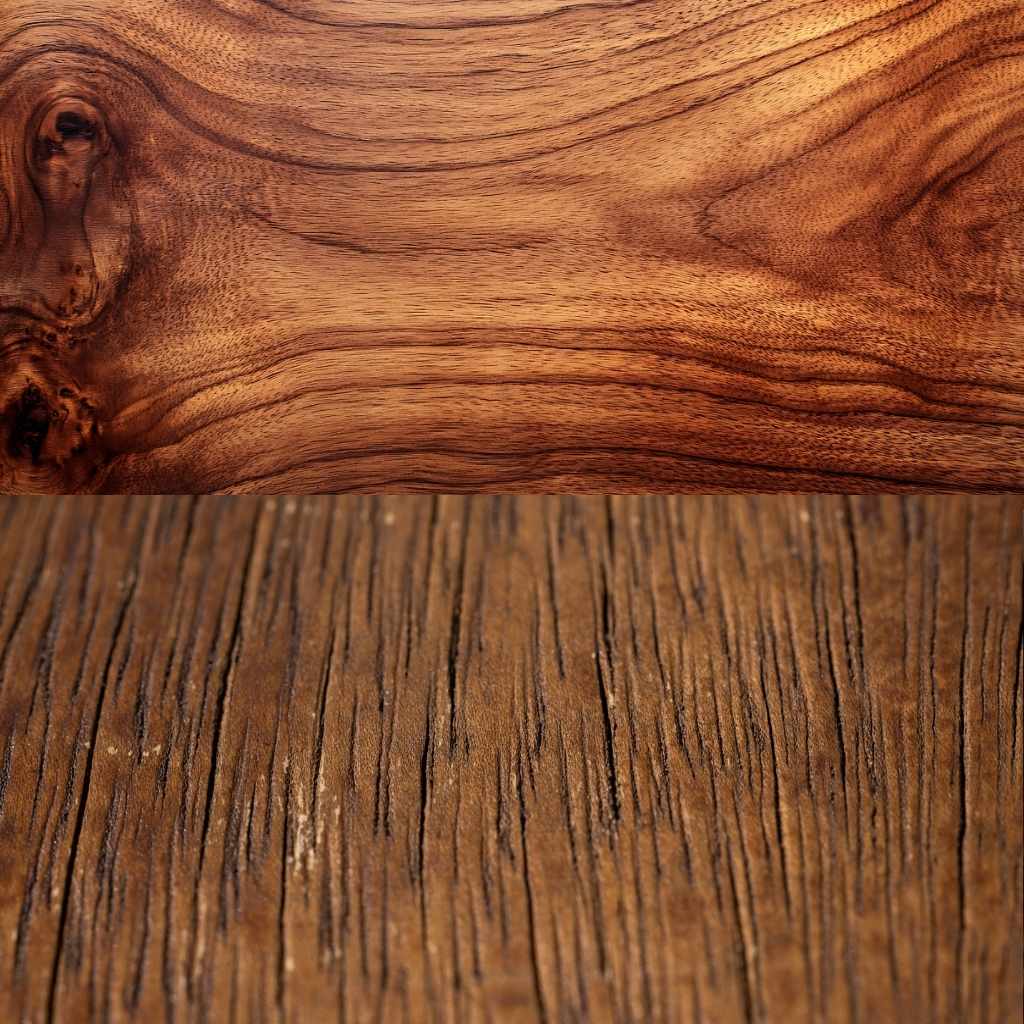
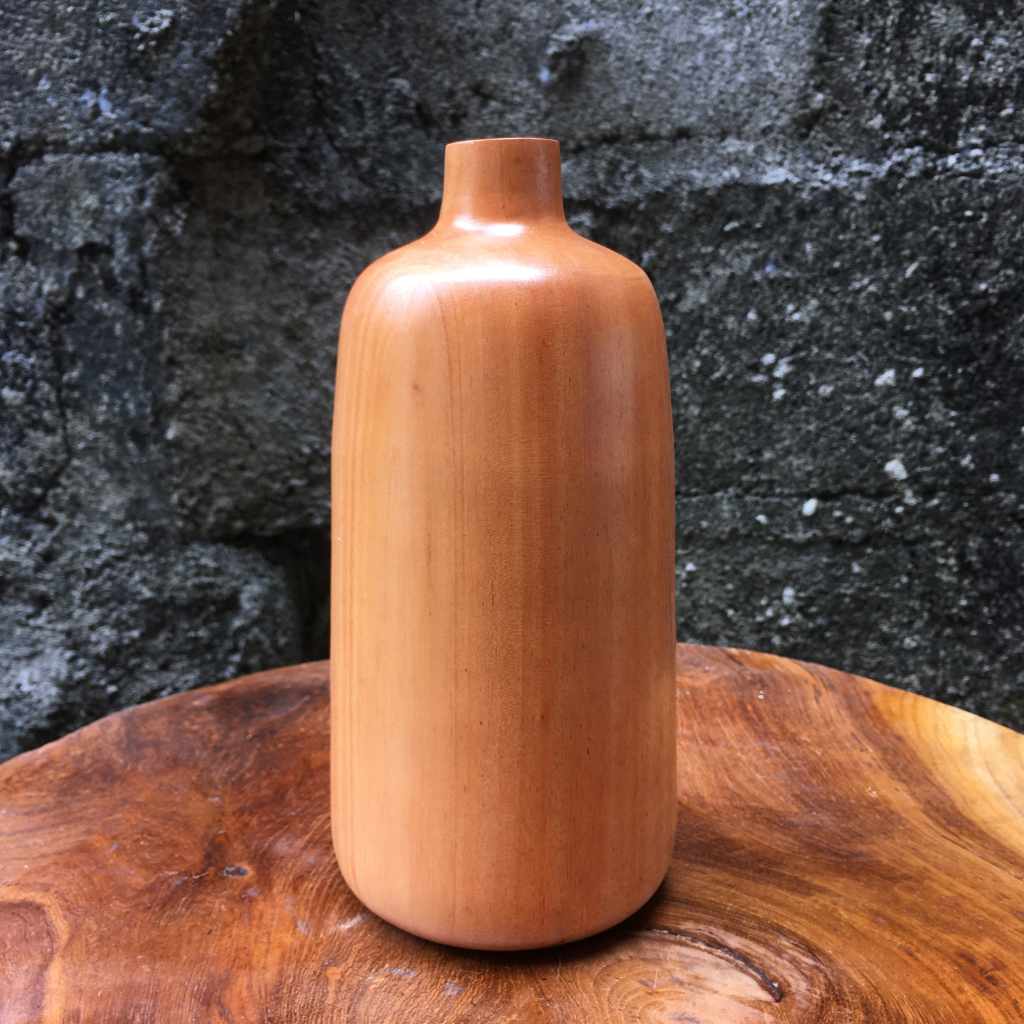
Mahogany shows deep reddish-brown hues. It has a rich and complex grain with swirls and waves. This wood adds warmth and a classic touch to any piece.
Aging And Patina Effects
Polywood teak develops a soft silver-gray patina over time. This aging process adds a natural charm and casual elegance. The change is subtle and suits outdoor settings well.
Mahogany darkens with age, gaining a deeper, richer color. Its patina creates a sense of history and luxury. This aging brings out the wood’s natural beauty and depth.
Maintenance Needs
Maintenance needs vary greatly between Polywood teak and mahogany. Understanding these needs helps you keep your furniture looking great for years. Both materials require care, but the effort and methods differ.
Cleaning And Upkeep
Polywood teak is very easy to clean. Use soap, water, and a soft cloth. It resists stains and does not need sanding or sealing. Just wipe it down regularly to keep it fresh.
Mahogany needs more attention. Dust it often to avoid dirt build-up. Use mild soap and water, but avoid soaking the wood. Dry it immediately to prevent water damage. Occasional polishing helps maintain its shine and color.
Long-term Care Tips
Polywood teak requires little long-term care. It does not crack or fade easily. Store it under cover during harsh weather to extend its life. Avoid using harsh chemicals that can damage its surface.
Mahogany needs regular sealing or oiling. This protects it from moisture and sun damage. Inspect it yearly for cracks or wear. Sand and refinish when necessary to keep it strong and beautiful. Cover or store indoors during winter months.
Environmental Impact
The environmental impact of wood choices matters greatly. It affects forests, wildlife, and our planet’s health. Understanding how Polywood Teak and Mahogany affect the environment helps make better choices. This section explores key environmental aspects of these materials.
Sustainability Of Polywood
Polywood is made from recycled plastics. It reduces waste in landfills and oceans. No trees are cut to produce Polywood. This process saves forests and protects animal homes. Polywood lasts long, needing less replacement over time. Less waste means less harm to nature. Its low maintenance also means fewer chemicals are used. This keeps soil and water cleaner. Polywood offers an eco-friendly alternative to natural wood.
Mahogany Harvesting Concerns
Mahogany is a natural hardwood prized for beauty and strength. Sadly, harvesting mahogany often harms forests. Illegal logging and over-harvesting reduce forest areas. This threatens wildlife and biodiversity. It can cause soil erosion and water pollution. Many mahogany sources lack sustainable practices. This leads to long-term damage to ecosystems. Choosing certified mahogany helps but is not always easy. Consumers must be aware of these environmental risks.
Cost Comparison
Cost is a major factor when choosing between Polywood teak and mahogany. Both materials have different price points and long-term costs. Understanding these differences helps buyers make smart choices. This section breaks down the initial cost and value over time for each material.
Initial Investment
Polywood teak usually costs less upfront than natural mahogany. It is made from recycled plastic, which lowers the price. Mahogany is a hardwood and is more expensive due to its natural beauty and durability. Polywood offers a budget-friendly option for those who want a teak look without the high price.
Mahogany’s higher price reflects its premium quality. It requires skilled labor to craft and finishes that keep its rich color. Buyers should expect to pay more initially for mahogany furniture or decking.
Value Over Time
Polywood teak holds value well because it resists weather and decay. It does not need sealing or staining, which saves money later. This material stays strong and looks good for many years without extra care.
Mahogany increases in value with proper maintenance. It can last decades but needs regular treatment to avoid damage. Over time, mahogany may cost more due to upkeep but offers classic appeal and strength.
Choosing between these materials depends on budget and willingness to maintain. Polywood is cheaper upfront and low maintenance. Mahogany requires more investment but can add long-term value.
Best Uses
Choosing between Polywood Teak and Mahogany depends on where you plan to use the material. Both have unique qualities that suit different settings. Knowing their best uses helps you pick the right one for your project. Polywood Teak mimics natural wood but lasts longer outdoors. Mahogany offers rich color and smooth texture, great for indoor spaces.
Indoor Applications
Mahogany works well inside homes. Its warm color adds elegance to furniture and paneling. It is easy to carve, perfect for decorative pieces. Polywood Teak is less common indoors but can be used for modern furniture. It resists moisture, making it good for kitchens or bathrooms.
Outdoor Applications
Polywood Teak shines outdoors. It resists rain, sun, and insects without warping. It needs little care, ideal for patios or garden furniture. Mahogany can be used outside but requires regular sealing. It may fade or crack over time if not treated well.
Final Style And Function Verdict
Polywood offers strong weather resistance and low upkeep, perfect for outdoor use. Teak and mahogany provide natural beauty and durability but need more care. Choosing depends on style preference and how much maintenance you want.
Style Comparison
Polywood teak and mahogany each offer a unique look. Polywood teak mimics natural teak wood with a clean, modern finish. It has a smooth texture and consistent color. Mahogany shows a warm, rich tone with deep reddish-brown hues. Its grain pattern is more varied and classic. Polywood teak suits contemporary spaces. Mahogany fits well in traditional or vintage settings.
Durability And Maintenance
Polywood teak is highly durable and weather-resistant. It does not crack, warp, or fade easily. Maintenance is simple: just wash with soap and water. Mahogany is strong but needs regular care. It requires oiling or sealing to keep its shine. Exposure to sun and rain can damage mahogany over time. Polywood teak offers longer-lasting performance outdoors.
Functionality And Comfort
Polywood teak furniture is lightweight and easy to move. It often has ergonomic designs for comfort. Mahogany furniture is heavier and more solid. It can feel cooler in hot weather. Both materials support various furniture styles like chairs, tables, and benches. Polywood teak’s synthetic nature provides added resistance to pests.
Frequently Asked Questions
What Is The Main Difference Between Polywood Teak And Mahogany?
Polywood Teak is a synthetic material designed to mimic natural teak. Mahogany is a real hardwood known for its rich color and grain. Polywood offers higher durability and low maintenance, while Mahogany provides authentic wood aesthetics but requires more care.
Which Is More Durable: Polywood Teak Or Mahogany?
Polywood Teak is more durable because it resists moisture, fading, and insects. Mahogany, though sturdy, can be prone to scratches and weathering. For outdoor use, Polywood Teak generally lasts longer with less upkeep compared to Mahogany.
How Do Polywood Teak And Mahogany Compare In Maintenance?
Polywood Teak needs minimal maintenance; usually just cleaning with soap and water. Mahogany requires regular sealing or oiling to preserve its appearance and prevent damage. Maintenance for Mahogany is more time-consuming and costly than for Polywood Teak.
Is Polywood Teak Environmentally Friendly Compared To Mahogany?
Polywood Teak is made from recycled plastics, making it eco-friendly and sustainable. Mahogany is a natural wood, but its sourcing can contribute to deforestation if not certified. Polywood offers a greener alternative with less environmental impact.
Conclusion
Polywood, teak, and mahogany each have unique qualities. Polywood is durable and low maintenance. Teak offers natural beauty and strength. Mahogany provides rich color and smooth texture. Your choice depends on budget and style needs. Consider where and how you will use the wood.
Each type serves well for different projects. Think about care and weather resistance too. Choose the one that fits your space best. Simple decisions lead to lasting satisfaction.