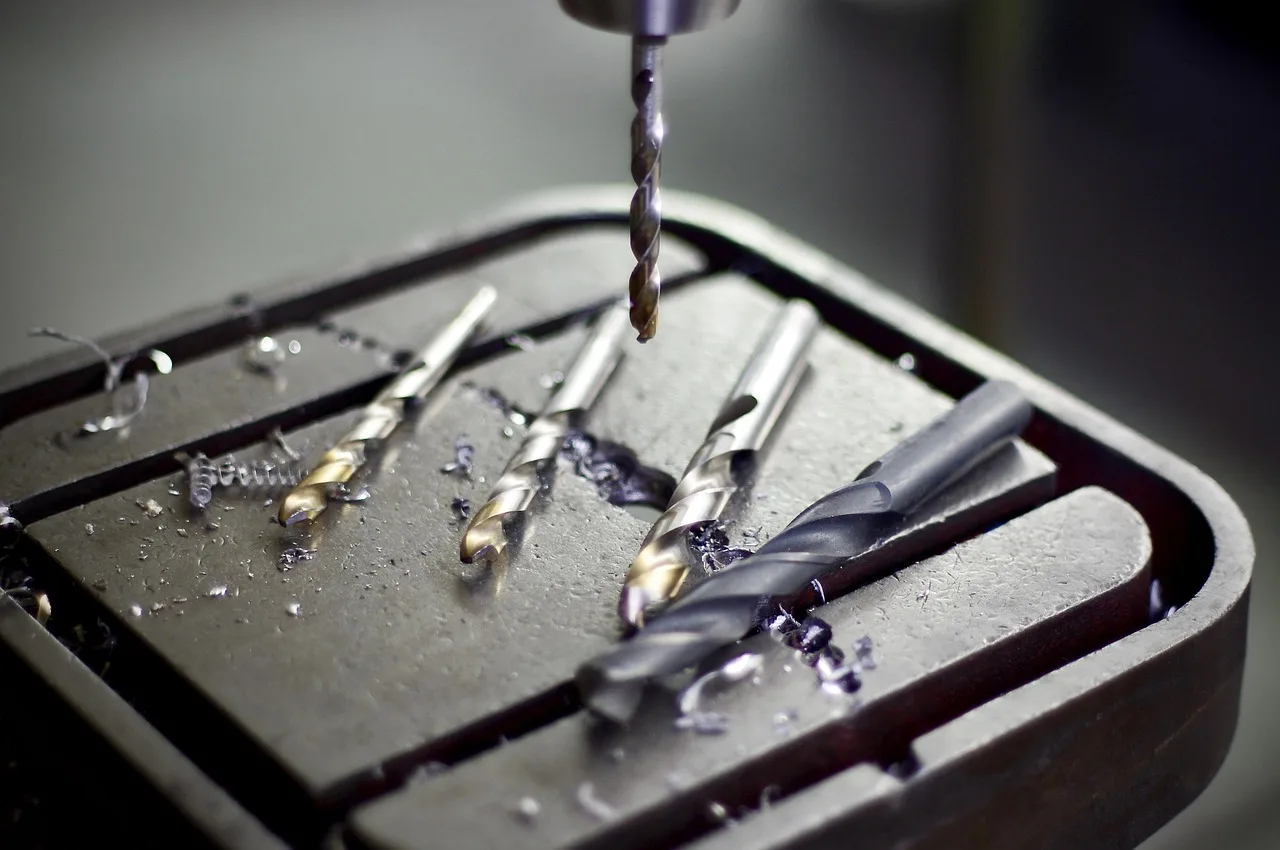
Power Tool Overheating During Use: Causes and Fixes
If a power tool gets too hot to hold, stop and sort the problem into five causes: load, airflow, friction, power delivery, or battery health. If you keep running it, you can burn motor windings, damage batteries, wear parts faster, and turn a small fix into a costly repair. This guide shows how to check each cause, narrow the fault quickly, and pick the right fix before you run the tool again.
What you’ll need


- Compressed air or a soft brush
- Flashlight
- Replacement carbon brushes, if your tool uses them
- Known-good blade, bit, or abrasive disc
- Extension cord with known gauge and length
- Battery charger and a known-good battery, for cordless tools
- Work gloves and eye protection
Why does my power tool get so hot during use?
Heat usually comes from electrical resistance inside the motor and from mechanical friction in moving parts. Overload, blocked airflow, worn brushes, bad bearings, a voltage drop from the cord, or a stressed battery can push temperatures high enough to trigger shutdown or damage the tool.
Start with the load
- Match the task to the tool size and speed setting.
- Back off the feed pressure, then retry the cut, hole, or sanding pass.
- Swap in a sharp blade, bit, or disc if the edge is dull.
Overfeeding a saw, pushing too hard on a sander, or bogging down a drill or router raises load fast. A common first-timer mistake is to force the tool harder when it slows down. That usually adds heat instead of cutting faster.
Then check for friction inside the tool
- Spin the accessory by hand with power removed or the battery out.
- Listen for grinding, scraping, or rough spots in the chuck, arbor, or shaft.
- Stop using the tool if the motion feels gritty or binds at any point.
Worn bearings create friction heat and often bring a grinding noise, rough rotation, or seizure. In brushed motors, worn carbon brushes can arc and add heat. A hot tool that is underloaded is a strong clue that the problem is inside the tool, not just the cut.
Is it normal for a cordless drill to get hot?
Yes, a cordless drill can warm up during normal drilling, especially under load, but it should not become uncomfortably hot or shut down repeatedly. Drills are typically the most likely to overheat, and cordless tools may shut down automatically when internal motor or battery temperatures get too high.
Check the battery and charger
- Remove the battery and feel the pack housing, not the cells.
- Let a hot pack cool before charging.
- Use the charger only within its marked temperature limits.
A hot battery that cools and then works normally points toward battery heat, not motor failure. Swelling, a cracked case, a burnt smell, or a pack that heats rapidly with light use means stop using it. Those are warning signs for a failing lithium-ion pack and possible thermal runaway.
Watch for the underloaded overheat case
Suppose a 1/2-inch drill runs hot while driving a small bit into softwood with light pressure. That pattern fits a bad bearing, an internal motor fault, or a battery that cannot deliver current cleanly more than overload. If the tool is not working hard, look inside the tool and pack next.
Is airflow blocked?
Yes. Blocked air vents are one of the leading reasons power tools overheat, because the motor depends on airflow to dump heat. Dust, chips, and packed debris cut cooling fast, especially in hot shops or enclosed spaces with little air movement.
Clean vents before you retest
- Unplug the tool or remove the battery.
- Use compressed air or a brush to clear the intake and exhaust vents.
- Clear dust from the motor housing, fan openings, and any filter screens.
Keep the nozzle angled so debris leaves the housing instead of packing deeper inside. If the vents clog again quickly, the tool may need more frequent cleaning or better dust collection. Direct sunlight on the housing can also add heat, especially on dark plastic or metal cases.
Let the shop conditions help, not hurt
Move the tool out of direct sun and away from walls or boxes that trap heat. In a hot shop, give the motor a break between cuts or sanding passes. Extended use without breaks is a common overheating cause, even when the tool is in good condition.
Does a bad extension cord make power tools overheat?
A cord that is too long, too light in wire gauge, damaged, or only partly unwound can drop voltage and may make the motor draw more current. That raises heat in the tool and in the cord itself, especially on saws, routers, and compressors that pull hard under load.
Check the cord first on corded tools
- Inspect the plug, jacket, and receptacle ends for cuts, scorching, or loose fit.
- Confirm the gauge is suitable for the cord length and tool demand.
- Fully unwind the cord before use.
Use the shortest practical cord that still reaches the work. If the tool runs cooler on a shorter, heavier cord, voltage drop was part of the problem. If heat stays high, move on to the tool itself.
Tool overheating matrix
This matrix helps you separate heat caused by load, airflow, friction, power delivery, or battery health. Match the symptom pattern first. Then use the next safe check before you keep running the tool.
| Tool type | Heat location | Symptom | Probable cause | Quick check | Safe first fix | When to stop using the tool |
|---|---|---|---|---|---|---|
| Drill | Motor housing | Slows under light pressure, hot smell, repeated shutdown | Battery, stalled bit, or internal motor load | Swap to a known-good battery and a sharp bit | Reduce feed pressure and use a fresh bit | Stop if the pack swells or the drill shuts off again with light load |
| Circular saw | Blade guard and motor area | Heavy cut, smoke, or hot blade and housing | Dull blade or overfeeding | Compare cut speed with a sharp blade | Back off the feed rate and fit the correct blade | Stop if the blade binds, the motor labors, or the cord plug gets hot |
| Sander | Pad side and motor vents | Hot pad, poor material removal, dust buildup | Too much pressure or blocked vents | Lift pressure and inspect dust ports | Clean the vents and use lighter passes | Stop if the pad stalls or the housing becomes too hot to hold |
| Router | Motor body | Bogging in a deep pass, burning smell | Overload or dull cutter | Check bit sharpness and depth of cut | Make shallower passes | Stop if the motor surges, stalls, or the collet area turns very hot |
| Any corded tool | Plug, cord, and motor | Runs hotter on one outlet or one cord | Voltage drop from cord or outlet | Try a shorter, heavier cord on another outlet | Replace the cord if it is damaged or too light | Stop if the plug, cord jacket, or outlet shows discoloration or heat |
| Any cordless tool | Battery pack | Tool shuts down after a few seconds under load | Battery heat or weak pack | Test with a cool, known-good battery | Let the pack cool before retesting | Stop if the battery swells, vents odor, or will not hold charge |
What should you do next if it still overheats?
If cleaning, easing the load, and checking the cord or battery do not solve it, move to internal wear. Worn carbon brushes, failing bearings, a damaged fan, or burnt windings can all make a tool run hot even with light use. That is a repair signal, not a usage fix.
- Unplug the tool or remove the battery.
- Inspect the brushes if the motor uses them and replace worn sets with the correct part.
- Check for rough rotation, grinding, or shaft play that points to bearings.
- Stop using the tool if you smell burnt insulation or see soot inside the housing.
Burnt windings and seized bearings are failure modes that can turn a repairable tool into a replacement decision. A tool that overheats again after a full cool-down, with the same light workload, needs internal inspection.
When should I stop using an overheating power tool?
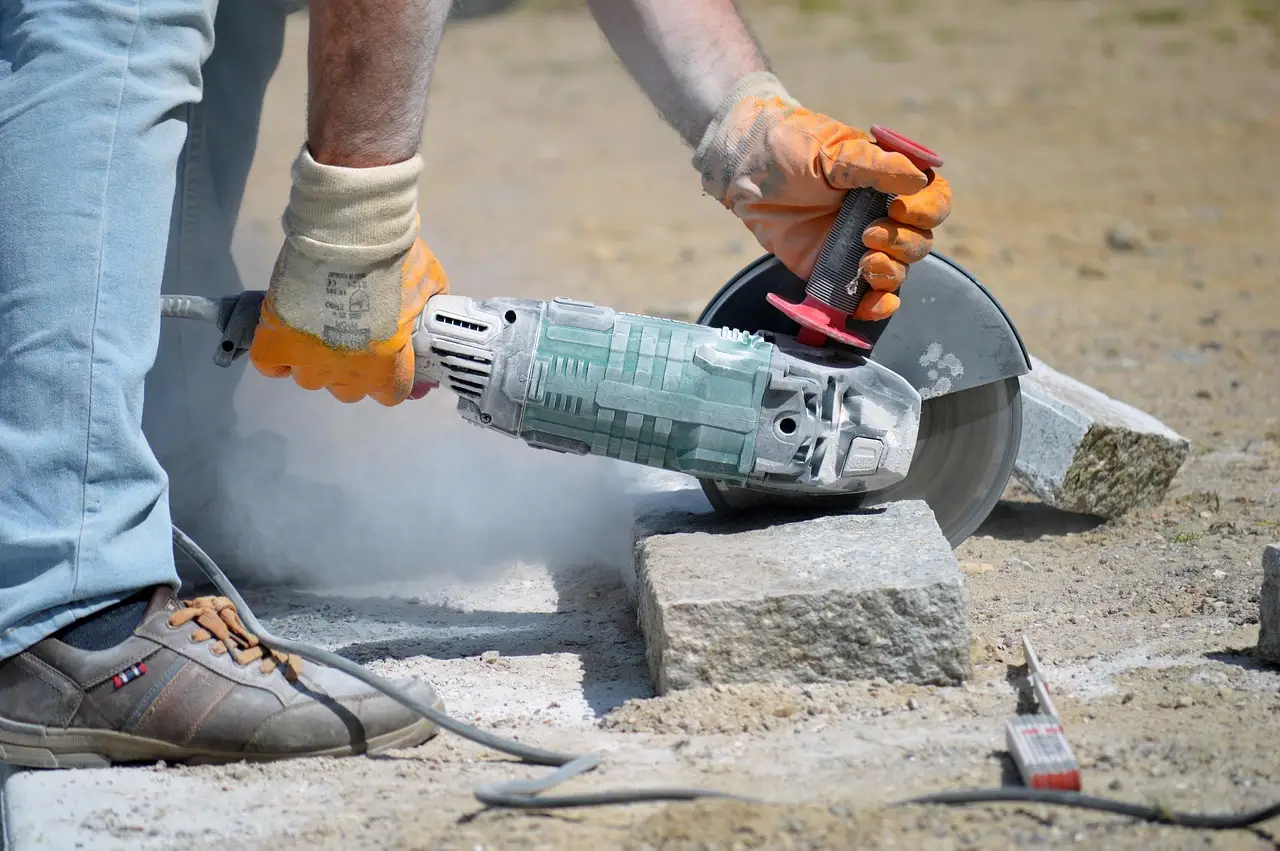
Stop immediately if the housing is too hot to hold, the tool shuts off repeatedly, the cord or plug shows discoloration, the battery swells, or the motor gives off a burnt smell. Letting it keep running can damage the motor, the battery, or both.
Cool the tool for at least 30 minutes before a retest. For a hot drill or circular saw, a 15-minute cooldown is a common minimum, but a longer pause is safer if the housing still feels hot. Retest only after the tool is cool to the touch and the same workload is available.
If that didn’t work, try this next
- Repeat the test with a known-good battery or a heavier-gauge, shorter cord.
- Reduce the cut depth or feed rate by one step, then retest.
- If heat returns with light load, stop and inspect brushes, bearings, and the fan.
Say your circular saw runs hot after 10 minutes on a 25-foot cord, but cools down on a shorter cord. That points to power delivery. Suppose a sander still overheats after the vents are clean and pressure is light. That points to friction or an internal fault.
How do I prevent my tools from overheating in a hot shop?
Keep the tool, cord, and battery out of direct sun, and avoid enclosed spaces where heat can collect. Hot ambient air cuts the tool’s ability to cool itself, so even a healthy motor can run hotter than normal. Plan cool-down breaks into long sessions.
Use these habits every time
- Use the proper speed setting for the accessory and material.
- Take breaks before the housing becomes uncomfortably hot.
- Clean vents after dusty work, not after the next failure.
- Store batteries away from heat and charge them at the right temperature.
Brushless tools often run 20-30°F cooler at peak load than brushed tools, but they still overheat if you overload them or block airflow. That difference helps, but it does not make the tool immune to a bad blade, a weak battery, or a clogged vent.
Frequently asked questions
Can a clogged vent cause a power tool to overheat?
Yes. Dust and debris cut airflow, and airflow is part of the cooling system. Clean the vents with compressed air or a brush after unplugging the tool or removing the battery. If the housing still gets hot quickly, check load and internal wear next.
How do I know if the battery is the problem or the motor?
Swap in a cool, known-good battery first. If the heat problem disappears, the pack was likely the issue. If the tool still overheats under a light load, the motor, brushes, bearings, or fan may be at fault.
How long should I let a power tool cool down?
Let it cool for at least 30 minutes before retesting. For a hot drill or circular saw, a 15-minute cooldown is a common minimum, but wait longer if the housing still feels warm. Retest with the same task only after the tool is cool.
Sponsored / affiliate links. As an Amazon Associate I earn from qualifying purchases. I may earn additional commission from eligible campaigns.