Best Oscillating Multi-Tool for Woodworking (2026): we compared
The best oscillating multi-tool for woodworking matches the cut you make most often. Aim for about 3° to 4° oscillation for faster removal, a tool-free blade clamp, variable speed, and a battery or corded platform that keeps power under load. Poor blade geometry or a weak mount wastes time, burns trim, and spoils flush cuts. This guide shows how to choose for trim, plunge cuts, and detail work by blade system, power platform, and cut type.
This guide is part of our Power tool comparisons and buying guide series.
Quick comparison
| Product | Badge | Best for | Price | ||
|---|---|---|---|---|---|
 |
DEWALT 20V MAX XR Oscillating Multi-Tool Cordless, VariableDEWALT | Our pick | 20V brushless · 3-speed selector · cordless | $98.90
Price as of 11 Oct 2026
|
View |
 |
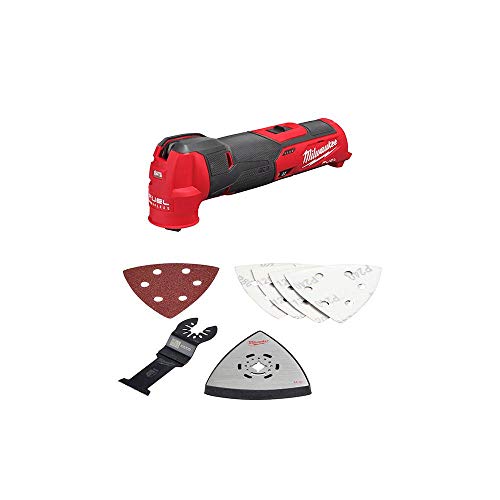
Milwaukee Electric – M18 Fuel OSCILLATING Multi-Tool (KIT)Milwaukee | Upgrade pick | M18 Fuel kit · cordless oscillating multi-tool | $306.99
Price as of 11 Oct 2026
|
View |
 |
Makita XMT03Z 18V LXT® Lithium-Ion Cordless Multi-Tool,Makita | Also great | 18V LXT · 3.2° oscillation · variable speed | $129.99
Price as of 11 Oct 2026
|
View |
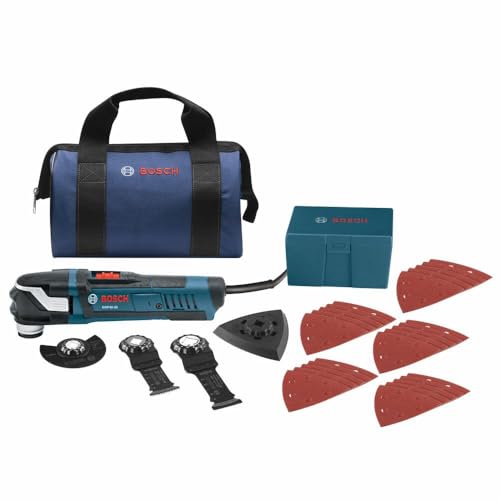 |
BOSCH StarlockPlus Oscillating Multi-Tool Kit with Snap-InBosch | Our pick | StarlockPlus · snap-in blade system · variable speed | $229.00
Price as of 11 Oct 2026
|
View |
 |
5pcs Adapters for Rockwell Sonicrafter Oscillating Tool SawAuoiian | Our pick | $12.99
Price as of 3 Nov 2026
|
View |
This comparison favors woodworking results, not brand reputation. Look for the mix of OPM range, oscillation angle, and blade retention that fits the cut you make most often.
Use the quick picks below, then match the tool to your material, battery platform, and blade costs.
How we chose
We compared tools on cut quality first, especially how well they fit flush cuts, trim work, plunge cuts, and notching. After that came OPM range, oscillation angle, blade attachment design, and whether the platform makes sense for your current batteries or long shop sessions.
We also weighed vibration control, because hand fatigue and chatter matter when you are following a trim line or cleaning up a repair cut. Finally, we looked at total ownership cost: bare-tool price, blade ecosystem, and whether platform lock-in changes the real price of ownership.
Quick picks
- Best for clean trim and flush cuts: Bosch GOP40-30C for blade stability and corded consistency.
- Best corded option for long shop sessions: Bosch GOP40-30C, with DeWalt DWE315K as a higher-speed corded alternative.
- Best cordless option for existing 18V/20V owners: DeWalt DCS356B for broad compatibility and variable speed.
- Best for demanding cordless work: Milwaukee M18 FUEL 2836-20 for a stronger platform and wider 4.2-degree oscillation.
- Best for detailed control: Makita XMT04ZB, especially when you want a compact feel and careful cut control.
- Best value for light woodworking: DeWalt DCS356B, especially if you already own 20V batteries.
A common first-timer mistake is buying for raw speed and then trying to clean up a casing cut with the wrong blade. That usually leads to burn marks on hardwood and ragged edges in plywood.
Woodworking decision table
| Task | Cut type | Preferred OPM range | Oscillation angle | Blade type | Corded or cordless? |
|---|---|---|---|---|---|
| Flush cuts in hardwood | Clean cutoff close to a surface | 10,000-14,000 OPM | 3.0° to 3.2° | Carbide-tipped wood blade | Corded for steady power, cordless for mobility |
| Trim cuts around casing and baseboard | Detail trimming and fitting | 10,000-16,000 OPM | 3.0° to 4.2° | Bi-metal or fine-tooth wood blade | Cordless if you move room to room |
| Plunge cuts for outlet boxes and repairs | Starter cut into sheet goods | 12,000-18,000 OPM | 3.0° to 3.2° | Bi-metal plunge blade | Either; choose the platform you already own |
| Notching plywood and engineered sheet goods | Controlled edge removal | 12,000-16,000 OPM | 3.0° to 3.2° | Fine-tooth wood or carbide-tipped blade | Either, with speed control more important than maximum power |
| Cutting nail-embedded lumber or mixed-material stock | Aggressive mixed-material cut | 14,000-22,000 OPM | 3.0° to 4.2° | Carbide-tipped or heavy bi-metal blade | Corded for long runs, cordless for access |
Milwaukee M18 FUEL 2836-20: best for cordless performance
This is the pick for woodworkers who want a cordless tool that can handle demanding trim cuts and flush work without a cord in the way. Milwaukee lists 10,000 to 20,000 OPM and a 4.2-degree oscillation angle, which points to faster material removal than a smaller-angle tool.
The M18 battery platform matters if you already own Milwaukee packs, because battery lock-in is part of the real cost. That can save money if your shop already runs on M18 tools, but it can raise the entry price if you are starting from zero.
Best blade pairings are carbide-tipped for hardwood and nail-embedded stock, and fine bi-metal blades for general trim work. The drawback is simple: cordless convenience comes with runtime limits on long sessions, and aggressive blades can still leave splintering if you push too hard in plywood.
DeWalt DCS356B: best for general-purpose woodworking
This is the balanced choice for readers who want one tool for trim, small plunge cuts, and light repair work. DeWalt lists 20,000 OPM and a 3.0-degree oscillation angle, a combination that favors control more than brute removal.
The 3-speed selector helps you slow down for hardwood and delicate layout cuts, then step up when you are clearing softwood faster. The quick-change adapter system also makes blade swaps easier than threaded systems, which matters when you move between trim and plunge tasks.
The main tradeoff is that the DCS356B is a tool-only cordless model, so ownership cost depends on whether you already own 20V batteries. If you do not, the bare-tool price can look attractive while the full setup cost climbs quickly.
Bosch GOP40-30C: best for blade stability
This is the best fit when clean cut quality depends on blade retention and repeatable swaps. Bosch lists the GOP40-30C as corded, with 20,000 OPM and a 3.0-degree oscillation angle, which suits controlled woodworking cuts more than aggressive stock removal.
StarlockPlus-style blade security matters when you want less slop at the interface. A tighter blade mount helps reduce chatter, especially on flush cuts where a loose-feeling blade can wander at the edge of casing or hardwood trim.
The drawback is cord management. In a workshop, the cord is often a strength because power stays consistent, but that same cord can feel limiting when you are working around installed cabinets or in a finished room.
Makita XMT04ZB: best for control in detailed cuts
This is the pick for users who want a controlled cordless tool and a compact feel for detailed cuts. The XMT03Z specs supplied here show about a 3.2-degree oscillation angle and a variable speed range of roughly 6,000 to 20,000 OPM, which makes the Makita platform easy to tune for softer or harder wood.
That wider-than-3.0-degree motion can remove material a little faster while still keeping decent control, which helps on trim cutouts and notches. The smaller barrel grip also helps when you are working close to installed casing or a tight cabinet edge.
The tradeoff is the same one that follows most cordless detail tools: runtime. If you are making many long flush cuts in hardwood or thick engineered sheet goods, a spare battery may matter more than the spec sheet suggests.
Dremel Multi-Max MM50-02: best for light-duty trim work
The Dremel Multi-Max MM50-02 appears better suited to light finish carpentry than to heavy material removal. It makes sense for small trim touch-ups, minor plunge cuts, and detail work where control matters more than speed, especially on softwood and thin stock.
The limit shows up quickly in harder material and longer cuts. If you need to remove a lot of wood, or if you want a tool for frequent hardwood flush cuts, this is usually the class to pass over in favor of a stronger cordless or corded model.
For cleaner results, pair it with fine-tooth wood blades and keep the speed down at first. That helps reduce chatter and splintering, especially on painted trim or thin plywood edges.
Which one should you buy
If you want the simplest buying rule, match the tool to your most common cut. For trim and baseboard work, start with the Bosch GOP40-30C or DeWalt DCS356B. For hardwood and plywood, look for lower-speed control, a stable blade interface, and a carbide-tipped blade. For a workshop already built around one battery platform, buy into that platform before chasing a slightly better spec sheet.
Lowest total ownership cost often means the bare tool is only half the story. Add the battery price, charger, and replacement blades before you compare a cordless tool with a corded one. If you want the easiest blade swaps, Starlock or StarlockPlus systems are worth a look, but only if the blade selection fits woodworking rather than just general remodeling.
If you are choosing between Milwaukee, DeWalt, Makita, Bosch, and Dremel, separate finish work from rougher cuts. Milwaukee is the stronger cordless pick for demanding jobs; DeWalt is the flexible generalist; Bosch is the stability-first corded option; Makita leans toward control; Dremel is best kept for light-duty trim. A Dremel Multi-Max may be enough for occasional casing cleanup, but it is not the first choice for long hardwood cuts.
What is the best oscillating tool for woodworking?
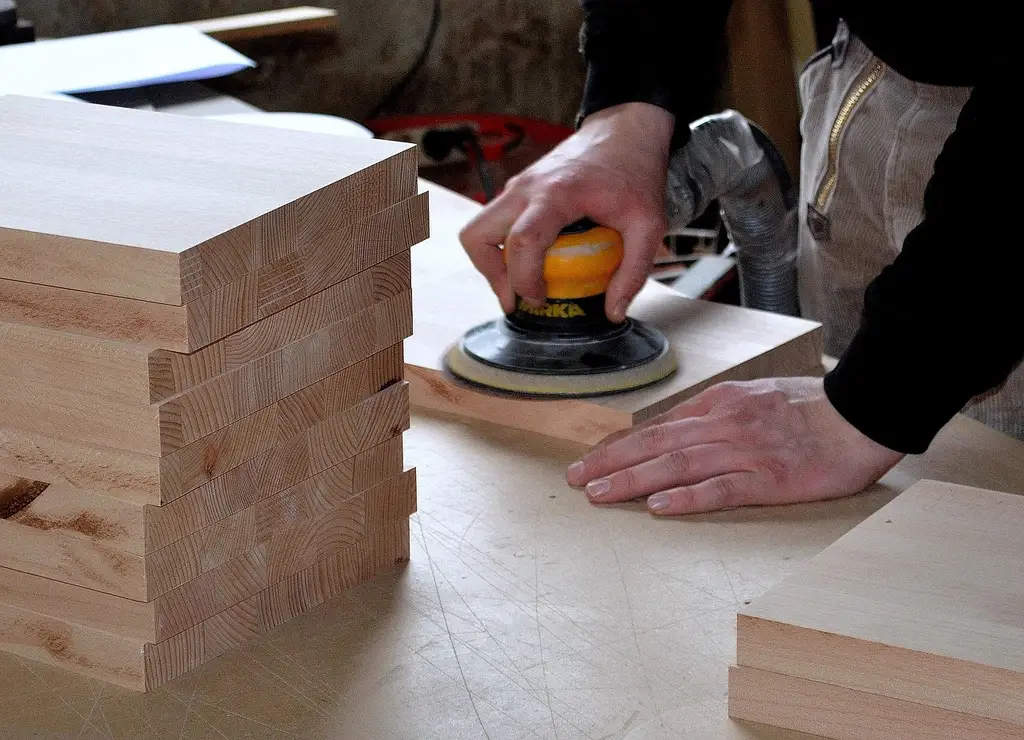
In woodworking, a good oscillating tool is usually the one with the right mix of OPM control, an oscillation angle in the 3° to 4° range, and a blade system that holds the blade securely. For most readers, that means a tool that can cut trim cleanly, handle plunge cuts, and avoid burn marks in hardwood and plywood.
What is the best oscillating tool
There is no single best oscillating tool for every job. For woodworking, the better question is which setup fits your cut type: corded for long sessions, cordless for portability, 3.0° for control, and 4.2° when you want faster removal. Blade quality often matters more than the badge on the housing.
What OPM should I look for in an oscillating tool for wood?
A practical woodworking range is around 10,000 to 22,000 OPM, with lower speeds helping control in hardwood and higher speeds helping softwood and faster removal. For cleaner trim and flush cuts, variable speed matters more than the absolute top number, because it lets you slow the cut before the blade starts to wander.
Is a Starlock oscillating tool worth it for woodworking?
Starlock can be worth it if you value blade security, repeatable swaps, and reduced slop at the blade mount. That matters most on cleaner woodworking cuts. The catch is ecosystem cost and compatibility, because the best blade system is the one with good woodworking blades available at a price you can live with.
What blades are best for an oscillating tool on wood?
Bi-metal blades are a common general-purpose choice for wood and mixed materials. Carbide-tipped blades last longer in hardwood, engineered wood, and nail-embedded lumber, though they usually cost more. For the cleanest trim work, choose a fine-tooth blade and keep feed pressure light to reduce splintering and chatter.
Corded or cordless oscillating multi-tool for a workshop?
Corded is usually better for long shop sessions because power stays consistent and battery runtime is never the limiter. Cordless is better if you already own the platform or move between rooms often. In a workshop, the best decision is often the one that avoids a second battery system and its added cost.
How do I choose between Milwaukee, DeWalt, Makita, Bosch, and Dremel?
Choose Milwaukee for demanding cordless work, DeWalt for a strong all-around cordless option, Bosch for corded stability and blade security, Makita for control-focused detail cuts, and Dremel for light trim tasks. Start with the cuts you make most, then match the tool’s OPM, angle, and platform to that job.
Sponsored / affiliate links. As an Amazon Associate I earn from qualifying purchases. I may earn additional commission from eligible campaigns.