Exploring the Sherwin Williams Wood Stain Chart: Your Guide to Stunning Wood Finishes
Hey there! If you’re like me, you love the look of beautifully stained wood—whether it’s a deck glowing under the summer sun or a cozy indoor table that feels just right. I’ve spent countless hours in my workshop, experimenting with stains, and one resource I keep coming back to is the Sherwin Williams wood stain chart. It’s like a treasure map for woodworkers, guiding you through a world of colors and finishes. Whether you’re a beginner or a seasoned pro, this chart can help you pick the perfect stain for your project.
In this article, I’m excited to share everything I’ve learned about the Sherwin Williams wood stain chart. I’ll walk you through its features, explain the types of stains, and offer tips to make your woodworking projects shine. Let’s dive in!
Why the Sherwin Williams Wood Stain Chart Matters
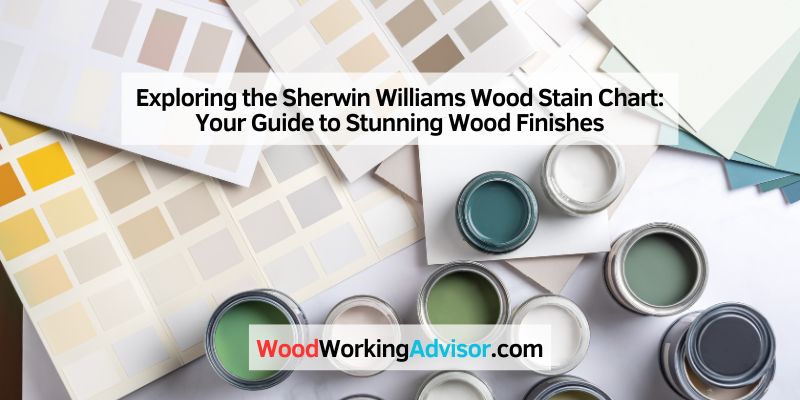
When I first started woodworking, choosing a stain felt overwhelming. There are so many options out there! That’s where the Sherwin Williams wood stain chart became my go-to tool. It’s a visual guide that lays out all the stain colors and opacities available, helping you see exactly how each shade looks on different types of wood.
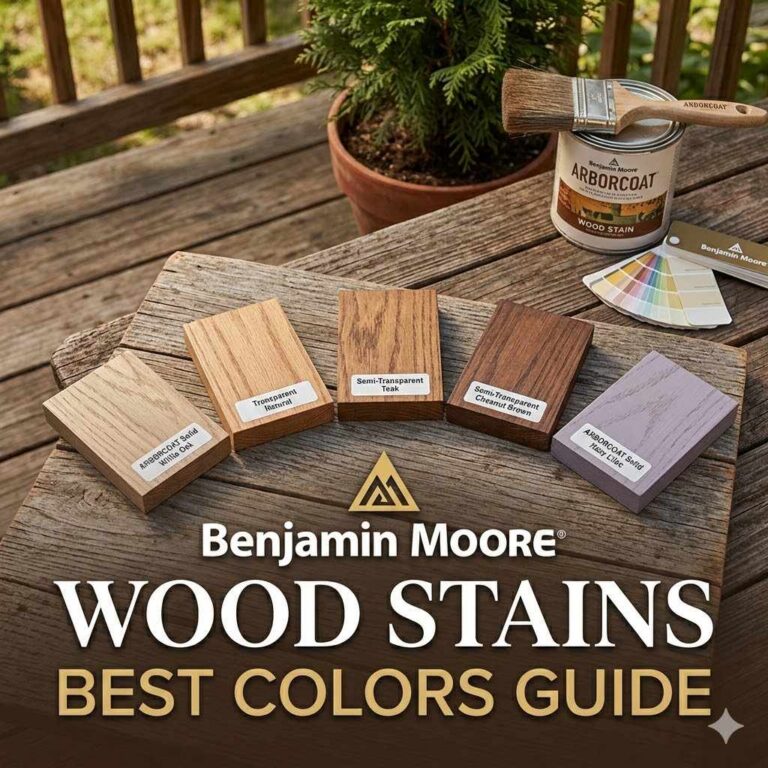
This chart isn’t just a pretty picture—it’s a practical tool. It shows you how colors like Burnished Walnut or Classic Cherry appear on oak, pine, or cedar. It also helps you understand the difference between transparent, semi-transparent, and solid stains. I’ve used it to plan everything from deck makeovers to custom furniture pieces, and it’s saved me from costly mistakes. Trust me, having this chart in your arsenal makes decision-making so much easier.
Types of Sherwin Williams Wood Stains
One thing I love about Sherwin Williams is how they break down their stains into clear categories. Let’s explore the main types you’ll find on their wood stain chart. Each has its own vibe and purpose, so you can pick what works best for your project.
Transparent Stains
Transparent stains are like a light veil for your wood. They add a hint of color while letting the natural grain shine through. I used a transparent stain on a cedar bench once, and it gave the wood a warm glow without hiding its beautiful texture. These stains are perfect for projects where you want the wood’s natural beauty to take center stage, like outdoor furniture or interior paneling. However, they offer less protection against weather, so they’re best for indoor projects or low-exposure outdoor pieces.
Semi-Transparent Stains
If you want a bit more color but still love seeing the wood grain, semi-transparent stains are your friend. I’ve used these on decks and fences because they strike a great balance between style and protection. The Sherwin Williams chart shows how these stains add richer tones while still letting some grain show through. They’re durable, weather-resistant, and great for outdoor projects that face sun and rain.
Semi-Solid Stains
Semi-solid stains are a step up in coverage. They add a bold pop of color while letting just a hint of the wood grain peek through. I tried a semi-solid stain on an old porch railing, and it transformed the faded wood into something vibrant yet natural. These are great for exterior surfaces that need extra protection but still want a touch of wood character.
Solid Stains
Solid stains are like paint’s cousin—they provide full coverage and hide most of the wood grain. I used a solid stain on a weathered deck, and it looked brand new! These stains are ideal for outdoor projects that need maximum protection from the elements, like siding or decks in harsh climates. The Sherwin Williams chart offers a range of bold colors, so you can get creative while keeping your wood safe.
| Stain Type | Coverage Level | Best For | Protection Level |
|---|---|---|---|
| Transparent | Light, shows grain | Indoor furniture, low-exposure outdoor | Low |
| Semi-Transparent | Moderate, some grain | Decks, fences, outdoor furniture | Moderate |
| Semi-Solid | High, minimal grain | Porches, railings, exterior wood | High |
| Solid | Full, hides grain | Decks, siding, high-exposure surfaces | Very High |

Exploring the Color Palette
The Sherwin Williams wood stain chart is a feast for the eyes. With over 240 colors (thanks to their partnership with Minwax), you’ve got endless possibilities. I remember flipping through the chart at my local store, feeling like a kid in a candy shop. From warm tones like Golden Oak to deep hues like Ebony, there’s something for every taste.
One thing I’ve learned is that the same color can look different on various woods. For example, a rich walnut stain looks cozy on oak but bolder on pine. The chart often shows samples on different wood types, which is super helpful. I always recommend testing a small patch first to see how the color plays with your wood’s natural tones. Pro tip: grab a sample size from Sherwin Williams to avoid surprises!
Interior vs. Exterior Stains
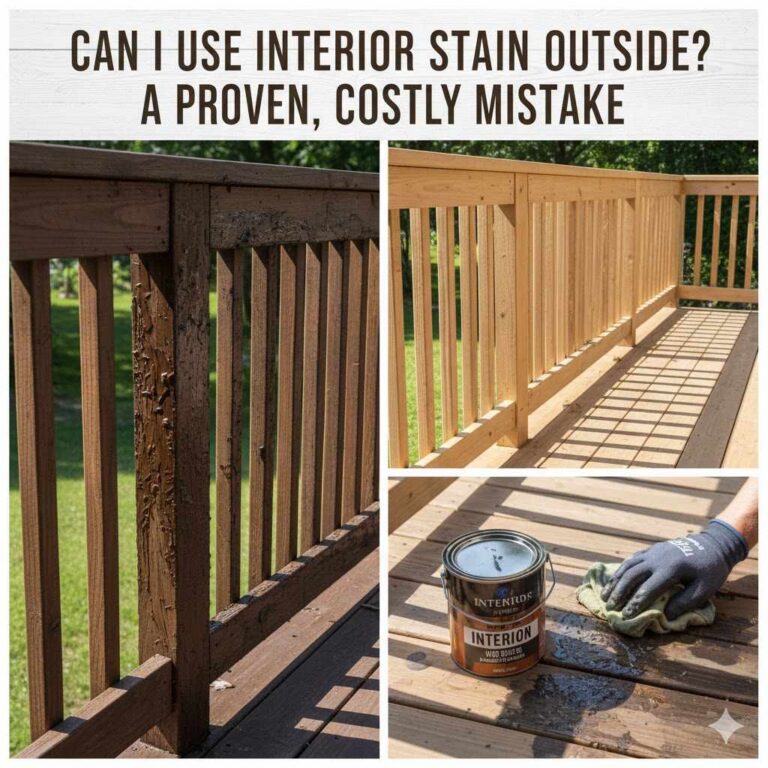
Not all stains are created equal, and Sherwin Williams makes it clear which ones are for indoor or outdoor use. I learned this the hard way when I used an interior stain on an outdoor project—let’s just say the rain wasn’t kind! Here’s the breakdown.
Interior Stains
Interior stains are designed for furniture, cabinets, or paneling. They focus on enhancing the wood’s beauty without worrying about weather. I used Sherwin Williams Minwax interior stain on a coffee table, and the smooth, rich finish made it a showstopper. These stains are easy to apply and come in a variety of colors to match your home’s vibe.
Exterior Stains
Exterior stains, like SuperDeck or Woodscapes, are built to withstand the elements. I’ve used Woodscapes on my deck, and it’s held up beautifully against sun, rain, and even snow. These stains often have added UV protection and mildew resistance, which is a game-changer for outdoor projects. The chart clearly labels which stains are exterior-ready, so you won’t mix them up.
How to Use the Sherwin Williams Wood Stain Chart
Using the chart is simple, but I’ve got a few tricks to make it even easier. First, visit a Sherwin Williams store or their website to get a physical or digital copy of the chart. Look at the color swatches and note how they vary by wood type. If you’re working with oak, check the oak samples; if it’s pine, focus on those.
Next, think about your project’s needs. Are you staining a deck that gets tons of sun? Go for a solid or semi-solid exterior stain. Crafting an indoor bookshelf? A transparent interior stain might be perfect. I always bring a small piece of my project wood to the store to compare it against the chart—it’s a lifesaver for matching tones.
Sherwin Williams also offers online tools where you can visualize colors on virtual projects. I’ve played around with these tools, and they’re great for getting a rough idea before you commit. But nothing beats seeing the chart in person and talking to a store employee—they’re usually super knowledgeable.
Application Tips for Perfect Results
Applying stain is an art, and I’ve picked up some tips over the years. First, always prep your wood. Sand it smooth and clean it thoroughly to remove dust or old finishes. I once skipped this step, and my stain looked streaky—lesson learned!
When applying, use a brush or cloth for even coverage. I prefer a foam brush for small projects and a natural bristle brush for larger surfaces like decks. Work in small sections to avoid lap marks, and always follow the wood grain. The Sherwin Williams chart often includes application tips for each stain type, so check those out.
For exterior projects, check the weather forecast. I made the mistake of staining a fence right before a rainstorm, and it was a mess! Aim for a dry, mild day. Also, apply multiple thin coats rather than one thick one—it gives a smoother finish and better protection.
Water-Based vs. Oil-Based Stains
Sherwin Williams offers both water-based and oil-based stains, and each has its perks. I’ve used both, and here’s what I’ve found.
Water-Based Stains
Water-based stains are eco-friendly and low in VOCs (those nasty chemicals that smell bad). They dry faster, which is great if you’re impatient like me. I used a water-based stain on a kitchen island, and it was dry in a few hours. They’re also easier to clean up with soap and water. However, they might not penetrate the wood as deeply, so they’re better for indoor projects.
Oil-Based Stains
Oil-based stains sink deep into the wood, giving a rich, long-lasting finish. I used an oil-based stain on my front porch, and it’s still holding strong after years of foot traffic. They’re great for outdoor projects because they’re super durable. The downside? They take longer to dry, and cleanup requires mineral spirits. The Sherwin Williams chart labels which stains are water-based versus oil-based, so you Moscato check the labels to confirm.
Environmental Considerations
As someone who cares about the planet, I appreciate that Sherwin Williams offers eco-friendly options. Many of their stains, especially water-based ones, have low VOCs, which means less harm to the environment and your health. I always check the product label for VOC content before buying—it’s usually listed clearly. For outdoor projects, I’ve found that Sherwin Williams exterior stains, like SuperDeck, balance eco-friendliness with durability, so you don’t have to sacrifice quality for sustainability.
Matching Stain to Wood Type
Different woods take stain differently, and the Sherwin Williams chart is a great guide for this. For example, oak soaks up stain evenly, giving a consistent color. Pine, on the other hand, can look blotchy if you don’t use a pre-stain conditioner. I learned this after a pine project turned out uneven—now I always condition softwoods first. Cedar and redwood have natural oils that can resist stain, so a light sanding helps. The chart’s samples show these differences, so you can plan accordingly.
Maintenance and Longevity
Stains aren’t a one-and-done deal, especially for outdoor projects. I’ve found that Sherwin Williams exterior stains, like Woodscapes, last longer if you maintain them properly. For decks, I reapply a fresh coat every 2-3 years, depending on weather exposure. A light sanding and cleaning before restaining keeps the finish smooth. Indoor stains last longer, but I still give furniture a quick polish now and then to keep it looking fresh. The chart’s durability ratings help you choose a stain that matches your maintenance schedule.
Where to Find the Sherwin Williams Wood Stain Chart
You can find the chart at any Sherwin Williams store—just ask an employee, and they’ll hand you a copy or point you to a display. Online, the Sherwin Williams website has a digital version, often with interactive tools to preview colors. I’ve also seen Minwax charts at Sherwin Williams stores, which include exclusive colors. If you’re near a store, I recommend visiting in person to see the swatches under natural light—it makes a big difference.
Pairing Stains with Topcoats
A good stain deserves a good topcoat. For interior projects, I use a clear polyurethane to seal the stain and add shine. For exterior projects, Sherwin Williams offers clear sealers like SuperDeck Clear Sealer, though I’ve heard mixed reviews about its longevity. I usually apply a topcoat after the stain dries fully—check the label for timing. This extra layer protects your stain and keeps it looking vibrant for years.
Common Mistakes to Avoid
I’ve made my share of staining blunders, so let me save you some trouble. Don’t skip sanding—it’s crucial for a smooth finish. Avoid applying too much stain at once; it can get sticky and uneven. I once rushed a deck project and ended up with lap marks because I didn’t work in small sections. Also, test your color on a scrap piece first—the chart is a guide, but your wood might react differently. Lastly, don’t ignore drying times. Patience is key!
Why Sherwin Williams Stands Out
After trying various brands, I keep coming back to Sherwin Williams for their quality and variety. Their stains are easy to apply, durable, and come in colors that suit any style. The wood stain chart is a big part of that—it’s user-friendly and packed with options. Plus, their store staff are always ready to answer questions, which is a lifesaver when you’re stuck choosing between two shades.
Conclusion: Transform Your Woodworking with Sherwin Williams
After countless projects, I can say the Sherwin Williams wood stain chart is like a trusty friend in my workshop. It takes the guesswork out of choosing colors, helps me match stains to wood types, and ensures my projects look professional and last long. Whether you’re refreshing a deck or crafting a heirloom table, this chart guides you to the perfect finish. So grab a copy, experiment with samples, and let your creativity shine. Your wood deserves to look its best, and with Sherwin Williams, you’re halfway there!
Frequently Asked Questions
What is the Sherwin Williams wood stain chart?
It’s a visual guide showing all the stain colors and opacities Sherwin Williams offers. It helps you see how colors look on different woods, making it easier to choose the right stain for your project.
How do I choose between transparent and solid stains?
Transparent stains show the wood grain and are great for natural looks, but they offer less protection. Solid stains cover the grain and provide maximum weather resistance, ideal for outdoor projects like decks.
Can I use interior stains outside?
No, interior stains aren’t built for weather exposure. I made this mistake once, and the finish faded quickly. Use exterior stains like Woodscapes for outdoor projects to ensure durability.
How often should I restain my deck?
It depends on the stain and weather, but I usually restain every 2-3 years with Sherwin Williams exterior stains. Regular cleaning and light sanding before reapplying keeps it looking fresh.
Are Sherwin Williams stains eco-friendly?
Many of their stains, especially water-based ones, have low VOCs, which are better for the environment and your health. Check the label for VOC content to be sure.
Where can I get the Sherwin Williams wood stain chart?
Visit a Sherwin Williams store for a physical copy or check their website for a digital version. In-store, you can see swatches in person, which I find really helpful.