Teak Vs Danish Oil: Ultimate Guide to Wood Finish Mastery
When it comes to protecting and enhancing your wood furniture, choosing the right finish can feel overwhelming. You might have heard about teak oil and Danish oil, but which one truly suits your needs?
Understanding the difference between teak oil and Danish oil can make a big impact on how your wood looks and lasts over time. You’ll discover the key benefits and drawbacks of each, helping you make a confident choice for your next wood project.
Keep reading to find out which oil will bring out the best in your wood and keep it looking great for years.
Teak Oil Basics
Teak oil is a popular finish for wooden surfaces. It brings out the natural beauty of teak and other hardwoods. This oil helps protect wood from moisture and sun damage. Understanding teak oil basics is key for good wood care. Here is what you need to know.
Composition And Ingredients
Teak oil is a blend of oils and solvents. It often contains linseed oil or tung oil. Some versions mix mineral spirits to help the oil soak in. The oils nourish the wood and create a protective layer. No harsh chemicals make it safe for indoor and outdoor use.
Common Uses
Teak oil is mainly for wooden furniture and boat decks. It works well on teak, rosewood, and other dense woods. It refreshes old wood and protects new surfaces. People use it for outdoor furniture, cutting boards, and wood trim. The oil keeps wood looking fresh and natural.
Application Techniques
Clean the wood before applying teak oil. Use a cloth or brush to spread the oil evenly. Let it soak for 15-30 minutes, then wipe off excess. Multiple coats give better protection and shine. Allow each coat to dry fully before applying the next. Regular oiling keeps wood healthy and vibrant.
Danish Oil Essentials
Danish oil is a popular finish for wood projects. It offers protection and a soft shine. Many woodworkers choose it for its ease of use and natural look.
This section covers the key facts about Danish oil. Learn what it contains, where to use it, and how to apply it correctly.
Formula And Components
Danish oil is a blend of oils and varnish. It usually contains tung oil, linseed oil, and a drying agent. The mix helps the wood absorb oil while creating a protective layer.
The varnish in Danish oil adds durability. It prevents water and dirt from damaging the wood. The drying agent speeds up the hardening process.
Typical Applications
Danish oil works well on hardwoods like teak, oak, and mahogany. It suits furniture, cabinetry, and small wood projects. It enhances the wood grain and adds warmth.
People use Danish oil for both indoor and outdoor items. It helps protect against moisture and sunlight. It is not ideal for heavy wear surfaces.
How To Apply
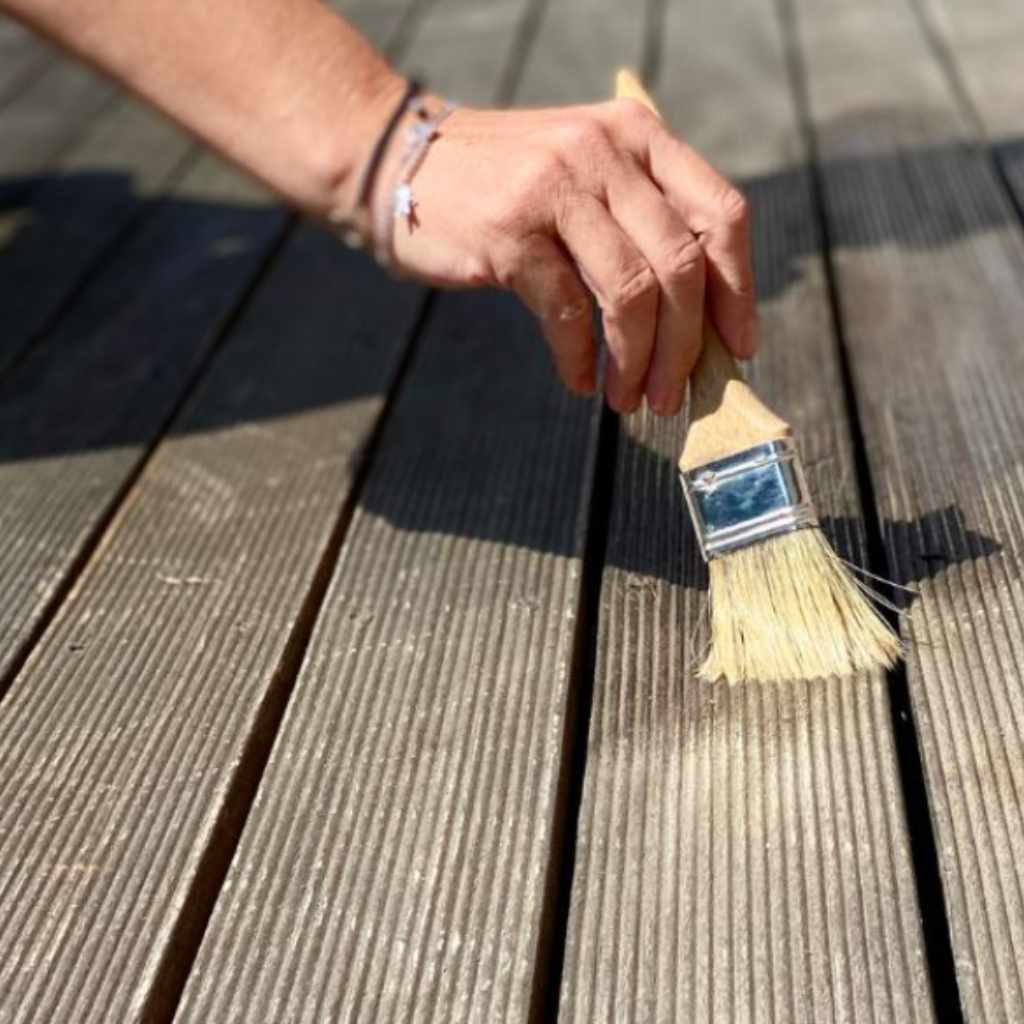
Start with clean, sanded wood. Apply Danish oil with a brush or cloth. Rub it in using circular motions for even coverage.
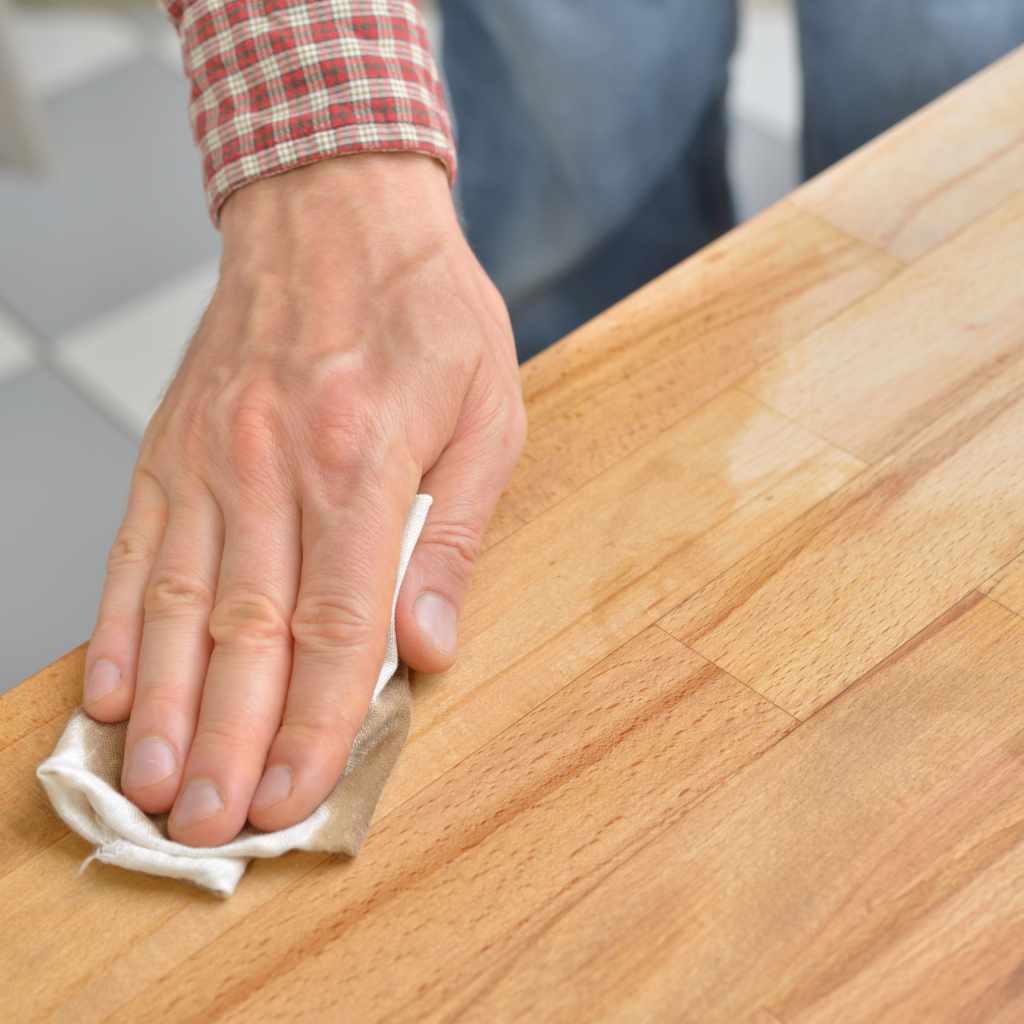
Let the oil soak into the wood for 15 minutes. Wipe off any excess with a clean cloth. Repeat the process for a deeper finish.
Allow the oil to dry fully between coats. Usually, two to three coats give good protection and shine.
Durability And Protection
Durability and protection are key factors when choosing between Teak oil and Danish oil. Both oils offer different levels of defense for wood surfaces. Understanding their strengths helps keep wood looking good for longer. This section explains how each oil resists weather, scratches, stains, and lasts on various woods.
Resistance To Weather
Teak oil is made to handle outdoor conditions well. It repels water and resists UV rays. This makes it ideal for furniture exposed to sun and rain. Danish oil also protects wood but is less strong against harsh weather. It works better indoors or in covered areas. For long-lasting outdoor use, Teak oil offers better weather resistance.
Scratch And Stain Protection
Danish oil forms a hard layer that protects wood from scratches and stains. It soaks deep and seals pores, reducing damage. Teak oil penetrates wood but stays softer, offering less scratch resistance. For surfaces that face rough use, Danish oil provides stronger scratch and stain protection. It keeps wood looking smooth and clean over time.
Longevity On Different Woods
Teak oil suits dense, oily woods like teak and mahogany. It enhances natural oils and lasts longer on these woods. Danish oil works well on softer woods such as pine and oak. It brings out the grain and adds moderate protection. Both oils need reapplication, but the frequency depends on wood type and use. Choosing the right oil matches the wood’s needs and extends its life.
Appearance And Finish
The appearance and finish of wood play a big role in choosing the right oil. Both Teak oil and Danish oil change how wood looks and feels. They highlight the wood’s natural beauty in different ways. Understanding their effects helps you pick the best option for your project.
Color Enhancement
Teak oil deepens the wood’s natural color. It brings out warm, rich tones that make wood look darker and fuller. The color appears natural and vibrant without looking artificial. Danish oil also enhances color but with a softer effect. It adds a light amber tint that brightens the wood gently. The finish looks natural and less intense than teak oil.
Gloss And Sheen Levels
Teak oil usually creates a medium to high gloss finish. It gives the wood a shiny, wet look that stands out. This makes surfaces look polished and well-protected. Danish oil provides a low to medium sheen. The finish looks smooth and satin-like, without a strong shine. It offers a more subtle and matte appearance.
Texture And Feel
Teak oil leaves the wood surface feeling smooth and slightly slick. It creates a protective layer that feels solid to the touch. Danish oil penetrates deeper into the wood. It keeps the surface feeling natural and soft. The texture stays closer to raw wood but with added protection.
Drying And Curing Times
Drying and curing times are important when choosing between Teak oil and Danish oil. These times affect how soon you can use your wood item and how well the finish protects the surface. Understanding these periods helps you plan your project better and get the best results.
Initial Drying Period
Teak oil usually starts to dry within 1 to 2 hours. Danish oil takes about 4 to 6 hours to become dry to the touch. During this time, the oils soak into the wood and begin to harden on the surface. Avoid heavy use or handling during this phase to prevent damage.
Full Cure Duration
Teak oil needs 24 to 48 hours to fully cure. Danish oil often requires 3 to 7 days to reach full hardness. Full curing means the finish has hardened completely and offers maximum protection. Avoid water or heavy wear until this period ends.
Factors Affecting Drying
Temperature plays a key role in drying times. Warm weather speeds up drying, while cold slows it down. Humidity also affects curing; high moisture can delay the process. Wood type and thickness influence how the oil absorbs and dries. Applying thick coats can extend drying times too.
Maintenance And Reapplication
Maintaining teak and Danish oil finishes keeps wood looking fresh and protects it. Both need regular care to stay beautiful. Knowing when and how to reapply oil helps wood last longer. This section explains signs for recoating, cleaning tips, and the refinishing process.
Signs It Needs Recoating
Wood starts to look dull or dry. Water no longer beads on the surface. The color fades or looks patchy. Rough spots or small cracks appear. These signs mean the finish needs a new coat. Check wood every few months for changes.
Cleaning Tips
Use a soft cloth or brush for dust and dirt. Mild soap with water works well for cleaning. Avoid harsh chemicals that can strip the finish. Rinse with clean water and dry with a towel. Clean wood before reapplying oil for best results.
Refinishing Process
Lightly sand the wood with fine sandpaper. Remove dust completely with a clean cloth. Apply a thin coat of teak or Danish oil using a brush or cloth. Let it soak in for 15-20 minutes. Wipe off extra oil to avoid sticky surfaces. Allow wood to dry fully before use.
Safety And Environmental Impact
Safety and environmental impact are important when choosing between teak and Danish oil. Both materials affect health and nature differently. Understanding these effects helps make smarter, safer choices for your projects and home.
Knowing the risks and proper care can protect you and the environment. This section breaks down key safety and eco-factors of teak and Danish oil.
Toxicity And Fumes
Teak wood is naturally safe and low in toxicity. It does not release harmful fumes during use or finishing. Danish oil, however, contains chemicals that can release strong fumes. These fumes may irritate eyes, skin, and lungs. Use Danish oil in well-ventilated spaces. Wear gloves and masks for extra protection. Keep children and pets away from treated areas until fully dry.
Disposal Guidelines
Disposing of teak wood scraps is simple. They can be recycled, burned, or composted safely. Danish oil requires careful disposal due to its chemical content. Do not pour leftover oil down drains or on soil. Store rags used with Danish oil in metal containers. This prevents fire hazards from spontaneous combustion. Follow local rules for hazardous waste disposal. Proper disposal reduces pollution and health risks.
Eco-friendly Alternatives
Consider eco-friendly oils to protect health and nature. Natural oils like linseed or tung oil have fewer chemicals. These oils offer good protection with less environmental harm. Some brands sell water-based Danish oils with lower toxicity. They emit fewer fumes and are easier to clean. Choosing greener options helps keep your home and planet safe.
Cost And Availability
Cost and availability play a big role in choosing between teak and Danish oil. Each has different prices and can be found in different places. Understanding these details helps you make the best choice for your project and budget.
Price Comparison
Teak wood is generally more expensive than Danish oil. The high cost comes from teak’s durability and natural beauty. Danish oil is cheaper and lasts a long time. It protects wood without a big upfront cost.
Where To Buy
Teak is sold at specialty wood stores and online. It may not be easy to find locally. Danish oil is widely available at hardware stores and online shops. You can find it in small or large quantities.
Value For Money
Teak offers long-term value due to its strength and look. It needs less maintenance over time. Danish oil provides good protection for less money. It improves wood grain and is easy to apply.
Choosing The Right Finish
Choosing the right finish for your wood project can make a big difference. The finish protects the wood and shows off its natural beauty. Both teak oil and Danish oil offer great protection and enhance wood grain. Picking the right one depends on several factors.
Consider the type of wood, where the item will be used, and your personal style. Understanding these points helps you select the best finish for your needs.
Wood Type Considerations
Teak oil works well with dense woods like teak and mahogany. It soaks deep and brings out rich colors. Danish oil suits softer woods like pine or oak. It seals the surface and adds a slight shine. Choose oil based on your wood’s hardness and grain pattern.
Indoor Vs Outdoor Use
Teak oil is excellent for outdoor furniture. It resists water and sunlight damage. Danish oil works better for indoor items like tables and cabinets. It offers moderate protection but highlights wood’s natural look. Match the oil type to where the wood piece will stay.
Personal Preferences
Some like a natural, matte finish. Danish oil often gives this look. Others want a richer, glossy finish. Teak oil can deliver this effect. Think about how shiny or natural you want your wood to appear. Your style guides your choice between these oils.
Frequently Asked Questions
What Is The Difference Between Teak Oil And Danish Oil?
Teak oil is specifically formulated for dense hardwoods like teak. Danish oil is a blend of oil and varnish, suitable for various woods. Teak oil penetrates deeply, enhancing natural grain. Danish oil offers a durable, satin finish with moderate protection.
Which Oil Is Better For Outdoor Teak Furniture?
Teak oil is better for outdoor teak furniture. It enhances water resistance and prevents drying. Danish oil provides some protection but is less durable outdoors. Regular reapplication of teak oil keeps furniture looking fresh and protected.
How Long Does Danish Oil Last On Wood Surfaces?
Danish oil typically lasts 6 to 12 months on wood. Its durability depends on exposure to sunlight and moisture. Reapplication is necessary to maintain finish and protection. Proper surface preparation can extend the oil’s lifespan.
Can Teak Oil Be Used On Other Wood Types?
Yes, teak oil can be used on other hardwoods. It enhances grain and provides water resistance. However, it is best suited for dense woods like teak and rosewood. Lighter woods may absorb oil unevenly.
Conclusion
Teak and Danish oil both protect and beautify wood well. Teak oil works best for outdoor use and rough wood. Danish oil soaks in deeply and gives a smooth finish. Think about your project’s needs and choose the oil that fits.
Both oils need regular care to keep wood strong and good-looking. Your choice depends on how you want the wood to look and last. Easy to apply, both oils help wood stay natural and fresh. Pick the one that suits your style and wood type.