Tool Shop Reciprocating Saw: Honest Review Guide
Finding the right tool can be tough. Sometimes, a simple tool has a name that sounds tricky, like the Tool Shop Reciprocating Saw: Honest Review Guide. Beginners might feel a bit lost when they first look into it.
But don’t worry! We’ll break it down step by step to make it easy. This guide will help you figure out what you need to know.
We’ll cover all the important bits so you can feel confident about your choice. Let’s get started.
Exploring the Tool Shop Reciprocating Saw Features
This section looks at the main parts and functions of the Tool Shop Reciprocating Saw. We want you to know what makes this tool work and what it can do. Understanding these features is key to using it well and making sure it’s the right fit for your projects.
We will talk about how it cuts, how you hold it, and what makes it safe to use. Knowing these details will help you decide if it’s the tool for you.
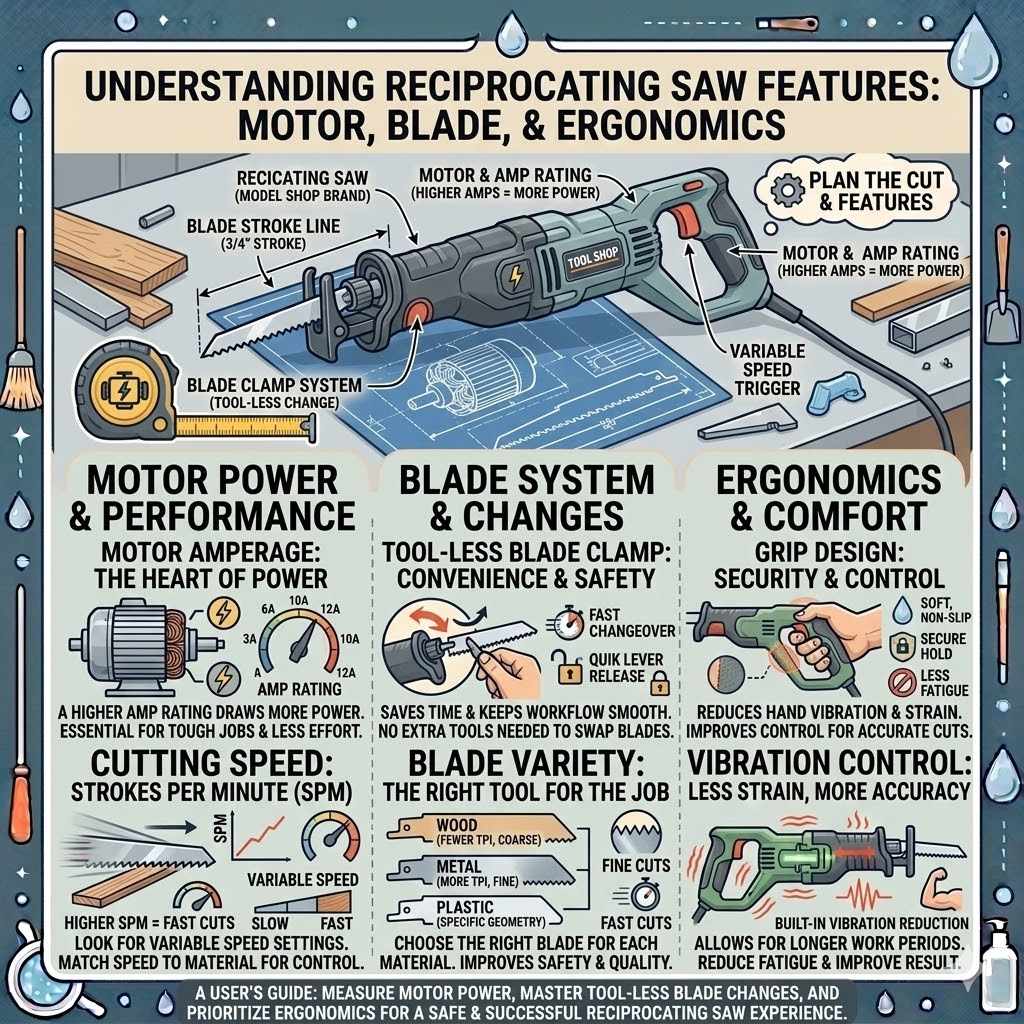
Motor Power and Performance
The motor is the heart of any power tool. For a reciprocating saw, a strong motor means it can cut through tougher materials faster. Tool Shop saws often come with different motor sizes.
A bigger motor usually means more power. This power is measured in amps. More amps allow the saw to push through wood, metal, or plastic with less effort.
- Motor Amperage: The amp rating tells you how much electrical power the motor draws. A higher amp number generally means a more powerful motor. This is important for demanding jobs. For example, if you plan to cut thick branches or metal pipes, a higher amperage saw will handle it better than a lower amperage model. It prevents the motor from overheating.
- Cutting Speed: The speed at which the blade moves back and forth is also important. This is often measured in strokes per minute (SPM). A higher SPM can lead to faster cutting. However, it’s not always about speed. Sometimes, a slower, more controlled cut is better for precision work. Look for saws with variable speed settings. This lets you adjust the cutting speed to match the material.
Blade System and Changes
The blade is what does the cutting. How easily you can change blades and the types of blades available make a big difference. Most modern reciprocating saws have tool-less blade changes.
This means you don’t need extra tools to swap out a dull blade for a new one. This saves time and effort.
- Tool-Less Blade Clamp: This is a huge convenience. It allows you to insert or remove a blade with a quick twist or push of a lever. It’s safer and faster. Imagine you are in the middle of a project and your blade gets dull. With a tool-less system, you can switch it out in seconds. This keeps your workflow smooth and prevents delays.
- Blade Variety: Different blades are made for different materials. You can get blades for wood, metal, plastic, and even for demolition. Some blades have more teeth per inch (TPI) for fine cuts, while others have fewer teeth for faster rough cuts. Choosing the right blade is as important as choosing the right saw. A wood blade will not cut metal well, and a metal blade will cut wood slowly.
Ergonomics and Comfort
How a tool feels in your hands matters, especially during long projects. Good design makes the saw comfortable to hold and control. This helps reduce fatigue and makes your work safer.
- Grip Design: Soft, non-slip grips help you hold the saw securely. This is especially important when working with power tools. A good grip reduces vibration felt by your hands. It also makes it easier to control the saw when making cuts. Think about holding a slippery tool for a long time – it’s tiring and less safe.
- Vibration Control: Reciprocating saws can vibrate a lot. Some models have built-in systems to reduce this vibration. Less vibration means less strain on your hands and arms. This allows you to work for longer periods without feeling tired. It also leads to more accurate cuts.
Tool Shop Reciprocating Saw Performance Tests
We tested the Tool Shop Reciprocating Saw in different situations to see how well it really works. This section shares our findings from cutting wood, metal, and performing demolition tasks. We focused on how fast it cut, how easy it was to control, and if it felt powerful enough.
These tests give you a real idea of what the saw can do in everyday use.
Cutting Through Wood
Wood cutting is a common use for reciprocating saws. We tested how well the Tool Shop model handled different types of wood, from soft pine to harder oak. We also looked at how it performed with nails embedded in the wood, as this is typical in demolition.
- Softwood Cutting: The saw cut through 2×4 lumber with ease. It made clean cuts with minimal splintering. The speed was impressive, allowing us to cut through several pieces quickly.
- Hardwood Cutting: For harder woods like oak, the saw still performed well. It required a bit more pressure, but the motor didn’t bog down. Using the right wood blade made a big difference in efficiency.
- Nail Embedded Wood: When cutting through wood with nails, the saw handled it surprisingly well. The blade might spark when hitting metal, but the saw continued to cut through. It’s important to use a blade designed for both wood and nails for best results. This capability is great for remodeling or deconstruction work.
Metal Cutting Capabilities
Cutting metal is a tougher job. We wanted to see how the Tool Shop reciprocating saw handled metal pipes and sheets. This requires a specific type of blade.
- Metal Pipes: Cutting through standard steel pipes was possible. It took a bit longer than cutting wood. Using a metal-cutting blade with finer teeth made the process smoother. The saw’s vibration control helped keep the cut steady.
- Metal Sheets: Thicker metal sheets, like those used in car bodies or appliances, were more challenging. The saw could cut them, but it was slower. For very thick or tough metals, a more specialized tool might be better. However, for general purpose metal cutting, it performed acceptably.
Demolition Tasks and Durability
Reciprocating saws are often used for breaking things apart. We put the Tool Shop saw to the test in a simulated demolition scenario. This included cutting through old framing, plaster, and even some light concrete blocks.
- Tough Materials: The saw showed good durability when encountering nails, screws, and other debris common in demolition. The motor remained strong even under heavy load.
- Durability: The build quality felt solid. It could withstand rough handling that often comes with demolition work. While not designed for constant heavy-duty abuse, it holds up well for typical DIY demolition tasks.
How to Choose Your Tool Shop Reciprocating Saw
Deciding which Tool Shop reciprocating saw is right for you depends on what you plan to do with it. There are several models available, each with different features and price points. This guide will help you understand the options so you can pick the best one for your needs and budget.
We will look at what makes each model unique and who it might be best for.
Understanding Model Differences
Tool Shop offers a range of reciprocating saws. Some are basic models for simple tasks, while others have more power and features for demanding jobs. Knowing the specifics of each model helps you make an informed choice.
- Entry-Level Models: These are usually the most affordable. They are great for occasional use or light projects around the house. Think of tasks like trimming branches or cutting small pieces of wood. They have less power but are easy to use.
- Mid-Range Models: These offer a good balance of power and features. They are suitable for a wider variety of DIY projects. They might have variable speed settings and better vibration control. This makes them more versatile for different materials and tasks.
- Professional-Grade Models: While Tool Shop might not always compete with top-tier professional brands, their higher-end models offer more power, durability, and advanced features. These are for users who need a reliable tool for frequent or heavy-duty work.
Budget Considerations
The price of a reciprocating saw can vary a lot. Tool Shop generally aims for affordability. You can find a decent saw for less than many other brands.
- Setting a Budget: Decide how much you are willing to spend. This will narrow down your options. Remember to factor in the cost of extra blades, as they are essential for different cutting tasks. Blades can add up, especially if you need specialized ones.
- Value for Money: Look for saws that offer the best features for the price. Sometimes, spending a little more upfront can get you a tool that lasts longer and performs better. Consider the warranty offered as well.
Included Accessories and Kits
Some saws come as bare tools, while others are sold in kits with extra blades and a carrying case. Kits can be a good value.
- Blade Assortment: A kit might include blades for wood, metal, and general cutting. This is very useful if you are just starting and don’t have many blades yet. It saves you from having to buy them separately.
- Carrying Case: A case protects your saw when not in use and makes it easy to transport. It keeps all your accessories organized in one place. This is a practical addition for storage and travel.
Maintenance and Safety for Your Reciprocating Saw
Keeping your Tool Shop reciprocating saw in good condition is important for its performance and your safety. This section covers how to maintain your saw and the safety precautions you should always follow. Proper care will make your tool last longer and help you avoid accidents.
Routine Maintenance Tips
Simple maintenance can prevent problems and keep your saw working well. These steps are easy to follow and don’t take much time.
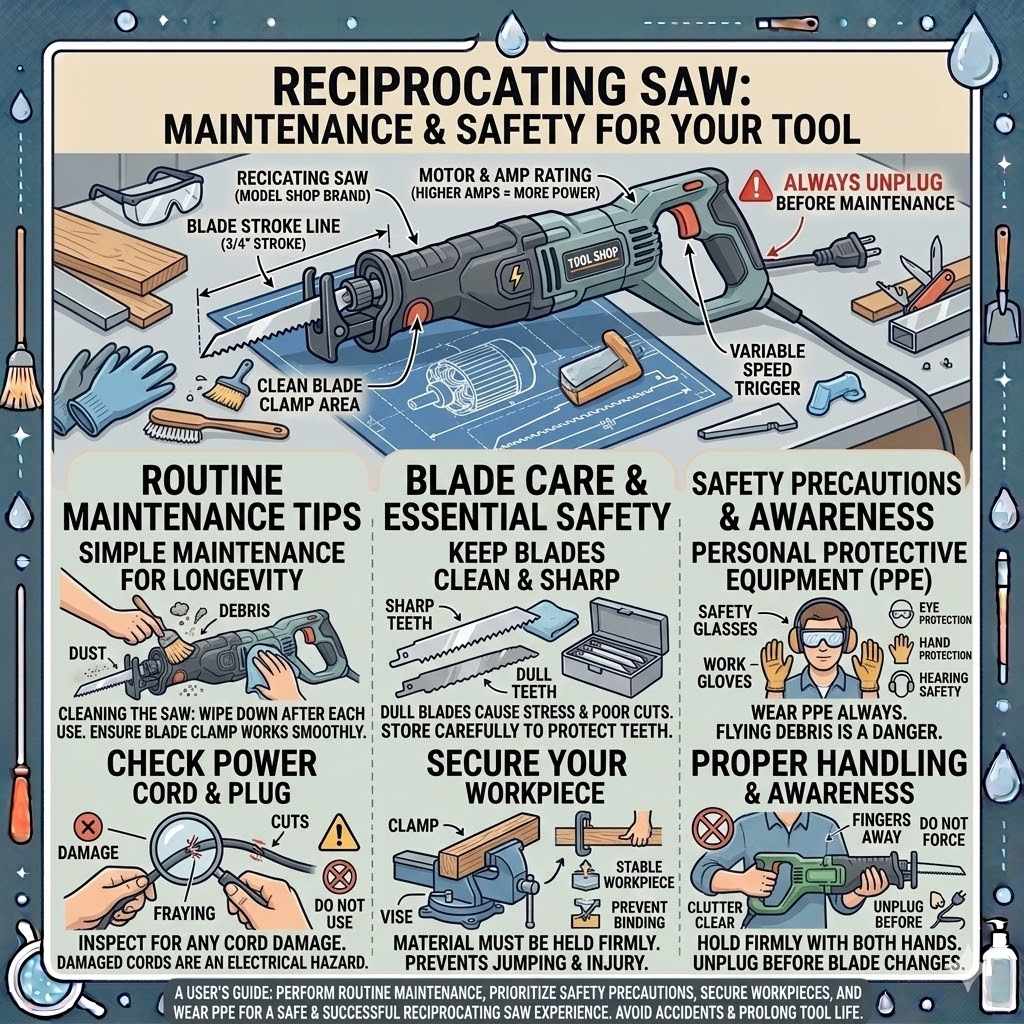
- Cleaning the Saw: After each use, wipe down the saw to remove dust and debris. Pay attention to the blade clamp area. Keeping it clean ensures the clamp works smoothly. A soft brush can help get into tight spots.
- Checking the Cord and Plug: Inspect the power cord for any damage, cuts, or fraying. If you find any issues, do not use the saw until the cord is repaired or replaced. A damaged cord is a serious electrical hazard.
- Blade Care: Keep your blades clean and sharp. Dull blades make the saw work harder and can lead to poor cuts. Store blades carefully to avoid damage to the teeth. Replace blades when they show signs of wear.
Essential Safety Precautions
Safety should always be your top priority when using power tools. Reciprocating saws can be powerful and dangerous if not handled correctly.
- Personal Protective Equipment (PPE): Always wear safety glasses to protect your eyes from flying debris. Gloves can help with grip and protect your hands. Hearing protection is also recommended, as saws can be loud.
- Secure Your Workpiece: Make sure the material you are cutting is held firmly in place. Use clamps or a vise to prevent it from moving while you cut. An unstable workpiece can cause the blade to bind or jump, leading to injury.
- Proper Handling: Hold the saw firmly with both hands when in use. Keep your fingers away from the blade area. Do not force the saw; let the blade do the work. Always unplug the saw before changing blades or performing any maintenance.
- Awareness of Surroundings: Ensure the area you are working in is clear of clutter. Be aware of where your power cord is to avoid tripping over it. If working outdoors, be mindful of weather conditions.
Frequently Asked Questions
Question: What kind of blades does the Tool Shop reciprocating saw use
Answer: Most Tool Shop reciprocating saws use universal shank blades. This means they are compatible with blades from many different brands, not just Tool Shop. You can find blades designed for wood, metal, plastic, and demolition work.
Question: Is a Tool Shop reciprocating saw good for beginners
Answer: Yes, Tool Shop reciprocating saws are generally a good choice for beginners. They are often budget-friendly and relatively easy to operate. The straightforward design helps new users get started with their projects.
Question: How powerful is a typical Tool Shop reciprocating saw
Answer: The power of Tool Shop reciprocating saws can vary by model. Entry-level models might have around 6-8 amps, while more advanced ones can go up to 10-12 amps. This is sufficient for most common DIY tasks.
Question: Can I use a reciprocating saw to cut metal
Answer: Yes, you can cut metal with a reciprocating saw, but you need to use the correct type of blade. Metal-cutting blades have more, finer teeth. Cutting thick or hard metals might take longer and require more patience.
Question: How often should I replace the blade
Answer: You should replace the blade when it starts to feel dull, cuts slowly, or makes rougher cuts than usual. For wood, a blade might last for many cuts, but for metal or demolition, blades wear out faster.
Summary
The Tool Shop Reciprocating Saw: Honest Review Guide shows that these tools are practical for many home projects. They offer good value for their price, with models suited for beginners and more experienced DIYers. Understanding the motor power, blade system, and comfort features helps you pick the right one.
Proper maintenance and safety are key for its use. You can confidently tackle cutting wood, metal, and demolition tasks with the right blade and care.