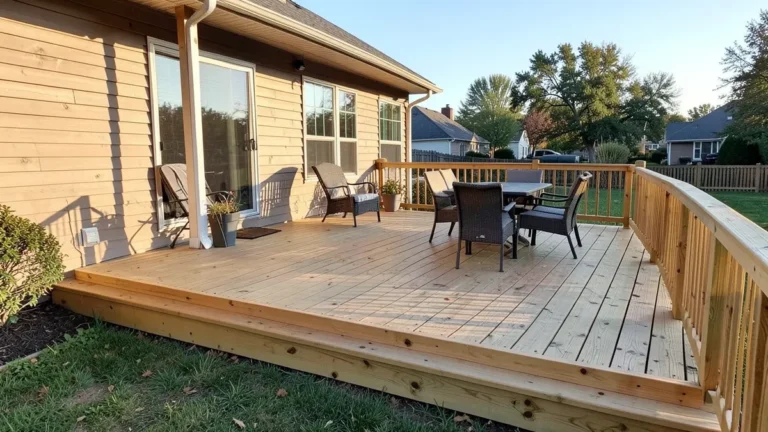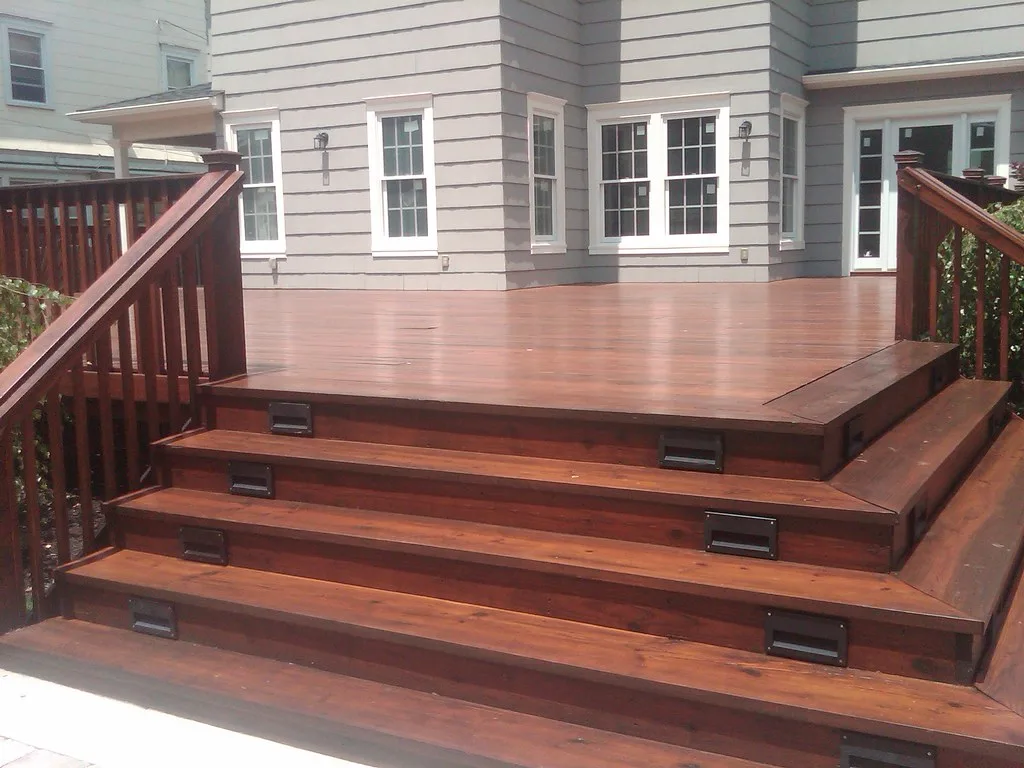
Best Deck Stain for Pressure Treated Pine in 2026: we compared
The best deck stain for pressure-treated pine is a penetrating semi-transparent stain once the wood is dry enough to absorb it. Use a lighter semi-transparent tint on newer boards, and move to semi-transparent or solid only on older, weathered decking. If you coat wet PT pine or choose the wrong opacity, you can get peeling, lap marks, and quick gray fade. This guide shows the right stain by deck age, moisture level, traffic, and how much maintenance you can tolerate.
This guide is part of our Composite Decking Vs Pressure Treated Wood: Cost Compared series.
Quick comparison
| Product | Badge | Best for | Price | ||
|---|---|---|---|---|---|
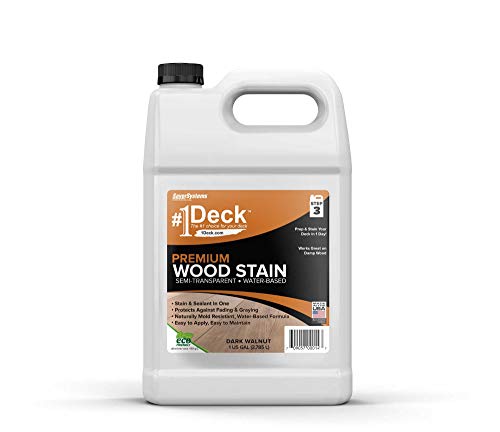 |
SaverSystems #1 Deck Premium Semi-Transparent Outdoor WoodSaverSystems | Our pick | Semi-transparent water-based stain and sealer | $37.99
Price as of 9 Oct 2026
|
View |
 |
Sikkens Cetol Marine Wood Finish Satin Quart: #INT IVA300QSikkens | Upgrade pick | Marine-grade satin wood finish quart | $78.99
Price as of 9 Oct 2026
|
View |
 |
Evolve Semi-Transparent Deck & Siding Stain, (Oak Brown), 1EVOLVE | Also great | Fade-resistant semi-transparent stain for all woods | $27.19
Price as of 9 Oct 2026
|
View |
 |
DEFY Solid Color Wood Stain DW-Solid – UV Resistant,DEFY | Budget pick | Opaque solid color wood stain and paint | $66.96
Price as of 9 Oct 2026
|
View |
For most dry, newer pressure-treated pine, a penetrating semi-transparent oil or hybrid stain is the safest starting point. Shaded, damp, or high-maintenance decks need a product with stronger mildew and moisture resistance, while older gray boards may need more color to look even.
How we chose
We compared stain type, penetration depth, UV protection, moisture tolerance, mildew resistance, and cleanup. We also weighed coverage on thirsty pressure-treated boards, because rough or porous pine can cut a gallon’s reach fast.
Failure risk mattered too. Early staining, over-application, and film-like buildup shorten service life on preservative-soaked lumber, especially on steps and sun-baked rails.
Finally, we mapped each option to a real deck scenario: new dry lumber, weathered gray boards, heavy traffic, and shaded or coastal conditions.
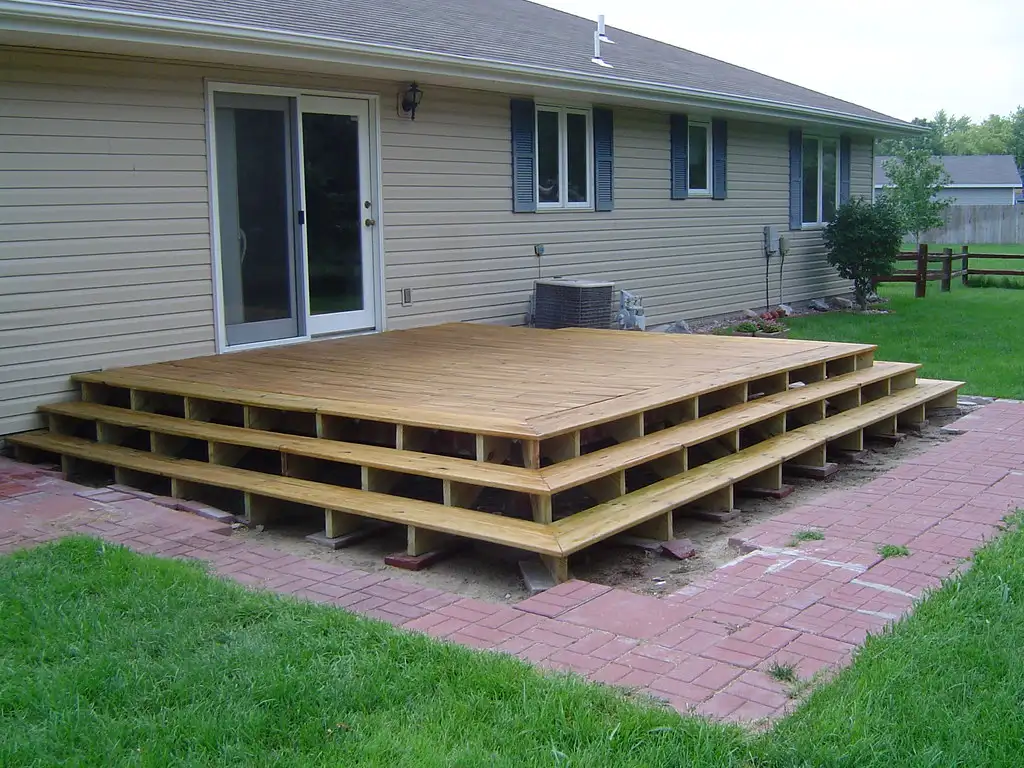
Ready Seal: best for easy application
Ready Seal fits homeowners who want a simple penetrating stain for pressure-treated pine that is already dry enough to finish. It is a strong match for newer decks, stairs, and railings where you want color without a heavy surface film.
It stands out because it is offered in 7 different semi-transparent colors, and the lightest tint is Golden Pine. The source material also notes that darker tints give better UV protection, which matters on sun-exposed decks.
The drawback is that easy application does not cancel the normal limits of pressure-treated lumber. If the wood still holds too much moisture, or if you flood the surface, you can still get lap marks and weak wear on high-traffic areas.
Ready Seal is also a practical fit when brushing is part of the plan; the referenced project shows it applied with a brush. Sensible Digs lists it as best for old pressure treated wood, which makes sense for boards that have already lost some factory moisture and surface sheen.
Cabot Australian Timber Oil: best for thirsty boards

Cabot Australian Timber Oil is the better call when pressure-treated pine is especially absorbent, rough-sawn, or already weathered. Oil-based stain penetrates deeply, brings out grain, and is more forgiving of overlap marks than many water-based options.
Sensible Digs lists it as the oil-based pick and says it covers 250 to 600 sqft per gallon. That wide span is a warning, not a promise: thirsty pine can pull coverage toward the low end fast, especially on rough boards and first coats.
The drawback is slower cure and solvent cleanup. If you need fast turnaround on stairs or a tight weekend schedule, oil’s deeper penetration may be worth it, but only if you can respect dry weather and longer cure time.
This is a better match for decks with sun exposure and visible grain goals, especially when you want more forgiveness than a surface-film stain gives you.
Seal-Once Marine Penetrating Sealer and Stain: best for damp or coastal decks
Seal-Once is the strongest fit for pressure-treated pine in damp, coastal, or salt-exposed settings where moisture control matters as much as color. Sensible Digs lists it as the marine-grade option, and it is described as protecting against UV and moisture.
That combination matters on decks that stay wet after rain or collect morning shade. Mildew-prone boards need both water repellency and some UV defense, because dark dampness plus sun can turn into streaking, spotting, and early dulling.
The drawback is that marine-grade positioning does not remove prep requirements. If the deck is still wet, dirty, or patchy from an old coating, the finish can still look uneven and fail early.
For a deck near a lake, bay, or humid coast, Seal-Once is a sensible match when your goal is moisture management first and appearance second.
#1 Deck Premium Semi-Transparent Wood Stain: best for low-VOC cleanup
#1 Deck Premium Semi-Transparent Wood Stain is the better choice when low-VOC cleanup and fast handling matter more than deep oil-style penetration. Sensible Digs lists it at 50 grams per liter of ultra-low VOCs, and it is designed for broad wood-type compatibility.
Water-based stain tends to sit on the wood surface and form a film, so this option works best only when prep is excellent and the boards are dry enough to accept finish evenly. Cleanup is easy with soap and water, and dry time is usually the selling point.
The drawback is the higher peel risk on imperfect prep. On pressure-treated pine, that matters because the wood can be uneven in moisture and texture, especially where preservative pockets or mill glaze remain.
If you want a cleaner application process and can keep the deck in good shape, this is a practical water-based option. It is less forgiving than oil on overlap marks, but it fits homeowners who value low odor and simpler cleanup.
Which one should you buy
Choose Ready Seal if you want the easiest all-around penetrating option for a dry, older, or moderately weathered deck. Choose Cabot Australian Timber Oil if the boards are thirsty, rough, or you want richer grain and better forgiveness on overlaps.
Choose Seal-Once if the deck stays damp, sits near salt air, or sees repeated wetting and mildew pressure. Choose #1 Deck Premium Semi-Transparent Wood Stain if low-VOC cleanup and faster dry handling matter more than deep penetration, but only on well-prepped wood.
For a budget-minded owner with a sound deck, a penetrating semi-transparent product is usually the best value. For a south-facing deck with hard sun, lean toward darker tints because they usually hold color longer and delay gray fade better than lighter stains.
What stain to use on pressure treated wood
Use a penetrating deck stain, not a heavy film finish, for most pressure-treated wood. Pressure-treated pine is preservative-treated lumber that often comes off the mill fairly wet, so the finish should penetrate into the wood fibers rather than sit on top and peel.
For projects where you want the grain to show, many makers suggest starting with a semi-transparent oil or hybrid stain. Go to a more opaque finish only when the boards are older, gray, patchy, or already weathered enough that appearance matters more than natural wood tone.
What stain can you use on pressure treated wood
You can use penetrating oil-based stains, hybrid penetrating stains, and some water-based acrylic products if the prep is right. Water-based acrylics often dry faster and clean up with soap and water, but they can sit more on the surface and form a film, which may increase peel risk if prep is imperfect.
If you want the safest general answer, choose a penetrating semi-transparent stain. It is usually the least risky fit for pressure-treated pine because it tolerates wood movement better than coatings that build a thicker layer.
What is the best stain sealer for pressure treated wood
The best stain sealer for pressure-treated wood is usually a penetrating product that adds water repellency and UV protection without creating a thick surface film. That keeps moisture out while reducing the chance of peeling, which is a common failure on new treated lumber.
For damp or coastal decks, a marine-positioned product such as Seal-Once is a sensible fit. For older, dry decks, a penetrating semi-transparent stain often gives the best mix of color, protection, and maintenance ease.
What is the best exterior stain for pressure treated wood
The best exterior stain for pressure-treated wood depends on deck age and exposure, but penetrating semi-transparent stain is the default winner for most owners. It protects against UV and moisture while keeping some wood grain visible, which suits pine better than a thick paint-like coating.
If the deck gets hard sun, darker tones usually protect color longer. If it sits in shade or near water, prioritize mildew resistance and moisture repellency before choosing a color.
Do you need to let pressure treated wood dry before staining?
Yes. Fresh pressure-treated lumber should be dry enough to absorb stain, or the finish may fail early. Ready Seal recommends wood at 12% moisture or less before staining, which gives you a concrete pass/fail rule instead of guesswork.
Use a moisture meter on new boards. As a basic checklist, the surface should not feel cool and damp, water should not bead stubbornly, and the deck should have had enough drying time after installation or storage to release preservative moisture.
What happens if you stain pressure treated wood too early
Staining too early traps moisture under the finish. That can lead to weak adhesion, blotchy color, slower cure, and peeling before the stain has had a fair chance to bond. On a deck, the problem usually shows first on exposed edges, steps, and shaded zones.
Early coating also makes lap marks more likely because wet or unevenly drying boards absorb stain at different rates. If the wood still fails the moisture check, wait.
Should pressure treated pine get an oil-based or water-based stain?
Pressure-treated pine usually does better with an oil-based or hybrid penetrating stain. Oil penetrates more deeply, brings out grain, and is more forgiving of overlap marks, while water-based acrylics dry faster but can form a surface film that is easier to peel when prep is weak.
Choose water-based only when cleanup, low odor, or faster return to use matters more than maximum forgiveness. On a deck with lots of sun, foot traffic, or inconsistent prep, oil usually gives you the better margin for error.
How many coats does pressure treated wood need before staining?
Many pressure-treated wood projects do best with one penetrating coat rather than several heavy coats. A second coat is only appropriate when the wood is very porous and the first coat still absorbs readily, because over-application can leave a sticky surface and shorten wear.
If the product calls for wet-on-wet or a specific second pass, follow that label. Otherwise, stop when the wood stops taking finish evenly. On rough pine, that usually happens sooner than beginners expect.
What color stain hides graying on pressure treated pine best?
Medium-to-dark semi-transparent browns hide graying better than pale tints because they add more pigment and UV blocking. Sensible Digs notes that darker tints give better UV protection, and that is the practical reason they also delay gray fade more effectively.
If the boards are already uneven, a darker stain can make the deck look more uniform. Just avoid going so dark that patchy prep stands out under direct sun.
How often do you need to restain pressure treated pine?
Most pressure-treated pine decks need restaining every 2 to 4 years, but sun exposure, traffic, and product type can shorten or lengthen that window. South-facing decks and busy steps usually need attention sooner than shaded rails or lightly used porches.
Oil-based penetrating stains often age more gracefully on worn boards, while water-based surface-leaning products may need earlier refresh work if the prep was not ideal. Watch for color fade, water soaking in instead of beading, and graying at the sunniest edges.
What happens if you stain pressure treated wood too early?
Too-early staining can trap moisture, weaken adhesion, and lead to premature peeling or blotchy color. Pressure-treated pine often leaves the mill with a high moisture load, so a finish applied before the wood dries will have trouble bonding and curing evenly.
The result is usually a shorter maintenance cycle and more visible failure at joints, end grain, and stair treads. If the deck is new, a moisture meter is a better guide than calendar time alone.
What stain works best on weathered gray pressure-treated pine?
Weathered gray boards usually need more prep and a slightly stronger color strategy than new wood. A penetrating semi-transparent stain can still work, but only after cleaning, brightening, and checking for remaining finish or dirt that would cause patchiness.
If the deck is already gray, the goal is to even out tone without trapping loose oxidation. On boards that are deeply worn or unevenly faded, a more opaque finish may give a cleaner result than a light tint.
Gray boards versus bare new boards
Bare new boards want a light-to-medium penetrating stain after drying. Gray boards need cleaning first, and often a wood brightener or sanding on worn areas, because stain laid over chalky oxidation tends to look blotchy.
Partial old coating is the trouble spot. If some areas still hold finish and others are gray, expect color mismatch unless you strip, sand, or commit to a more opaque look.
How to avoid patchy color
Work from a uniform surface. Remove dust, mildew, and loose fibers, then test a small section before committing to the whole deck. On very uneven boards, a darker semi-transparent tone usually blends variation better than a pale stain.
Keep application even and avoid flooding end grain. Uneven absorption is what makes pressure-treated pine look striped after stain dries.
Decision matrix for pressure-treated pine
| Scenario | Stain type | Finish | Prep priority | Recoat window | Failure risks |
|---|---|---|---|---|---|
| New dry lumber | Penetrating oil or hybrid | Semi-transparent | Moisture meter pass, light cleaning, full dry-out | When color fades and water no longer beads, often around 2-4 years | Peeling from early staining, lap marks from uneven uptake |
| Weathered gray boards | Penetrating stain, possibly more opaque if color is uneven | Semi-transparent to solid | Clean, brighten, sand loose fibers, check for old coating | Often sooner on exposed faces if prep was marginal | Patchy color, shadowing over old finish, weak adhesion |
| High-traffic deck and steps | Oil-based penetrating stain | Semi-transparent | Deep clean, repair wear spots, avoid over-application | Shorter if traffic is constant and sun is strong | Premature wear on treads, shiny overlap marks, early fade |
| Shaded or mildew-prone deck | Penetrating stain with mildew resistance | Semi-transparent | Wash mildew, rinse well, let dry fully, check drainage | When discoloration returns or water stops beading | Mildew growth, surface discoloration, peeling if moisture stays trapped |
Which one should you buy
Buy Ready Seal if your deck is dry, you want straightforward application, and you prefer a penetrating semi-transparent look. It is the best general fit for newer or moderately weathered pine when you want to avoid a heavy film.
Buy Cabot Australian Timber Oil if the deck is thirsty, rough, or sun-beaten and you want richer grain and more forgiveness on overlap marks. Buy Seal-Once for damp, coastal, or mildew-prone conditions where moisture control matters most. Buy #1 Deck Premium Semi-Transparent Wood Stain if low-VOC cleanup is a top priority and the prep is already in good shape.
A common first-timer mistake is using a lighter tint on a south-facing deck and expecting it to stay colored for years. On pressure-treated pine, sunlight wins unless the stain has enough pigment and the wood starts dry.
Frequently asked questions
what stain to use on pressure treated wood
Use a penetrating semi-transparent stain for most pressure-treated wood. It soaks into the wood fiber, is less likely to peel than a surface film, and gives you a better balance of color and maintenance than thick opaque coatings on new lumber.
what stain can you use on pressure treated wood
You can use penetrating oil-based stains, hybrid penetrating stains, and some water-based acrylic stains if the board is dry and the prep is sound. On pressure-treated pine, oil or hybrid is usually the safer choice because water-based products can form a film and peel more easily.
what is the best stain sealer for pressure treated wood
The best stain sealer is a penetrating product that blocks moisture and adds UV protection without creating a thick top layer. For damp or coastal decks, a marine-grade option is sensible; for most dry decks, a semi-transparent penetrating stain is the better all-around answer.
what is the best exterior stain for pressure treated wood
The best exterior stain for pressure-treated wood is usually a semi-transparent penetrating stain matched to the board’s age and moisture content. Darker tints handle sun better, while lighter tints are better only when the deck is newer and you want a softer look.
do you need to let pressure treated wood dry before staining
Yes. Fresh pressure-treated lumber should dry to a level the stain can actually absorb. A practical threshold is 12% moisture or less, measured with a moisture meter, because staining earlier can trap water and lead to early failure.
should pressure treated pine get an oil-based or water-based stain
Pressure-treated pine usually does better with an oil-based or hybrid penetrating stain. Oil penetrates deeper and handles overlap marks more forgivingly, while water-based acrylic stains dry faster and clean up easily but can sit on the surface and peel sooner if prep is weak.
Sponsored / affiliate links. As an Amazon Associate I earn from qualifying purchases. I may earn additional commission from eligible campaigns.