Prefinished vs Unfinished Hardwood Flooring: Cost & Refinish Life
Prefinished hardwood costs $12-20/sq ft installed and arrives factory-sealed, while unfinished solid wood costs less upfront but adds $3-7/sq ft in on-site finishing before you can walk on it. Choose wrong and you’ll either pay for finishing you didn’t budget for, or sand through a thin factory wear layer years before a solid floor needs its first refinish. This guide covers real 2026 costs, how many times each type can actually be refinished, and which one fits your project.
The Basics: Prefinished vs. Unfinished Hardwood
Prefinished hardwood is sanded, stained, and coated with polyurethane in a factory before it ever reaches your house. Unfinished hardwood (almost always solid wood, not engineered) is raw boards that get installed first, then sanded, stained, and sealed on-site. That single difference — where the finishing happens — drives every other tradeoff covered in this hardwood flooring guide: cost, install time, refinish life, and how the floor looks up close.
What You Get With Prefinished Hardwood
- Convenience: ready to install immediately — no drying time, no finishing odors or dust in the house.
- Durability: multiple factory-cured coats (often aluminum-oxide-reinforced) resist scratches and moisture better than a single site-applied coat.
- Consistency: color and sheen are uniform across every plank because they were finished in one controlled batch.
- Warranty: factory finishes commonly carry 25-year-or-longer manufacturer warranties; a site-applied finish almost never does, since a local crew — not the manufacturer — applied it.
What You Get With Unfinished Hardwood
Unfinished hardwood is installed as bare boards, then sanded flat and finished as one continuous surface — no beveled edges between planks.
- Customization: pick any stain color and sheen after the wood is down, instead of choosing from a factory’s pre-set options.
- Seamless finish: sanding after installation removes the height differences between boards, so the surface is dead flat with no bevels to catch dirt.
- Repairability: because the whole floor is sanded as one surface, scratches and gouges can usually be sanded out evenly, even years later.
- On-site moisture sealing: finishing after install means the gaps between boards get sealed too, not just the top face.
The Installation Process
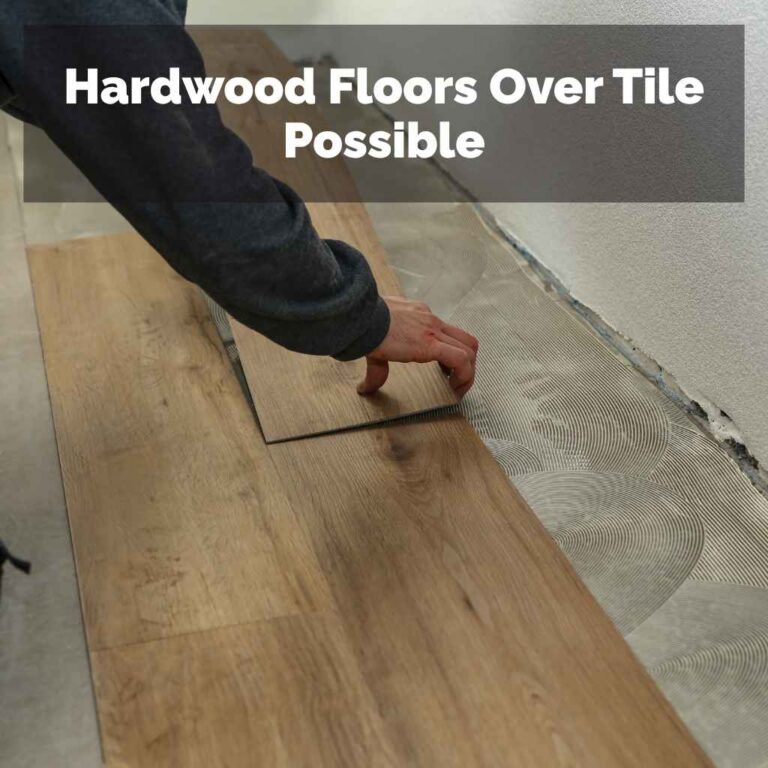
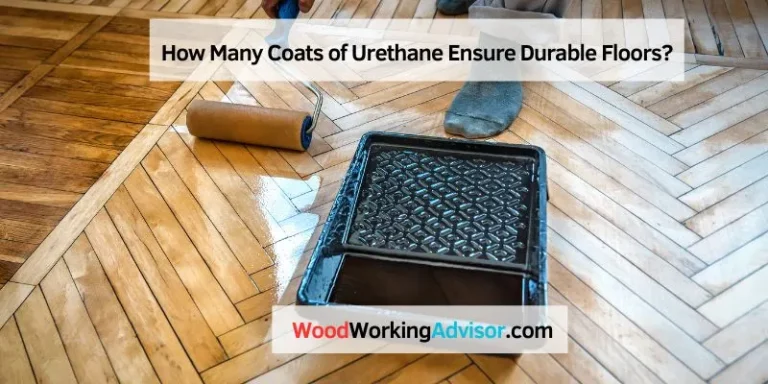
With prefinished hardwood, the crew cuts boards to length and nails or glues them down — that’s it. Most rooms are walkable the same day. With unfinished hardwood, installation is only step one: after the boards are down, the crew still has to sand the entire floor flat, apply stain, and lay down two or three coats of polyurethane, waiting hours to days between coats. That on-site finishing stage is why unfinished floors typically take about twice as long, start to finish, as prefinished.
Before either type goes down, the subfloor and the wood itself need to be checked for moisture — installing over a damp subfloor is the single most common cause of cupping and gapping in both prefinished and unfinished hardwood.
Best Moisture Meter Pick
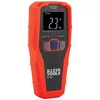
Klein Tools ET140 Pinless Moisture Meter
Checks subfloor and board moisture before you commit to either flooring type — without punching holes in a factory finish.
- Best for: checking a prefinished floor without damaging the factory coating
- Why we picked it: pinless sensor reads through the surface, so it won’t mark up a finished board
- Main drawback: less precise on very thick subfloors than a pin-type meter
Compare more moisture meter options
 Option 1 General Tools MMD4E Moisture Meter
|
 Option 2 PREXISO 7-in-1 Wood Moisture Meter
|
 Option 3 Mecurate Digital Pin-Type Moisture Meter
|
As an Amazon Associate we earn from qualifying purchases.
Appearance and Aesthetics
The biggest visual tell between the two is the seam between boards. Prefinished planks have a slight bevel (a micro-groove) along each edge so the factory finish doesn’t chip when boards are nailed together — unfinished floors have none, because sanding happens after installation and flattens the whole surface into one continuous plane.
“Those bevels look great on day one, but they’re also where dust, dropped crumbs, and mop water collect first — I tell people to run a vacuum brush attachment along the seams weekly if they go with prefinished, especially in a kitchen.”
Customization and Style
- Prefinished: wide range of pre-stained colors and sheens, but you’re limited to what the manufacturer offers.
- Unfinished: unlimited stain color choice and the ability to match existing trim or match a room you’re extending.
- Unfinished also lets you fix an uneven or slightly out-of-level subfloor visually during the final sanding pass, something a prefinished floor can’t do.
Durability and Maintenance
Factory finishes on prefinished hardwood are typically cured with UV light and often include aluminum oxide, a mineral additive that’s noticeably harder than a brush- or roller-applied site finish. That’s why prefinished floors generally resist scratches and everyday wear better right out of the gate — the tradeoff shows up later, at refinishing time (see below).
📊 Factory finishes commonly carry 25-year-or-longer manufacturer warranties because the manufacturer controls the entire cure process. Site-applied finishes rarely carry any manufacturer warranty at all, since a local installer — not the flooring maker — applied the finish. — Source: Bruce Hardwood Floors, 2026.
- Prefinished: consistent, factory-cured coating; less prone to early scratches; moisture resistance depends on how well the beveled seams stay sealed over time.
- Unfinished: the finish seals board edges and gaps directly, which helps guard against moisture wicking between boards, but the coating itself is typically softer than a factory cure until it fully hardens over the following weeks.
Real 2026 Cost Per Square Foot
Prefinished hardwood costs more to buy but less to install; unfinished hardwood is the opposite. Once you add the finishing labor unfinished floors require, the two options land close enough together that cost alone rarely decides it — refinish life (next section) usually matters more over a 20-year horizon.
| Flooring Type | Installed Cost (2026) | What’s Included |
|---|---|---|
| Prefinished hardwood | $12-20/sq ft | Materials, factory finish, and installation labor — no extra finishing step |
| Unfinished hardwood (materials + install) | $13-17/sq ft | Materials and installation labor only — floor is bare wood at this price |
| + On-site finishing labor | +$3-7/sq ft | Sanding, staining, and 2-3 coats of polyurethane, added on top of the row above |
In practice that puts fully finished unfinished hardwood at roughly $16-24/sq ft installed — comparable to or slightly above prefinished once you account for the finishing labor most people forget to budget for upfront. See our full wood flooring cost guide for how hardwood compares to engineered wood, LVP, and laminate.
How Many Times Can You Refinish Each Type?
Refinish life is how many times a floor can be sanded down to bare wood and recoated before there’s not enough thickness left above the tongue-and-groove to sand safely. It’s the number both flooring showrooms and the articles above almost never put in writing.
| Type | Typical Refinishes | Why |
|---|---|---|
| Unfinished solid hardwood | 3-5+ times over decades | Full board thickness is available for sanding since nothing was removed before installation |
| Prefinished solid hardwood | 2-4 times | Factory sanding before the finish was applied already removed a small amount of wood |
| Prefinished engineered hardwood | 1-3 times, sometimes 0 | Limited by the thin real-wood veneer layer above the plywood core — thinner veneers can’t be sanded at all |
Unfinished hardwood is almost always solid wood, which is why it generally out-lasts prefinished on refinish count — there’s simply more wood above the tongue-and-groove to begin with. If your prefinished floor is solid hardwood rather than engineered, ask the manufacturer for its wear-layer thickness before you buy; anything under roughly 2mm is realistically a one-time (or screen-and-recoat-only) floor. For the full mechanics of how sanding depth, finish type, and refinisher skill interact, see our complete guide to how many times you can refinish wood floors.
Pros and Cons at a Glance
Prefinished Hardwood
- Quick, low-mess installation — walkable the same day
- Longer manufacturer warranties (often 25+ years)
- More consistent factory finish and scratch resistance
- Limited to the manufacturer’s stain and sheen options
- Beveled seams collect dust and need occasional attention
- Fewer lifetime refinishes than a comparable unfinished floor
Unfinished Hardwood
- Full control over stain color and sheen
- Seamless, flat surface with no bevels
- Most lifetime refinishes of any common flooring option
- Longer, messier installation (extra days for sanding and drying)
- Lower up-front material cost, but finishing labor narrows that gap
- Rarely comes with a manufacturer finish warranty
Environmental and Health Considerations
Prefinished hardwood is cured in a factory under controlled ventilation, so almost all of its VOC off-gassing happens before it ever reaches your home. Unfinished hardwood is stained and sealed on-site, which means fresh polyurethane fumes are released indoors while you’re living in or near the space — ventilate the room well and expect a noticeable smell for a few days after finishing.
Making the Right Choice for Your Home
Pick prefinished if you need the floor installed and usable fast, want the longest available manufacturer warranty, and don’t mind a limited color selection. Pick unfinished if you want a completely custom stain color, a seamless bevel-free surface, or you’re matching new flooring to existing hardwood already in your home — on-site staining is the only reliable way to get a true color match.
Whichever you choose, keep up with routine care — see our guide on how to care for hardwood floors and make them last longer for cleaning products and habits that stretch the time between refinishes on either type.
Frequently Asked Questions
Is Prefinished Hardwood Worth It?
Prefinished hardwood is worth it if you value a fast, low-mess installation and a long manufacturer warranty. If you want full control over stain color or expect to refinish the floor many times over its life, unfinished hardwood is usually the smarter pick instead.
What Is the Difference Between Prefinished and Unfinished Hardwood?
Prefinished hardwood is sanded, stained, and coated with polyurethane in a factory before installation. Unfinished hardwood is raw wood that’s installed first, then sanded, stained, and sealed on-site. Prefinished installs faster; unfinished offers more customization and a seamless, bevel-free surface.
How Long Do Prefinished Hardwood Floors Last?
With normal care, prefinished hardwood floors typically last decades before the wood itself wears out, though the factory finish usually supports fewer refinishes (about 2-4 for solid, 1-3 for engineered) than an unfinished solid floor, which can often be refinished 3-5+ times.
Does Prefinished Hardwood Scratch Easily?
No — prefinished hardwood generally resists scratches better than freshly site-finished wood because factory coatings are UV-cured and often reinforced with aluminum oxide. The exact finish type (oil, lacquer, wax, or aluminum-oxide urethane) still affects how scratch-resistant a specific product is.
Can You Refinish Prefinished Hardwood Floors?
Yes, most prefinished hardwood can be refinished, but fewer times than unfinished solid wood. Solid prefinished floors typically handle 2-4 sand-and-recoat cycles; prefinished engineered floors are limited by a thin veneer layer and may only support 1-3 refinishes, or none if the veneer is under about 2mm thick.
Is Unfinished Hardwood Cheaper Than Prefinished in the Long Run?
Not usually. Unfinished hardwood costs less to buy, but on-site finishing adds $3-7/sq ft in labor, putting the total installed cost close to or slightly above prefinished ($12-20/sq ft). Unfinished can pay off longer-term through its higher refinish count, not through a lower total install cost.
Conclusion
Prefinished and unfinished hardwood solve different problems: prefinished trades refinish life and color choice for speed and a manufacturer warranty; unfinished trades a longer, messier install for a custom, seamless floor that can be refinished more times over its life. Run the numbers for your own square footage with our wood flooring calculator, and check your subfloor moisture before either type goes down.