What Is a Buck Saw? Parts, Uses, Sizes and Safe Use
A buck saw is a hand saw with a narrow, tensioned blade held in a frame, built for cutting logs and branches to length. Most people today call the same tool a bow saw, and the two names cover almost everything you will find in a hardware store.
This guide explains what a buck saw actually is, how the names overlap (buck saw, bow saw, sawbuck, and the unrelated Delta Sawbuck), what each part does, which blade length to pick, and how to cut safely. It is a firewood and yard tool first, not a joinery saw, and knowing that will save you from buying the wrong one.
What Is a Buck Saw?
| Best Firewood Bow Saw Pick | |
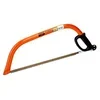 | Bahco 10-30-23 30-Inch Ergo Bow Saw for Green Wood
|
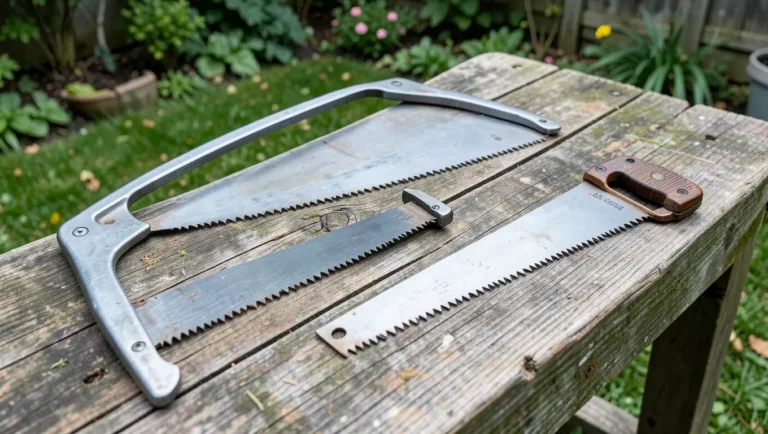
A buck saw (also written bucksaw) is a frame saw. A thin blade is pulled tight between the two ends of a frame, and that tension is what keeps a long, narrow blade straight while you work it back and forth through a log. Because the frame carries the load, the blade itself can be very thin and coarse-toothed, which makes it fast in green (freshly cut) wood.
The name comes from bucking, the woodcutter’s term for cutting a felled tree or a long log into shorter lengths. The stand that holds the log while you saw it is called a sawbuck or sawhorse, and the saw made for that job became the buck saw. If you want the full log-cutting workflow with a chainsaw, our guide to how to cut logs safely covers bucking technique in detail.
Buck Saw, Bow Saw, Sawbuck: Sorting Out the Names
Search results for this tool mix several different things together. Here is what each term really refers to.
| Term | What it means | Same as a buck saw? |
|---|---|---|
| Buck saw / bucksaw | A frame saw with a tensioned blade, used for cutting logs to length | Yes, this is the tool |
| Bow saw | Modern name for the same tool, named for the arched tubular steel frame | Yes, in everyday use |
| Frame saw | The wider family: a blade held in tension by any frame, including traditional wooden H-frame saws | The buck saw is one type |
| Sawbuck / sawhorse | The X-shaped stand that holds the log while you cut it | No, it is the stand, not a saw |
| Delta Sawbuck | A vintage Delta power saw for cutting trim and framing, unrelated to hand sawing (see our Delta Sawbuck buying guide) | No, different tool entirely |
| Pruning saw | A short, rigid or folding blade with no frame, used on live branches | No, see the comparison below |
Parts of a Buck Saw
- Frame: the rigid arch or H-shape that holds the blade under tension. Modern saws use tubular steel; traditional buck saws use a wooden frame with two uprights and a crossbar.
- Blade: a thin, replaceable steel blade with coarse teeth. Blades are sold for green wood or for dry wood and lumber, so match the blade to what you cut.
- Tensioner: on steel saws this is a lever or cam that tightens the blade. On traditional wooden frame saws a twisted cord tightens the frame, a mechanism called a Spanish windlass.
- Handle: on a bow saw the handle is at one end of the frame, and a guard often sits ahead of it to shield your knuckles.
If a blade is loose it wanders, binds, and can slip out of its pins, so check the tension before every session. A tensioned blade is also under load, which is why eye protection matters: a blade that fails while under tension can whip out of the cut.
Choosing a Blade Length
Bow saws are commonly sold in 21, 24, 30, and 36 inch sizes, measured by blade length. Bigger is not automatically better. The real limit on log diameter is the distance between the blade and the frame, so check the listed cutting depth, not just the blade length.
| Blade length | Metric | Typical use |
|---|---|---|
| 21 inch | 53 cm | Carrying in a pack, camp use, small limbs |
| 24 inch | 61 cm | General yard work and small firewood |
| 30 inch | 76 cm | Cutting firewood logs, our pick for most homeowners |
| 36 inch | 91 cm | Large logs when you want long, low-effort strokes |
The longer blade also gives you longer strokes, and using the full length of the blade spreads tooth wear evenly. The trade-off is a bulkier saw that is harder to store and carry.
What a Buck Saw Is Good For (and Not Good For)
A buck saw shines at rough, fast cutting of round wood:
- Cutting logs and branches into firewood lengths
- Trimming limbs and clearing brush
- Camp and cabin use where you want no fuel and no noise
- Cutting green wood, where a coarse blade clears sawdust well
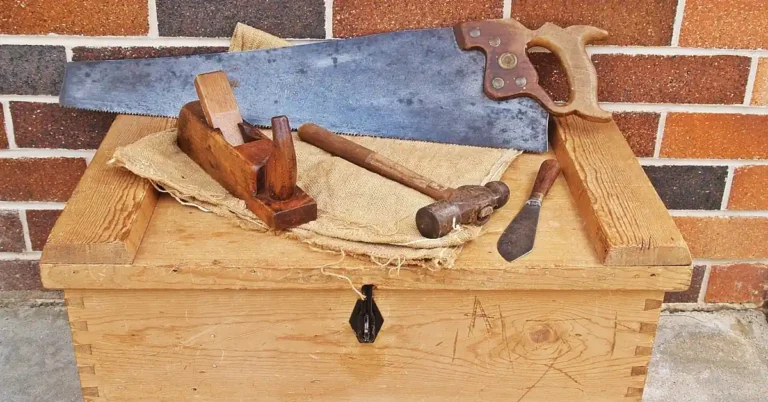
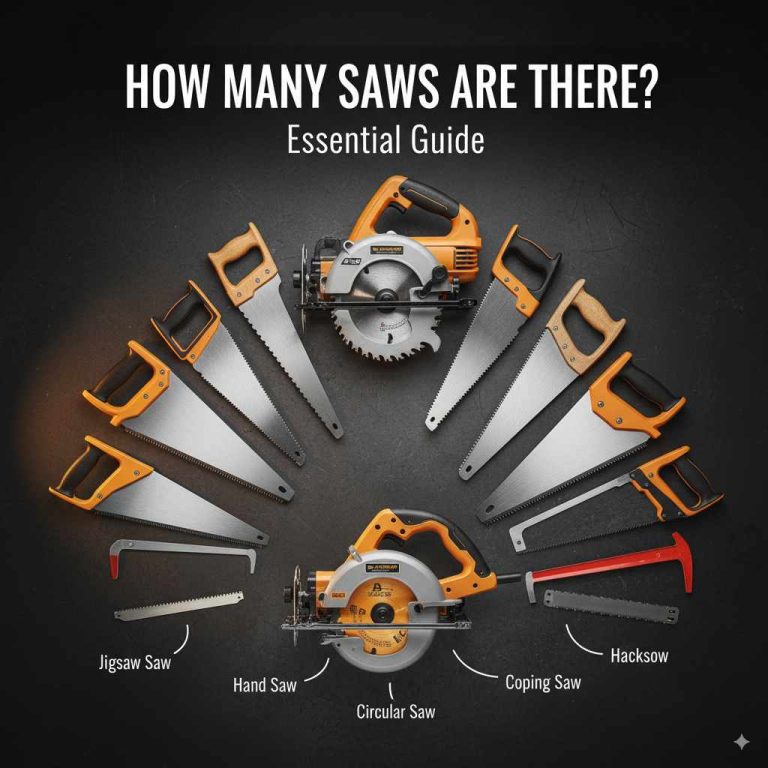
Common myth: a buck saw makes precise cuts. It does not. The coarse teeth and deep kerf leave a rough, wide cut, and the frame gets in the way on flat boards. For joinery, trim, or sheet goods, use a back saw, a crosscut hand saw, or a power saw. Our woodworking saws guide shows which saw fits which job.
How to Use a Buck Saw Safely
- Secure the log. Rest it on a sawbuck or another stable support so it cannot roll. A log that shifts mid-cut is the main way people get hurt.
- Check the tension and the blade. Make sure the blade is tight, seated in its pins, and free of cracks or missing teeth.
- Position your body. Keep your non-cutting hand clear of the blade path and behind the line of the cut, and stand so the saw cannot swing into your leg if it slips.
- Start with light strokes. Use short, gentle pulls to set the kerf, then move to long, relaxed strokes using the whole blade. Let the teeth do the work instead of pressing down.
- Cut close to the support. This keeps the kerf from opening and pinching the blade. Support the offcut so it does not drop and bind or splinter at the end of the cut.
- Do not force a bound blade. If the saw pinches, stop, take the load off the wood (a small wedge in the kerf helps), and restart. Wood under bending stress can close on the blade or spring when it is cut, so look at which side is loaded before you saw.
Wear safety glasses and cut-resistant or work gloves, and keep children and pets well back. A buck saw is a low-risk tool compared with a chainsaw, but a sharp, tensioned blade can still cut you badly.
Buck Saw vs Chainsaw and Other Saws
| Tool | Power | Best for | Main limit |
|---|---|---|---|
| Buck saw / bow saw | Hand-powered | Firewood-length cutting, brush, quiet camp work | Slow on large logs; rough cut |
| Chainsaw | Gas, battery, or electric | Felling and bucking large trees fast | Noise, fuel or battery, higher injury risk |
| Pruning saw | Hand-powered | Live branches and overhead pruning | Short blade, not for logs |
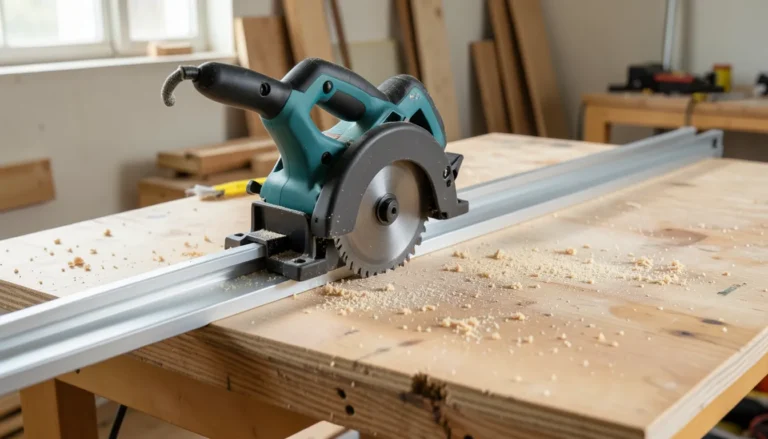
| Hacksaw | Hand-powered | Metal, pipe, and small stock | Fine teeth clog in green wood |
For a direct head-to-head, see our bow saw vs pruning saw and bow saw vs hacksaw comparisons. The short version: a buck saw wins when the wood is round, green, and thicker than a branch, and you do not want engine noise or fuel.
Care and Blade Replacement
- Wipe off sap and sawdust after use; resin builds up and makes the blade drag.
- Keep the blade dry and lightly oiled to prevent rust.
- Release the tension before long-term storage so the frame and any cord are not held under load.
- Replace the blade rather than trying to sharpen it: coarse bow saw teeth are meant to be replaced when dull, and replacement blades are cheap.
- Match the replacement to the wood: a green-wood blade for fresh logs, a dry-wood blade for seasoned lumber.
Frequently Asked Questions
What is a buck saw used for?
A buck saw is used to cut logs and branches to length, most often for firewood, brush clearing, and camp work. It is a rough-cutting tool, not a precision woodworking saw.
Is a buck saw the same as a bow saw?
In everyday use, yes. Bow saw is the modern name for a frame saw with an arched steel frame, and buck saw or bucksaw is the older name tied to cutting logs on a sawbuck.
What is a sawbuck?
A sawbuck is the X-shaped stand that holds a log while you cut it. It is a support, not a saw, and it should not be confused with the Delta Sawbuck, which is a vintage power trim saw.
What size buck saw should I buy?
For firewood, a 30 inch bow saw is a good all-round choice. Choose 21 inch if you need something compact for a pack, and check the cutting depth to make sure it clears your log diameter.
How do I stop a buck saw blade from binding?
Keep the log supported, cut close to the support so the kerf stays open, use long relaxed strokes, and do not force the saw. If it pinches, stop and relieve the load or slip a small wedge into the kerf.
Conclusion
A buck saw is a tensioned-blade frame saw, and a bow saw is the same idea in modern form. It is the right hand tool for cutting logs and brush without fuel or noise, and the wrong one for precise woodworking cuts. Pick a blade length that clears your logs, match the blade to green or dry wood, secure the work, and let long, easy strokes do the cutting.
For a Wikipedia overview of the tool, see the entry on the bucksaw.
Sponsored / affiliate links. As an Amazon Associate I earn from qualifying purchases. I may earn additional commission from eligible campaigns.