How to Ebonize Wood: The Real Steel Wool and Vinegar Method
Ebonizing wood means reacting iron with the tannins already inside the wood, not painting it black. Steel wool dissolved in white vinegar makes iron acetate, which turns tannin-rich species like oak, walnut and cherry blue-black while leaving the grain visible. It only works as well as the wood’s tannin content allows, and the finish you choose afterward can shift the black warmer or cooler.
This guide gives the lab-tested vinegar ratio, a species table that corrects a common myth about cherry, the tea step for low-tannin wood, and a finish comparison. If you only want to know what the finish is, see our explainer on ebonized wood.
How Ebonizing Works (and Why It Is Not a Stain)
Best Steel Wool for Ebonizing
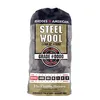 |
Homax #0000 Steel Wool Pad (12 Pads) – $4.98 Grade 0000 is the super fine grade used in the lab-tested recipe below, so it is the one to buy for the iron acetate step.
|
As an Amazon Associate we earn from qualifying purchases.
Acetic acid in vinegar attacks the iron in steel wool and produces iron acetate, a pale solution. Brushed onto wood, the iron combines with tannic acid in the fibers to form dark iron tannate, the same family of compounds that makes old iron-stained oak go black. The color forms inside the wood, which is why ebonizing looks like dark wood rather than a coating.
A pigment or dye stain works the other way round: the color comes from the can and shows up on any species. That is why a black stain behaves the same on maple and oak, while ebonizing does not. If you are curious where tannins come from, our guide to why wood is brown explains it.
Researchers reported maximal darkening of cherry and red oak using a 0.125 M iron acetate solution at about 1 mL per 125 square centimeters of surface, made from 85 mL of distilled white vinegar per gram of #0000 steel wool. Source: Journal of Wood Science, 2023
Converted, 1 mL per 125 cm2 is roughly 1 mL per 19 square inches, so a 24 by 12 inch tabletop works out to about a tablespoon of solution. A brush will lay down more than that, so treat it as proof that the reaction needs very little liquid, not as a target. Flooding the surface just wets the grain and invites blotches.
Which Woods Ebonize Best?
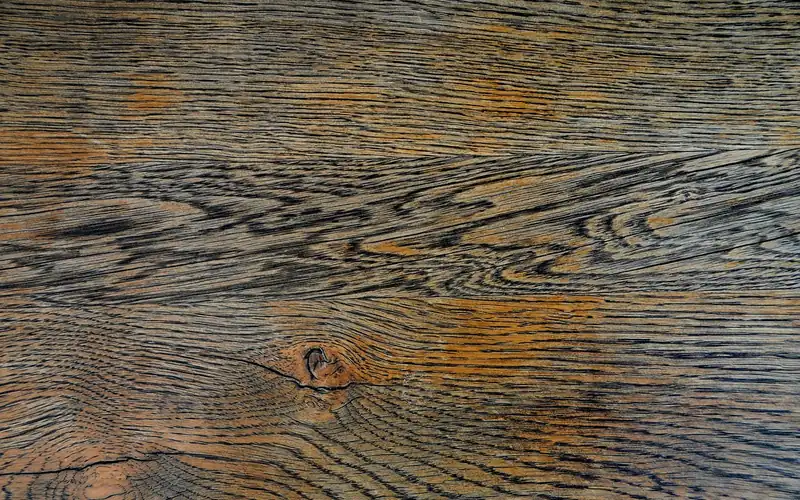
The reaction needs tannin, so species decides the result more than technique. Cherry is the common surprise: many guides file it with the low-tannin woods, but it was one of the two species used in the lab study above and it darkened strongly. Maple and pine are the real problem cases.
| Wood | Tannin level | What to expect |
|---|---|---|
| Red oak and white oak | High | Deep black in one or two coats; the classic choice. Our red oak vs white oak guide covers the tannin difference |
| Black walnut | Good | Good tannin content; reacts well |
| Cherry | Good (lab-tested) | Darkened strongly in the lab study |
| Maple, birch | Low | Weak gray or brown unless pretreated with tea or tannin |
| Pine, poplar | Low | Gray and blotchy without tannin |
What You Need
| Item | Why |
|---|---|
| #0000 steel wool | Super fine strands dissolve fully; no oil or soap coating |
| White vinegar | The acid that dissolves the iron |
| Glass jar with a loose lid | Steel wool and vinegar give off hydrogen gas, so never seal it |
| Coffee filter or cheesecloth | Strains out undissolved wool |
| Black tea or tannin powder | For low-tannin species only |
| Foam or natural brush, nitrile gloves, safety glasses | The solution stains skin, concrete and clothes |
| 220 and 320 grit sandpaper | Surface prep and knocking off raised grain |
| Dewaxed shellac or other topcoat | Seals and protects the finished color |
Step 1: Make the Iron Acetate Solution
Weigh your steel wool on a kitchen scale and cover it with distilled white vinegar at 85 mL per gram, which is about one third of a cup per gram. That is the ratio from the study above, where the steel dissolved fully with nothing precipitating out. Keep the wool submerged, since pieces sticking out just rust.
Leave the lid loose or covered with a paper towel and rubber band. The reaction releases hydrogen gas, and a sealed glass jar can build pressure. Most guides say about a week for the wool to mostly dissolve, though vinegar strength and steel wool type change that. Strain through a coffee filter before use and label the jar.
Some woodworkers prefer stronger cleaning vinegar to speed things up. It is optional: the black comes from the iron and the wood, not from extra acid.
Step 2: Add Tannin if the Wood Needs It
For maple, birch, pine or poplar, brush on a tannin source first. Two recipes turn up in the guides I read: black tea made at about four bags per cup of boiling water and steeped 15 minutes, or a tablespoon of tannin powder dissolved in a cup of hot water. Another woodworker soaks ten bags in two cups of water for a day or two for a stronger brew. Stronger tea gives more tannin, so test on scrap and let it dry fully before the next coat.
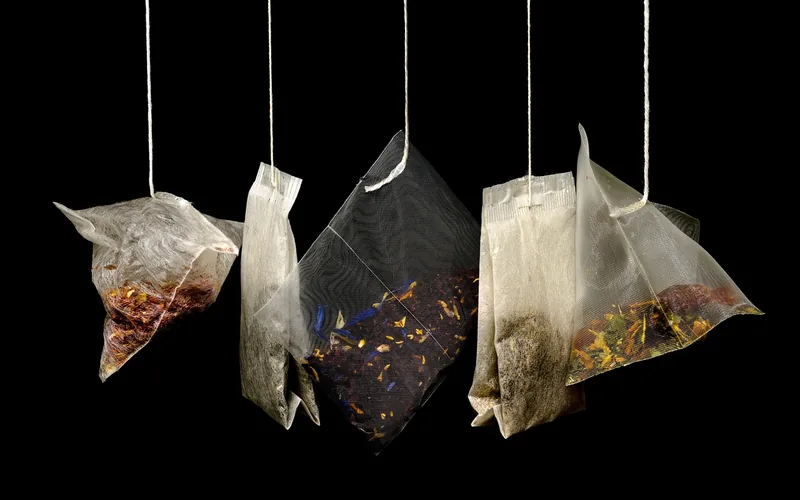
Tannin powder tends to give a more neutral, consistent black, while tea can leave a brown cast and raises the grain. If iron from the solution ever leaves rusty marks on a surface, our guide to removing rust stains from wood covers the fix.
Step 3: Sand, Raise the Grain, and Test on Scrap
Sand to 220, wipe off the dust, then wet the surface lightly with water, let it dry and sand off the whiskers with 320 grit. Doing this before you ebonize matters: sanding afterward can cut through the thin dark layer and leave pale patches. Glue residue, old finish and oily fingerprints block the reaction in spots, so clean them off completely. Our guide to removing dried wood glue helps with squeeze-out you missed.
Always test on an offcut of the same board, using the same tannin step and the same topcoat. The test tells you how dark it gets, whether it looks blue or brown, and how the finish changes it.
Step 4: Apply the Solution
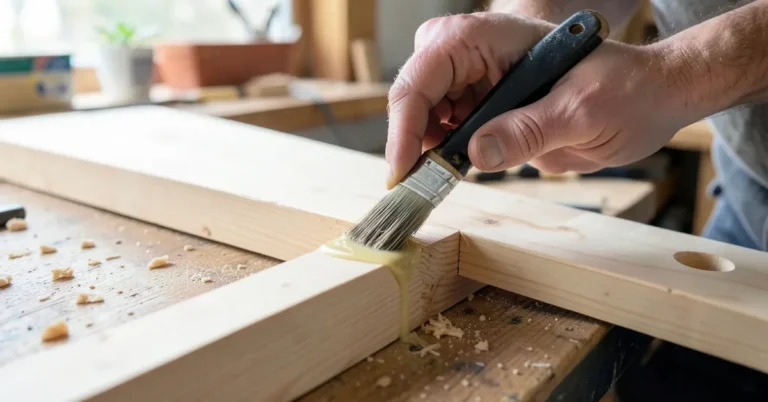
Brush on a thin, even coat with the grain, keeping a wet edge. The wood goes gray first and darkens as the coat dries and oxidizes. Judge color only when it is fully dry. If it is not dark enough, add a second thin coat rather than flooding the first.
Surface darkening can be uneven on figured boards, so a second pass over pale areas helps. If you later see a gray cast on aged or outdoor pieces, that is a separate iron-tannin issue covered in our guide to removing gray from wood.
Step 5: Neutralize, Smooth, and Seal
Let the piece dry at least overnight. One source suggests wiping with a damp cloth carrying a teaspoon of baking soda per cup of water after a day to neutralize leftover acid. Then knock off any raised fuzz with 320 grit or finer and a very light hand.
Finish choice changes the look, and sources do not fully agree, so scrap-test:
| Finish | Effect on the black | Notes |
|---|---|---|
| Dewaxed shellac | Neutral, compatible sealer | Two to three coats as a base, then topcoat if needed |
| Oil (tung, linseed) | Warmer, slight brown undertone | Adds warmth; test on scrap |
| Water-based varnish | Reported as the coldest, truest black | Test for cloudiness on your piece first |
For tabletop wear, a varnish over shellac is the safer path. See our guide to smoothing wood after staining for the sanding-between-coats routine.
Fixing Gray, Brown, or Blotchy Results
| Problem | Likely cause | Fix |
|---|---|---|
| Gray or weak brown | Low tannin in the wood | Brush on tea or tannin, dry, reapply iron acetate |
| Blotchy patches | Glue, finish or oil residue; uneven wetting | Sand locally, clean, reapply in small sections |
| Pale spots after sanding | Sanded through the thin dark layer | Re-tannin and reapply the iron solution to the spot |
Ebonizing vs Black Stain vs Dye
Ebonizing is the only option that depends on species. If your wood is maple, or you want a guaranteed result on any board, a black dye or gel black stain is more predictable. Our comparison of dye vs stain and the page on the darkest wood stain cover the trade-offs, and other ways to darken wood lists lighter options. To keep grain visible under a dye or pigment, read how to make wood grain stand out.
Safety and Cleanup
- Wear nitrile gloves and safety glasses; the solution stains skin, concrete and clothing.
- Work in a ventilated space and keep the jar loosely covered and labeled.
- Dispose of leftover solution following local rules; guides commonly say small amounts can be diluted down the drain and large amounts left to evaporate.
- Oil finish rags are a separate fire hazard: lay them flat to dry outside rather than bunching them up.
Frequently Asked Questions
How do you ebonize wood at home?
Dissolve fine steel wool in white vinegar in a jar with a loose lid for about a week, strain it, then brush a thin coat onto clean, sanded, tannin-rich wood such as oak, walnut or cherry. The iron reacts with the wood’s tannins and turns it gray, then black as it dries. On low-tannin wood, brush on strong black tea or tannin solution first.
Does ebonizing work with white vinegar?
Yes. Ordinary distilled white vinegar is what the lab-tested recipe used, at 85 mL per gram of #0000 steel wool. Some woodworkers use stronger cleaning vinegar to dissolve the steel faster, but the color comes from the iron and the wood’s tannins, not from extra acidity.
What does an ebony finish look like?
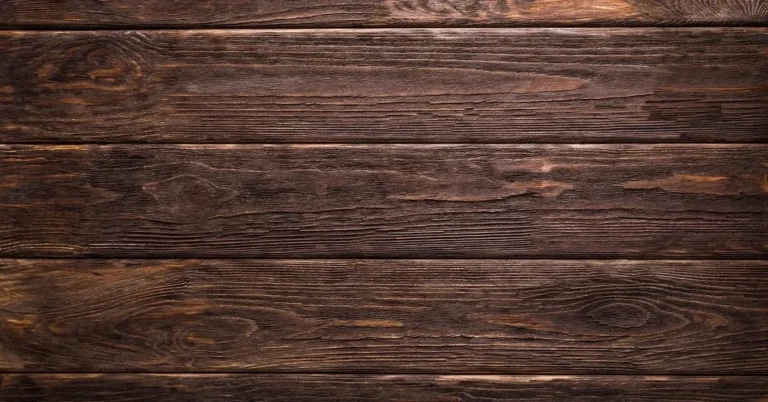
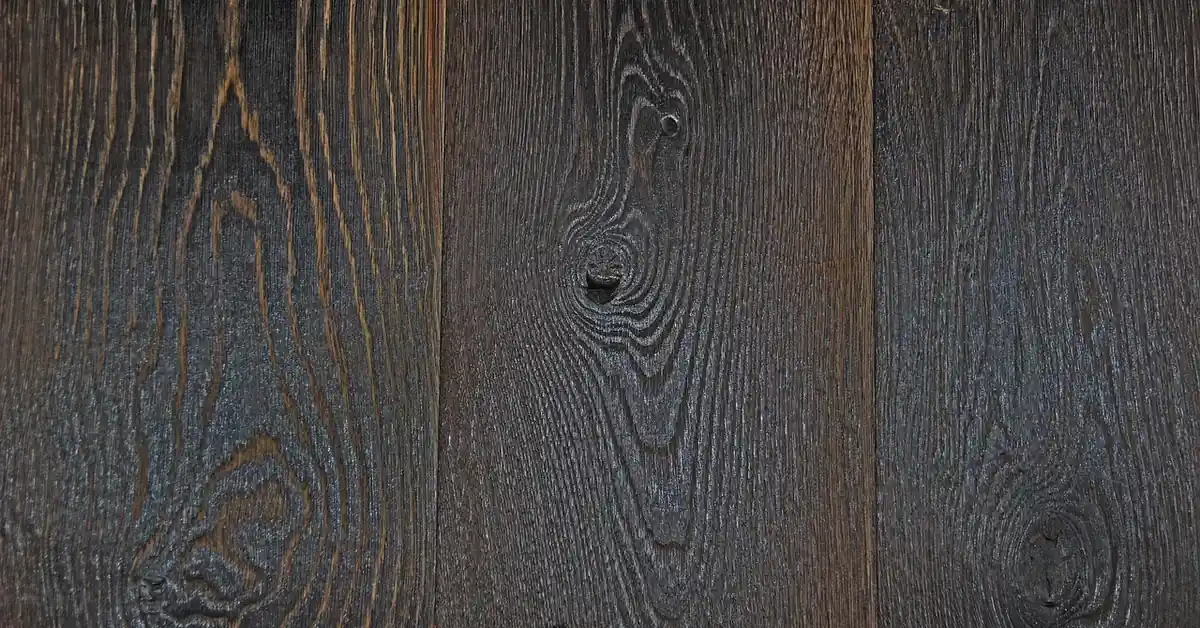
A true ebonized finish is a flat, deep blue-black to charcoal that sits in the wood fibers, so the grain and pores stay visible. It looks less like paint and more like very dark ebony, and it can shift slightly warmer or cooler depending on the species, the tannin level and the topcoat you choose.
What is the best finish over ebonized wood?
Dewaxed shellac is a widely used compatible sealer, followed by an oil, wax or varnish topcoat if you need more protection. Oils tend to add a warmer brown undertone, while water-based varnish is reported to keep the coldest black. Test your exact finish on a scrap piece first, since results vary by wood.
Can you ebonize maple or pine?
Yes, but only after adding tannins. Maple, pine, poplar and birch contain little tannin, so iron acetate alone gives a weak gray or brown. Brush on strong black tea or a tannin powder solution, let it dry, sand off any raised fuzz, then apply the iron acetate.
How long does ebonizing take?
Plan on about a week to dissolve the steel wool, then a few minutes per coat. The color starts gray and darkens as the coat dries. Wait until the surface is fully dry, ideally overnight, before judging the color, sanding off fuzz or applying a finish.
Sponsored / affiliate links. As an Amazon Associate I earn from qualifying purchases. I may earn additional commission from eligible campaigns.