Can You Thin Polyurethane With Paint Thinner? Safe Or Not?
Many of us have been there. We want our projects to turn out perfectly. A little adjustment can make all the difference.
But using the wrong solvent can be a disaster. It can lead to a sticky mess. Or worse, a cloudy, uneven finish that you have to start all over.
This guide will help you understand what works.
We’ll walk through the ins and outs. You’ll learn which thinners are safe. You’ll also discover when thinning is a good idea.
And when it’s best to avoid it altogether. Get ready to get that perfect coat.
Polyurethane can sometimes be thinned. However, it’s crucial to use the correct type of thinner. For oil-based polyurethane, mineral spirits or paint thinner (often the same thing) are generally suitable. For water-based polyurethane, plain water is usually the only recommended thinner. Using the wrong thinner can damage the finish. Always check the product label for specific instructions.
Understanding Polyurethane Thinning
Polyurethane is a protective coating. It’s made from plastic polymers. It dries to form a hard, durable layer.
This layer protects surfaces from wear, moisture, and chemicals. It’s great for wood floors, furniture, and cabinets. Polyurethane comes in two main types: oil-based and water-based.
Each type behaves differently. This means they also require different thinning agents. Oil-based polyurethanes are made with petroleum distillates.
They have a strong odor. They also take longer to dry. Water-based polyurethanes use water as their base.
They smell less. They dry much faster.
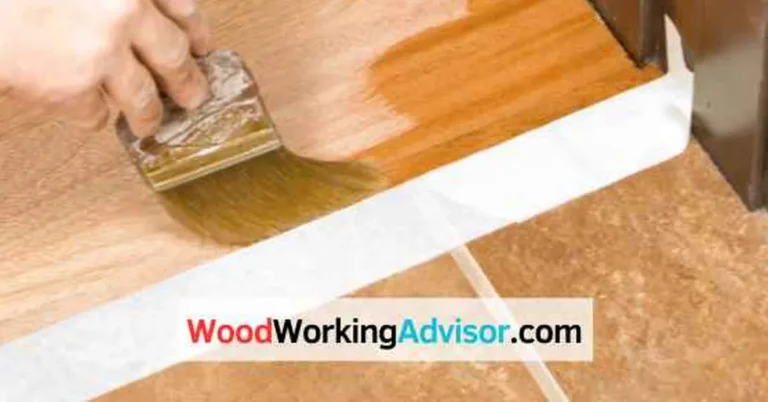
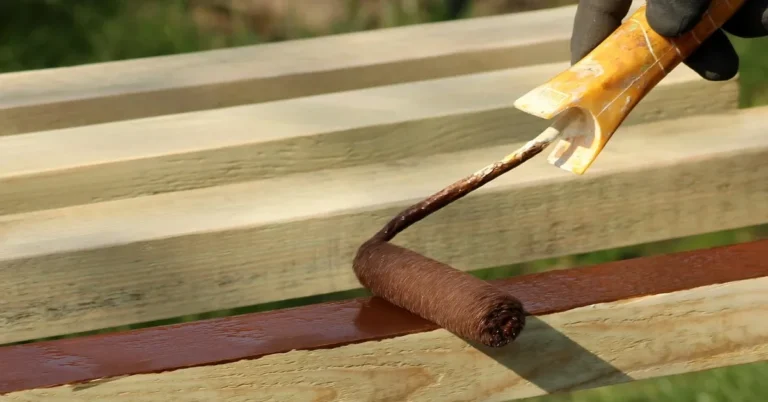
Thinning polyurethane means adding a solvent. This solvent makes the liquid coating thinner. It helps it flow more easily. For the exact mixing ratios by application method (brushing, spraying, or wipe-on), see our guide to thinning oil-based polyurethane.
This can be useful for several reasons. It helps with application. It can create a smoother finish.
It’s also good for spray applications.
Why Thin Polyurethane?
So, why would you even want to thin polyurethane? There are a few good reasons. The most common is ease of application.
Sometimes, straight out of the can, polyurethane is just too thick. This can be due to the product itself. Or it can be due to temperature.
Warmer weather can make it thicker.
When polyurethane is too thick, it can be hard to spread evenly. You might get brush marks. Or the finish can look lumpy.
Thinning it makes it more fluid. This allows it to level out better on the surface. You get a smoother, more professional-looking result.
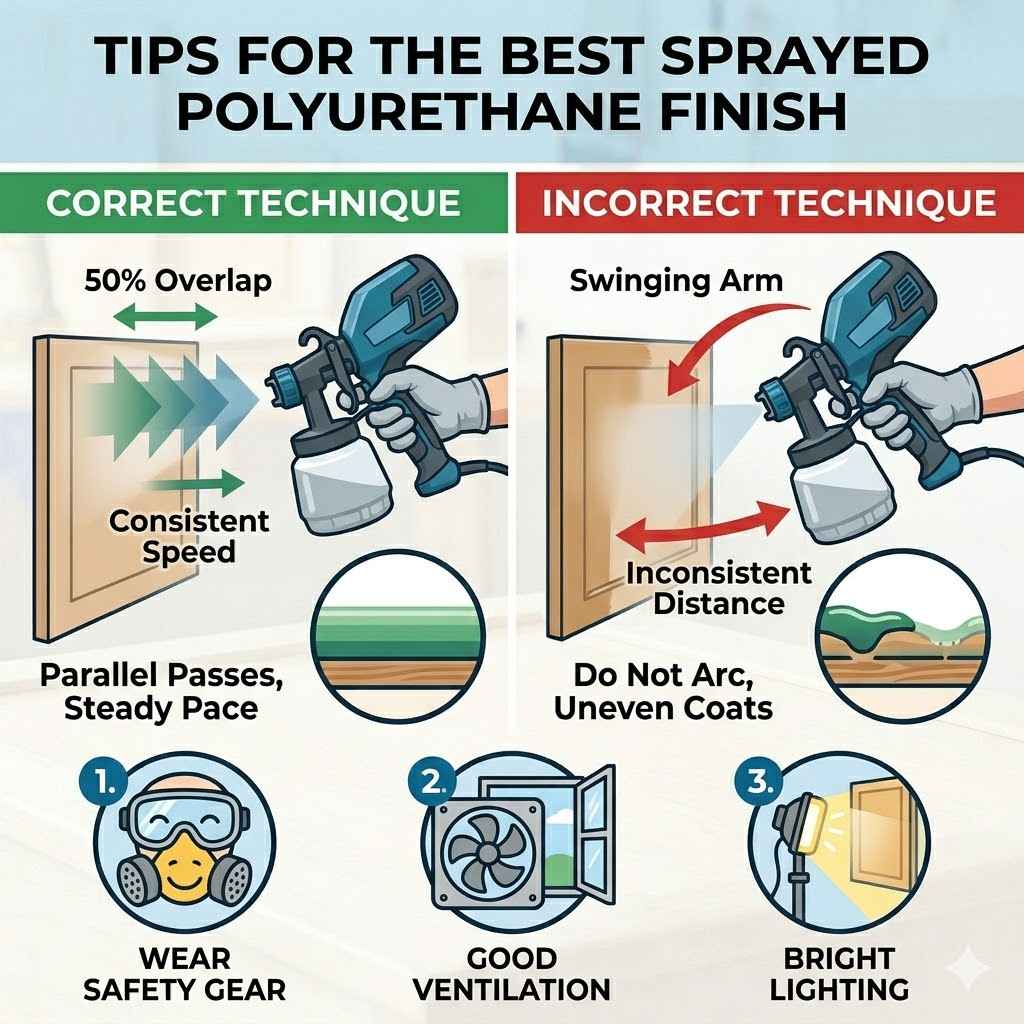
Another big reason is for spray application. If you plan to use a sprayer, thinning is often necessary. Sprayers require a thinner liquid.
This allows it to be atomized properly. If it’s too thick, it can clog the sprayer. Or it can come out in globs.
A thinned finish sprays on evenly.
Thinning can also help with penetration. On very porous surfaces, a thinner coat can soak in better. This can create a stronger bond.
It’s like giving the wood a drink. A thinner coat can sometimes lead to a more natural look. It doesn’t build up too much on the surface.
Can You Thin Polyurethane With Paint Thinner?
This is the million-dollar question. The answer depends on the type of polyurethane you’re using. And it depends on what you mean by “paint thinner.”
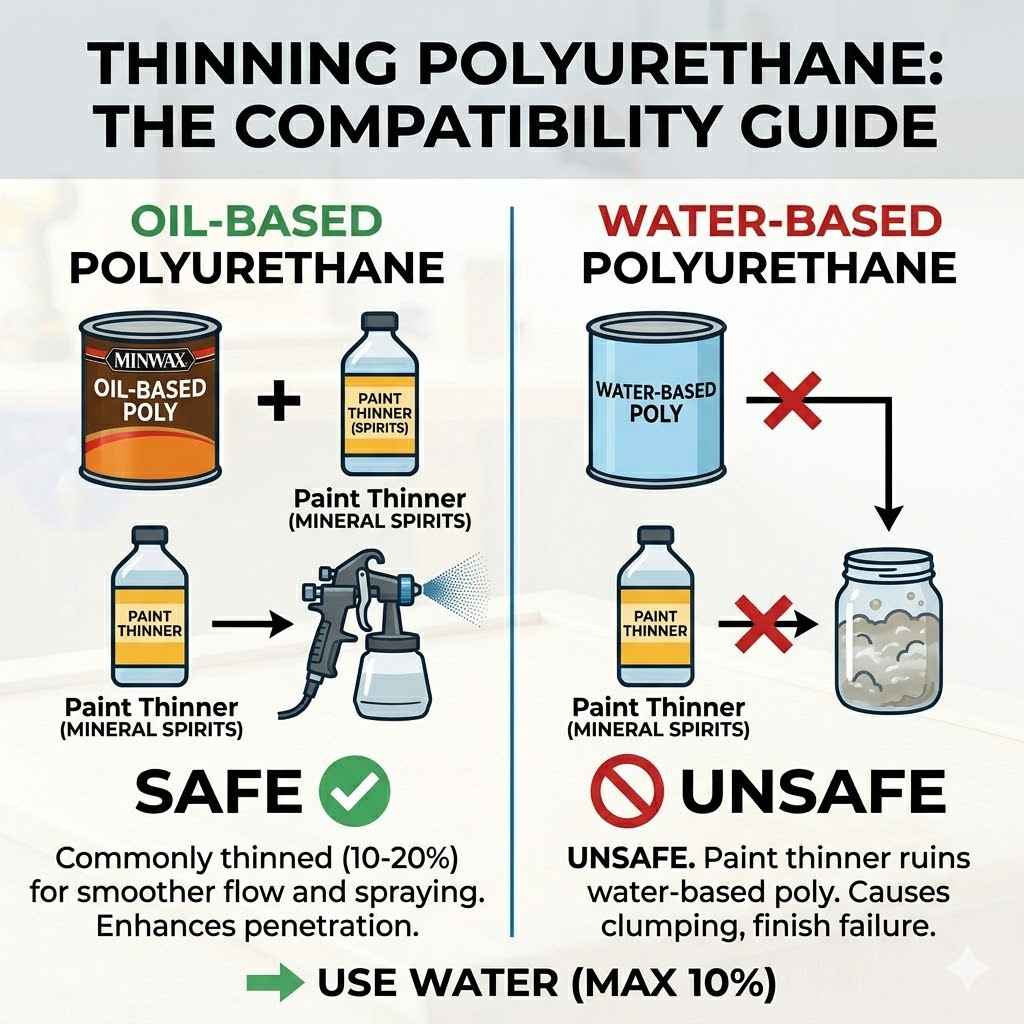
For Oil-Based Polyurethane: Yes, you usually can thin oil-based polyurethane with paint thinner. Paint thinner is a solvent. It is designed to dissolve oil-based products.
Mineral spirits are a common type of paint thinner. Lacquer thinner is another option. But mineral spirits are often gentler.
They are usually the go-to choice.
The key here is that the thinner and the polyurethane must be compatible. They should be from the same “family” of chemicals. Oil-based products mix well with oil-based solvents.
This is why mineral spirits work. They break down the oil in the polyurethane. This allows it to flow more freely.
For Water-Based Polyurethane: No, you generally cannot thin water-based polyurethane with paint thinner. This is a very important distinction. Water-based polyurethane uses water as its base.
Paint thinner is a petroleum-based solvent. Mixing the two is like trying to mix oil and water. It doesn’t work.
If you try to thin water-based polyurethane with paint thinner, you will likely ruin it. The solvent can break down the protective polymers. This can cause the finish to become cloudy.
It might turn milky. Or it could separate completely. It will not dry properly.
It can also create a sticky residue.
What Kind of Paint Thinner?
When people say “paint thinner,” they often mean mineral spirits. Mineral spirits are a good choice for oil-based polyurethane. They are effective.
They are also relatively safe to use. They have a strong smell, though. Make sure you are in a well-ventilated area.
Other types of thinners exist. Lacquer thinner is much stronger. It evaporates very quickly.
It can be too aggressive for some polyurethanes. It might cause blushing (a milky haze). It can also soften the existing finish too much.
This can lead to problems.
Denatured alcohol is another solvent. It’s often used for shellac. It’s not typically recommended for thinning polyurethane.
It’s best to stick to what the manufacturer suggests.
The most important thing is to read the can. The polyurethane label will tell you exactly what to use. It will often list a specific brand or type of thinner.
If it says “mineral spirits,” use mineral spirits. If it says “water,” use water.
Oil-Based Polyurethane Thinner Cheat Sheet
Commonly Used: Mineral Spirits
What They Do: Gently break down oil-based resins.
Result: Smoother application, better flow.
Caution: Strong odor, requires ventilation.
Avoid: Water, alcohol, or strong solvents unless directed.
Thinning Water-Based Polyurethane
So, if you can’t use paint thinner for water-based polyurethane, what can you use? The answer is simple: water. Plain old tap water is usually the best thinner.
Water-based polyurethanes are designed to be thinned with water. It’s part of their formulation. Adding water makes them less viscous.
It helps them spread more easily. It also helps them dry faster.
When thinning water-based poly, use a small amount of water. Start with about 10% water. Mix it in well.
Test the consistency. You can always add a tiny bit more if needed. Too much water can dilute the protective qualities.
It can also affect the drying time.
Sometimes, the manufacturer might suggest a specific “water-based urethane thinner.” This is often just a fancy name for a blend that includes water. It might have other additives. But for most DIYers, plain water is perfectly fine.
Always check the label for specific guidance.
Water-Based Polyurethane Thinner Guide
Recommended Thinner: Water
How Much: Start with 10% water by volume.
Why it Works: Water is the base; it helps it flow.
What Happens if Wrong Thinner Used: Cloudy finish, poor adhesion, sticky film.
Special Thinners: Only use if product label specifically recommends.
The Proper Ratio: How Much Thinner to Add?
This is where many people make mistakes. Adding too much thinner is a common problem. It can weaken the finish.
It can make it take longer to dry. It can also cause the finish to sag or run.
For oil-based polyurethane, a good starting point is 10-15% thinner by volume. So, for every cup of polyurethane, you might add about 1-1.5 ounces of mineral spirits.
For water-based polyurethane, use about 10% water. Again, start small. You can always add a little more.
It’s better to add too little than too much.
Always mix the thinner in thoroughly. Stir slowly and gently. You don’t want to whip a lot of air into the polyurethane.
Air bubbles can create imperfections in the finish.
Test the consistency on a scrap piece of wood first. Dip your brush in. Does it flow smoothly?
Does it leave a thin, even coat? If it’s still too thick, add a tiny bit more thinner. Mix again.
Test again.
Patience is key. Don’t rush the thinning process. It’s better to have a slightly thicker coat that you apply well.
Than a thinned coat that is too thin and causes problems.
Thinning Ratios Quick Reference
Oil-Based Polyurethane:
- Start with 10-15% thinner (e.g., mineral spirits).
- For 1 cup of polyurethane, add 1 to 1.5 oz of thinner.
Water-Based Polyurethane:
- Start with 10% water.
- For 1 cup of polyurethane, add about 1 oz of water.
Always Mix Well and Test First!
My Own Experience with Thinning
I remember one project vividly. It was a set of old wooden drawers I was refinishing. The wood was beautiful, but the drawers were sticky.
I decided to give them a fresh coat of oil-based polyurethane. I wanted a really smooth, glossy finish. I bought a good quality product.
When I opened the can, it seemed a bit thick. I thought, “No problem, I’ll just thin it a little.” I grabbed the can of mineral spirits I had. I probably added too much, honestly.
I was worried about brush marks. I mixed it up, and it looked much thinner. Great, I thought!
I started brushing it onto the first drawer. It went on very easily. Too easily, maybe.
It felt like it was almost running off the wood. I tried to even it out. But it seemed to keep moving.
I finished the drawer. It looked okay, but I had a weird feeling.
By the next day, the finish was… odd. It wasn’t smooth and glossy. It was kind of dull in places.
And in others, it had these tiny little ripples. It looked like orange peel. That’s when I realized.
I had thinned it too much. The polyurethane hadn’t had enough solids to build a proper film.
It was a lesson learned. You have to be careful. Too much thinner is just as bad as not thinning enough.
I had to sand the whole drawer down. I started over. This time, I used much less thinner.
I followed the product instructions more closely. The second time, it turned out perfectly.
When to Thin Polyurethane
Thinning is not always necessary. But here are some good times to consider it:
For Spraying
As mentioned before, if you’re using a spray gun, thinning is often a must. The exact amount of thinner will depend on your sprayer and the product. Most spray gun manufacturers will give recommendations.
Check the polyurethane can, too.
A good rule of thumb for spraying oil-based is 25-30% thinner. For water-based, it might be 15-20% water or a special thinner.
For Very Porous Surfaces
If you are coating very absorbent wood, like some softwoods or unfinished particle board, a thinned coat can help. It allows the first coat to soak in better. This creates a good base for subsequent coats.
Think of it like priming. A thinned coat seals the surface. It prevents the next, thicker coat from being completely absorbed.
This helps avoid a blotchy look.
To Achieve a Smoother Finish
If you struggle with brush marks, thinning can help. A thinned polyurethane flows more easily. It levels out better.
This means fewer visible brush strokes. It’s especially helpful when using a good quality brush.
You want just enough thinner to get good flow. Too much will cause other problems, as I learned the hard way!
In Cold Weather
Polyurethane can get thick when it’s cold. Thinning can make it easier to work with. It helps it maintain a good consistency.
Even if you don’t usually thin it, cold temperatures might make it necessary.
Always apply polyurethane in the temperature range recommended on the can. Too cold, and it won’t cure properly. Too hot, and it can dry too fast.
When NOT to Thin Polyurethane
While thinning can be helpful, it’s not always the best idea. There are times when you should avoid it:
For Maximum Durability
Each coat of polyurethane adds strength and protection. Thinning the product means you are using less of the actual coating material. This can result in a weaker finish.
If you need the absolute toughest coating possible, avoid thinning.
Stick to the recommended number of coats. Apply them at full strength. This will give you the best possible protection.
If the Product is Already Thin
Some polyurethanes are formulated to be quite thin right out of the can. This is common for some water-based products, especially those designed for certain applications. If the product flows well and applies smoothly without thinning, don’t bother adding anything.
You might be tempted to thin it further, but this is unnecessary. It could actually harm the finish.
If You’re Unsure About Compatibility
This is critical. If you don’t know what type of polyurethane you have, or if you’re unsure what thinner to use, don’t guess. Using the wrong solvent can be disastrous.
It can lead to a finish that never cures properly.
Always try to find out the type of polyurethane. Check the original can or any leftover paint. If you can’t identify it, err on the side of caution.
You might have to use it as-is, or do some testing on scrap material.
When Applying Thick Coats
Polyurethane is often applied in thin coats. This is to ensure even drying and curing. If you are intentionally applying thicker coats (which is rare for standard polyurethanes), thinning would be counterproductive.
Thicker coats dry from the outside in. Thinning would only exacerbate this.
Thinning vs. Not Thinning: Key Differences
Thinning Advantages:
- Easier application
- Smoother finish
- Better for spraying
- Helps penetration
Not Thinning Advantages:
- Maximum durability
- Full strength of coating
- Simpler process
- Less risk of errors
Reading the Label: Your Best Friend
I cannot stress this enough. The label on your can of polyurethane is your guide. It has all the information you need.
Manufacturers spend a lot of time testing their products. They know what works best.
Look for sections on:
Application methods (brush, roller, spray)
Recommended thinning agents
Thinning ratios
Drying times
Temperature and humidity requirements
If the label says “Do not thin,” then don’t thin it. If it says “Thin with mineral spirits” for oil-based, use mineral spirits. If it says “Thin with water” for water-based, use water.
Sometimes, there are special products. These might be designed for a specific purpose. They might have unique thinning requirements.
Always default to the manufacturer’s instructions. They know their product best.
My Experience with a Difficult Finish
I had a client once who insisted on a super-high gloss finish on a custom-built table. They wanted it to look like a piano. I used a very high-quality oil-based polyurethane.
The first couple of coats went on well. They were thin and even. But the client kept saying, “It’s not glossy enough!”
I explained that building gloss takes multiple thin coats. And that thinning too much would compromise durability. They didn’t quite understand.
They suggested I just keep adding “something” to make it smoother and shinier. I suspected they meant thinner.
Against my better judgment, and under pressure, I tried thinning the final coat a bit more than I normally would. I used mineral spirits. It went on very smoothly.
It looked incredibly glossy right away. I was a little nervous but hopeful.
A few weeks later, I got a call. The table had developed a strange, hazy spot. It was in a high-traffic area.
The gloss was gone there. It looked like it had been scratched. But it hadn’t been.
When I went to look at it, I could see the faint ripple marks.
The excessive thinning had reduced the solids content too much. It couldn’t form a strong enough protective film. The oils in the finish had degraded faster in that spot.
It was a tough lesson for me, and a costly one for the client. We had to strip the table and start again. This time, I was firm about no extra thinning.
Testing Your Thinning Method
Before you commit to thinning on your actual project, test it. This is a vital step. It can save you a lot of heartache.
Find a scrap piece of wood. It should be similar to the wood you are working on. Apply a coat of thinned polyurethane to it.
Use the same brush or sprayer you will use for the project.
Let it dry completely. Observe how it looks. Is it smooth?
Is it glossy? Are there any weird textures? Does it feel hard or sticky?
Apply a second coat to the test piece. See how that goes on. Does the thinned finish interact with the first coat well?
Does it dry evenly?
This test will show you if your thinning ratio is correct. It will also show you if the thinner is compatible. It’s the best way to avoid problems on your actual project.
Safety First When Using Thinners
Paint thinners and solvents are chemicals. They need to be handled with care. They can be harmful if not used properly.
Ventilation is Key: Always work in a well-ventilated area. Open windows and doors. Use fans to move air.
Many thinners have strong fumes. These fumes can be unhealthy. They can also be flammable.
Wear Protection: Wear gloves to protect your skin. Nitrile gloves are a good choice. They resist many solvents.
Wear safety glasses to protect your eyes. Vapors can irritate your eyes.
Fire Safety: Thinners are often highly flammable. Keep them away from open flames, sparks, and heat sources. This includes pilot lights on stoves or water heaters.
Do not smoke while working with thinners.
Disposal: Dispose of used rags and excess thinner properly. Do not pour them down the drain. They can contaminate water systems.
Check with your local waste disposal services for guidelines. Many communities have hazardous waste drop-off sites.
Troubleshooting Common Thinning Problems
Even with careful thinning, problems can occur. Here are a few common issues and how to address them:
Problem: Finish is too thin and runny.
Cause: Added too much thinner.
Solution: Let it dry as much as possible. You may need to lightly sand it. Apply a coat of full-strength polyurethane.
For severe cases, you might need to strip it and start over.
Problem: Finish is cloudy or milky.
Cause: Used the wrong thinner (especially water-based with oil-based thinner). Or, thinned too much water-based poly with water, causing it to break.
Solution: This is hard to fix. If it’s a minor haze on water-based poly, sometimes allowing it to fully cure can help. If it’s oil-based, it often needs to be stripped and redone.
Always test first!
Problem: Finish is sticky and won’t harden.
Cause: Thinned too much, or used an incompatible thinner. Or, applied in too cold temperatures.
Solution: This often means the finish will not cure properly. You will likely need to remove the finish. Start by trying to gently scrape it.
If that doesn’t work, you’ll need a chemical stripper.
Problem: Brush marks are still visible.
Cause: Not thinned enough, or applied too thickly. Or, the brush quality is poor.
Solution: Try thinning slightly more, or applying thinner coats. Ensure you are using a high-quality brush. Work with the grain.
And don’t overwork the finish.
Common Thinning Issues & Fixes
Issue: Runny Finish
Fix: Let dry, sand lightly, apply full-strength coat. Or, strip and restart.
Issue: Cloudy Finish
Fix: Depends on type. Water-based may improve. Oil-based usually needs stripping.
Issue: Sticky Finish
Fix: Likely needs to be stripped. Improper thinner or over-thinning.
Issue: Brush Marks Remain
Fix: Thin slightly more, use thinner coats, better brush.
The Future of Polyurethane and Thinning
The coatings industry is always evolving. Manufacturers are developing new products. Many are focused on sustainability and lower VOCs (Volatile Organic Compounds).
This means more water-based options are available.
For water-based polyurethanes, thinning with water will likely remain the standard. For oil-based, mineral spirits or similar petroleum distillates will probably continue to be used.
There’s also a trend towards ready-to-spray formulations. These products are already thinned by the manufacturer. They are designed to be used straight from the can with a sprayer.
This can simplify the process for consumers.
However, understanding the basics of thinning is still valuable. DIYers will continue to encounter situations where adjustment is needed. Knowing which thinner to use and how much is crucial for success.
Final Thoughts on Paint Thinner and Polyurethane
So, can you thin polyurethane with paint thinner? Yes, but only if it’s oil-based polyurethane, and if “paint thinner” means something compatible like mineral spirits. For water-based polyurethane, reach for water, not paint thinner.
Always read the can. Always test your mixture on scrap wood. And always work in a well-ventilated area.
Thinning can help you achieve a beautiful, smooth finish.
But it needs to be done correctly. With the right thinner and the right amount. A little care goes a long way.
You’ll get that perfect protective coat every time.
Frequently Asked Questions About Thinning Polyurethane
Can I use acetone to thin polyurethane?
Acetone is a very strong solvent. It can aggressively break down polyurethane. It might work for some specific oil-based formulations, but it’s generally not recommended.
Using acetone can easily lead to a cloudy or damaged finish. Always check the product label for recommended thinners. For most polyurethanes, it’s best to avoid acetone.
What happens if I thin polyurethane too much with water?
Thinning water-based polyurethane too much with water can dilute the solids content. This means the dried film will be weaker. It may not provide adequate protection.
It can also lead to issues like peeling or poor adhesion. It might also affect the appearance, making it look dull or uneven.
Does thinning polyurethane make it dry faster?
Yes, thinning often makes polyurethane dry faster. This is because the thinner (whether solvent or water) evaporates more quickly than the polyurethane resins. However, this can be a double-edged sword.
A finish that dries too fast can lead to brush marks or an uneven coat. It also means you have less time to work with the product.
Can I thin polyurethane that has already dried or partially dried in the can?
If your polyurethane has started to skin over or thicken in the can, it’s usually best to discard it. Trying to thin it might introduce impurities or uneven consistency. This can lead to a poor finish.
If a slight skin has formed, you can carefully remove it. But if it’s significantly thickened, it’s best to buy a new can.
Is it okay to mix different brands of polyurethane?
It is generally not recommended to mix different brands of polyurethane, especially between oil-based and water-based types. Even two oil-based products from different manufacturers might have slightly different formulations. This could lead to compatibility issues when thinning or applying.
For the best results, stick to one brand and type for your project.
How much thinner should I use for spraying oil-based polyurethane?
For spraying oil-based polyurethane, you typically need to thin it more than for brush application. A common recommendation is to thin it by 25-30% by volume. For example, if you have 10 ounces of polyurethane, you might add 2.5 to 3 ounces of mineral spirits.
Always check the polyurethane can and your sprayer’s manual for specific recommendations, as these can vary.
Sponsored / affiliate links. As an Amazon Associate I earn from qualifying purchases. I may earn additional commission from eligible campaigns.