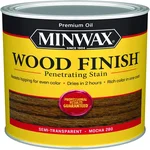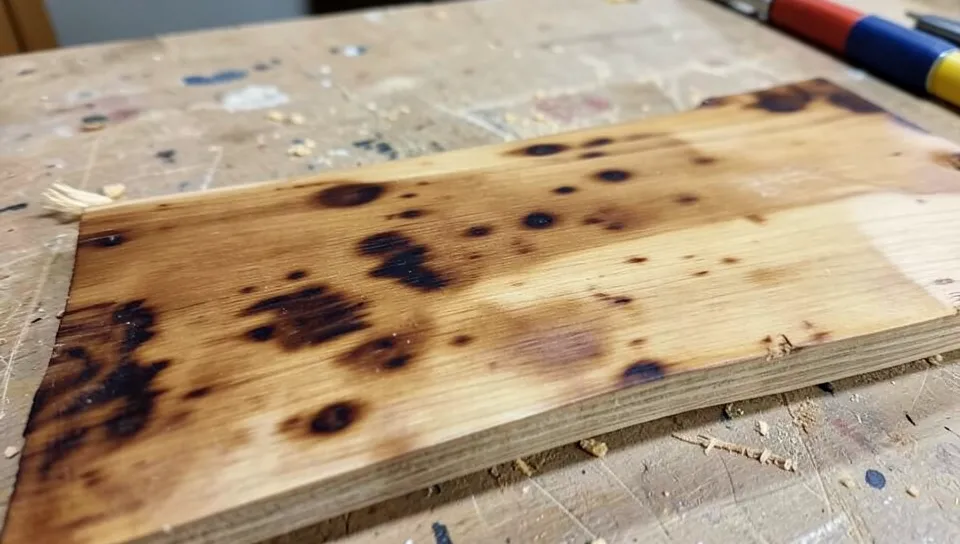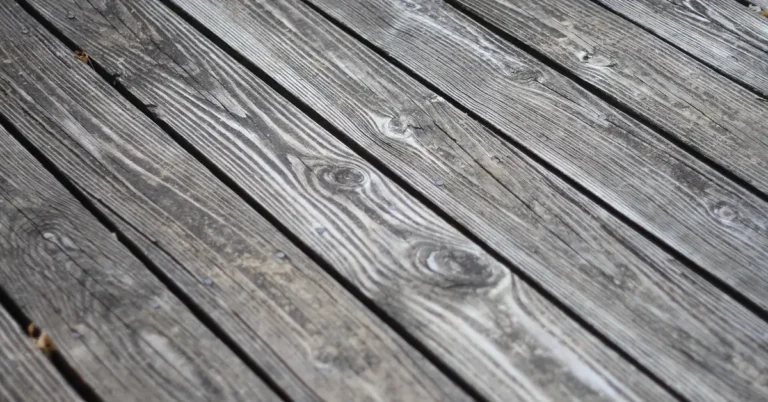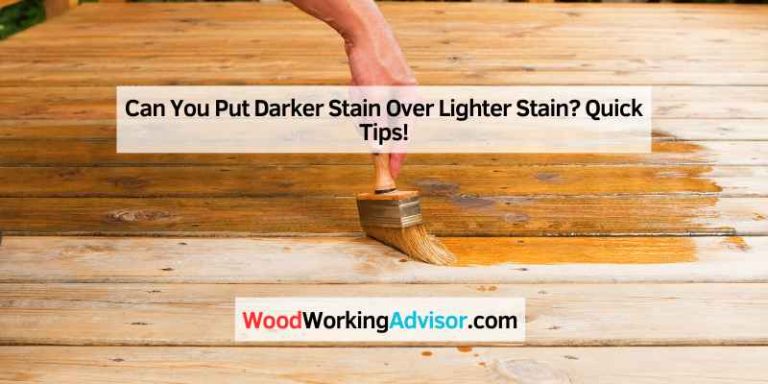
Wood stain samples showing different stain types and colors on indoor boards

What Is the Best Wood Stain?

Choosing the best wood stain depends on the wood species, whether the project is indoors or outdoors, how much grain you want to show, and whether you need color only or color plus outdoor protection. The best stain for pine furniture is not always the best stain for a cedar fence, oak table, deck, or old weathered boards.

For most general woodworking projects, the best wood stain is a semi-transparent oil-based or water-based wood stain that matches the wood type and project location. Use interior stain for furniture, cabinets, trim, and floors. Use exterior stain or stain-and-sealer for decks, fences, siding, cedar, and pressure-treated wood. Use gel stain for blotch-prone woods or vertical surfaces when you need better control.

Disclosure: This post may contain affiliate links. As an Amazon Associate we earn from qualifying purchases.

Wood stain samples showing different stain types and colors on pine, oak, cedar, and walnut boards
The best wood stain depends on the wood species, opacity, project location, and desired color depth.
★ Quick Answer
What Is the Best Wood Stain?

The best wood stain is the one that matches the wood and the job. Use interior wood stain for furniture and cabinets, exterior semi-transparent stain for outdoor wood, gel stain for blotch-prone woods like pine, and solid stain when old exterior wood needs more color coverage.

Best Wood Stain: Fast Decision Table

Project or Wood Type Best Stain Type Why It Works Avoid If
Pine furniture Gel stain or pre-stain conditioner plus stain Helps reduce blotchy color on soft, unevenly absorbent wood You want the fastest one-step process
Oak furniture Oil-based or water-based penetrating stain Oak’s open grain usually accepts stain well You want to hide the grain completely
Cabinets and trim Interior wiping stain or gel stain Gives controlled color on detailed surfaces The surface is already sealed and not sanded/prepped
Decks Exterior semi-transparent or solid deck stain Designed for outdoor exposure and foot traffic You are using indoor-only stain
Fences Exterior semi-transparent fence stain Protects vertical outdoor boards while showing grain The fence is old and needs solid color coverage
Cedar Clear, tinted, or semi-transparent exterior stain Preserves cedar’s natural color and grain The cedar is gray, uneven, or heavily weathered
Old weathered exterior wood Semi-solid or solid stain Gives more pigment and hides uneven color You want natural grain visibility
Vertical surfaces Gel stain Thicker formula is easier to control on vertical wood You need a very penetrating exterior deck finish
★ Recommended Product Type
Interior Wood Stain for Furniture and Cabinets

Interior wood stain is the right starting point for furniture, cabinets, shelves, trim, and indoor woodworking projects where color control matters.

  • Good for furniture, trim, cabinets, doors, and shelves
  • Available in many wood tones and colors
  • Can be followed with polyurethane, varnish, lacquer, or another compatible clear coat
  • Not designed as the final outdoor protection layer

Check price on Amazon →

As an Amazon Associate we earn from qualifying purchases.

Discover more interesting content on Stain by reading this post. What Is the Best Fence Stain?

What Makes a Wood Stain “Best”?

A wood stain is best when it gives the right color, works with the wood species, fits the project location, and leaves the surface ready for the right protective finish. Stain is mainly about color and appearance. It is not always the same thing as a clear protective topcoat.

Most stains add color while allowing at least some wood grain to remain visible. Paint hides the grain more completely, while clear finishes protect the wood without adding much color. Some products combine stain and sealer, especially for decks, fences, and exterior wood.

Before choosing a wood stain, answer these questions:

  1. Is the project indoors or outdoors?
  2. What wood species are you staining?
  3. Do you want to show the grain or hide imperfections?
  4. Do you need a transparent, semi-transparent, semi-solid, or solid finish?
  5. Will the surface need a separate clear coat?
  6. Is the wood new, sanded, previously finished, or weathered?

Wood Stain Types Explained

Stain Type Best Use Main Advantage Main Limitation
Oil-based stain Furniture, trim, oak, pine with prep, rich wood tones Traditional warm color and longer working time Stronger odor and slower drying
Water-based stain Indoor projects, low odor jobs, faster drying Easy cleanup and less odor Can raise grain and dry quickly
Gel stain Pine, blotchy woods, vertical surfaces, cabinets Thicker consistency gives more control May sit more on the surface than penetrating stains
Exterior semi-transparent stain Decks, fences, cedar, pressure-treated wood Shows grain while adding outdoor color and protection Will not hide heavy damage
Semi-solid stain Weathered outdoor wood that still has texture More color coverage than semi-transparent stain Shows less natural grain
Solid stain Old decks, fences, siding, and mismatched boards Hides uneven color and weathering Looks closer to paint than natural stain
Stain and polyurethane Some indoor furniture or trim refresh projects Color and topcoat in one product Can be harder to control if applied too thick

Interested in more about Stain? Here's an article you might find helpful. Dye vs Stain for Wood: Which Should You Use?

Oil-Based vs Water-Based Wood Stain

Oil-based stain is often chosen for a rich, warm wood tone and longer working time. It can be useful when you want more time to wipe, blend, and adjust color. It usually has stronger odor and takes longer to dry than many water-based stains.

Water-based stain is often chosen for faster drying, lower odor, and easier cleanup. It can be a good choice for indoor projects, especially when you want less ambering. However, it can raise wood grain and may require careful sanding and fast application.

Feature Oil-Based Stain Water-Based Stain
Look Warmer, richer tone Often clearer or less amber
Dry time Usually slower Usually faster
Cleanup Often requires solvent Usually soap and water
Odor Stronger odor Lower odor
Best for Traditional furniture color and longer working time Indoor projects, quick drying, lower odor

Best Wood Stain for Pine

The best wood stain for pine is usually gel stain or a stain applied after pre-stain wood conditioner. Pine is soft and absorbs stain unevenly, which can create blotchy dark patches if the surface is not prepared correctly.

Gel stain helps because it is thicker and easier to control. Pre-stain conditioner can also help reduce uneven absorption before applying a regular oil-based or water-based stain.

Use gel stain on pine when:

  • You want better control over color
  • The pine is soft, uneven, or blotch-prone
  • You are staining cabinets, trim, or vertical surfaces
  • You want to reduce blotchy absorption

Avoid dark penetrating stain on pine when:

  • You have not tested the color first
  • The pine is unsanded or unevenly sanded
  • You are not using conditioner or a controlled staining method
★ Recommended Product Type
Gel Stain for Pine and Blotchy Woods

Gel stain is useful on pine, cabinets, trim, and vertical surfaces because the thicker formula gives more control than thin penetrating stains.

  • Good for pine and other blotch-prone woods
  • Useful on vertical surfaces and cabinets
  • Can help create more even color
  • Always test on scrap wood first

Check price on Amazon →

As an Amazon Associate we earn from qualifying purchases.

Find out more about Stain by exploring this related topic. Can A Fiberglass Door Be Stained? The Honest Answer Inside

Best Wood Stain for Oak

The best wood stain for oak is usually a penetrating oil-based or water-based stain because oak has open grain that often accepts stain well. Oak can show beautiful grain contrast when stained properly.

Oil-based stains often give oak a warmer traditional look. Water-based stains can work when you want faster drying or less ambering. Always test the stain first because red oak, white oak, and previously finished oak can all respond differently.

Best Wood Stain for Cedar

The best wood stain for cedar is usually clear, tinted, or semi-transparent exterior stain when the cedar is outdoors. Cedar already has natural color and attractive grain, so you usually do not want to hide it unless the wood is gray, old, or uneven.

Use a clear or lightly tinted exterior stain on new cedar. Use semi-transparent stain when the cedar needs more color. Use semi-solid or solid stain only when the cedar is heavily weathered or visually uneven.

For more help, read our guides on how to stain cedar and how to protect cedar wood for outdoors.

Semi-transparent stain being applied to cedar wood boards outdoors
Cedar usually looks best with a clear, tinted, or semi-transparent exterior stain.

Best Wood Stain for Outdoor Wood

The best wood stain for outdoor wood is an exterior-rated stain or stain-and-sealer. Outdoor wood faces sunlight, moisture, temperature changes, mildew risk, and weathering, so an indoor-only stain is usually the wrong choice.

For decks, choose a deck stain made for foot traffic. For fences, choose exterior fence stain. For outdoor furniture, choose an exterior stain followed by a compatible outdoor clear coat if needed. For pressure-treated wood, wait until the lumber is dry enough to accept stain.

If you are choosing outdoor stain by project, read our guides on what is the best deck stain and what is the best fence stain.

★ Recommended Product Type
Exterior Semi-Transparent Wood Stain

Exterior semi-transparent stain is a good choice for outdoor wood when you want color and protection while still showing grain.

  • Good for decks, fences, cedar, and pressure-treated wood
  • Shows more grain than solid stain
  • Better outdoor choice than indoor-only stain
  • Useful when old wood does not need full coverage

Check price on Amazon →

As an Amazon Associate we earn from qualifying purchases.

Intrigued by Stain? Here’s a related post to explore further. Can You Color Match Stain: An Essential Genius Trick

Best Wood Stain for Pressure-Treated Wood

The best stain for pressure-treated wood is usually an exterior semi-transparent stain or deck/fence stain once the wood is dry enough to absorb finish. New pressure-treated lumber may still contain treatment moisture, so staining too early can cause uneven color and poor absorption.

Use the water test before staining. Sprinkle a few drops of water on the surface. If water beads up strongly, the wood may not be ready. If it absorbs into the wood, the surface may be ready for stain.

For related outdoor lumber information, read treated wood for ground contact.

Best Wood Stain for Cabinets and Trim

The best wood stain for cabinets and trim depends on the existing finish and wood type. If the surface is bare wood, interior wiping stain or gel stain can work well. If the cabinets are already finished, you may need sanding, deglossing, or a gel stain process designed for existing finishes.

Gel stain is often useful on cabinets and trim because it is thicker and easier to control on vertical and detailed surfaces. Do not apply stain over a sealed, glossy surface without proper preparation.

Transparent, Semi-Transparent, Semi-Solid, or Solid Stain?

Opacity controls how much wood grain remains visible. More transparent stains show more grain but hide fewer flaws. Solid stains hide more flaws but look closer to paint.

Opacity Grain Visibility Coverage Best Use
Clear or transparent Very high Very low New attractive wood
Semi-transparent Medium to high Medium Most outdoor wood in good condition
Semi-solid Low to medium Medium to high Weathered wood that still has texture
Solid Very low High Old, gray, repaired, or mismatched exterior wood

Do You Need a Topcoat After Wood Stain?

Many interior stains need a clear protective topcoat after the stain dries. Stain adds color, but it does not always provide enough protection by itself. Furniture, tables, cabinets, shelves, and trim often need polyurethane, varnish, lacquer, shellac, or another compatible clear finish over the stain.

Exterior stain products are different. Many deck and fence stains are designed as stain-and-sealer products, but they still require maintenance and reapplication over time. Always follow the product label for whether a separate topcoat is needed.

For clear sealer choices, plan to add a topcoat rated for the specific project type.

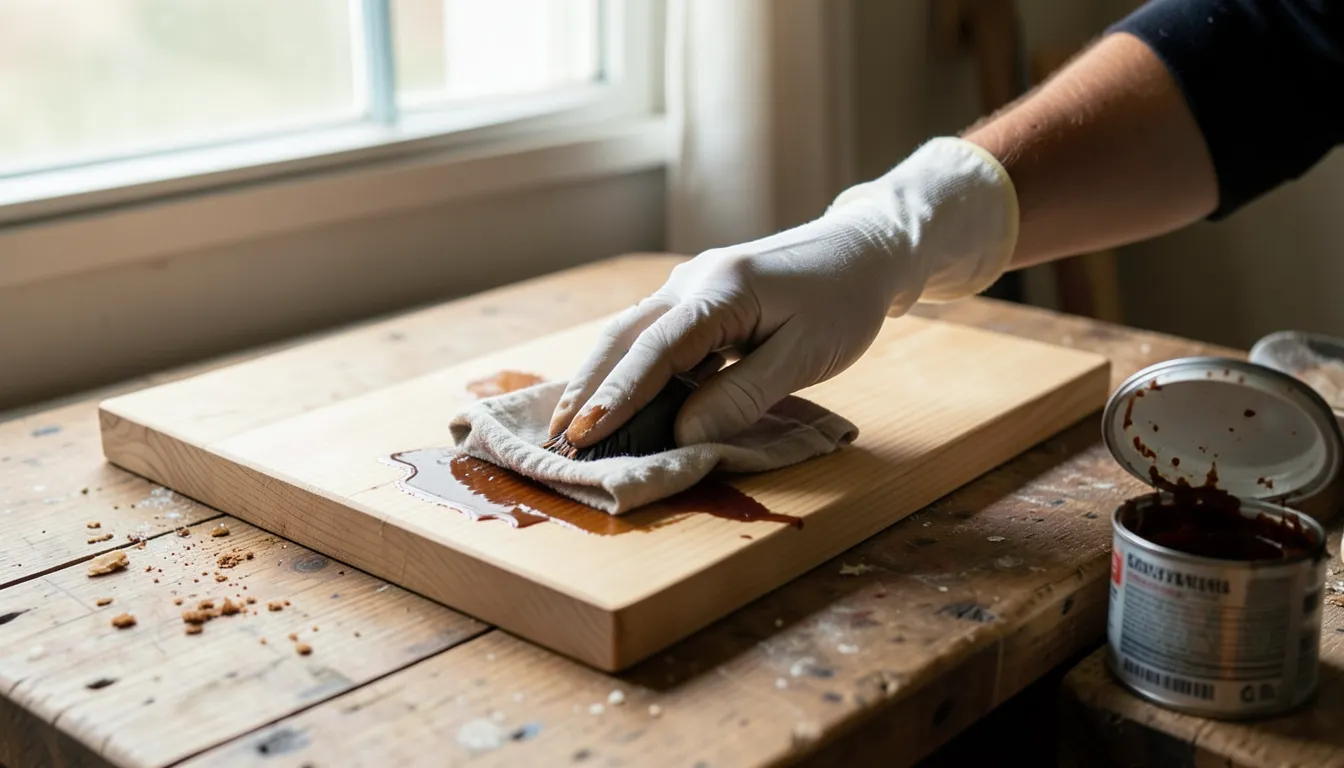
Clear protective finish being brushed over stained wood in a workshop
Many indoor stained wood projects need a clear topcoat after the stain dries.

Expand your knowledge about Stain with this article. Should You Stain Butcher Block? Expert Guide

How to Prepare Wood Before Staining

Surface preparation has a huge effect on final stain color. Dirt, glue, old finish, uneven sanding, mill glaze, and dust can all cause blotches or light spots.

  1. Remove old finish if the wood is already sealed or coated.
  2. Sand the wood evenly with the right grit for the project.
  3. Remove sanding dust with vacuum, tack cloth, or a clean rag.
  4. Use pre-stain conditioner on blotch-prone woods like pine if needed.
  5. Test stain on scrap wood or a hidden area.
  6. Apply stain evenly with a brush, cloth, pad, or sponge as directed.
  7. Wipe off excess stain if the product instructions require it.
  8. Let the stain dry fully before applying a topcoat.
Wood staining tools including brush, rags, sanding block, gloves, and stain samples on boards
Even sanding, dust removal, and test samples help prevent stain mistakes.

Common Wood Stain Mistakes

Choosing color without testing

The same stain can look different on pine, oak, cedar, maple, walnut, and pressure-treated wood. Always test first.

Skipping sanding or prep

Uneven sanding causes uneven stain absorption. Sand consistently and remove dust before staining.

Using indoor stain outdoors

Indoor stain is not designed for rain, sun, and weather exposure. Use exterior stain outdoors.

Expecting stain to protect like polyurethane

Interior stain often needs a clear topcoat for protection. Stain color alone is not always a durable finish.

Applying stain too thick

Too much stain can dry unevenly or stay sticky. Follow the product instructions and wipe excess when required.

Ignoring blotchy woods

Pine, maple, birch, and some softwoods can stain unevenly. Use conditioner, gel stain, or careful testing.

Best Wood Stain: Final Recommendation

The best wood stain for most indoor projects is a quality interior oil-based, water-based, or gel stain matched to the wood species and desired color. For pine and blotch-prone woods, gel stain or pre-stain conditioner is usually safer. For oak and open-grain hardwoods, penetrating stain often works well. For outdoor wood, use exterior semi-transparent stain, semi-solid stain, or solid stain depending on condition.

If the wood is new and beautiful, choose a transparent or semi-transparent stain. If the wood is old, gray, repaired, or mismatched, choose a more opaque stain. If the project is indoors, plan for a clear topcoat when protection is needed. The best wood stain is the one that matches the wood, the exposure, and the final look you want.

Eager to delve deeper into Wood Decking? Check out this article for more insights. What Is the Best Deck Stain?

FAQs About the Best Wood Stain

What is the best wood stain overall?

The best wood stain overall depends on the project. Use interior wood stain for furniture and cabinets, exterior semi-transparent stain for outdoor wood, gel stain for pine or blotch-prone woods, and solid stain for old exterior boards that need more coverage.

What is the best wood stain for pine?

The best wood stain for pine is usually gel stain or a stain used after pre-stain conditioner. Pine can absorb stain unevenly, so testing and surface prep are important.

What is the best wood stain for oak?

The best wood stain for oak is usually an oil-based or water-based penetrating stain. Oak has open grain that often accepts stain well and shows strong grain contrast.

What is the best wood stain for outdoor wood?

The best wood stain for outdoor wood is an exterior-rated stain or stain-and-sealer. Use semi-transparent stain for natural grain, semi-solid stain for more coverage, and solid stain for old or weathered exterior wood.

Is oil-based or water-based wood stain better?

Oil-based stain is often better for warm traditional color and longer working time. Water-based stain is often better for lower odor, faster drying, and easier cleanup. The better choice depends on the project.

Is gel stain better than regular stain?

Gel stain is better for some projects, especially pine, blotch-prone woods, cabinets, trim, and vertical surfaces. Regular penetrating stain is often better when you want deeper absorption into open-grain wood.

Do I need to seal wood after staining?

Many indoor stained wood projects need a clear sealer or topcoat after staining. Furniture, cabinets, trim, and tables usually need protection beyond color. Some exterior stains are stain-and-sealer products, but they still need maintenance over time.

What stain shows wood grain the best?

Clear, transparent, and semi-transparent stains show wood grain the best. Solid stain hides the most grain and is better for old or uneven exterior wood.

Can I stain over old stain?

You can stain over old stain only if the surface is clean, compatible, and properly prepared. Sealed, glossy, peeling, or dirty surfaces usually need sanding, stripping, or deglossing before restaining.

If you want to add color first, choosing the best stain for pine wood helps reduce blotching and uneven color.

Similar Posts