Can You Put Polyurethane Over Wax? Why It Usually Fails
No, polyurethane will not bond over wax unless every trace of it is removed first: applied directly, the finish repels into fisheye spots or peels within weeks, the same adhesion problem shows up with polyurethane over shellac. This guide covers why the two don’t mix, how to strip wax with mineral spirits or naphtha, and when reapplying wax instead of poly makes more sense.
Understanding Polyurethane And Wax
Best Wax Removal Pick
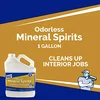
Odorless Mineral Spirits, 1 Gallon – $23.38
Strips old wax completely so polyurethane can actually bond to bare wood: the exact prep step this guide says is required before any topcoat goes on.
- Best for: Fully stripping wax before switching to a film finish
- Why we picked it: Odorless formula cuts through wax and grease without the fumes of standard mineral spirits
- Main drawback: Needs several wipe-downs with clean rags to fully lift wax out of open-grain wood
Compare more wax removal options
 Option 1 ColorTone Naphtha Solvent, 32 oz – $47.48
|
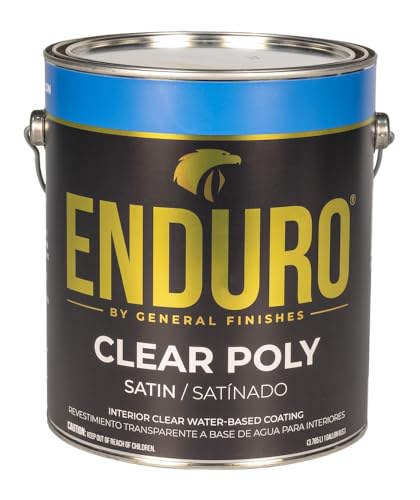
 Option 2 Minwax Oil-Based Wipe-On Polyurethane, Satin – $21.59
|
 Option 3 Minwax Water-Based Wipe-On Polyurethane, Satin – $19.98
|
As an Amazon Associate we earn from qualifying purchases.
When it comes to finishing wooden furniture, two popular options are polyurethane and wax. Each of these materials serves a unique purpose and offers distinct benefits. In this article, we will explore polyurethane and wax in detail, including their characteristics and how they can be used together.
Polyurethane: A Protective Coating For Furniture
Polyurethane is a durable and protective coating commonly used to seal wooden surfaces. It creates a hard and glossy finish that shields the furniture from scratches, moisture, and other potential damage. This type of finish is particularly suitable for high-traffic areas and pieces that require extra protection.
Using polyurethane as a topcoat provides a long-lasting barrier against wear and tear, making it ideal for tables, countertops, and floors. It also enhances the natural beauty of the wood, creating a smooth and even appearance. Whether you prefer a satin, semi-gloss, or high-gloss finish, polyurethane can be tailored to meet your desired level of shine.
Wax: An Aesthetic Finish For Furniture
On the other hand, wax is a traditional and time-tested finish that showcases the natural beauty of wood. It adds depth and richness to the furniture, emphasizing the grain and giving it a warm, natural sheen. While wax provides limited protection compared to polyurethane, it is highly regarded for its aesthetic qualities.
Wax is commonly used on antique furniture or pieces that require a softer and more subdued appearance. It is available in various forms, such as paste wax, liquid wax, and even colored wax. Applying wax to a wooden surface not only protects it from minor scratches but also enhances its overall visual appeal.
Moreover, wax is easy to apply and maintain. It can be buffed to a desired level of shine, and if the surface becomes dull over time, it can be re-waxed without extensive preparation. This makes it an excellent option for those who prefer a more natural and artisanal approach to furniture finishing.
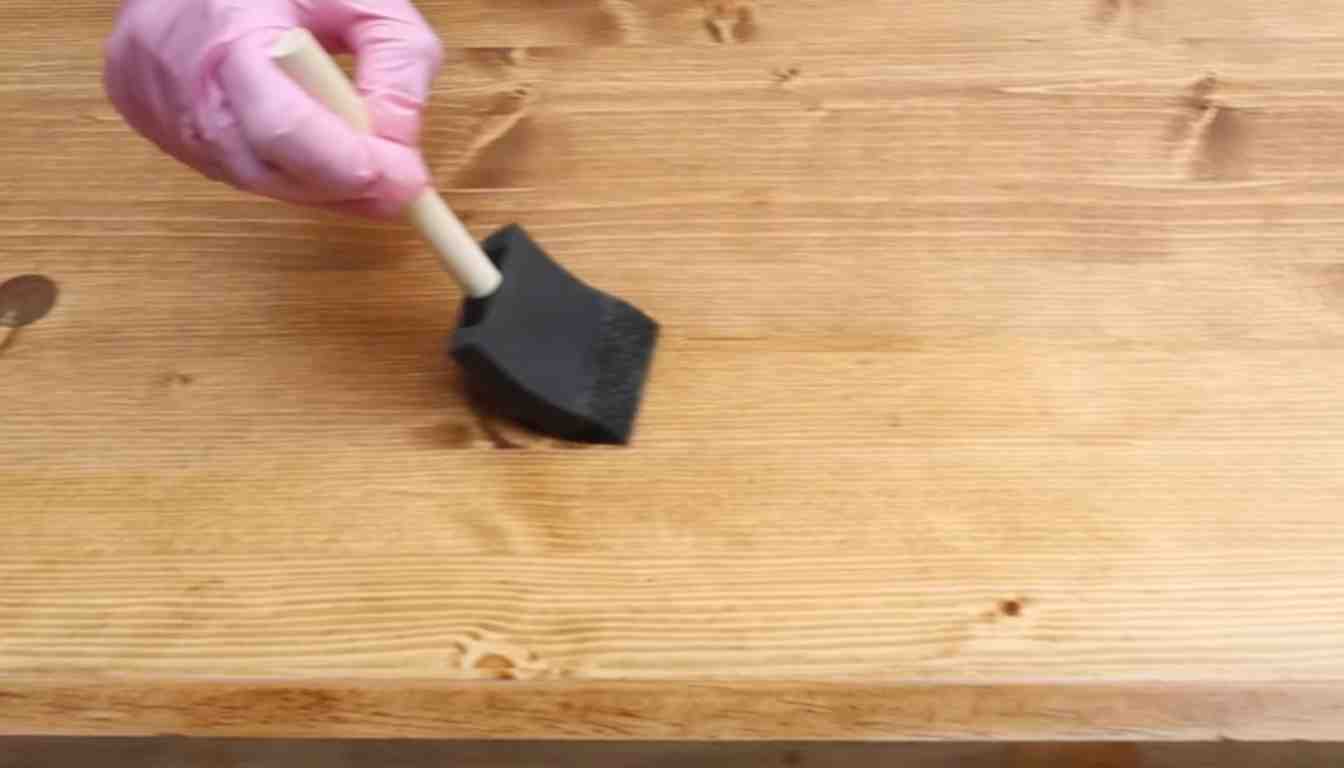
Challenges Of Applying Polyurethane Over Wax
Applying polyurethane over wax can be a tricky process, as the two substances have different chemical properties and adhesion issues. Understanding these challenges is crucial for achieving a successful finish when combining these materials.
Different Chemical Properties
Polyurethane and wax are both popular choices for protecting and enhancing various surfaces. However, they have distinct chemical properties that can pose challenges when used together.
- Polyurethane is a synthetic material that forms a hard, protective coating when applied. It provides excellent durability and resistance to wear and tear.
- Wax, on the other hand, is a natural substance that creates a soft, malleable layer. It offers a more subtle sheen and a smooth feel when touched.
Because of their different compositions, polyurethane and wax may not adhere well to each other. This can result in poor adhesion and potential issues with the finish, such as peeling or bubbling.
Adhesion Issues
When applying polyurethane over wax, adhesion issues can arise due to the incompatible nature of the two substances. Polyurethane typically adheres best to surfaces that are clean, dry, and free of any contaminants, such as wax.
As a result, the wax layer may need to be removed or properly prepared to ensure good adhesion. This could involve sanding the wax surface to create a rougher texture or using a suitable wax remover to eliminate any residue.
Additionally, it’s important to consider the age and condition of the wax layer. Over time, wax can become worn or damaged, making it less suitable as a base for polyurethane. In such cases, complete removal of the wax may be necessary before applying polyurethane for optimal results.
By understanding the different chemical properties and potential adhesion issues, you can navigate the challenges of applying polyurethane over wax. Taking the necessary steps to ensure proper surface preparation will help you achieve a beautiful and long-lasting finish.
The Process Of Applying Polyurethane Over Wax
Applying polyurethane over wax is a popular technique to enhance the durability and protection of your wooden surfaces. By adding an extra layer of polyurethane, you can provide a glossy finish and increase resistance to scratches and stains. However, it is important to follow the correct process to ensure successful results. In this article, we will guide you through the steps involved in applying polyurethane over wax.
Surface Preparation
Before applying polyurethane over wax, it is crucial to prepare the surface properly. Follow these steps:
- Clean the surface thoroughly using a mild detergent or wood cleaner to remove any dirt, grime, or wax residue.
- Sand the surface gently using fine-grit sandpaper to create a smooth and even texture. This will help the polyurethane adhere better to the surface.
- Wipe away any remaining dust using a tack cloth or a lint-free cloth.
Choosing The Right Polyurethane
Choosing the right type of polyurethane is essential to achieve the desired results. Consider the following:
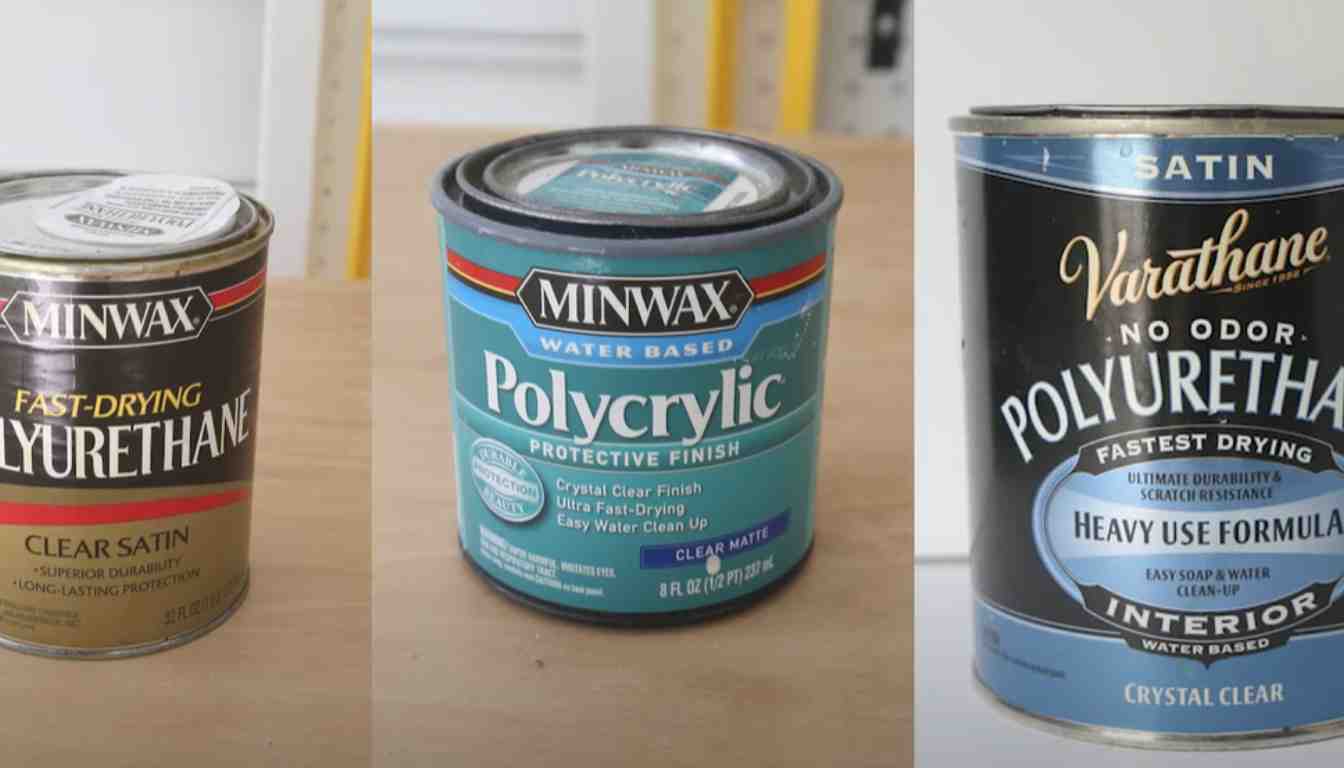
- Water-based polyurethane: Provides a clear and fast-drying finish. It has low odor and is easy to clean up.
- Oil-based polyurethane: Offers a more durable and amber-toned finish. It takes longer to dry and has a strong odor.
Application Technique
The application technique plays a crucial role in achieving a smooth and flawless finish. Follow these steps:
- Stir the can of polyurethane thoroughly to ensure it is well mixed.
- Using a high-quality brush or a foam applicator, apply a thin and even coat of polyurethane. Work in the direction of the wood grain.
- Allow the first coat to dry completely according to the manufacturer’s instructions.
- Lightly sand the dried coat using fine-grit sandpaper and remove any dust.
- Apply subsequent coats in the same manner, allowing each coat to dry and sanding between coats.
By following the correct process of surface preparation, choosing the right polyurethane, and applying it with the appropriate technique, you can successfully add a layer of protection to your waxed wooden surfaces. Remember to always read and follow the instructions provided by the polyurethane manufacturer for best results.
Benefits And Drawbacks Of Applying Polyurethane Over Wax
Applying polyurethane over wax is a popular method to enhance the durability and protection of wooden surfaces, while maintaining their natural look. While this technique offers several benefits, it is essential to consider the potential drawbacks as well.
Enhanced Durability And Protection
Polyurethane is known for its exceptional durability and protective properties, making it an excellent choice for adding an extra layer of shielding on top of wax. By applying polyurethane over wax, you can significantly increase the longevity of your wooden surfaces. This combination provides superior resistance against scratches, spills, and general wear and tear, ensuring your furniture or flooring stays protected for a longer period of time.
Maintaining The Natural Look
One of the main advantages of applying polyurethane over wax is that it allows you to maintain the natural look of the wood. Wax provides a warm, organic finish that enhances the wood grain and brings out its natural beauty. By using polyurethane over wax, you can enjoy the benefits of added protection without compromising on the aesthetic appeal of the wood. The polyurethane layer remains transparent, allowing the natural characteristics of the wood to shine through.
Potential Drawbacks
While applying polyurethane over wax offers numerous benefits, it is important to be aware of the potential drawbacks. One key consideration is the additional time and effort required for the application process. Unlike wax, which can be easily applied by simply rubbing it onto the wood surface, polyurethane typically requires multiple coats and careful application techniques. This can make the process more time-consuming and labor-intensive.
Additionally, once polyurethane is applied, it forms a protective layer that cannot be easily removed or re-waxed. While this enhances durability, it also means that any future touch-ups or refinishing may require more extensive efforts.
Another aspect to consider is the potential for a slightly altered appearance when using polyurethane over wax. While the natural look of the wood is mostly preserved, polyurethane can lend a more glossy or shinier finish compared to just wax. This may be a matter of personal preference and the desired final aesthetic.
Overall, the decision to apply polyurethane over wax comes down to weighing the benefits of enhanced durability and protection against the potential drawbacks of additional application efforts and potential slight changes in appearance. It is important to carefully consider your specific needs, desired look, and the amount of maintenance you are willing to undertake to ensure the longevity and natural beauty of your wooden surfaces.
Alternatives To Applying Polyurethane Over Wax
While applying polyurethane over wax is a common method to protect and seal furniture or wooden surfaces, there are other alternatives worth considering. These alternatives not only save you time but also offer different finishes and maintenance options.
Stripping And Reapplying Wax
If you find that you no longer want to apply polyurethane over the existing wax finish, stripping and reapplying wax is a viable alternative. This process involves removing the wax coating completely from the surface and then reapplying a fresh coat of wax. By doing so, you can achieve a clean and smooth finish.
Using Wax As A Topcoat
Another alternative is to use wax as a topcoat instead of applying polyurethane. This method involves applying a layer of wax directly over the stained or finished wood. The wax not only gives a protective surface but also imparts a soft sheen or matte finish to the wood. Regular maintenance involves reapplying wax as needed.
| Advantages | Disadvantages |
|---|---|
|
|
When choosing between these alternatives, consider the level of protection, desired appearance, and maintenance requirements. Stripping and reapplying wax can be a suitable option if you want to start fresh, while using wax as a topcoat is preferable for a more natural and easy-to-maintain finish. Experiment with different methods to determine the best approach for your project.
Conclusion
Applying polyurethane over wax is a popular technique in the world of furniture restoration. Although it may seem tempting, it’s important to understand the potential risks and drawbacks involved. While it can provide added durability and a smoother finish, it may also lead to adhesion issues and an uneven appearance.
Ultimately, the decision to use polyurethane over wax should be based on careful consideration and testing. It is always recommended to follow manufacturer instructions for best results and consult with professionals when in doubt. So, be sure to weigh the pros and cons before proceeding with this technique.
Sponsored / affiliate links. As an Amazon Associate I earn from qualifying purchases. I may earn additional commission from eligible campaigns.