Can You Compost Wax Paper? The Answer May Surprise You
Unpacking the Mystery of Wax Paper in Your Compost
So, what exactly is wax paper? At its core, it’s paper. Regular paper is fantastic for compost.
It breaks down easily and adds valuable carbon to your pile. But wax paper has a secret ingredient: wax.
This wax is what makes it resist moisture. It’s designed to keep food fresh. It also means the paper doesn’t soak up water like regular paper does.
This is a big clue about whether it will compost well.
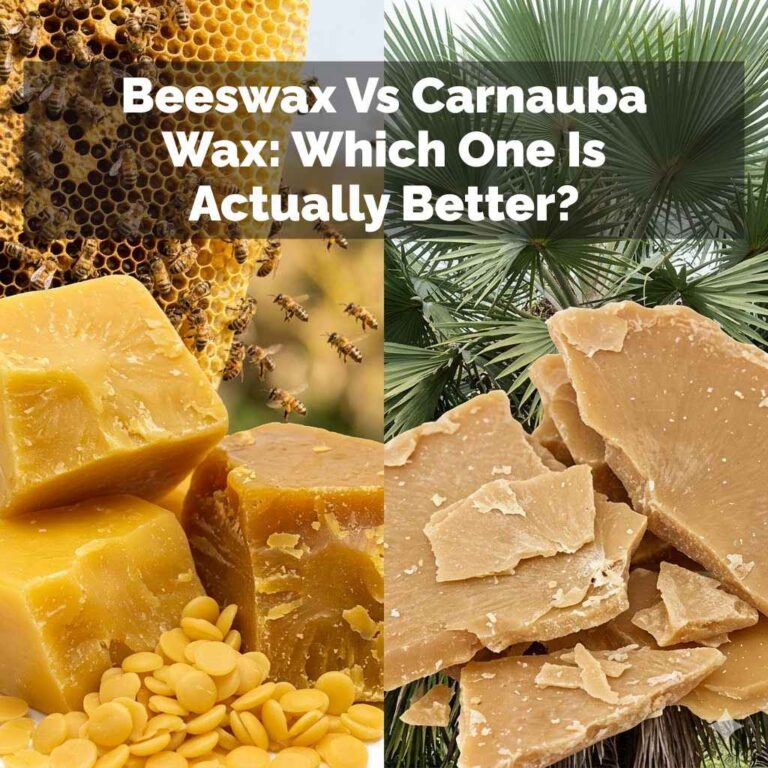
The type of wax matters a lot. Most modern wax papers use a thin layer of paraffin wax or polyethylene (a type of plastic). Older wax papers might have used beeswax.
Each of these has a different story when it comes to breaking down.
When we talk about composting, we want things to break down into tiny pieces. This process needs microbes. These tiny helpers eat organic matter.
They turn it into rich soil food. If something resists the microbes, it won’t compost.
Paraffin wax and polyethylene are not easily eaten by the microbes in your compost bin. They are petroleum-based or plastic-based. They don’t offer much for the microbes to munch on.
Beeswax is a bit different. It’s a natural product from bees. Some microbes can break down beeswax, but it’s still slow.
It’s not as readily available as other compostable materials.
This is why most experts say to avoid putting typical wax paper in your home compost. It will likely just sit there. It won’t decompose like your fruit peels and coffee grounds.
The goal of composting is to create nutrient-rich soil. We want to reduce waste going to landfills. Adding items that don’t break down defeats part of that purpose.
It can also slow down the composting process for other materials.
Imagine adding a plastic bag to your compost. It would last for years! Wax paper, while not quite that bad, acts similarly.
It’s a barrier that slows down the natural decomposition.
Understanding the components of what we throw away is key. It helps us make better choices for our gardens and the planet. Wax paper is a common kitchen item.
Knowing its fate in the compost bin is a small but important step for many.
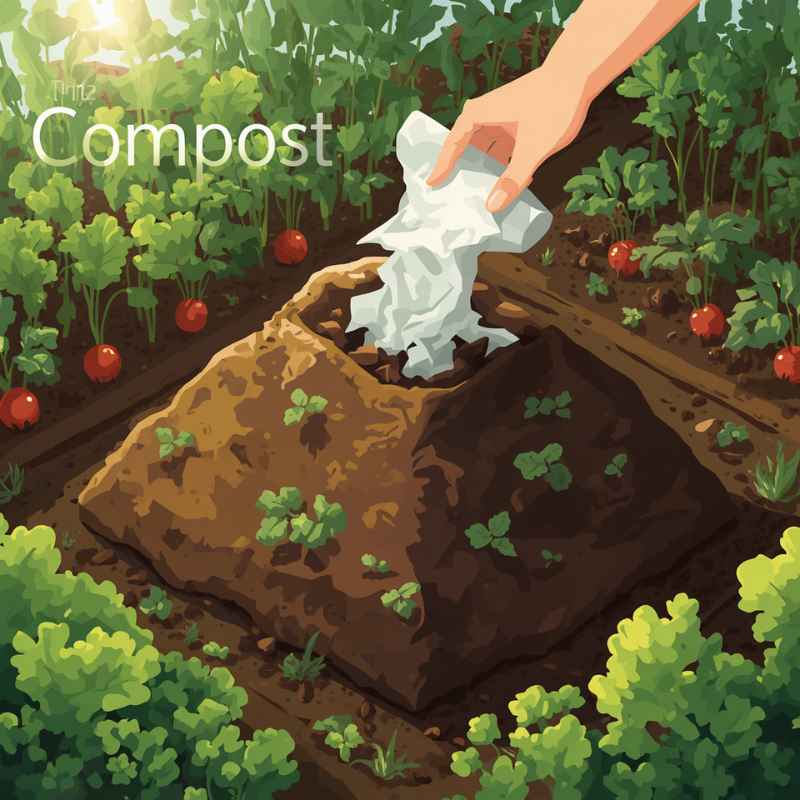
My Own Wax Paper Compost Predicament
I remember the first time I really thought about wax paper in compost. I was making a big batch of cookies. I used wax paper to keep them from sticking to the counter.
Afterward, I had a pile of used sheets. My compost bin was open, and I was on a mission to fill it with good stuff.
I hesitated. I knew other papers were good. But the waxy coating made me pause.
I looked it up quickly on my phone, but the answers were mixed. Some said yes, some said no. It was confusing!
I decided to test it. I tore up a few pieces of wax paper. I tossed them in a corner of my bin.
I told myself I’d check on them later. Fast forward a few months. My compost was looking good.
But those waxy bits? They were still there. They looked almost the same as when I put them in.
That was a real eye-opener. It showed me that not all paper is equal in the compost world. It made me more careful about what I added.
I learned to really read labels or understand the materials involved.
It’s easy to just toss things in. We want to believe that if it came from nature, it will go back to nature. But with modern processing, that’s not always the case.
The wax coating is often a processed material.
This experience taught me to be more mindful. It pushed me to research further. Now, I avoid wax paper in my home compost entirely.
I choose parchment paper or other alternatives when I can.
It’s that moment of doubt that stops many people. You don’t want to ruin your compost. But you also don’t want to send good materials to the trash if they can be reused or composted.
So, a little extra knowledge goes a long way.
Wax Paper vs. Other Papers for Compost
Regular Paper (Newspaper, Cardboard): Great for compost. Made of cellulose. Microbes love it.
Adds carbon (browns).
Parchment Paper: Often compostable. Usually coated with silicone. Silicone is generally safe for compost.
Check the label!
Wax Paper: Not usually compostable. Coated with paraffin wax or plastic. These don’t break down easily.
Can harm microbes.
Kraft Paper Bags: Often compostable. Good for holding things. Check for plastic liners or coatings.
Why the Wax Matters for Decomposition
The main hurdle for wax paper in compost is the wax itself. Think about why we use it. It’s to keep things from getting soggy.
It creates a barrier.
In a compost bin, this barrier is a problem. Microbes need moisture to work. They also need air.
The wax layer can prevent water from reaching the paper fibers. It can also trap moisture in ways that aren’t helpful for the aerobic breakdown we want.
Paraffin wax is a byproduct of petroleum. It’s a waxy substance. It doesn’t offer nutrients.
It doesn’t break down into simple components that soil organisms can use.
Polyethylene is a plastic. While some plastics break down very slowly, polyethylene is not considered biodegradable in a compost environment. It can persist for a very long time.
Even if the paper part eventually breaks down, the wax layer remains. This can leave behind tiny wax particles. These aren’t good for soil health.
They don’t add nutrients.
The heat generated in a hot compost pile might melt the wax. But melting isn’t the same as breaking down. The melted wax could coat other compostable materials.
This might make them less accessible to microbes.
This is why checking product labels is so important. Some brands are now making “compostable” wax paper. These usually use plant-based waxes.
They are designed to break down. Always look for certifications like BPI (Biodegradable Products Institute) or OK Compost.
Without these assurances, it’s safest to assume standard wax paper is not compostable. It’s better to err on the side of caution. You don’t want to contaminate your compost with non-biodegradable materials.
The impact on your compost bin’s health is also a factor. A healthy compost pile is alive with microorganisms. Adding materials that disrupt their work can slow down the whole process.
It might even lead to bad odors.
So, the wax is the key. It’s the part that prevents the paper from being a good compost ingredient. It’s a barrier to decomposition.
This is the core reason it doesn’t belong in most compost bins.
Types of Wax & Their Compostability
Paraffin Wax: Derived from petroleum. Very slow to break down. Not considered compostable for home or industrial piles.
Polyethylene Wax: A type of plastic. Extremely resistant to decomposition. Not compostable.
Beeswax: Natural and biodegradable. Can be broken down by some microbes. Composts very slowly.
Often found in “natural” wax papers, but still not ideal.
Plant-Based Waxes (Carnauba, Soy): Designed to be biodegradable. Often used in certified compostable products. Check for certification.
When Wax Paper Might Be Okay (But Still Risky)
There are a few scenarios where people might think wax paper is okay. Or where it might break down very slowly. But these are exceptions, not the rule.
One is if the wax paper is already soiled with food scraps that are themselves compostable. For instance, a tiny bit of bread crumb stuck to it. If the food scraps are the dominant part, the paper might get pulled into decomposition.
However, the wax still remains.
Another situation is if you have a very hot, active compost pile. Extreme heat can break down more materials. But even then, the wax itself is unlikely to fully decompose.
It might just melt and spread.
Some people might put it in a compost bin where they don’t care about the quality of the finished compost. Maybe they just want to get rid of it. But even then, it takes up space.
It can clog up the bin.
The biggest risk is contamination. If you are using your compost for growing vegetables or flowers, you want it to be clean. Introducing non-biodegradable materials can be harmful over time.
What about commercial composting facilities? These are often industrial operations. They run at very high temperatures.
They have specific rules about what they accept. Some facilities might accept certain types of wax paper if it’s certified compostable. But for home composting, it’s best to avoid it.
The U.S. Environmental Protection Agency (EPA) generally advises against putting materials with plastic coatings in compost. Wax coatings are often plastic-based or petroleum-based, falling into this category.
The intention is good, though! Wanting to compost everything shows a desire to reduce waste. It’s a positive step.
The confusion comes from the complex nature of modern materials.
So, while a tiny, food-soiled piece might eventually get buried and slowly degrade, it’s not an efficient or beneficial compost ingredient. It doesn’t add value. It can potentially add problematic residues.
Always check for certified compostable labels. These are your best guide. If it doesn’t say “compostable” and show a certification, assume it’s not.
This applies to many items we use daily.
The key is to compost materials that break down quickly and add nutrients. Think fruit and vegetable scraps, coffee grounds, eggshells, and yard waste. These are the superstars of a healthy compost pile.
When to Be Extra Cautious
Colored Wax Paper: Dyes might be present. Unknown impact on compost.
Wax Paper from Fast Food: Often has grease and food residue. Might contain unknown coatings.
Wax Paper with Plastic Print: Ink and plastic print are unlikely to compost.
Anything Not Labeled “Compostable”: Best to avoid for home composting.
What This Means for Your Compost Bin and Garden
If you’ve been adding wax paper to your compost, don’t panic. A little bit here and there likely won’t ruin your entire compost pile. But it’s good to stop now.
Over time, if you add a lot of non-compostable items like wax paper, your compost will become less effective. It might not break down fully. You could end up with compost that’s mostly undecomposed bits and pieces.
This finished product won’t be very good for your garden. It won’t provide the nutrients your plants need. It could even introduce plastics or petroleum products into your soil.
That’s not ideal for healthy plant growth.
Your compost bin needs a good balance of “greens” (nitrogen-rich materials like food scraps) and “browns” (carbon-rich materials like dry leaves and paper). Wax paper is technically a “brown” material because it’s paper-based.
If you also add wood ash to your compost or garden beds, the same balancing act applies – how much wood ash to use in your garden depends on your soil’s starting pH, since too much can swing it alkaline just as easily as too little carbon slows a pile down.
But the wax coating disrupts its ability to break down like other browns. It acts like a plug. It prevents the microbes from doing their job efficiently on the paper fibers.
This can also affect the temperature of your compost pile. A hot compost pile kills weed seeds and pathogens. If the pile isn’t breaking down properly because of things like wax paper, it might not get hot enough.
So, what should you do? The easiest thing is to set up a small trash can or bag next to your compost bin. Use it for things that are not compostable.
This includes wax paper, plastic wrappers, and other non-organic items.
When you’re uncertain about an item, it’s always best to check. A quick search or a look at the product packaging can save you a lot of trouble. The goal is to create nutrient-rich compost.
We want to help our gardens thrive.
Think of your compost bin as a special ecosystem. You’re feeding tiny organisms. You want to give them food they can process.
Wax paper is like giving them a tough, waxy meal they can’t digest.
The benefit of avoiding wax paper is simple: better compost. Better compost means healthier plants. It means a more sustainable way of managing kitchen waste.
It’s a win-win for your garden and the environment.
Quick Checks for Compostability
Look for Labels: Certified compostable logos (like BPI) are key.
Material Matters: Is it 100% plant-based and untreated?
Coating Check: Does it have a wax, plastic, or shiny coating? If yes, likely not compostable.
Food Residue: Small amounts of natural food residue are okay on compostable items. Heavy grease or plastic residue is not.
Alternatives to Wax Paper for Your Kitchen
If you’re avoiding wax paper for composting, or just looking for more sustainable options, you’re in luck! There are great alternatives.
Parchment Paper: This is often a good substitute. Most parchment paper is coated with silicone, which is generally considered safe for composting. However, it’s always best to check the packaging for confirmation.
Look for unbleached parchment paper when possible.
Beeswax Wraps: These are reusable cloths infused with beeswax, jojoba oil, and tree resin. You use them to wrap food instead of plastic wrap or wax paper. They are washable and reusable for many months.
When they reach the end of their life, they can often be composted (though some argue the oils and resins are slow to break down). There are also vegan versions made with plant-based waxes.
Silicone Baking Mats: For baking, these are fantastic. They are reusable and durable. They are not compostable, but their long lifespan makes them a sustainable choice.
You wash and reuse them many times.
Reusable Food Containers: For storing food, glass or durable plastic containers are excellent. They last for years and can be washed and reused endlessly.
Simply Using Plates or Bowls: Sometimes, the simplest solution is best. Instead of wrapping a small item, just place it on a plate in the fridge.
Choosing these alternatives helps reduce waste. It also supports more sustainable practices in your kitchen. Many of these options are also better for your compost bin than traditional wax paper.
The shift towards sustainable kitchen practices is growing. More and more people are looking for ways to reduce their environmental impact. These simple swaps make a big difference.
They align with the goals of composting and reducing landfill waste.
When you choose an alternative, think about its end-of-life. Can it be recycled? Can it be composted?
Or is it something you can reuse many times? This holistic approach to waste management is really powerful.
Compostable Paper Alternatives Chart
| Option | Compostable? | Notes |
|---|---|---|
| Regular Paper (uncoated) | Yes | Excellent brown for compost. |
| Parchment Paper (silicone-coated) | Often Yes | Check label for certification. |
| Beeswax Wraps | Slowly | Reusable. Compostable at end-of-life, but slow. |
| Wax Paper (standard) | No | Coating prevents breakdown. |
| “Compostable” Wax Paper | Yes (Certified) | Must have official compostable certification. |
When to Worry and When Not To
It’s easy to get caught up in the details of composting. When it comes to wax paper, the main takeaway is to keep it out of your home compost bin. That’s the most important thing.
When is it okay? If you accidentally toss a small piece in, don’t stress about it. Your compost pile is resilient.
It can handle minor errors. You’ll likely just find the waxy bits later if you sift your compost.
When should you worry? If you deliberately add large amounts of wax paper. Or if you are using compost for highly sensitive applications, like growing seedlings for sale.
In those cases, any non-compostable contaminant is a concern.
Also, worry if you see your compost pile not breaking down. If it stays wet and smelly, or if you see undigested materials after many months. This could be a sign of too many non-compostable items, including wax paper.
The health of your garden is the ultimate indicator. If you use your compost and your plants aren’t growing well, or show signs of stress, it’s time to re-evaluate your compost. What’s going into it?
For most backyard composters, the advice is straightforward: assume standard wax paper is trash. If a product explicitly states it is compostable and has a reliable certification, then you can consider it.
Don’t let the complexity of materials discourage you from composting. It’s a valuable practice. Focus on the items that are clearly compostable.
Learn as you go. Most people start with a few mistakes.
The key is continuous learning. As more products become available, we also need to understand their environmental impact. Wax paper is a prime example of a common item that requires a second look.
By making informed choices, you contribute to a healthier planet. Your compost bin becomes a powerful tool for reducing waste and enriching your soil. That’s a reward worth striving for.
Frequently Asked Questions about Composting Wax Paper
Is all wax paper bad for compost?
Most standard wax paper is not good for compost. It’s coated with paraffin wax or polyethylene, which don’t break down. However, some newer products are made with plant-based waxes and are certified compostable.
Always check the label.
Can I compost parchment paper?
Generally, yes. Most parchment paper is coated with silicone, which breaks down in compost. It’s always best to look for a label that confirms it’s compostable.
Avoid parchment paper with plastic coatings or heavy inks.
What happens if I put wax paper in my compost bin?
The wax coating will prevent the paper from breaking down properly. It will likely remain in your compost pile for a long time. It can also coat other materials, making them harder for microbes to digest.
It doesn’t add nutrients to your compost.
Are beeswax wraps compostable?
Beeswax wraps are reusable and last a long time. When they wear out, they can be composted, but it’s a slow process. The oils and resins used in them take a while to break down.
Some people choose to compost them, while others look for other disposal methods.
What is the difference between wax paper and parchment paper?
Wax paper has a coating of paraffin wax or polyethylene to make it water-resistant. Parchment paper is usually coated with silicone, which is more heat-resistant and generally compostable. Wax paper is more for wrapping, while parchment is often used for baking.
How can I tell if something is truly compostable?
Look for certifications from reputable organizations like the Biodegradable Products Institute (BPI) or OK Compost. These labels mean the product has been tested and meets standards for commercial or home composting. If there’s no label, it’s best to assume it’s not compostable.
Wrapping Up: The Simple Truth About Wax Paper and Compost
So, the big question: Can you compost wax paper? The answer for most household wax paper is a clear no. The waxy coating just doesn’t break down like regular paper. It’s best to put it in your regular trash or recycling if accepted.
Focus on adding materials that your compost microbes love. This ensures a rich, healthy compost for your garden. Happy composting!
Sponsored / affiliate links. As an Amazon Associate I earn from qualifying purchases. I may earn additional commission from eligible campaigns.