Can You Eat Carnauba Wax? Is It Actually Safe Or Not?
It’s a common question many of us might have after reading a label. You see a long list of ingredients, and one of them sounds a bit… industrial. Like carnauba wax.
You might think, “Wait, wax? In my food?” It’s natural to pause and wonder about safety. Is this something I should be putting into my body?
We’re here to break down exactly what carnauba wax is and whether it’s truly okay to consume. Let’s dive in.
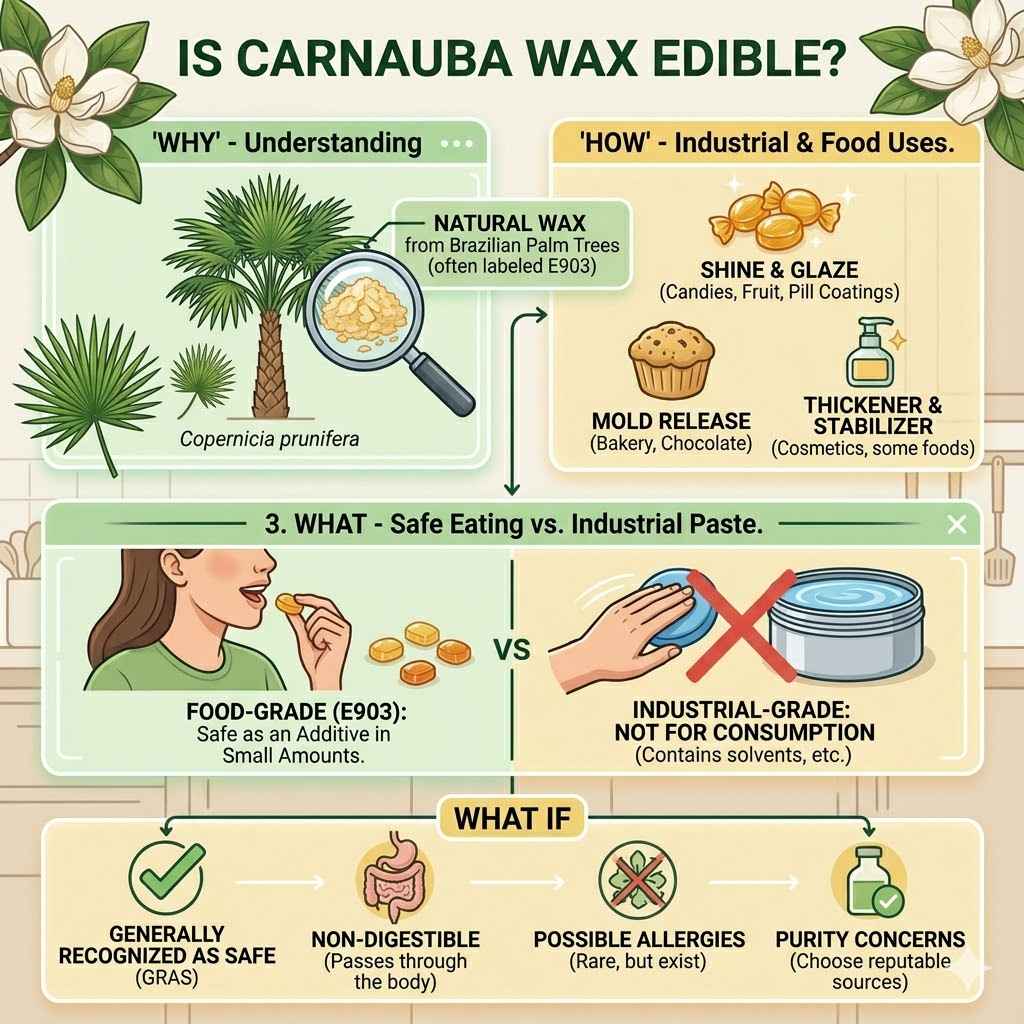
Carnauba wax is generally recognized as safe (GRAS) by the FDA when used as intended in food. It is a food-grade ingredient, but it doesn’t provide nutritional value. Its primary role is as a coating agent to improve texture, shine, and preservation of certain foods.
What is Carnauba Wax and Where Does It Come From?
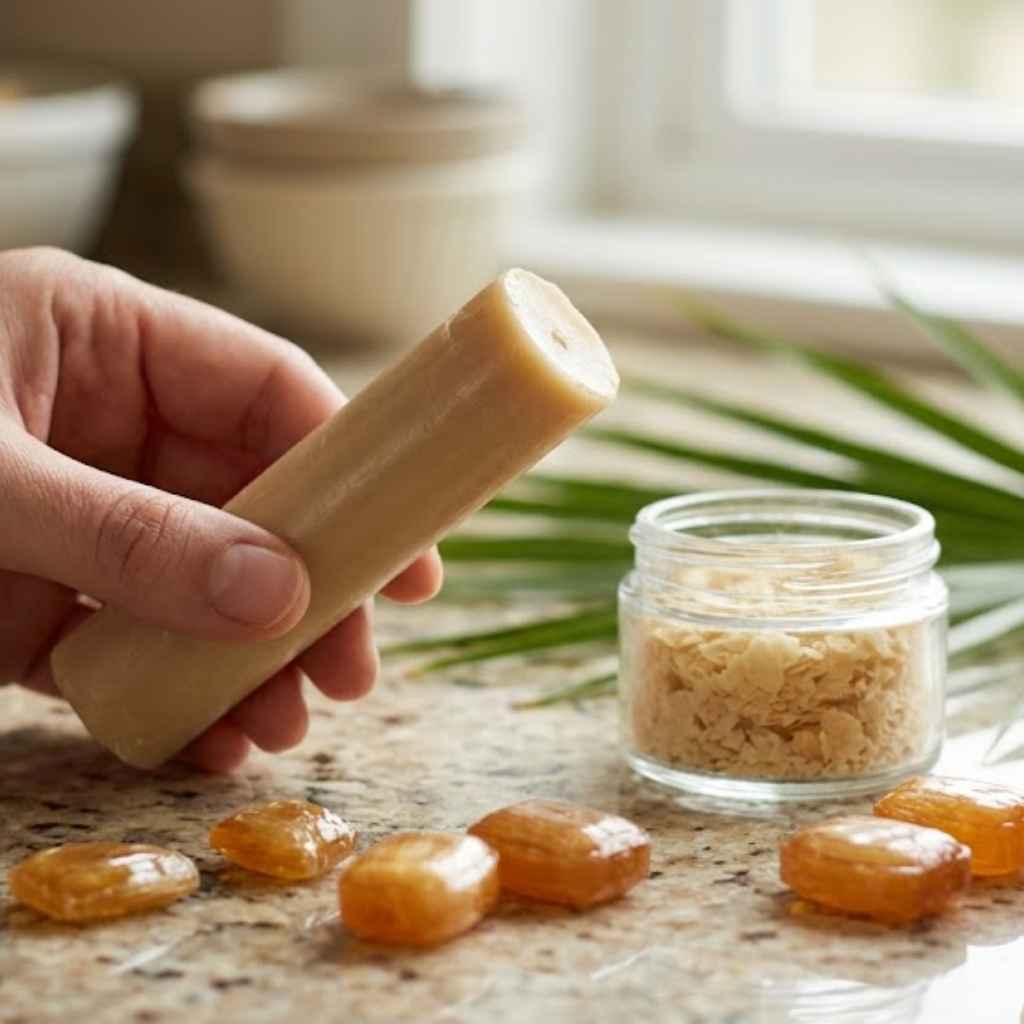
So, what exactly is this stuff? Carnauba wax is a natural wax. It comes from the leaves of a palm tree.
This tree is native to Brazil. It’s often called the “Tree of Life.” The palm tree is known as Copernicia prunifera. People harvest the leaves from these trees.
Then they dry them out. After drying, they shake or beat the leaves. This process loosens the wax.
The wax then flakes off. Finally, the wax is melted and filtered. This makes it clean and ready for use.
It’s a pretty neat natural process.
This wax is super hard. It also has a very high melting point. These qualities make it useful for many things.
In its raw form, it looks like hard, yellowish flakes or powders. It’s also quite brittle. When you rub it between your fingers, it can feel smooth.
The color can vary from yellow to greenish. This depends on how it’s processed and filtered. The better it’s refined, the lighter the color.
Think of it like a natural protective coating. The tree uses it to protect its leaves. It keeps them safe from the harsh Brazilian sun and dry air.
This is nature’s way of helping the tree survive. Now, humans have found ways to use this natural protection for other things. It’s a renewable resource.
This makes it attractive for many industries. It’s not made in a lab. It grows from a tree.
That’s a big difference from many other ingredients.
Why is Carnauba Wax Used in Food?
You might be wondering why a wax would be in your food at all. It’s not for taste or nutrition. Carnauba wax is used for its special properties.
The main reason is to give things a nice shine. Think about candies, fruits, or even baked goods. A little bit of carnauba wax can make them look more appealing.
It creates a smooth, glossy finish. This makes products look fresh and ready to eat.
It also acts as a protective barrier. This barrier can help prevent moisture loss. For fruits and vegetables, this means they stay fresh longer.
It stops them from drying out too quickly. This is a big deal for keeping produce looking good on store shelves. It can also help prevent sticking.
In candies, it stops them from clumping together. This is especially helpful for small, individually wrapped candies.
Another key use is for texture. Carnauba wax can help create a smoother mouthfeel. It can also add a slight firmness.
For example, in chewing gum, it can help maintain its structure. It makes the gum easier to chew. It also helps the flavor last longer.
So, it’s not just about looks. It plays a role in how the food feels and lasts.
It’s important to know that the amount used is usually very small. It’s added in tiny quantities. You’ll never eat a chunk of wax.
It’s blended into coatings or sprays. These are applied thinly. This is why it’s considered safe in these small amounts.
The FDA has looked at it closely. They have given it a stamp of approval for these uses.
Is Carnauba Wax Safe to Eat? The FDA’s Stance
This is the big question, right? The good news is, yes, generally carnauba wax is considered safe to eat. The U.S.
Food and Drug Administration (FDA) has classified it as GRAS. GRAS stands for Generally Recognized As Safe. This means that experts have reviewed the scientific data.
They agree it’s safe for its intended use in food. This designation is given to many common food ingredients. Things like salt, sugar, and baking soda are also GRAS.
It means it has a long history of safe use. It also means it has been studied and found not to pose unreasonable risks.
The FDA sets limits on how much can be used. They also specify what it can be used for. Carnauba wax is mainly approved as a glazing agent.
This means it’s used to make things shiny. It’s also used as an anti-sticking agent. This stops food from sticking to itself or equipment.
It can also act as a firming agent. It helps give certain foods structure.
When you see carnauba wax on an ingredient list, it will likely be in very small amounts. It’s not meant to be a primary ingredient. It’s a functional additive.
It helps with the appearance, texture, or shelf life of the product. Because it’s not digestible in the way other foods are, it largely passes through your system. It doesn’t get absorbed or metabolized.
This is part of why it’s deemed safe in small quantities. It doesn’t interfere with your body’s normal processes.
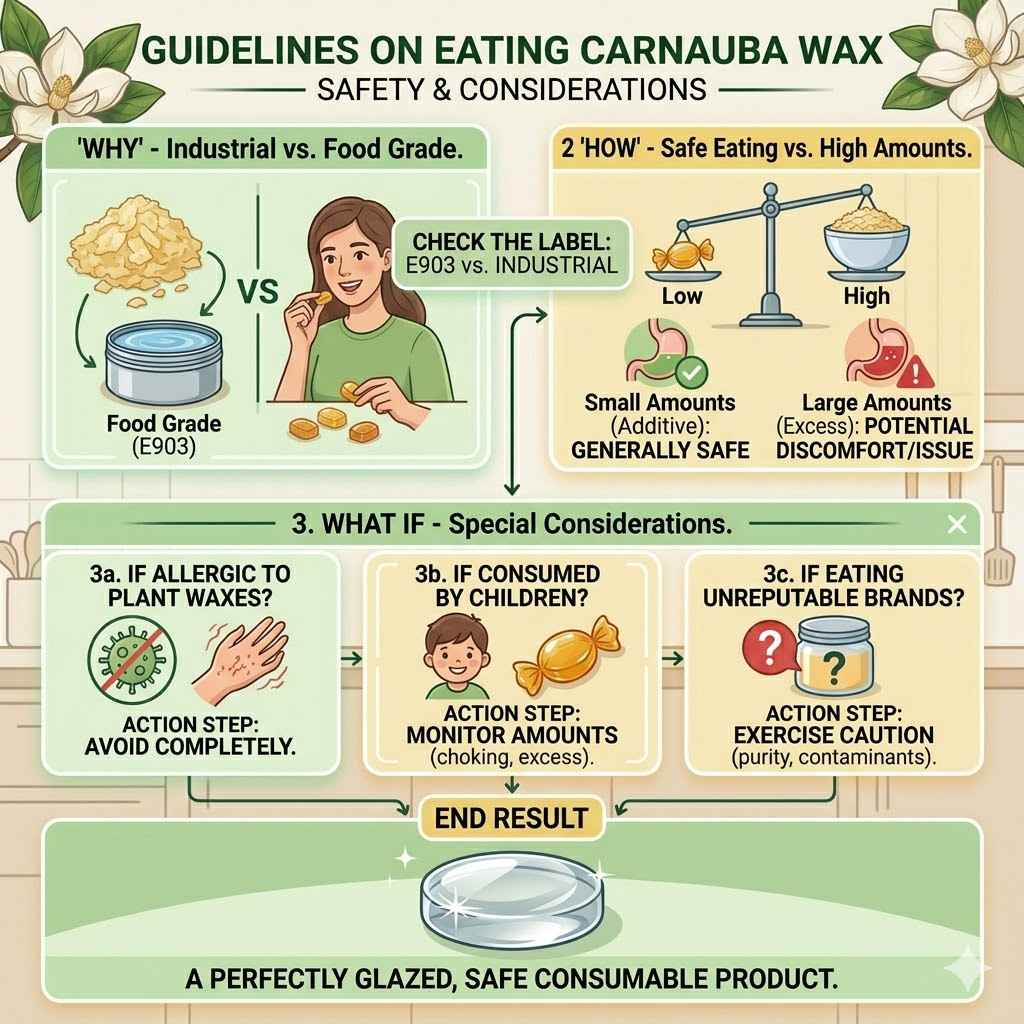
It’s always a good idea to look at ingredient labels. If you have specific dietary concerns or allergies, this helps. But for the general population, carnauba wax used in food is not a cause for alarm.
The regulations are in place to ensure public safety. The GRAS status is a significant indicator of its safety profile.
Carnauba Wax: Quick Facts
Origin: Leaves of the Carnauba palm tree (Brazil).
Properties: Hard, brittle, high melting point, shiny.
Food Use: Glazing, anti-sticking, firming agent.
Safety: GRAS (Generally Recognized As Safe) by FDA.
Dosage: Used in very small amounts.
Nutritional Value: None.
My Own Run-in with Carnauba Wax Labels
I remember a time when I was really focused on healthy eating. I’d go to the grocery store and read every single label. I wanted to know exactly what I was putting into my body.
One day, I picked up a bag of dried apricots. They looked so shiny and perfect. I turned the bag over to check the ingredients.
There it was: “Carnauba wax.” My first thought was, “Wax? In fruit?” It sounded so strange to me. I almost put them back on the shelf.
I felt a little confused and even a bit worried. Was this some weird chemical I didn’t know about? I ended up taking a picture of the label and looking it up later.
It took me a little while to understand. I learned that it’s a natural plant-based wax. It’s used to give dried fruits that appealing shine.
It also helps them not stick together. It was a relief to find out it’s considered safe. It was just one of those ingredients that sounds odd if you don’t know what it is.
Since then, I’ve seen it on a lot of things. It’s on chocolate candies, some types of bread, and even some fruits and vegetables. It’s become a common part of food processing.
Knowing it’s safe makes me feel much better about eating those shiny apricots.
What Foods Typically Contain Carnauba Wax?
You’ll find carnauba wax in a surprising number of foods. It’s most often used as a coating. This coating gives products that desirable glossy look.
It also helps preserve them. Let’s look at some common places you might spot it on an ingredient list:
- Candies and Chocolates: This is a very common place. Think of jelly beans, chocolate-covered nuts, or hard candies. The wax gives them a smooth, shiny surface. It stops them from melting too easily in your hands. It also prevents them from sticking together in the packaging.
- Fruits and Vegetables: Both fresh and dried fruits can be coated. Apples, pears, and citrus fruits might have a light coating. This helps them stay fresh longer. It also gives them a nice sheen. Dried fruits like raisins, cranberries, and apricots often use it too. It prevents them from clumping into one big mass.
- Baked Goods: Some types of bread, rolls, or pastries might use carnauba wax. It can add a slight sheen to the crust. It can also help keep them from going stale too fast.
- Nut Products: Roasted or seasoned nuts can be coated. This can add to their appearance. It also helps keep flavorings attached.
- Chewing Gum: Carnauba wax is used in some chewing gum recipes. It helps give the gum its texture. It also contributes to the chewiness and how long the flavor lasts.
- Dietary Supplements: Many vitamin and supplement tablets have coatings. Carnauba wax is one of the ingredients used for these coatings. It makes them easier to swallow. It also protects the active ingredients.
The key thing to remember is that it’s always used in very small amounts. It’s a functional ingredient. Its job is to improve the product in some way.
It’s not there for flavor or bulk. So, while you might see it on many labels, the actual amount you consume is tiny. This is why regulatory bodies like the FDA deem it safe.
Where You’ll See Carnauba Wax
| Food Type | Typical Use |
|---|---|
| Candies | Glossy coating, anti-sticking |
| Fruits (fresh/dried) | Shine, moisture retention, anti-clumping |
| Baked Goods | Crust sheen, freshness |
| Supplements | Tablet coating, swallow aid |
| Chewing Gum | Texture, chewiness |
Understanding the “Why” Behind the Wax: Functionality Over Flavor
It’s easy to get hung up on the word “wax.” Our minds might go to candle wax or floor wax. Those are not meant for eating, of course. But carnauba wax is different.
It’s a natural product. Its function in food is purely practical. It doesn’t add calories.
It doesn’t have a flavor profile that changes the food. Its purpose is all about form and function. Think of it as a food’s “dresser.” It helps it look its best and stay that way longer.
This idea of functional ingredients is very common in food science. Many things we eat are added for a reason beyond basic nutrition. They improve shelf life.
They make the food safer to handle. They enhance the eating experience. For example, citric acid is added to many drinks and snacks.
It provides tartness, but it also acts as a preservative. Emulsifiers like lecithin help oil and water mix smoothly in things like salad dressing. Carnauba wax fits into this category of functional additives.
The fact that it’s plant-derived is a big plus for many consumers. In a world increasingly aware of natural ingredients, carnauba wax fits that bill. It comes from a sustainable source.
It’s not a synthetic chemical. This can make people feel more comfortable with its presence. It’s important to distinguish between natural waxes used in food and synthetic coatings.
Carnauba wax falls into the safe, natural category.
When you encounter it, try to think of its job. Is it making that apple look so inviting? Is it keeping those gummy bears from sticking together in a clump?
Its role is usually small but important for the product’s overall appeal and quality. This understanding can shift the perception from “weird ingredient” to “helpful natural component.”
Alternative Uses of Carnauba Wax
While we’re focusing on food, it’s fascinating to see where else carnauba wax shows up. Its unique properties make it valuable in many other products. This highlights just how versatile it is.
Beyond the Plate: Other Carnauba Wax Uses
Cosmetics: It’s a common ingredient in makeup. You’ll find it in lipstick, mascara, and eyeliner. It helps create a smooth application.
It also makes products last longer on the skin. It gives that glossy finish many lipsticks have.
Polishes: Carnauba wax is a key ingredient in car waxes and shoe polishes. It provides a hard, durable, and glossy finish. It’s excellent for protecting surfaces.
It offers a brilliant shine that lasts.
Pharmaceuticals: Similar to food supplements, it’s used as a coating for pills and tablets. This helps with swallowing. It can also control the release of medication in the body.
Wood Finishing: It can be used in furniture polishes. It gives wood a natural sheen and protection. It’s often mixed with other waxes and oils for a beautiful finish.
Textiles: In some cases, it can be used to treat fabrics. It can add a bit of stiffness or water resistance.
Seeing these other uses reinforces the idea that carnauba wax is a functional material. It’s not just for food. Its hardness and shine are prized in many industries.
When it’s used in these applications, it’s also subject to safety standards. But its presence in food is specifically regulated by bodies like the FDA to ensure it’s safe for consumption. The fact that it’s used in cosmetics that touch our skin, or polishes that we might touch, further suggests its low toxicity.
What This Means For You: Normalcy and When to Check
For most people, seeing carnauba wax on a food label is perfectly normal. It’s a widely accepted food additive. It plays a role in making many of the foods we enjoy look good and last longer.
So, if you see it, don’t panic. It’s not a sign of a “bad” or “unhealthy” product. Many healthy foods, like apples, are coated with it for preservation.
However, it’s always good to be aware. If you have specific sensitivities or allergies to natural products, you might want to monitor your intake. Though allergic reactions to carnauba wax are extremely rare, individual reactions can happen.
If you ever feel unwell after consuming a product with carnauba wax, it’s always wise to consult a doctor. They can help you identify any potential sensitivities.
The primary takeaway is about understanding its purpose. It’s a glazing agent. It helps with appearance and shelf life.
It doesn’t offer nutritional benefits. It’s safe when used as intended and within regulatory limits. Think of it like the varnish on a beautiful wooden table.
It makes it look good and protects it. The wax on your food serves a similar, albeit much smaller, role.
If you’re looking to avoid it, it can be challenging because it’s so widespread. You might need to choose products labeled as “raw” or “unprocessed” where possible. Organic certifications sometimes have stricter rules on additives, but carnauba wax is often permitted.
The best approach is education and understanding. Knowing what it is and why it’s there can ease any concerns you might have.
Can You Eat Carnauba Wax in Large Amounts?
While carnauba wax is considered safe in the small amounts used in food, eating large quantities is not recommended. Our digestive systems are not designed to break down wax effectively. It’s largely indigestible.
If you were to consume a significant amount, it could potentially cause digestive discomfort. This might include stomach upset or a feeling of fullness. This is similar to how eating other non-digestible items might affect you.
The safety regulations are based on typical consumption patterns. These patterns involve very small amounts as part of a larger food item. They are not based on intentionally consuming pure wax.
Therefore, while the occasional trace amount in food is fine, it’s not something you should seek out to eat in bulk. Always stick to consuming foods as they are intended to be eaten.
Think about it this way: even water can be dangerous in extreme excess. The same principle applies here. The dose makes the poison, as the old saying goes.
In food, the dose of carnauba wax is very low and safe. Outside of that context, it’s best avoided. Stick to the food itself, and let the wax do its job as a coating.
Here are a few simple tips if you’re curious or want to be more mindful about carnauba wax:
- Read Labels: Get into the habit of checking ingredient lists. You’ll start to recognize carnauba wax. You’ll also see other ingredients. This builds your food knowledge.
- Understand its Role: Remember it’s a glaze or coating. It’s not a flavor or nutrient. Its purpose is functional.
- Don’t Fear It: Unless you have a specific, diagnosed allergy, there’s usually no need to worry. It’s a natural, safe ingredient.
- Opt for Less Processed: If you prefer to minimize processed ingredients, choose whole fruits and vegetables. Look for items that aren’t highly polished or coated.
- Research Unfamiliar Ingredients: If you see an ingredient that worries you, take a moment to look it up. Knowledge is power.
Normal vs. Concerning: Carnauba Wax
Normal:
- Found on candies, fruits, supplements.
- Provides shine, prevents sticking, aids swallowing.
- Used in very small amounts as a food-grade coating.
- Generally Recognized As Safe (GRAS) by the FDA.
Concerning (Extremely Rare):
- Individual allergic reaction or extreme sensitivity.
- Consumption of very large, unnatural quantities of pure wax.
Frequently Asked Questions about Carnauba Wax
Is carnauba wax vegan?
Yes, carnauba wax is derived from a plant and is considered vegan. It is not an animal product. This makes it a popular choice for vegan-friendly foods and cosmetics.
Does carnauba wax have any calories?
No, carnauba wax does not provide any nutritional value and contains zero calories. It is not digested or absorbed by the body. It functions purely as a coating or additive.
Is carnauba wax the same as beeswax?
No, they are different. Beeswax is produced by honeybees. Carnauba wax comes from the carnauba palm tree.
Both are natural waxes used in food, but they have different properties and sources.
Can carnauba wax cause digestive issues?
In the small amounts typically found in food, carnauba wax is not expected to cause digestive issues for most people. Consuming very large quantities might lead to discomfort, as it is largely indigestible.
Is carnauba wax a chemical?
Carnauba wax is a natural chemical compound produced by plants. While all substances are technically chemicals, it is derived from a natural source and is not a synthetic chemical. It’s often preferred for this reason.
Are there other natural waxes used in food?
Yes, other natural waxes like beeswax, shellac (though not vegan), and candelilla wax are also used as food additives for similar purposes, such as glazing and coating.
Final Thoughts on Carnauba Wax
So, can you eat carnauba wax? In the context of the foods it’s typically found in, the answer is yes, and it’s considered safe. It’s a natural ingredient from the carnauba palm tree.
It serves important roles in making foods appealing and last longer. The FDA’s GRAS status confirms its safety for intended use. Understanding its function helps demystify this ingredient.
It’s not something to be scared of, but rather to be informed about. Enjoy your shiny apples and non-sticky candies!
Sponsored / affiliate links. As an Amazon Associate I earn from qualifying purchases. I may earn additional commission from eligible campaigns.