Will Bubbles in Polyurethane Go Away? The 5-Minute Rule Explained
Bubbles in polyurethane only disappear on their own within the first 5 minutes of application, while the finish is still wet and flowing. After that short window closes, a visible bubble is permanent until you sand it out and recoat — it will not level out, pop, or fade with time.
That 5-minute rule surprises a lot of people, because plenty of finishing advice treats bubbles as something that just “works itself out” if you wait long enough. It doesn’t. Air trapped in the film gets locked in place the moment the surface starts to skin over, and once that happens, sanding is the only fix. The good news is that the fix is quick, and the causes are almost always the same handful of mistakes: shaking the can instead of stirring it, brushing too fast, working in a humid garage, or laying the coat on too thick.
Below is exactly what happens to a bubble in each of the first few minutes, how to rescue a coat that’s still wet, how to sand out one that’s already dried, and which polyurethane and application method make bubbles far less likely to show up on your next project.
The 5-Minute Window: When Bubbles Actually Disappear On Their Own
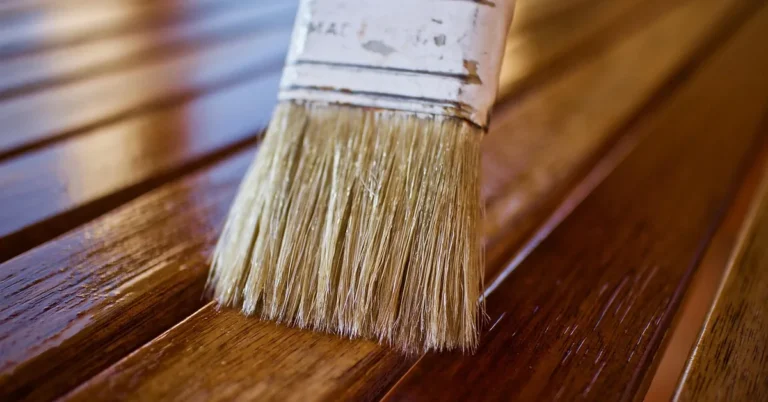
As soon as polyurethane goes on, the finish is thin enough that trapped air can still rise to the surface and pop on its own — that’s the self-leveling stage, and it lasts roughly 5 minutes for most oil-based formulas (a bit less for fast-drying water-based poly). If you watch a freshly brushed coat under a raking light, you’ll actually see small bubbles rising and bursting during that window. Anything that’s still there once the surface starts to skin over is stuck for good.
Best Pick To Avoid Bubbles Next Time
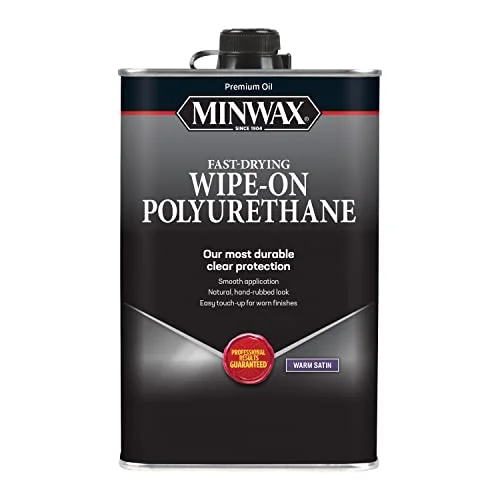 |
Minwax Oil-Based Wipe-On Polyurethane, 1 Quart, Satin – $21.59 A wipe-on formula skips the brush entirely, so there is almost no way to whip air into the finish in the first place.
|
What Actually Causes Bubbles In Polyurethane
Almost every bubble problem traces back to how air got whipped into the can or the coat before it ever touched the wood:
- Shaking instead of stirring: Shaking a can of polyurethane whips air directly into the finish. Stir slowly with a flat stick, scraping the bottom, instead.
- Brushing too fast or too hard: Fast back-and-forth strokes, or pressing hard enough to work the bristles, forces air into the film. Load the brush, lay the finish down, and tip it off with light, single-direction strokes.
- A worn or cheap brush: Splayed or shedding bristles trap air and release it unevenly as you stroke. A natural-bristle brush for oil-based poly, or a foam brush for a thin wipe-on coat, causes far fewer bubbles.
- Coats that are too thick: A heavy coat takes longer to skin over, which gives trapped air more time to get stuck before it can rise out. Two or three thin coats bubble far less than one thick one.
- Heat or direct sun while applying: Warm finish skins over faster, shrinking that 5-minute self-leveling window before air has time to escape.
Fixing Bubbles While The Finish Is Still Wet
If you catch bubbles within that first few minutes, what you can do next depends on which type of polyurethane you’re using:
- Water-based polyurethane, still wet: A heat gun on its lowest setting, or a hair dryer held 8–10 inches away, can pop a stubborn bubble before the surface skins over. Keep it moving so you don’t scorch the finish.
- Oil-based polyurethane, still wet: Don’t use heat. Oil-based poly skins over quickly under heat and a heat gun will usually make things worse by baking the surface before the air escapes. Instead, lightly drag the tip of the brush through the bubble to break it, then smooth the spot with one gentle pass.
- Either type, first 5 minutes: Often the best move is simply to leave it alone. Most bubbles that show up as you’re brushing will rise and pop on their own before the coat skins over — fussing with the surface too much during that window can introduce new bubbles.
Once the surface has skinned over, stop trying to fix it wet. Let it cure fully and treat it as a dried-bubble repair instead — working back into a partially cured film usually tears the finish instead of fixing it.
Fixing Bubbles After The Polyurethane Has Already Dried
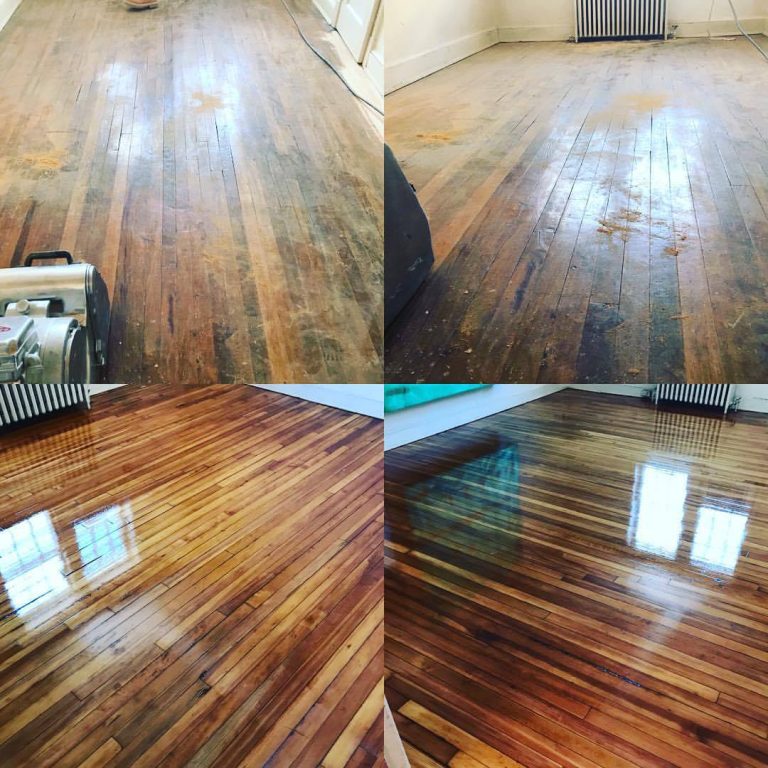
Once a coat has fully cured, sanding is the only way to remove a bubble — there’s no product or trick that dissolves one after the fact. Here’s the sequence that actually works:
- Wait for a full cure. A fast-drying wipe-on formula is usually dry for light use in about 24 hours; a full oil-based brush-on coat can need closer to 48 hours before it sands cleanly instead of gumming up the paper.
- Sand only the bubbled spots first. Use 220-grit sandpaper to knock down the raised bump, then switch to 320-grit to blend the edges into the surrounding finish so you don’t leave a visible ring.
- Wipe the dust with a tack cloth. Any leftover dust under the next coat becomes a new texture problem, not a bubble, but it’s just as visible.
- Apply one thin recoat. Thin is the operative word — this is the step where a heavy hand reintroduces the exact bubbling you just fixed.
Preventing Bubbles On Your Next Coat
Most of prevention comes down to slowing everything down: how you open the can, how you load the brush, and how thick each coat goes on.
- Stir, never shake, for at least a full minute before you dip the brush.
- Work in the 60–80°F range with humidity under 70% — both colder and more humid conditions slow the cure and stretch out the time air has to get trapped.
- Consider a wipe-on formula for smaller pieces. Because it’s applied with a cloth in a thin film rather than loaded off a brush, there’s very little air to trap in the first place — that’s the entire reason a wipe-on poly like the one above is worth keeping on hand.
- Let each coat fully skin over before recoating, and do a light 320-grit scuff-sand between coats so the next layer bonds flat instead of trapping air against an uneven surface.
When Bubbling Points To A Bigger Problem
Occasional small bubbles near an edge or a brush stroke are normal and easy to sand out. It’s worth stopping and rethinking your setup if you see any of the following instead:
- Bubbles across the entire surface, every coat. That usually points to shaking the can, a bad brush, or finish that’s too old/thick and needs thinning per the manufacturer’s instructions.
- Large bubbles, not tiny pinholes. Big bubbles often mean moisture trapped in the wood itself outgassing through the finish — let the wood dry fully and sand back to bare wood before refinishing.
- Bubbles that come back after every sand-and-recoat cycle. If the same spots keep bubbling no matter what you change, the surface prep (grease, silicone-based polish residue, or incomplete sanding of the old finish) is the real culprit, not the application technique.
Frequently Asked Questions
Do bubbles in polyurethane go away on their own?
Only within a narrow window. If a bubble is still visible about 5 minutes after you lay down a coat, it will not pop or level out by itself, wet or dry. Bubbles that form and disappear inside that first 5 minutes are normal off-gassing; anything still sitting there afterward has to be sanded out once the coat cures.
How long does it take for polyurethane bubbles to pop on their own?
Most self-clearing happens in the first 5 minutes after application, while the finish is still flowing and thin enough for trapped air to rise and break at the surface. Once the surface starts to skin over, roughly 10 to 15 minutes in for oil-based poly, any remaining bubble is locked in place until you sand it out.
Can you pop polyurethane bubbles with a heat gun?
Only on water-based polyurethane while it is still wet; a heat gun or hair dryer on a low setting can pop a stubborn water-based bubble before it skins over. On wet oil-based polyurethane, do not use heat; leave the bubble alone, let the coat cure fully, then sand it out and recoat.
How do you fix bubbles in polyurethane after it has already dried?
Let the finish cure fully first, at least 24 hours for light use with a fast-drying wipe-on formula, longer for a full oil-based brush-on coat. Hand-sand just the bubbled spots with 220 to 320-grit sandpaper until they’re level with the surrounding finish, wipe the dust off with a tack cloth, then apply one thin recoat.
Conclusion
The short version: watch the first 5 minutes, because that’s the only window where a polyurethane bubble fixes itself. After that, it’s a sand-and-recoat job, not a wait-and-see one. Slow, thin coats with a stirred (never shaken) can and a clean brush — or a wipe-on formula that skips the brush entirely — will keep you from needing that fix on most projects going forward.
Sponsored / affiliate links. As an Amazon Associate I earn from qualifying purchases. I may earn additional commission from eligible campaigns.