Cedar Shingles Pros and Cons: Is This Classic Roofing Worth It?
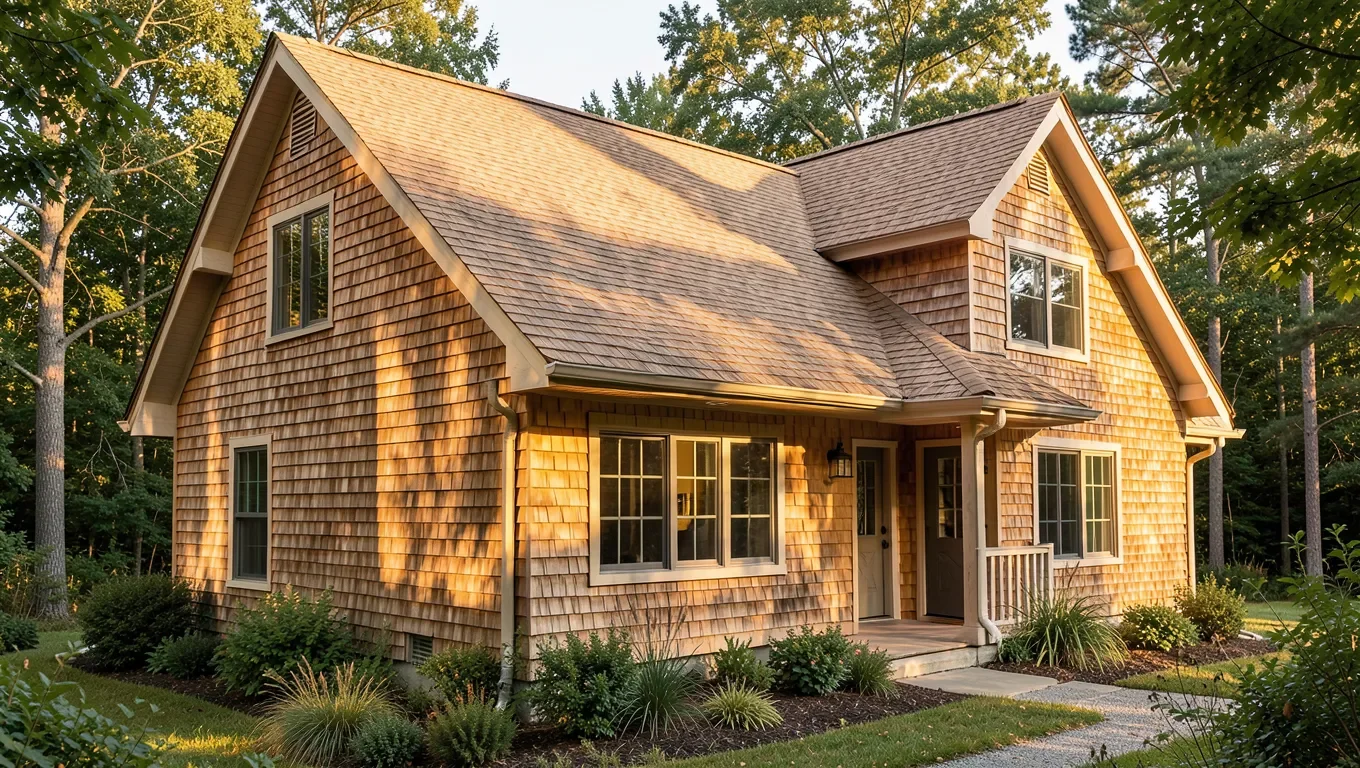
Cedar shingles give a roof or wall that warm, natural look that asphalt and vinyl can’t fake, but they cost more up front and ask more of you over the years. If you’re weighing cedar shingles against asphalt, vinyl, or even cedar shakes, the honest answer is: it depends on your climate, your budget, and how much upkeep you’re willing to do. Below is a real breakdown of what cedar shingles get right, where they fall short, and one detail almost every “pros and cons” list skips entirely – the difference between a shingle and a shake, which changes both the look and the price.
Cedar Shingles Pros and Cons at a Glance
Best Cedar-Matched Stain & Sealer
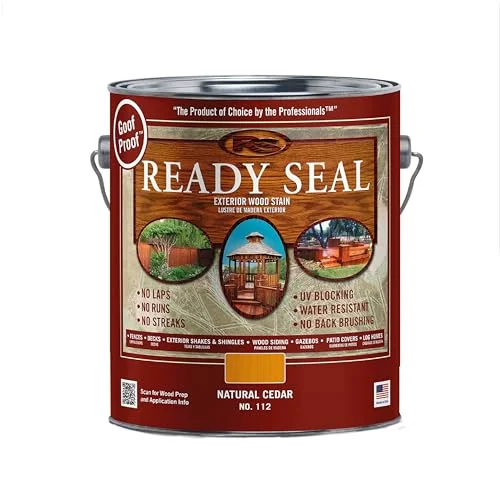 |
Ready Seal 112 Natural Cedar Stain & Sealer, 1 Gal – $39.99 Matches cedar’s natural tone while blocking UV and moisture – exactly the maintenance routine cedar shingles need to stay looking good.
|
Before getting into the details, here’s the short version. On the plus side, cedar shingles bring natural insect and rot resistance from the wood’s own oils, solid insulation value, and a finish that weathers to an attractive silvery-gray patina instead of just looking worn out. On the downside, cedar costs more than vinyl or composite siding, needs periodic cleaning and re-sealing, and – because it’s wood – carries a real fire-risk consideration that some insurers and building codes take seriously in dry, wildfire-prone regions.
None of that makes cedar a bad choice; it just means it’s a material you maintain on purpose, not one you install and forget.
Cedar Shingles vs. Cedar Shakes: What’s Actually Different
People use “shingle” and “shake” interchangeably, and that’s where a lot of the confusion in buying guides starts. They’re not the same product, and mixing them up can throw off your cost estimate by a wide margin.
Cedar shingles are sawn on both sides, which makes them thin, smooth, and uniform in thickness from butt to tip. That machine-sawn consistency is what gives a shingle roof or wall its clean, tailored look, and it’s also why shingles install faster and with a tighter, more predictable exposure than shakes.
Cedar shakes, by contrast, are split (by hand or machine) rather than sawn, so each piece keeps a rough, irregular face and is noticeably thicker – often close to double the thickness of a shingle. That split texture is what gives shakes their heavier, more rustic, cabin-like appearance. Shakes also typically need an interlayer of roofing felt between courses and a thicker overall assembly, which adds to both material and labor cost.
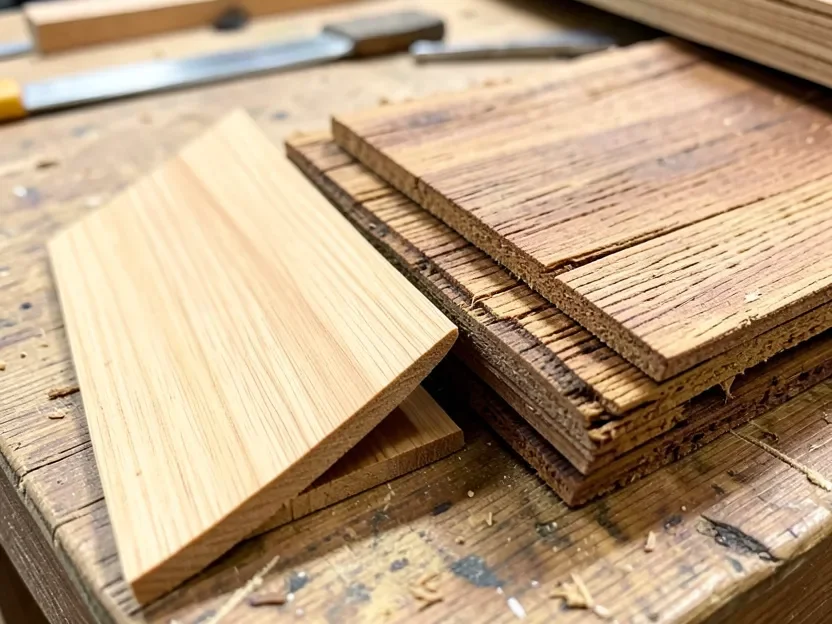
If your goal is a smooth, refined look and a slightly easier install, shingles are the better fit. If you want that thick, rustic, hand-hewn cabin look and don’t mind paying more, shakes are the direction to go. We cover shakes specifically, including their own cost and maintenance tradeoffs, in our cedar shake siding guide – worth a look if you’re still deciding between the two.
One more detail worth knowing: reputable cedar shingles are graded under the Cedar Shake & Shingle Bureau’s Certigrade system. The top grade, Number 1 “Blue Label,” is 100% heartwood, 100% clear, and 100% edge-grain – the grade most building codes require for roofing. Lower grades (often sold under Red or Black labels) are fine for sidewall siding or undercoursing but shouldn’t end up on your roof. Asking a supplier which grade you’re getting is one of the simplest ways to avoid a shingle job that fails early.
The Real Pros of Cedar Shingles
Natural Insect and Rot Resistance
Western red cedar contains natural oils (thujaplicins) that make the wood genuinely unappealing to termites and carpenter ants and slow down fungal decay compared to most other softwoods. This is a real, chemistry-based property, not a marketing claim – it’s the same reason cedar is a common choice for closets, chests, and outdoor furniture. It doesn’t make cedar immune to rot, but it buys you a meaningful head start over untreated pine or fir.
Genuine Insulation Value
Wood is a naturally poor conductor of heat compared to vinyl or fiber-cement, so a cedar shingle wall or roof does a slightly better job resisting heat transfer on its own, before you even factor in your home’s insulation layer. It’s not a substitute for proper wall or attic insulation, but it’s a small, real efficiency edge that adds up over the life of the roof.
A Patina That Improves With Age
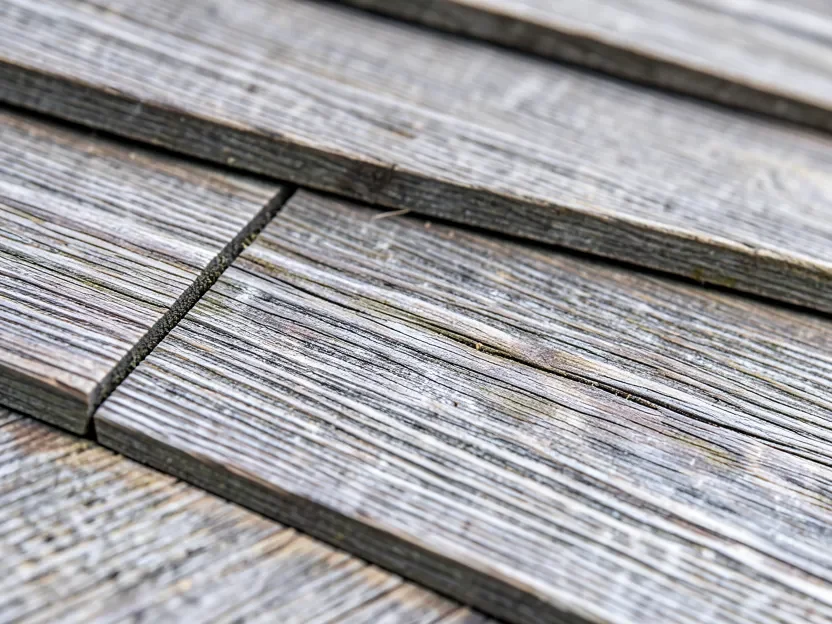
Left unfinished, cedar shingles don’t just fade – they weather to a soft, even silvery-gray over a few years (faster near the coast, slower inland). Most synthetic sidings do the opposite: they look best the day they’re installed and only go downhill from there. If you like that aged, driftwood look, cedar gets there on its own; if you’d rather keep the warm honey-brown tone, that’s where a stain and sealer routine comes in, which we cover further down.
Lightweight for What They Deliver
Cedar shingles are considerably lighter than clay tile, slate, or concrete roofing, which means less added structural load on your rafters and framing. For older homes where the framing wasn’t built for a heavy roofing material, that’s a practical advantage that’s easy to overlook until an engineer flags it.
The Real Cons of Cedar Shingles
Higher Cost Than Vinyl or Composite
Cedar shingles cost more than vinyl siding or asphalt shingles for both materials and labor – installation takes longer since each course has to be aligned and fastened individually, and it usually calls for crews experienced specifically in wood roofing or siding. If budget is the deciding factor, it’s worth pricing out your specific project locally rather than assuming a flat multiplier, since labor rates for cedar specialists vary a lot by region.
Ongoing Maintenance Isn’t Optional
Cedar needs periodic cleaning to keep moss, algae, and debris from holding moisture against the wood, plus reapplication of a water-repellent stain or sealer every few years if you want to preserve the color and slow weathering. Skip this and you’re not looking at total failure overnight, but you will shorten the shingles’ useful life and end up with a patchier, less even appearance.
Fire Risk Is Real, Not Just a Talking Point
Cedar shingles are combustible, and this is where a lot of “pros and cons” articles get vague. In wildfire-prone regions – much of California, parts of the interior West, and similar dry climates – local building codes and insurance underwriters frequently restrict untreated wood shingle roofs outright or require Class A/B fire-retardant treatment as a condition of coverage. If you’re in or near a designated wildfire hazard zone, check your local code and talk to your insurer before you commit to cedar, not after the roof is on. Fire-retardant-treated shingles and pressure-impregnated treatments exist and can bring a wood roof up to a better fire rating, but they add cost and typically need to be specified before installation.
Moisture Problems Usually Trace Back to Ventilation, Not the Wood
A detail that’s easy to miss: cedar shingles need airflow behind them to perform well. Most cedar shingle installations rely on spaced sheathing (skip sheathing) or a ventilated rainscreen gap rather than solid plywood nailed tight against the wood. Install shingles directly over solid, unventilated sheathing in a humid climate, and moisture gets trapped against the back of the shingle with nowhere to go – that’s how you end up with premature cupping, staining, or rot that gets blamed on “bad cedar” when it was really an installation detail. Ask your installer specifically how they’re venting the assembly.
How to Maintain Cedar Shingles and Make Them Last
Most of the maintenance downside above can be managed with a simple routine: rinse off debris and check for moss buildup once or twice a year, and plan to clean and re-treat the shingles with a penetrating exterior wood stain and sealer every two to four years, depending on your climate and sun exposure. A semi-transparent oil-based sealer lets the wood grain show through while blocking UV and moisture, which is the combination most cedar shingle manufacturers recommend over a solid, film-forming coating that can trap moisture and eventually peel.
If you’re shopping for one, look for a product rated specifically for exterior wood siding and shingles (not just decking), with UV blockers and mildew resistance built in.
Frequently Asked Questions
How long do cedar shingles typically last?
With proper installation, adequate ventilation behind the shingles, and regular maintenance, cedar shingles commonly last 25 to 40 years, and sometimes longer in favorable climates. Skipping maintenance or installing over unventilated sheathing tends to cut that lifespan well short.
What’s the real difference between cedar shingles and cedar shakes?
Shingles are sawn on both faces, giving them a thin, smooth, uniform look. Shakes are split rather than sawn, making them thicker with a rougher, more rustic, hand-hewn texture. Shakes generally cost more to buy and install.
Are cedar shingles more expensive than asphalt shingles?
Yes. Cedar shingles cost more up front than asphalt, both in material and in labor, since each course is installed individually by a crew experienced with wood roofing.
Do cedar shingles require a lot of maintenance?
More than vinyl or asphalt. Plan on periodic cleaning to prevent moss and algae buildup, plus reapplying a water-repellent stain or sealer every two to four years to protect the wood and preserve its appearance.
Are cedar shingles a good choice for fire-prone areas?
Generally not without treatment. Cedar shingles are combustible, and many wildfire-prone jurisdictions restrict untreated wood shingle roofs or require fire-retardant treatment and a Class A/B fire rating. Check local code and your insurer’s requirements before choosing cedar in these areas.
Can I install cedar shingles myself?
It’s possible for a confident, experienced DIYer on a small wall section, but a full roof is typically not a DIY project. Correct exposure, ventilation behind the shingles, and flashing details all affect long-term performance, and mistakes are expensive to fix later.
Final Verdict: Are Cedar Shingles Worth It?
Cedar shingles are worth it if you value natural beauty, a material that ages gracefully, and genuine (if modest) insulation benefits, and you’re willing to budget for periodic cleaning and resealing. They’re a harder sell if you’re in a high wildfire-risk area without budget for fire-retardant treatment, or if low maintenance is your top priority. If you like the look of cedar but want an even more rustic, heavier texture and don’t mind the extra cost, compare shingles against shakes before you order material – the wrong pick is expensive to undo once it’s on the wall or roof.
Sponsored / affiliate links. As an Amazon Associate I earn from qualifying purchases. I may earn additional commission from eligible campaigns.