What Type of Wood Is Used for Windows? Species & Repair Guide
Most factory-made wood windows (Andersen, Pella, Marvin) use finger-jointed pine or Douglas fir as the structural core, then wrap the exterior face in vinyl, aluminum, or fiberglass cladding so the wood itself never sees weather. Hardwoods like oak, mahogany, and true white oak show up only in fully-exposed, unclad custom windows where the cost premium buys a look cladding can’t match. If you’re patching rot in an existing frame instead of buying new, skip straight to the repair section below — that’s a different job entirely.
What Manufacturers Actually Put Inside New Windows
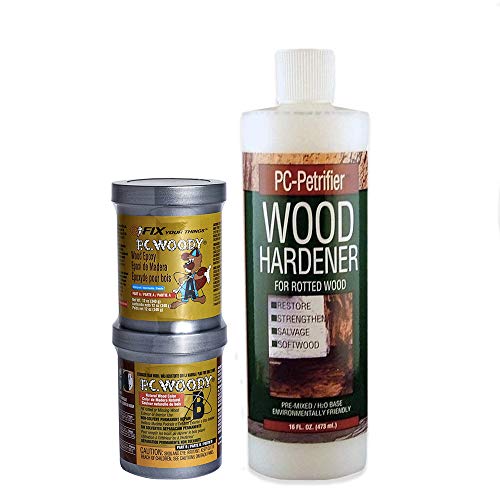
OUR PICK FOR SILL & FRAME REPAIR
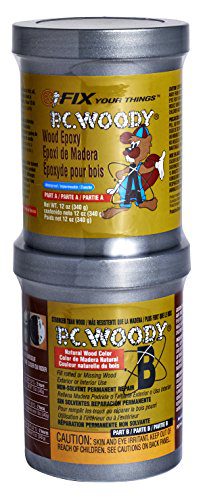 |
PC Products PC-Woody Wood Repair Epoxy Paste (12 oz) – $18.89 The epoxy filler recommended in the rot-repair section above — bonds structurally to sound wood around a rotted sill or sash instead of just filling the gap.
|
Open up almost any vinyl-clad or aluminum-clad wood window from a major manufacturer and the wood underneath is finger-jointed pine — short pieces of lumber glued end-to-end into full-length stock. It’s not a downgrade; the cladding does the weatherproofing job, so the wood only needs to be dimensionally stable and stiff, which finger-jointed pine is at a fraction of the cost of a single clear board. Douglas fir shows up in the same role in the Pacific Northwest and in higher-end lines because it’s stiffer and holds paint and stain better than pine.
Fully exposed hardwood windows — no cladding, bare wood facing the weather — are a different category and a different budget. Mahogany is the traditional choice because its natural oils resist rot without a film finish for years, which is why it shows up in historic-restoration and high-end custom work. Accoya (acetylated radiata pine) is the modern alternative: a chemical process changes the wood’s cell structure so it resists rot and swelling roughly as well as teak, at a lower cost than mahogany, and it now backs a 50-year above-ground warranty from the manufacturer.
| Wood | Typical Use | Decay Resistance (untreated) | Relative Cost |
|---|---|---|---|
| Finger-jointed Pine | Clad window cores (most factory windows) | Low — relies on cladding | $ |
| Douglas Fir | Clad cores, PNW and higher-end lines | Low-moderate | $$ |
| Mahogany | Exposed high-end/historic windows | High | $$$$ |
| Accoya (acetylated pine) | Exposed modern windows | Very high (rated near teak) | $$$ |
| White Oak | Exposed traditional/custom windows | Moderate-high | $$$ |
Boarding Up a Window: Is OSB Actually a Good Choice?
For temporary storm or security boarding, OSB (oriented strand board) works, but it’s not the better choice compared to exterior-grade plywood. OSB’s cut edges soak up water and swell within days of exposure, and it has no exterior-rated glue bond guarantee the way CDX or BC exterior plywood does. If you’re boarding a window for a hurricane or a break-in and expect the board to stay up more than a week or two, use 1/2-inch to 5/8-inch exterior CDX plywood instead — it holds fasteners better at the edges and won’t delaminate if it gets rained on before you can seal the edges. Either material needs to be fastened into the framing (not just the window trim) with lag screws roughly every 12-18 inches to actually resist wind load.
Repairing Rot in an Existing Wood Window Frame
Soft, spongy wood at a sill or the bottom rail of a sash almost always means the finish failed and water got into end grain — it’s rarely a sign the whole window needs replacing. Dig out the soft material with an awl or screwdriver until you hit solid wood, let the cavity dry fully (a moisture meter reading under 15% before you fill is the real test, not just how it looks), and treat exposed bare wood with a borate-based wood preservative if the rot has spread past the immediate area. Fill the cavity with a two-part epoxy wood filler rather than standard wood putty — epoxy bonds mechanically and structurally to the surrounding wood and won’t shrink or crack the way water-based fillers do outdoors, which matters at a sill that gets direct rain exposure.
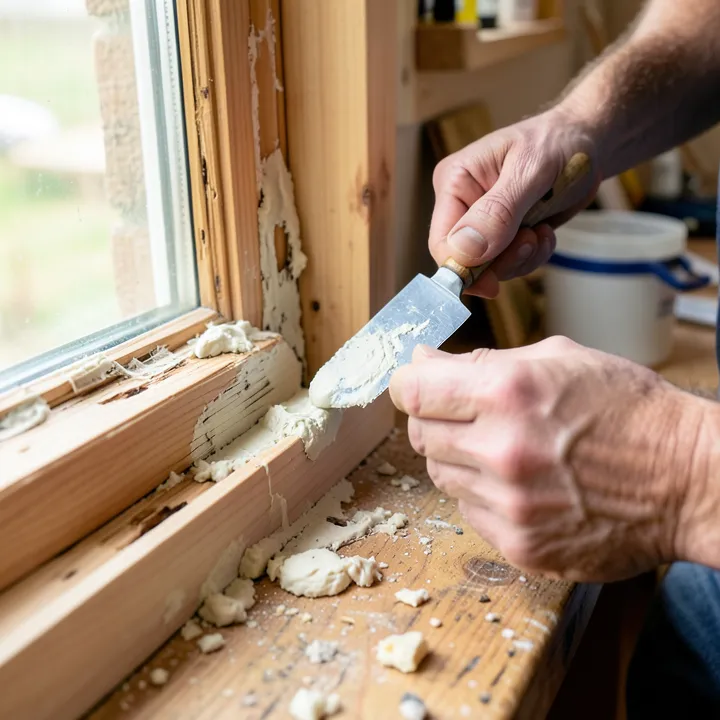
Once the epoxy cures, sand it flush, prime with an oil-based exterior primer (epoxy fillers don’t take water-based primer evenly), and paint or seal to match. A repaired sill done this way routinely outlasts the original unprotected wood around it, because the epoxy patch doesn’t absorb water the way bare or painted-over wood does.
Identifying the Wood in an Old Window
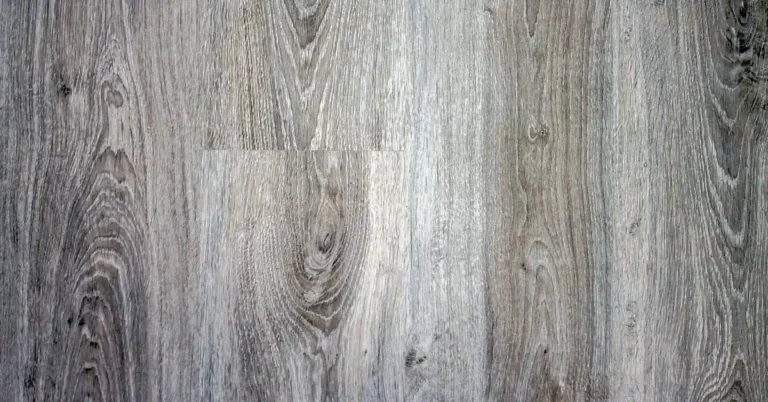
If you’re trying to match new wood to an existing frame rather than guessing, look at three things: grain pattern (pine shows visible resin streaks and knots; fir has a more pronounced ray-fleck pattern; oak shows open, visible pores you can feel with a fingernail), weight (a same-size sample of oak or mahogany is noticeably heavier than pine or fir), and finish response — a drop of water on bare, sanded end grain soaks in fast on pine and fir, slower on oak and mahogany because of their tighter, oilier grain structure. A local millwork shop can also confirm species from a small sample far more reliably than a visual guess alone if the match needs to be exact for a historic restoration.
Frequently Asked Questions
Is fir wood good for windows?
Yes, when it’s clad or well-finished. Douglas fir is stiffer than pine and takes paint and stain evenly, which is why it’s common in Pacific Northwest window manufacturing, but it has no better natural decay resistance than pine and still needs cladding or a maintained finish outdoors.
Is OSB wood good to make windows?
No — OSB isn’t used to build actual window sashes or frames; it’s a sheathing and temporary-boarding material. For emergency or storm boarding over an existing window opening, exterior-grade plywood holds up better than OSB because OSB’s cut edges swell quickly when they get wet.
Is ash wood good for windows?
Not typically for exterior use. Ash is strong and easy to machine, which makes it popular for interior casings and trim, but it has poor natural decay resistance and isn’t commonly used for exposed exterior window components without heavy treatment.
What wood do I need to buy for interior window casings?
For interior casings, appearance and paint/stain compatibility matter more than decay resistance since the wood isn’t exposed to weather. Poplar (paint-grade) and pine are the most common budget choices; oak or maple are typical when the casing will be stained to match existing hardwood trim.
How can I tell what species of wood my existing windows are made from?
Check grain pattern, weight, and how fast water soaks into bare end grain (fast on pine/fir, slower on oak/mahogany). For an exact match on a historic restoration, take a small sample to a local millwork shop rather than relying on a visual guess.
Sponsored / affiliate links. As an Amazon Associate I earn from qualifying purchases. I may earn additional commission from eligible campaigns.